words by Zean Villongco images by Gabriel Dela Cruz
words by Zean Villongco images by Gabriel Dela Cruz
Amidst the bustle of tourists flocking in and out of the small pavilion, the old lady broke into a prayer and a dance; her gnarled, weathered hands holding up a lighted candle in supplication and her wiry voice grating out a monotonic hymn. Her almost trance-like gaze was fixed firmly on the wooden cross standing at the center of the pavilion as she gently swung back and forth to the rhythm of her own chanting, moving in a familiar dance step akin to the flowing of a river.
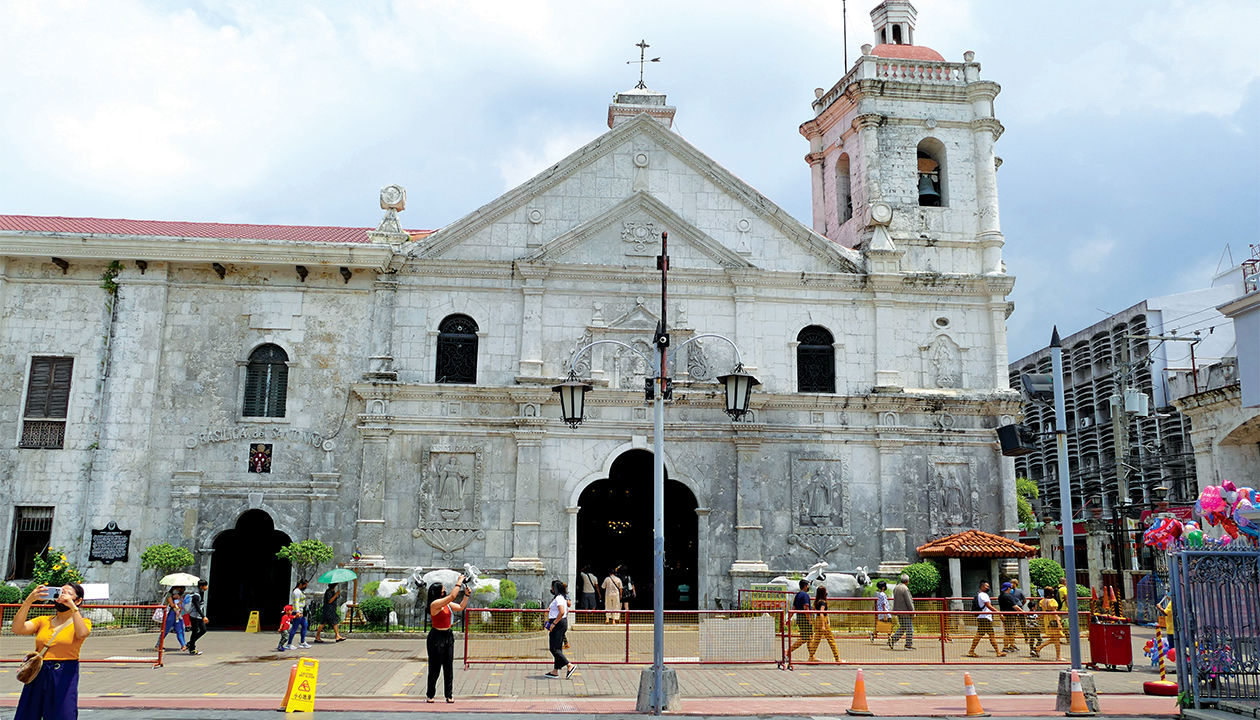
For a small price, the old lady can lift your prayers and intentions up to God, praying at the foot of the very cross that Portuguese explorer Ferdinand Magellan planted more than 500 years ago when his expedition first arrived in the Philippines.
Here at the site of Magellan’s Cross, right beside the Basílica Minore del Santo Niño in downtown Cebu City, the first mass in the Philippines was held and the historic local chieftain, Rajah Humabon, and his household were baptized. Here was where Magellan gifted an image of the Holy Child Jesus, the Santo Niño, to Rajah Humabon’s wife, Reyna Humamay, who, in elation over the gift, broke into a ritual dance of which the movement alludes to the ‘sulog’ or current of the Pahina River and which is hence commemorated in Cebu’s grandest festival, the Sinulog.
This is Cebu City wherein lies the cradle of Philippine Christianity, the Philippines’ Queen City of the South, an economic powerhouse, and epicenter of trade and commerce whose importance and influence is second only to the country’s capital, Manila. Here is a city whose past reaches far back and deep into the country’s colonial history, whose present pulses vigorously to the energetic beat of modern times, and whose future shines with the vision of excelling as a world-class metropolis.

Santo Niño de Cebu
Upon the arrival to the Philippines of a follow-up Spanish expedition led by Miguel López de Legazpi, the mariner Juan Camus found an image of the Santo Niño in a pine box—the very same image of the Holy Child that Magellan gave to Reyna Humamay several decades prior. For centuries, the ancient relic has been enshrined in Cebu, with the Holy Child fervently venerated by locals as their holy patron. Along with Magellan’s Cross, the Santo Niño de Cebu survives as the oldest Christian artifact in the Philippines.
Upon the arrival to the Philippines of a follow-up Spanish expedition led by Miguel López de Legazpi, the mariner Juan Camus found an image of the Santo Niño in a pine box—the very same image of the Holy Child that Magellan gave to Reyna Humamay several decades prior. For centuries, the ancient relic has been enshrined in Cebu, with the Holy Child fervently venerated by locals as their holy patron. Along with Magellan’s Cross, the Santo Niño de Cebu survives as the oldest Christian artifact in the Philippines.
Being the locus of the Philippines’ first encounter with the western world, Cebu holds a truly significant mention in the country’s history. Bearing forth the first Spanish settlement, it is historically regarded as the country’s first capital and considered by many as the oldest city in the Philippines, where many of the country’s oldest historical landmarks—such as the country’s oldest fort, Fort San Pedro; and the country’s oldest street, Colon Street—are found.
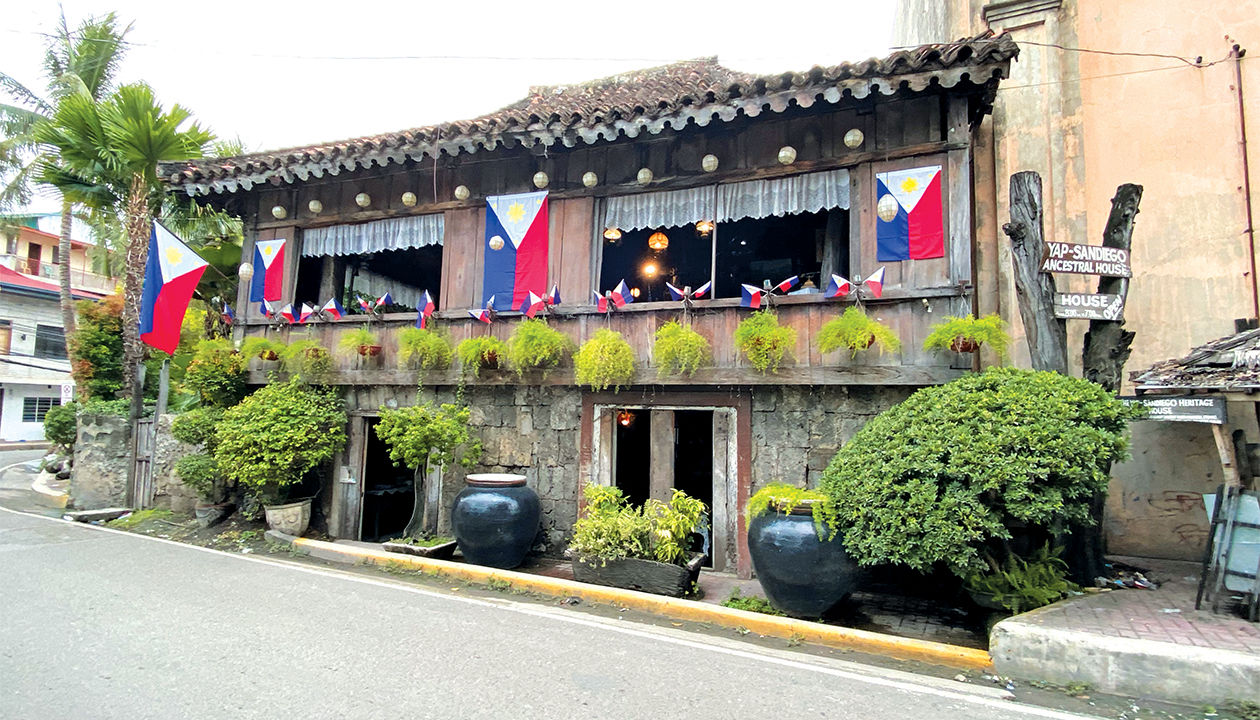
Downtown within the Parian District, not far from the city’s principal historical sites, stands the Yap-San Diego Ancestral House, a living time capsule that seems to teeter in its place with sturdy fragility. Dating back from the 1600s, it provides glimpses into the lifestyle of the Filipino-Chinese community during the Spanish colonial era. With its red-tile ceiling held together by dark, wooden beams, its creaking floorboards and fascinating menagerie of curious antiques, this ancient house built of wood and coral stones in the archetypal Antillean architectural style of Spanish colonial times, bears evident traces and lingering echoes of a bygone period.
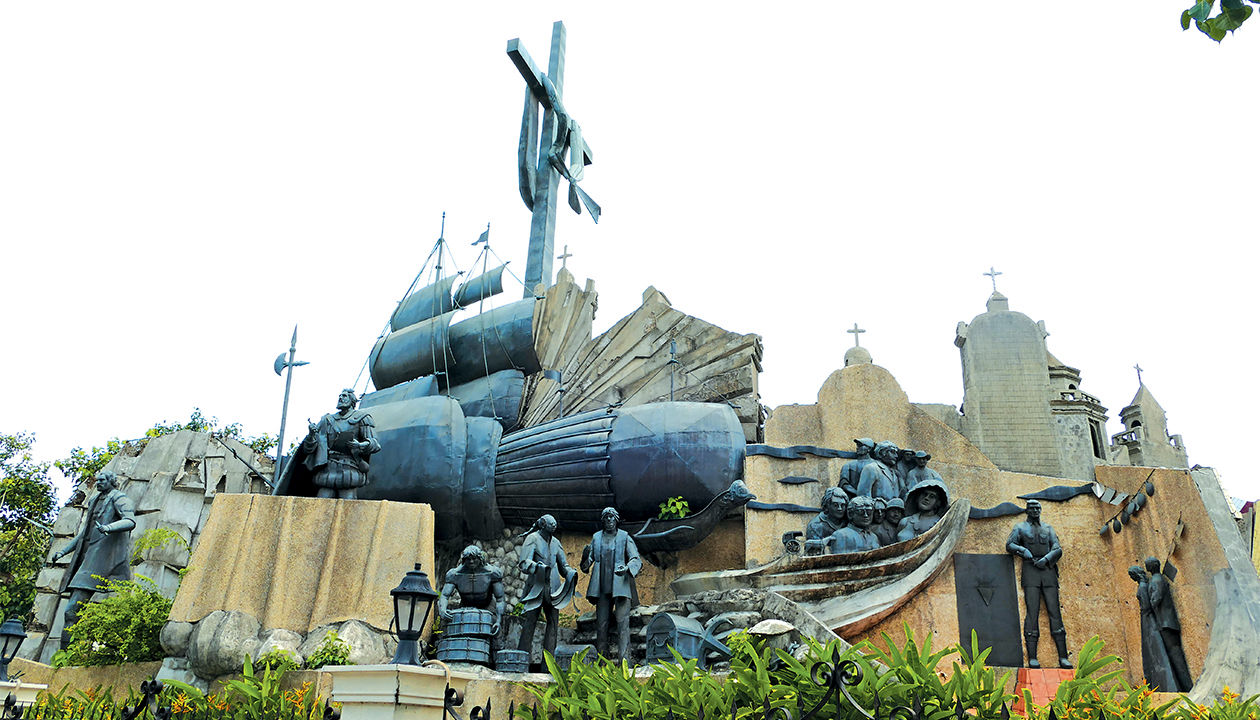
Meanwhile, just a stone’s throw away from the Yap-San Diego Ancestral House is the Heritage of Cebu Monument, a tableau of sculptures made of concrete, bronze, brass, and steel depicting significant and emblematic events in the history of Cebu. Built by Cebuano artist, Eduardo Castrillo, within just three years, from July 1997 until its inauguration in December 2000, and funded in part by the late Senator Marcelo Fernan and by pooled donations from private individuals and organizations, the monument stands as the Cebuanos’ collective commemoration of their culture and history.
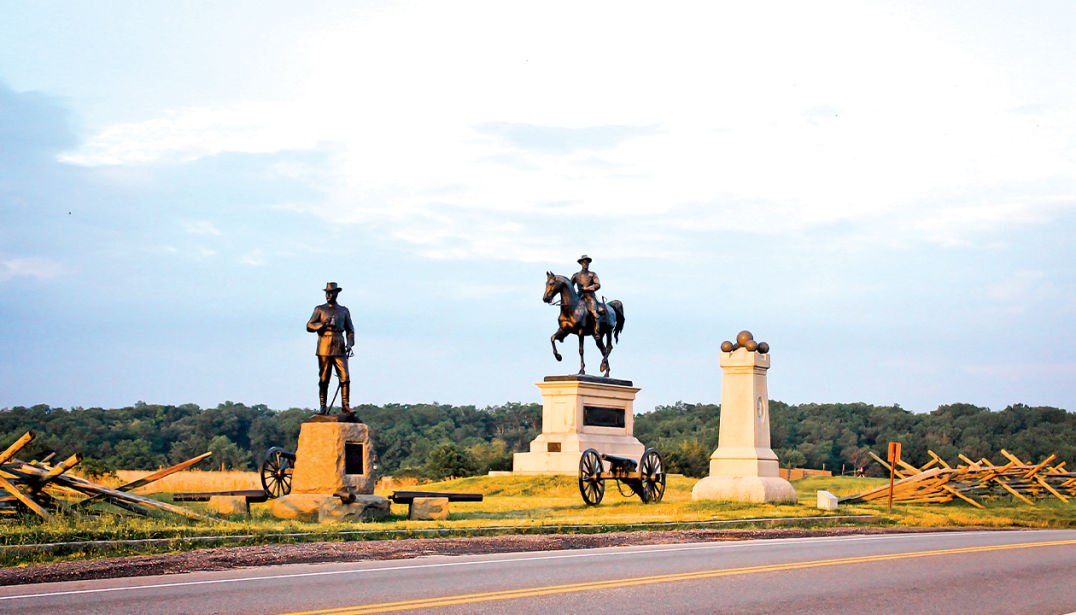

"Cebu City’s past reaches far back and deep into the country’s colonial history, and whose present pulses vigorously to the energetic beat of modern times"
As the capital of the southern Philippines, Cebu is the hub around which the Visayas region revolves. It is the most densely populated island in the Philippines and is second only to Luzon in its strategic and economic importance to the country. Owing to its present significance and influence in the country, Cebu City has come to be popularly referred to as the Queen City of the South—a sobriquet that was actually taken over from Iloilo City after the latter’s economic decline in the mid-1900s.
Looking out my room window at Bai Hotel, one of Metro Cebu’s premiere business hotels, I beheld a commanding view that encompasses the Mandaue business district and spans all the way up to the harbor area. Having previously lived in Cebu for several years, I have come to admire the city for its enthralling vigor and warm spirit. And throughout my numerous visits to this place, I have witnessed its relentless march into ever increasing prosperity and growth.
During our drive along the newly opened Cebu-Cordova Link Expressway, or CCLEX, an 8.9-kilometer toll bridge expressway connecting the municipality of Cordova on nearby Mactan Island to the Cebu City’s South Road Properties area, a newly developed and rapidly burgeoning commercial and lifestyle district built on a 300-hectare island-type reclamation area, my guide commented how the drive from one end of the expressway to the other seems to instantly teleport us from the provincial to the cosmopolitan.
I lightly chuckled and thought to myself how the ride seemed to be a rather fitting allusion to how Cebu rapidly paves its way and drives itself towards modern progress. And as I looked out over the waters of the Mactan Strait over which we were passing and straight onto Cebu City’s skyline bristling with newly rising buildings, I delightfully quivered at the enthrallment of a city moving headlong into the future.

Drag & Drop Website Builder