Mt. Apo: The Majestic Crown of Davao Region

Davao has long been known for Mt. Apo, the Philippine eagle, durian, pomelo, and mangosteen, but it is beginning to be known for its cacao farming, indigenous Bagobo culture, and thrilling nature adventures as well.

Nestled in the heart of Southern Mindanao, Mt. Apo is the highest peak in the Philippines and a revered natural wonder that attracts adventurers, nature lovers, and culture enthusiasts alike. Standing at an impressive 9,692 feet above sea level, this dormant stratovolcano boasts rich biodiversity and stunning landscapes, on top of having cultural significance.

Mt. Apo is part of the Mt. Apo Natural Park, which spans around 65,900 hectares and is home to a remarkable array of endemic flora and fauna. The park is recognized for its diverse ecosystems, including mossy forests, grasslands, and volcanic terrain. It is a sanctuary for various endemic species, including our national bird, the Philippine eagle, one of the world’s largest and most critically endangered birds. The park’s exotic wildlife, lush vegetation, and breathtaking scenery make it a prime destination for eco-tourism and nature photography. 

Mobirise Website Builder

Trekking to the Summit

The trek to the summit of Mt. Apo is a popular adventure for both beginners and seasoned hikers. Several established trails, each offering its own challenges and scenic views, are available. The most frequented routes are the Sta. Cruz, Kapatagan (Digos City), and Bansalan trails.

Hikers can expect a journey filled with breathtaking landscapes, from dense forests to rocky terrains and stunning panoramic views of the surrounding provinces. As one ascends, the temperature drops and the landscape transforms, revealing spectacular views of neighboring mountains, valleys, and the vast expanse of Davao del Sur, Davao City, and Davao Gulf. 

Cultural Significance

Beyond its natural beauty, Mt. Apo holds significant cultural value for the indigenous peoples of Mindanao, particularly the Bagobo Tagabawa tribes. These tribes consider the mountain sacred, intertwining with their spiritual beliefs with its towering presence. Local folklore and traditions are deeply rooted in the land, and the mountain is often featured in their fables and legends, symbolizing strength and resilience.

Visitors are encouraged to respect the cultural heritage of the indigenous communities and to participate in local initiatives that promote sustainable tourism and conservation efforts. 

Conservation Efforts

As awareness of environmental issues grows, so does the importance of protecting Mt. Apo and its surrounding ecosystems. Conservation initiatives focus on preserving the natural environment while promoting responsible tourism. Efforts are being made to combat illegal logging, poaching, and other activities that threaten the delicate balance of the park’s ecosystems. Local government units, non-government organizations, and community groups are actively involved in raising awareness about the importance of conservation, ensuring that future generations can enjoy the natural beauty and cultural heritage of Mt. Apo.

Indeed, Mt. Apo is more than just a mountain; it is a symbol of nature’s grandeur and the cultural richness of the Philippines. Whether you are a thrill-seeker eager to conquer its heights, a nature enthusiast wanting to explore its diverse ecosystems, or someone looking to connect with the indigenous culture, Mt. Apo offers an unforgettable experience. We should, therefore, treasure and protect this magnificent landmark so that its beauty and value stand to be sustained for future generations. 

Mobirise Website Builder

Davao's Cacao Industry: A Sweet Success Story

Davao Region is renowned for its rich agricultural landscape and diverse flora. Among its many agricultural products, cacao stands out as a burgeoning industry that has garnered attention both locally and internationally. The region's ideal climate and fertile soil make it an optimal environment for cacao cultivation, leading to a renewed interest in cacao farming and chocolate production.

The Rise of Cacao Farming in Davao

Historically, cacao farming in the Philippines has faced numerous challenges, including pests, diseases, and a lack of knowledge about best farming practices. However, in recent years, Davao has emerged as a key player in the cacao industry, particularly due to the efforts of local farmers and organizations focused on sustainable practices and quality improvement.

Ideal Conditions

Davao's climate is characterized by consistent rainfall, warm temperatures, and rich volcanic soil, all of which are conducive to high-quality cacao production. The region produces several cacao varieties, including Criollo, Forastero, and Trinitario, each contributing unique flavors and characteristics to the final chocolate products.

Farmer Empowerment and Training

Local government initiatives, non-profit organizations, and cooperatives have significantly empowered cacao farmers through training programs that focus on sustainable agricultural practices, post-harvest processing, and quality control. These programs have not only improved yield but also enhanced the quality of cacao beans, allowing farmers to compete in the global market.

Chocolate Boom and Global Recognition

The growing interest in artisanal and craft chocolates has opened new avenues for Davao's cacao industry. Local chocolatiers and businesses have begun to produce high-quality chocolate bars and confections, showcasing the distinct flavors of Davao cacao. Moreover, Davao cacao has gained recognition in international competitions, earning awards for its distinctive taste and quality. This acclaim has elevated the region’s profile in the global chocolate market, attracting attention from foreign investors and chocolate makers. This also prompted the national government to declare Davao City as the Chocolate Capital of the Philippines while the whole Davao Region as the Cacao Capital in 2021 through Republic Act No. 11547.

Sustainable Practices

Sustainability is at the heart of Davao's cacao industry. Many farmers are adopting organic farming practices and agroforestry systems, which promote biodiversity and help combat climate change. By cultivating cacao with other crops, farmers can create a more resilient agricultural ecosystem, ensuring long-term sustainability.

The cacao industry in Davao is a testament to the resilience and innovation of its farmers. With the right support and commitment to sustainable practices, Davao has the potential to become a leading player in the global cacao market. As the region continues cultivating high-quality cacao, it not only enhances the local economy but also enriches the global chocolate industry with its rich and earthy flavors. The sweet success of Davao’s cacao sector is just beginning, promising a bright future for farmers and chocolate lovers alike.

Mobirise Website Builder

Davao Adventure Challenge: Exploring the Best of Davao's Natural Wonders

The Davao Adventure Challenge, a program organized and launched by the Department of Tourism XI in April 2024, has quickly become a highlight on the adventure tourism calendar in the Philippines. This event invites thrill-seekers to explore the stunning landscapes, rich culture, and diverse ecosystems of the Davao Region, all while promoting sustainable eco-tourism and community engagement.

The Davao Adventure Challenge is designed to showcase the breathtaking natural beauty of the region, which boasts towering mountains, pristine beaches, and lush forests. Participants engage in various activities such as trekking, white-water rafting, and diving, allowing them to immerse themselves in the stunning surroundings. The event provides adrenaline-pumping experiences and emphasizes the importance of preserving these natural wonders for future generations.

The challenges include outdoor activities across the region, catering to different skill levels and interests. For each accomplished challenge, participants earn points, which, when gathered, will allow them to receive exciting rewards.

Beyond the physical challenges and prizes, participants can also interact with local communities, taste traditional cuisine, and learn about indigenous practices, fostering a deeper understanding of the region. This engagement also helps stimulate the local economy and encourages community pride in preserving their heritage and environment.

With sustainable tourism as the core mission of the program, the DOT XI and its partner local government units incorporate eco-friendly practices throughout the year-long program, such as minimizing waste and supporting local conservation efforts.

The Davao Adventure Challenge truly exemplifies the spirit of adventure and the beauty of nature that Davao has to offer. By combining thrilling outdoor activities with cultural and environmental awareness, the event captivates adventure enthusiasts and promotes sustainable tourism practices that benefit the local communities. 

Davao Fruits: A Fruit Lover's Paradise

Davao City, located on the southern island of Mindanao in the Philippines, is not only known for its rich cultural heritage and stunning landscapes but also for its diverse and bountiful array of tropical fruits. The region’s fertile soil, favorable climate, and dedication to agriculture make it one of the country’s prime sources of delicious and exotic fruits. Here’s a closer look at some of the fruits that stand out in the city:

Mobirise Website Builder

Durian: The King of Fruits

Always check the care label attached to your clothing for specific washing instructions. The care label provides valuable information on fabric composition and recommended washing methods.

Mangosteen: The Queen of Fruits

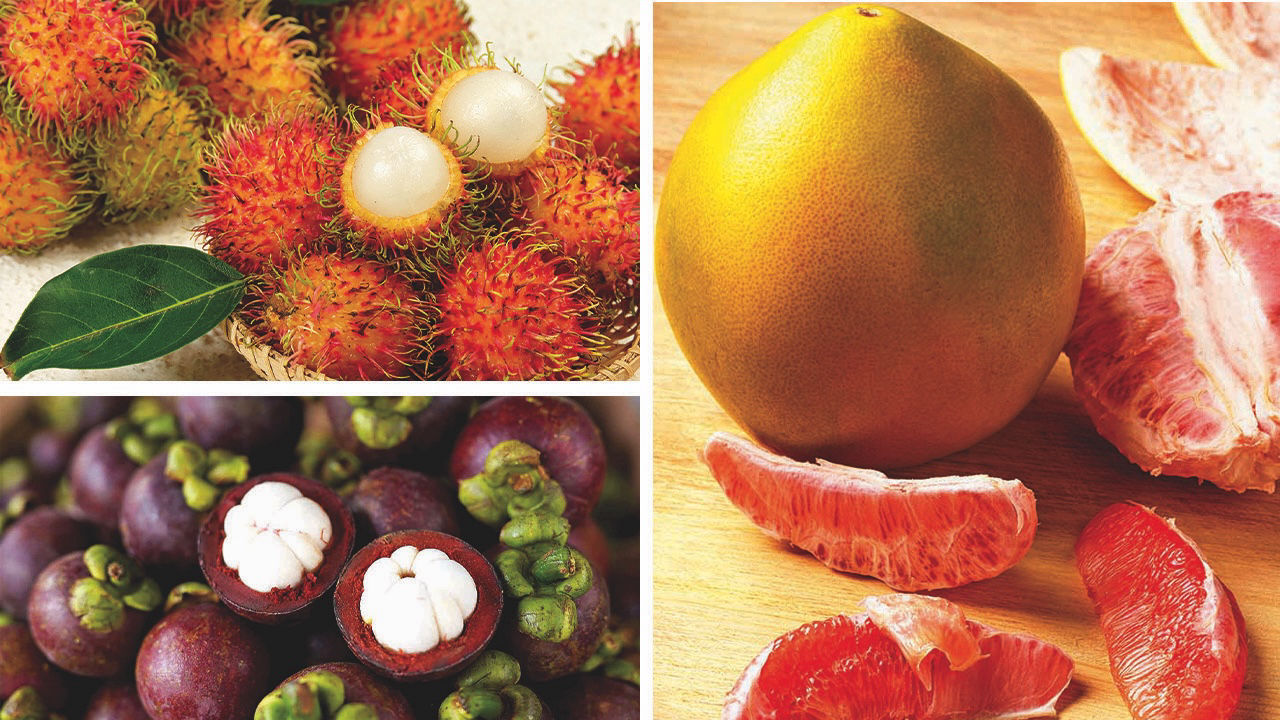
Contrasting durian in both flavor and smell is the mangosteen. This small, round fruit has a thick purple rind and juicy, white flesh inside. Its sweet and slightly tart taste makes it a favorite among locals and tourists alike. Mangosteen is often available from June to September, and its health benefits, such as being rich in antioxidants, add to its appeal.

Rambutan: A Hairy Delight

Another tropical gem found in Davao is the rambutan. This fruit is easily recognizable by its red hairy exterior. Once peeled, rambutan reveals a juicy, translucent flesh that is sweet and slightly acidic. The fruit is often enjoyed fresh or used in desserts and salads. Davao’s tropical climate provides ideal conditions for rambutan cultivation, making it readily available in local markets and fruit stalls.

Pomelo: The Citrus Giant

Check the care label for drying instructions. Some items are suitable for air drying, while others can be tumble dried on low or medium heat. Avoid high heat settings as they may cause shrinkage or damage.

Banana: A Daily Staple and Global Export

While bananas are common throughout the tropics, Davao’s variety, particularly the Cavendish variety, stands out. Banana is a staple in every household, often consumed as snacks, desserts, or mixed in savory and sweet dishes. Davao is a significant producer of bananas for both local consumption and export, with plantations spread across the region.

Overall, Davao City is truly a fruit lover’s paradise, offering flavors that highlight the Philippines' tropical agricultural abundance. From the bold and rich durian to the sweet and refreshing mangosteen, the fruits of Davao are not just delicious treats but also an integral part of the local culture and economy.

Exploring Davao’s fruit offerings is truly a delightful experience that showcases the best of what this vibrant city has to offer. Whether you’re sampling fresh fruits at a market or enjoying them in a dish, the flavors of Davao are sure to leave a lasting impression 

Mobirise Website Builder

Discover More: 

Browse Our Archive for a Journey Through Time 

Savoring the Flavors of Davao and Samal: Where Nature and Culture Unite

Subscribe to us

Exclusive offers in your inbox

Drag & Drop Website Builder