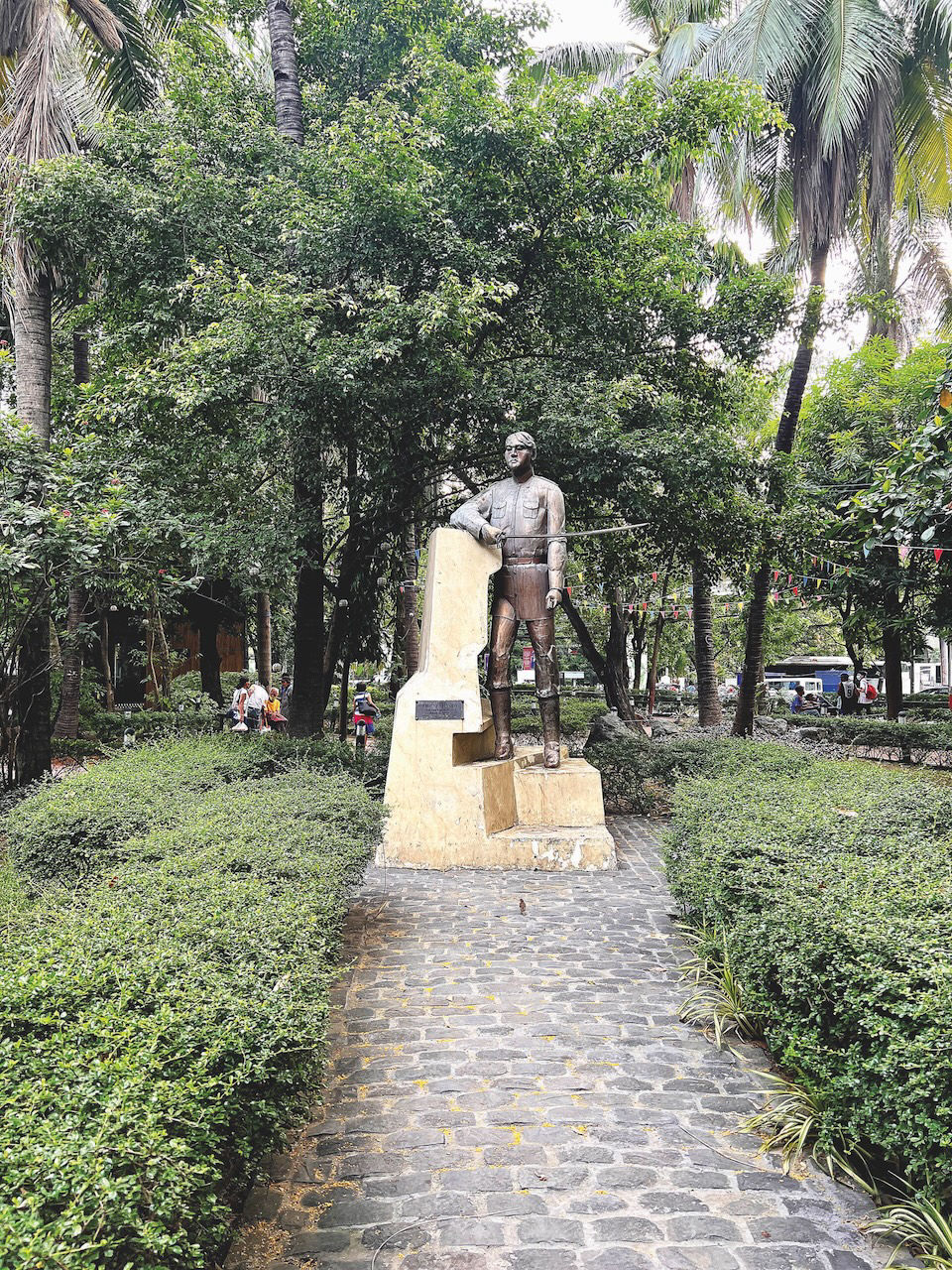
A statue of Emilio Jacinto near Manila City Hall
When I think of Manila, I think of the corners of Taft Avenue and Pablo Ocampo Street where I had spent more than a decade waiting for the pedestrian light to turn green to cross the pock-marked asphalt.
I also think of a small harbor adjacent to Roxas Boulevard lined with shops, a place I used to frequent at late hours whenever I needed to take a breather during those humid evenings in the early days of June.
This is a fraction of the Manila I know and, at certain times, hold close dearly. Despite the cloak of indifference surrounding this city, it has become my sanctuary, harboring secrets of my own.
Years ago, my anthropology professor, Dr. Fernando N. Zialcita, asked me about the gymnastics I go through in my commute from Taft Avenue to Katipunan Avenue daily. I remember we were walking towards College Lane when he posed the question, genuinely curious about the state of transportation in the metro.
A statue of Emilio Jacinto near Manila City Hall
I told him I take the LRT-1 and LRT-2 trains and walk to the campus, a good hour or so journey even during rush hour.
“Do you know you live near what was supposed to be the civic center of Manila?” he asked out of the blue.
“No,” I said.
“Well, that area of Luneta Park and the nearby Intramuros was developed to be the civic center” he replied. “But it never happened.”
He went on to say that the men who inherited the city and were supposed to take care of it wasted their time and money in Manila’s best-kept brothels even after the war.
“It’s a shame, really,” he sighed.
The Manila I know has certainly been an object of this shame and a subject of neglect. But as someone who has spent a considerable amount of time in the fringes of Malate, I have become a witness to how the city has shed its skin through the years, transforming from one recognizable place to another.
And amidst the noise and grit of the capital, there is reason to believe that the soul of the city is still best felt at the very center, what is known to be the old town and its historical environs.

People strolling along the renovated promenade of Manila Bay.
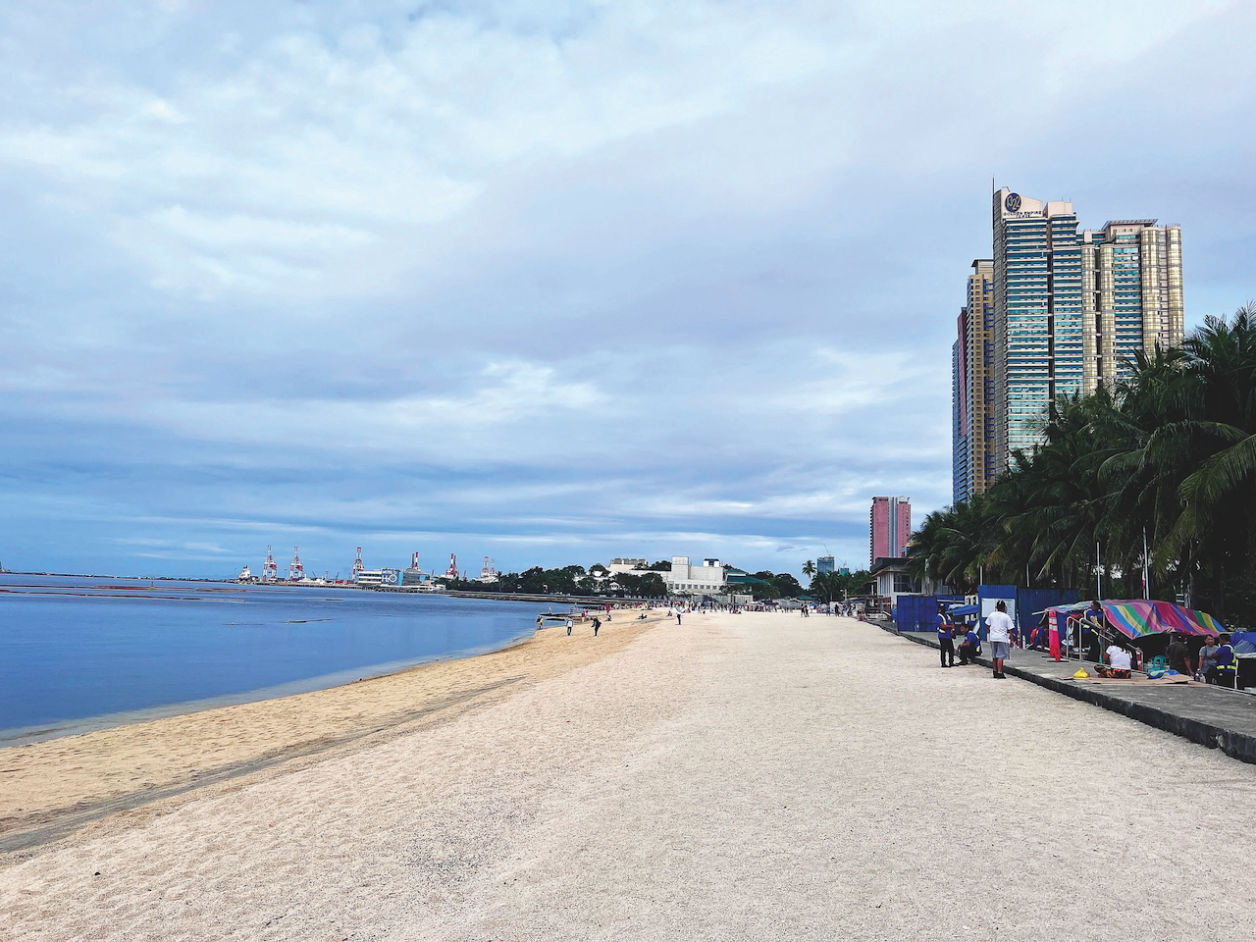
The Manila Dolomite Beach draws curious individuals throughout the day.
Manila, the capital of the Philippines, is a city teeming with centuries of colonization and revolution. Established in 1571 by Spanish conquistadors, Manila was the seat of colonial power in Asia, the walled district of Intramuros symbolizing the Spanish regime.
Manila has experienced invasion, destruction, and rebirth in the last century, following the landing of the American forces in the latter half of the 19th century, to the carnage of World War II to its eventual reformation into what it is today.
Luneta Park, or as more locals like to call it, Rizal Park, stretches its expanse of green under the morning sunlight. The propped-up statue of the national hero, Dr. José Rizal, still keeps holding high the ideals of what it meant to be a Filipino in dark and colonial times. Now, as I walk across the monument, it is indeed time when children are running around it, laughing and playing with each other in blissful innocence.
Within the grounds of the Park is the National Museum Complex, a cluster of the main museums of the National Museum of the Philippines. The National Museum of Fine Arts located along Padre Burgos Avenue takes visitors to a world of color, emotion, and history. In one of its beautiful halls is Juan Luna’s “Spoliarium,” the painting that, because of its size and intensive imagery drawn upon it, pulls you into a world of the Roman gladiators but gives room for the spirit of the Filipino soul, portraying the struggle for freedom.
Following it is the National Museum of Anthropology, another repository that warehouses the riches of the archipelago’s cultures: tribal costumes, ceremonial items, and ancient artifacts from the country’s indigenous groups. Every exhibit is a glimpse into the rich variety of cultures beyond the colonial history that takes a significant piece of the narrative.
A sleek and modern piece of architecture, meanwhile, stands tall in the National Museum of Natural History, located along the Agrifina Circle. It bears witness to the country’s rich biodiversity. Under the canopy of the Tree of Life, one can gawk at the wonders of Philippine wildlife and ecosystems.
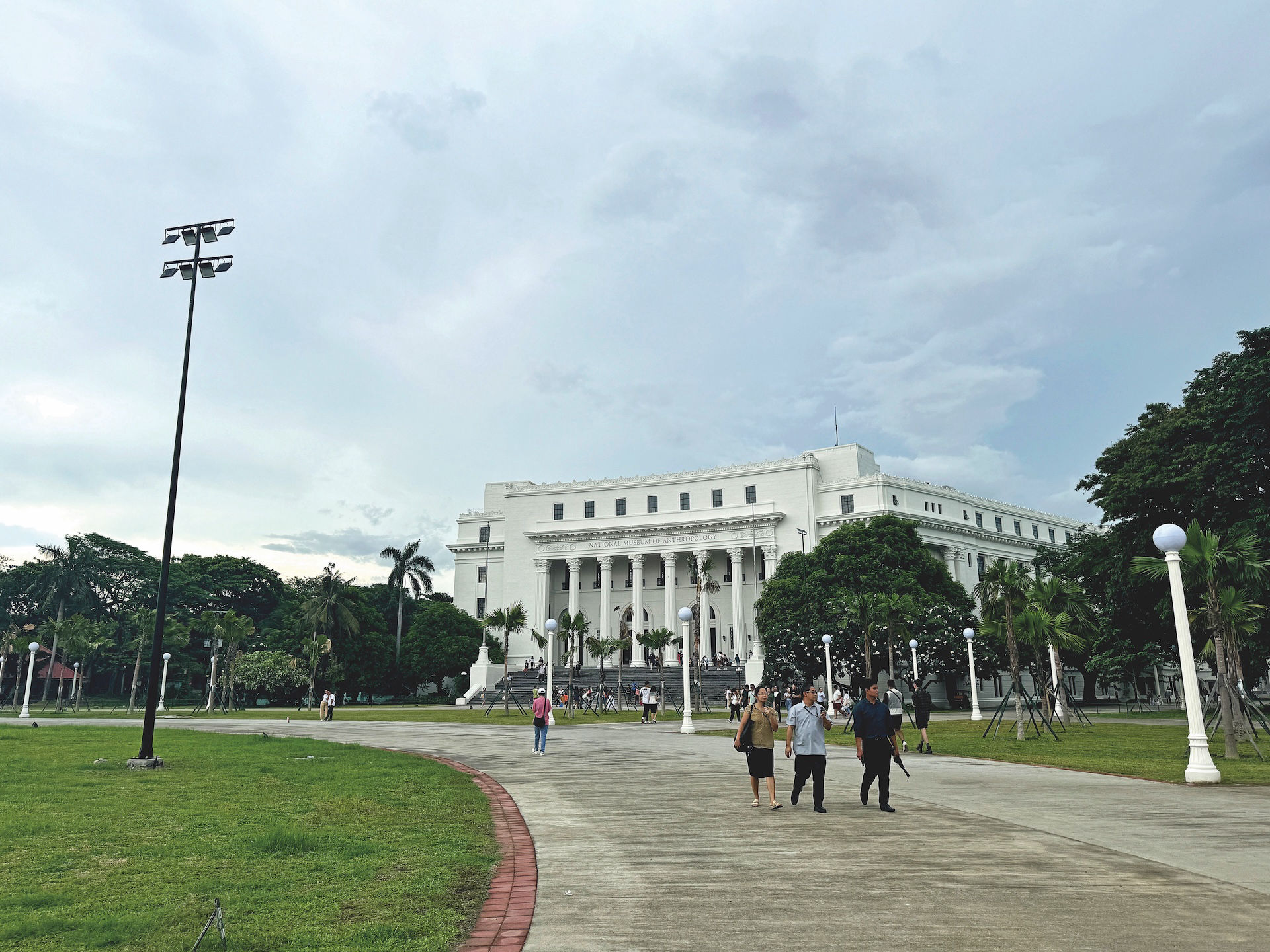
The facade of the National Museum of Anthropology as seen from the newly renovated south portion of Rizal Park
Outside the park, I walk to the main road where the traffic is slowly building up. Roxas Boulevard, which runs outside Intramuros for kilometers, is a stretch of road by Manila Bay. It offers a magnificent view of the sunset with mixes of orange and pink hues turning into purple colors in the sky sinking the sun into the sea.
Gone are the days when Roxas Boulevard was lined by towering coconut trees that were filled with promenaders. Today, Roxas Boulevard remains an icon of Manila’s glory days. Couples stroll holding hands, vendors sell cotton candy and balloons, and the cycle riders ride by on the path, all against the sound of waves lapping against the shore.
On the southern side of the boulevard is Dolomite Beach, the artificial shoreline to some eyes and a very controversial yet in-demand newcomer. White sand made out of crushed dolomite was imported to make some semblance of a tropical paradise right in the middle of the city. Elsewhere here, families flock during the weekends, children play on the sand, and teenagers with selfies angle their arms to frame the Manila Bay sunset from behind.
On the other side of the park is a hidden oasis amidst the bustling Ermita district—the Arroceros Urban Forest Park. Colloquially known as the “Last Lung of Manila,” it sits by the Pasig River. Stepping into the park is truly a new experience, with tall trees providing shades and fresher air—an earthy and leafy smell. Birds chirp all around, a rare encounter in Manila.
I strain my ears and let go of the cacophony of the city. For a moment, I forget that the beat in the heart of this city isn’t found only in the aging environs, but in the stillness of places like this where one can feel how nature reclaims her minimal space.
Fronting the forest park is the Manila Metropolitan Theatre in Plaza Lawton. Its Art Deco facade once had grand opera and zarzuelas, as well as plays, to entertain Manila’s high society during the pre-war years. Fondly called the “MET,” the theatre was restored in 2020 and has been hosting shows for the public recently. It is a building that refuses to blend in with the rest of the city, its carvings and sculptures-filled walls thrive on the arts and the pursuit of timelessness.
And then there’s the Manila Central Post Office that lies at the northern end of Liwasang Bonifacio. This behemoth sits proudly along the Pasig River in neoclassical fashion. Hit by a fire in 2023, its massive columns, symmetrical design, and timeless elegance still call to mind an era when letters and telegrams were the lifeblood of communication. Along the banks of the Pasig River, the historical building sits idly as it is being restored, ready to be repurposed into a tourist site in the near future.
When I think of a place to bring friends who are strangers to Manila, I think of Intramuros and its cobblestone streets, the battlements, the friars, the soldiers, and the merchants who had once walked the same pathways in the past. The moss and vines overhanging on the high walls are here. They meant to tell stories of galleons anchoring in the port, the native population compelled to convert to Christianity, and the building and takedown of the Spanish empire.
Truly, everything culminates at Fort Santiago, the pulsating core of Spanish colonial military power. A once-strong fortress stands today as a solemn reminder of so many lost lives within its walls. The most poignant of all is the prison cell of José Rizal, where he spent his last days.
Intramuros has just a short stroll leading to the magnificent San Agustin Church, the oldest stone church in the country. A survivor of wars and earthquakes, its stone façade must have stood the test of time. Wonders abound in this work of artistry: a masterly paintwork on the baroque ceiling that creates the illusion of three-dimensional carvings.
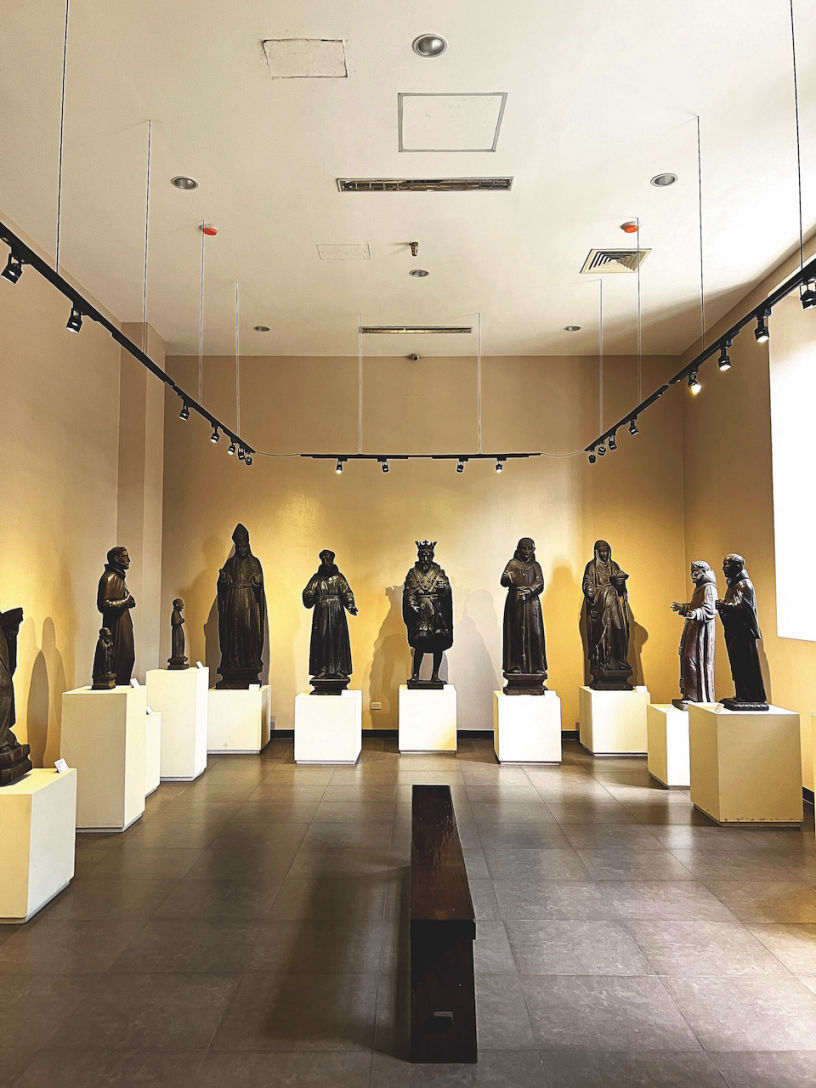
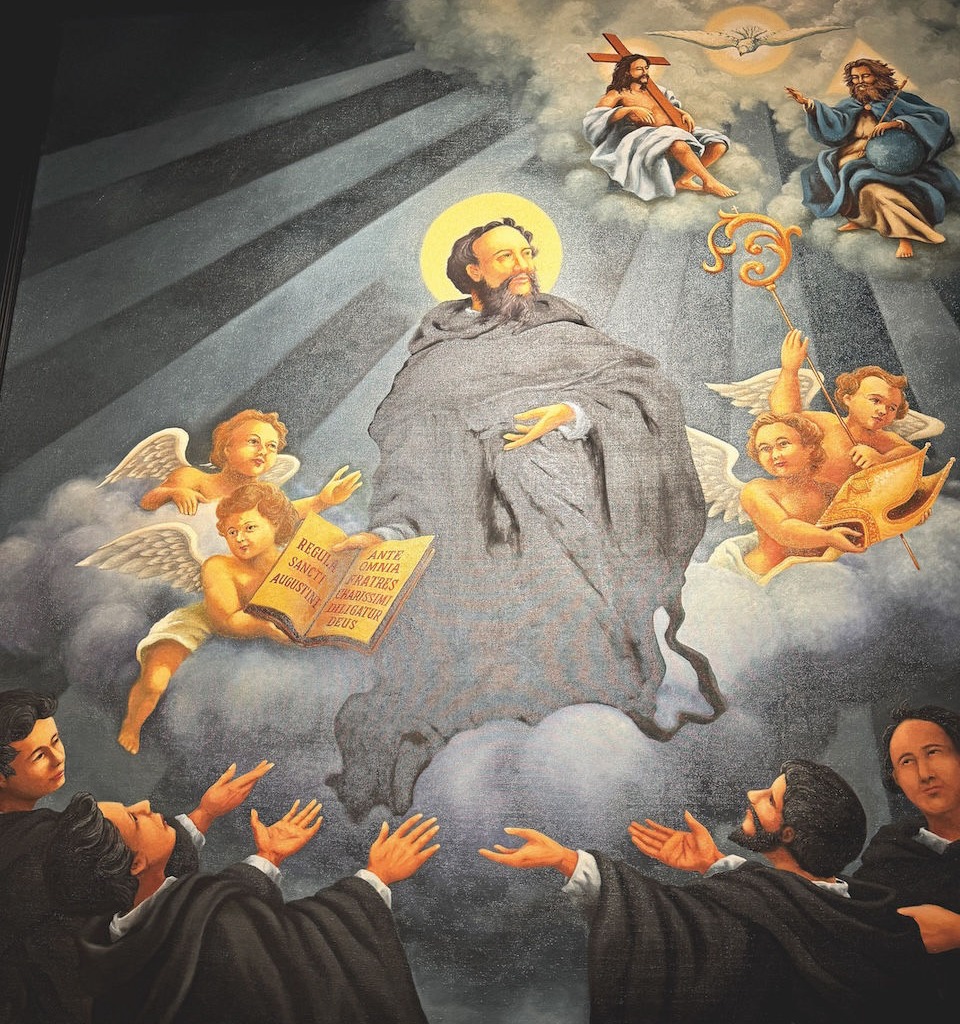
Next door is the Museo de San Agustin which holds religious artifacts, paintings, and manuscripts about Manila under Spanish rule. One can almost hear the friars and the murmured prayers of those who came seeking solace within these walls through dimly lit corridors full of aged scents of wood, thick with history.
I usually end up before the day winds down inside Manila Cathedral, the seat of the Archdiocese of Manila. It stands in the middle of Intramuros, its massive doors welcoming churchgoers and tourists alike.
And so, sitting on a pew, I listen to an organ behind me and whisper a sort of litany for the city. More than being the place of worship, it symbolizes, too the strength that Manila has for itself. Destroyed and built new several times, like the city itself, the cathedral does not yield to defeat.
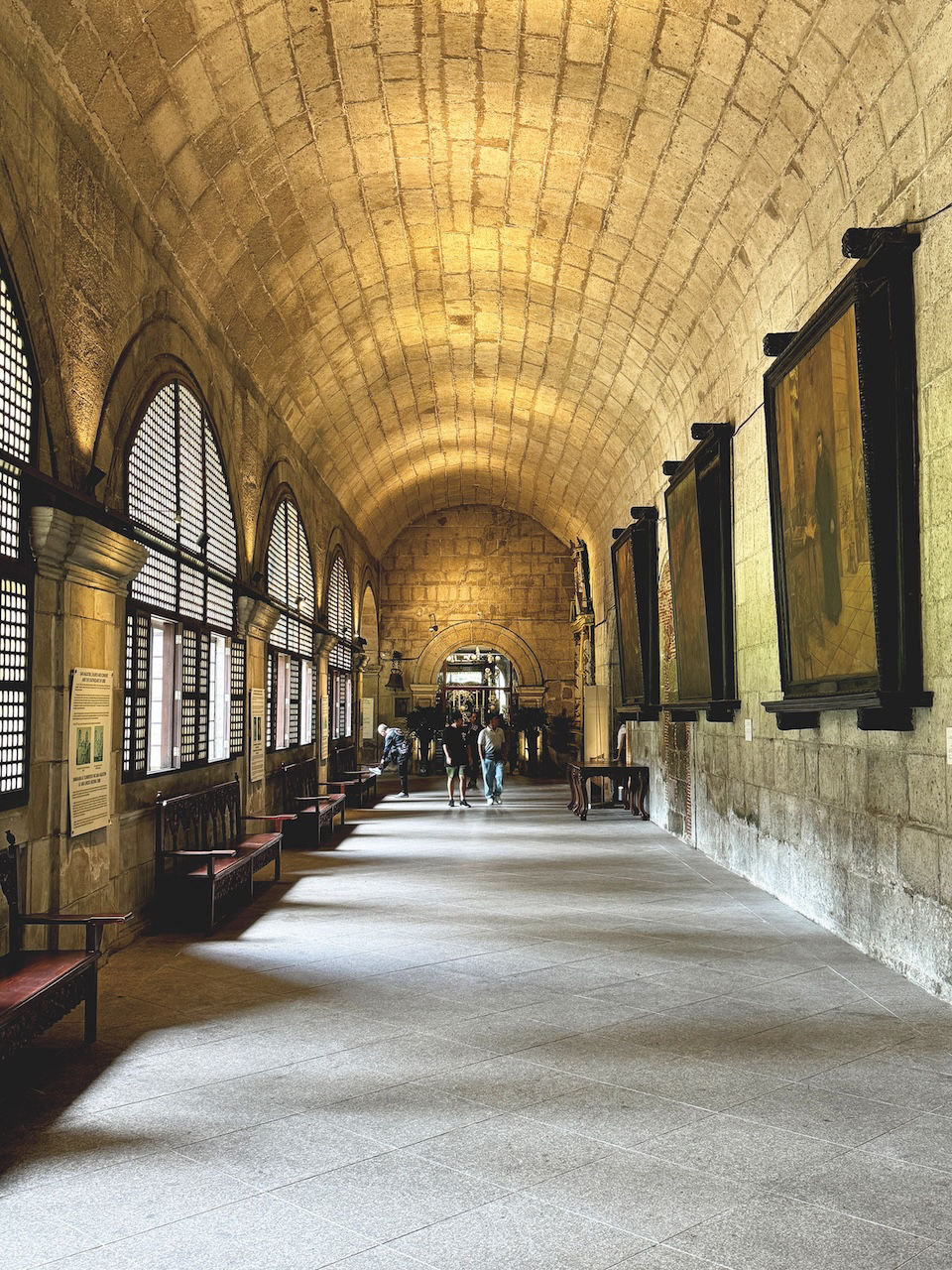
Housed within the walls of San Agustin Church.
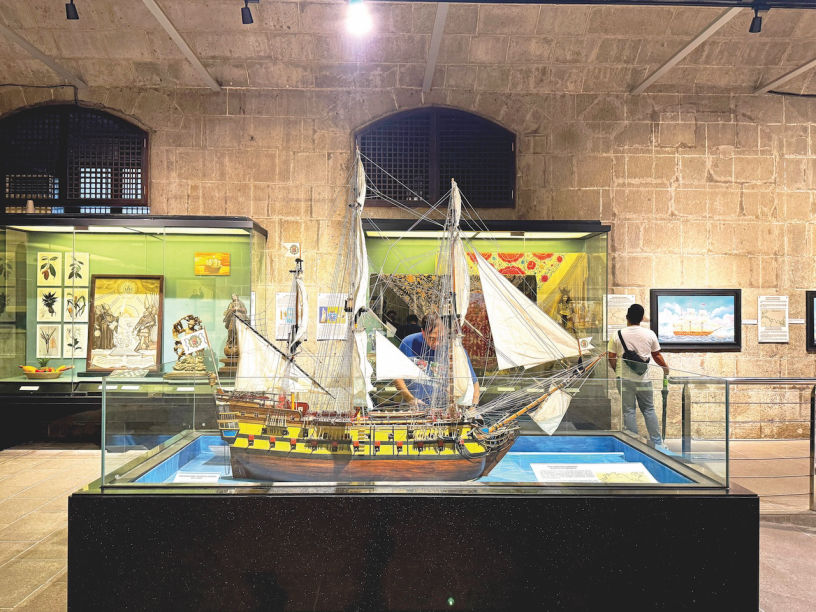
The San Agustin Museum offers a glimpse into the rich cultural and religious history of the Philippines.
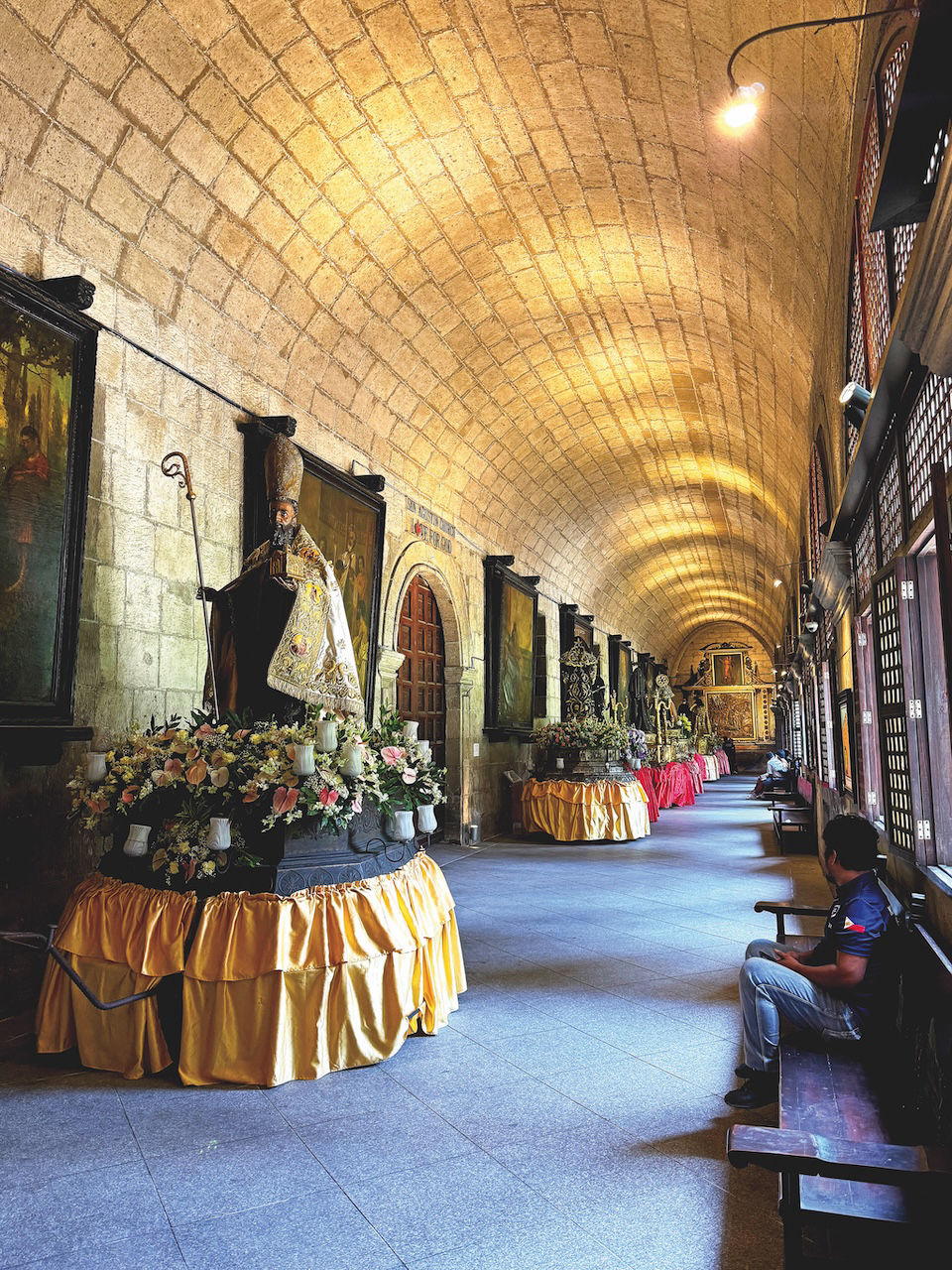
Relics, artifacts, and stunning artwork from the Spanish colonial period
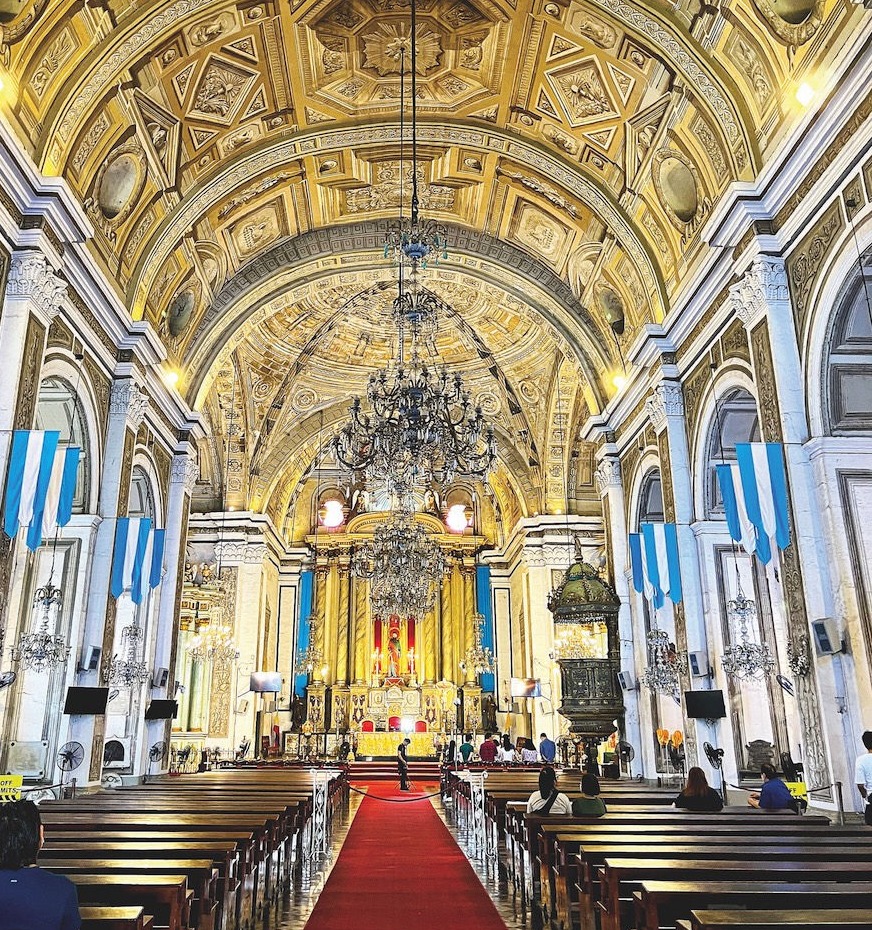
The Manila Cathedral
The day is coming to an end. I exit Intramuros and walk along the Pasig River Esplanade and the skyline of the Binondo District. Once an artery of trade and life, the Pasig River has been a witness to the rise and fall of the fortunes of the city.
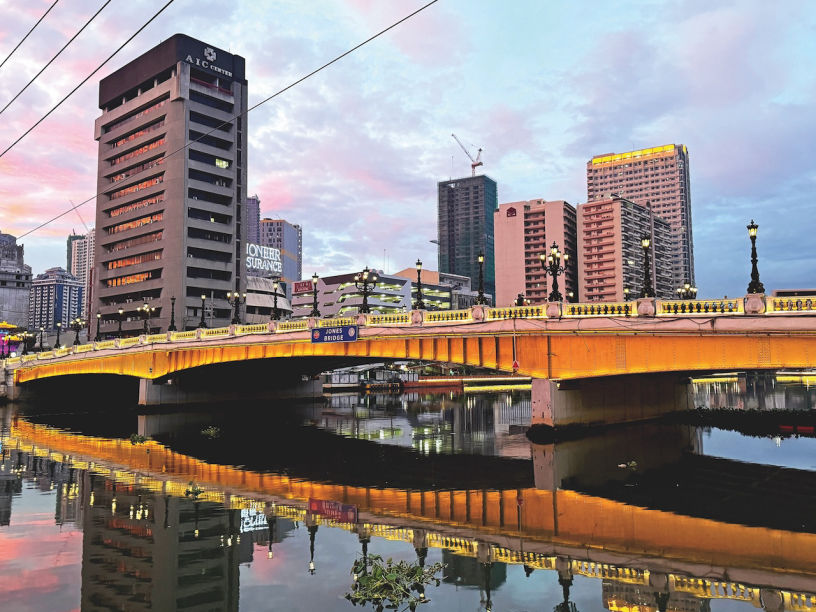
For years, it became the symbol of decay, a forgotten stretch of water choked by pollution. But can that which is so intertwined with Manila’s history be left to wither? The bold answer to this problem is a project that attempts to breathe new life into the abandoned waters of the river. As I walk by its banks, the promenade comes alive, filled with walkers, joggers, and families savoring the sight of dazzling fountain lights and the nearby Jones Bridge and the Binondo-Intramuros Bridge.
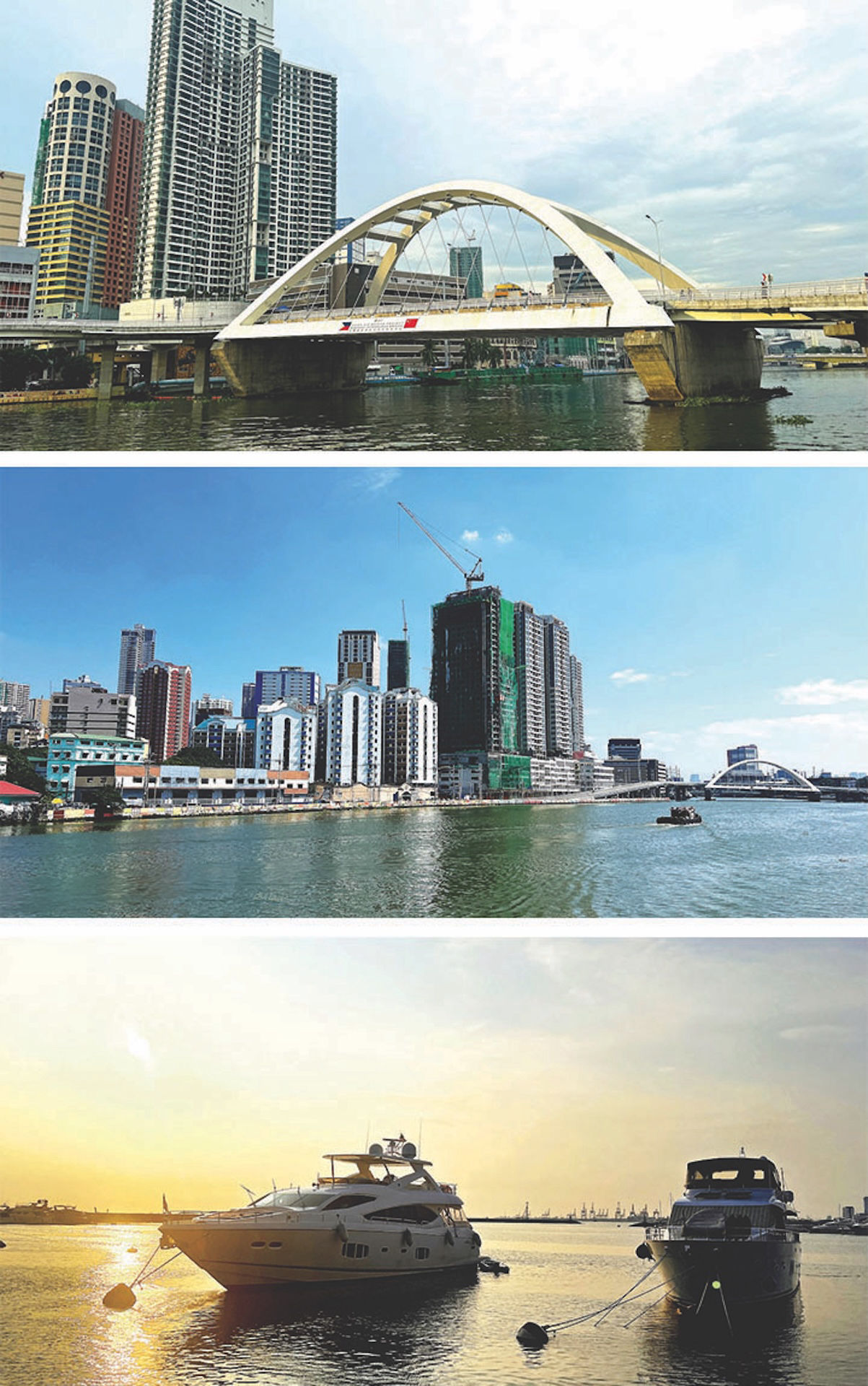
Top to bottom photo: The Binondo-Intramuros Bridge connecting the Muelle de Binondo in Binondo and San Nicolas to Solona Street, and Riverside Drive in Intramuros. The skyline of Binondo as seen from Riverside Drive in Intramuros. Yachts docking at Manila Bay..
The sun casts a pink hue over the sky, reflecting the high-rise buildings of Binondo on the surface of the water. I walk the entire stretch of the esplanade. For a fleeting moment, I imagine what the river must have looked like in Manila’s golden days when merchant ships glided across these waters.
Will the river once again return to what it once was, or will it remain a constant reminder of the loss that has been perpetuated? The Esplanade dares to dream of a future where Manila and its river are restored not just in memory.
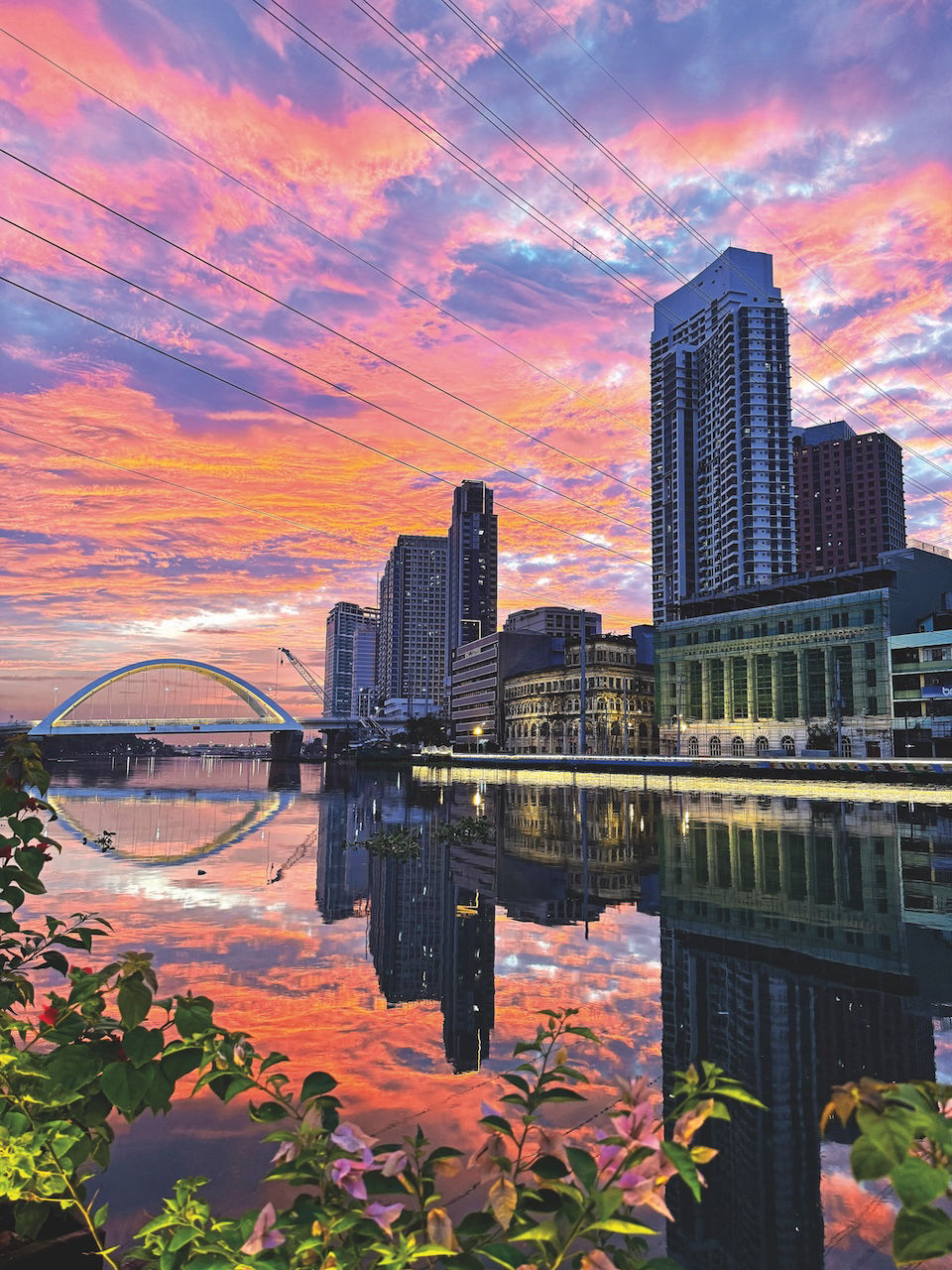
The busy Binondo skyline at sunset as seen from the Pasig River Esplanade.
When I think of Manila, I think of the weather, the malfunctioning bathroom in a government office, and the street I walk on after coming from Roxas Boulevard in the evening.
After all, what is a city but the sum of its memory and its momentum? Manila becomes a memory, one that is palpable, pressing in from every side like the next bagyo on the horizon. But momentum insists; it surges like the tides of Manila Bay, pulling you along into a future that is as uncertain as it is inescapable.
In Manila’s busiest places, I realize I am just a person living one day at a time. Yet in its old town, I feel I am what I have always been: a Filipino who is distressed yet hopeful, one who is entrenched in nostalgia that resides not only in the body but also in Manila’s dim streets, waiting to be felt and found.

The Manila skyline at night as seen from Harbor Square.

Mobirise.com