By G.D. Cruz
Back in December 2022, asianTraveler took part in an adventure to the far east filled with many new experiences and many more moments of firsts. Ours was a return to Japan that wasn’t simply revisiting breathtaking locales or enjoying delicious Japanese food but was also a tour that put a focus on the country’s history and craft.
Thanks to the sponsorship of the Japan National Tourism Organization (JNTO), we enjoyed a trip that took us through Nagoya, Gifu, Toyama, and Kanazawa, historical destinations ripe with charming, cultural experiences and picturesque vistas that are full of stories worth writing about.
Today, however, we place our focus on a city in Gifu Prefecture called Mino, a town full of wooden buildings built during Japan’s Edo and Meiji eras that had become well-known for their traditional Japanese folk craft of washi paper making.
Nipponia Mino
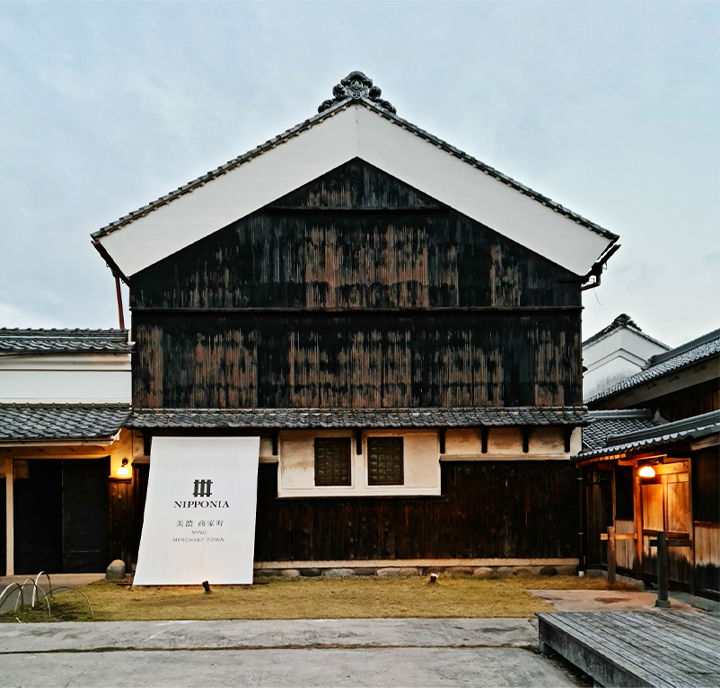
It was almost sundown by the time we left Nagoya on our first day of the trip and took that hour-long drive to Gifu Prefecture and into the city of Mino where our first night’s lodging was located. We arrived at the Udatsu Historical District under the cover of darkness so I didn’t get to see the town’s famous sights until the next morning. But the Nipponia Mino where we would be staying was pretty much the cultural immersion I’d been hoping for.
A large, old house and its four storehouses had been renovated into a luxury hotel that retained much of its precious Japanese architecture, including an iron vault door that served as an entrance for one of the guest rooms.
During the tour of Nipponia Mino’s facilities, one of our two hosts, Takiue-San, shared some of the hotel’s history with us; from the varied architectural quirks of each guest room to the story of Saijiro Matsuhisa, a prominent merchant of traditional Japanese paper called washi whose family originally owned the property that is now public land being rented by the Nipponia brand.
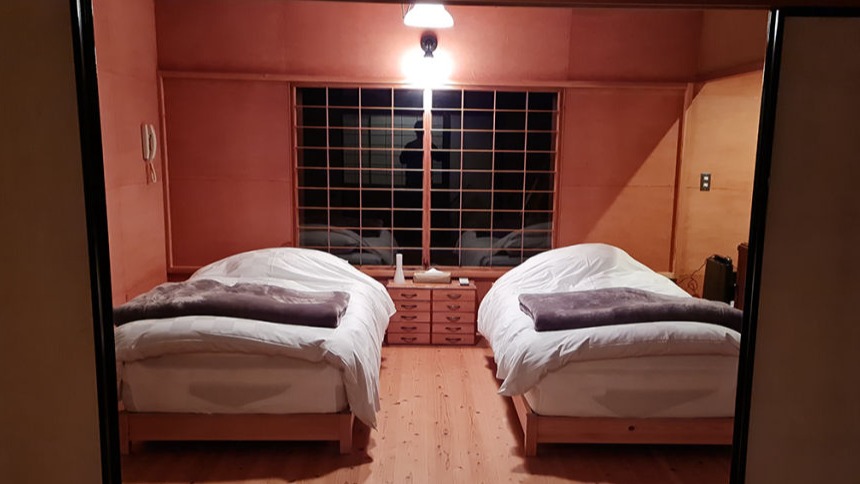
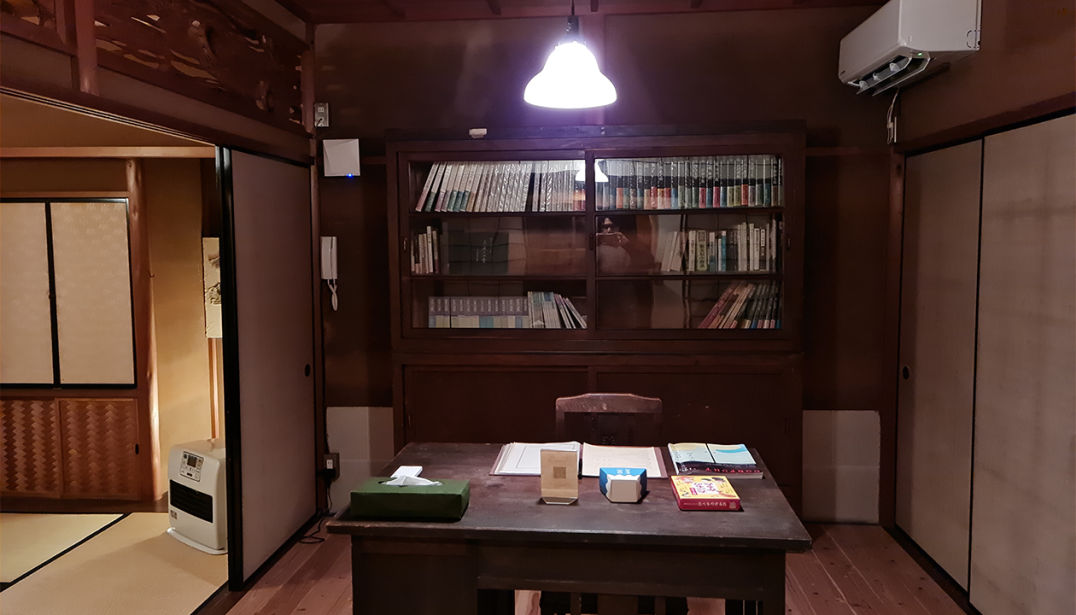
Interestingly, my room came with two indoor gardens, a sitting room, a dining room, an office study, and a second-floor bedroom, which, despite the modern amenities like central heating and smart toilets, retained that authentic atmosphere of a traditional Japanese-style house. Moreover, as I explored my lodgings for the first time—pristine shoji doors on one side of a long wooden hallway and a calming indoor garden on the other—I momentarily wondered if I hadn’t accidentally found myself transported back in time to experience how the old Mino merchants once lived in luxury.
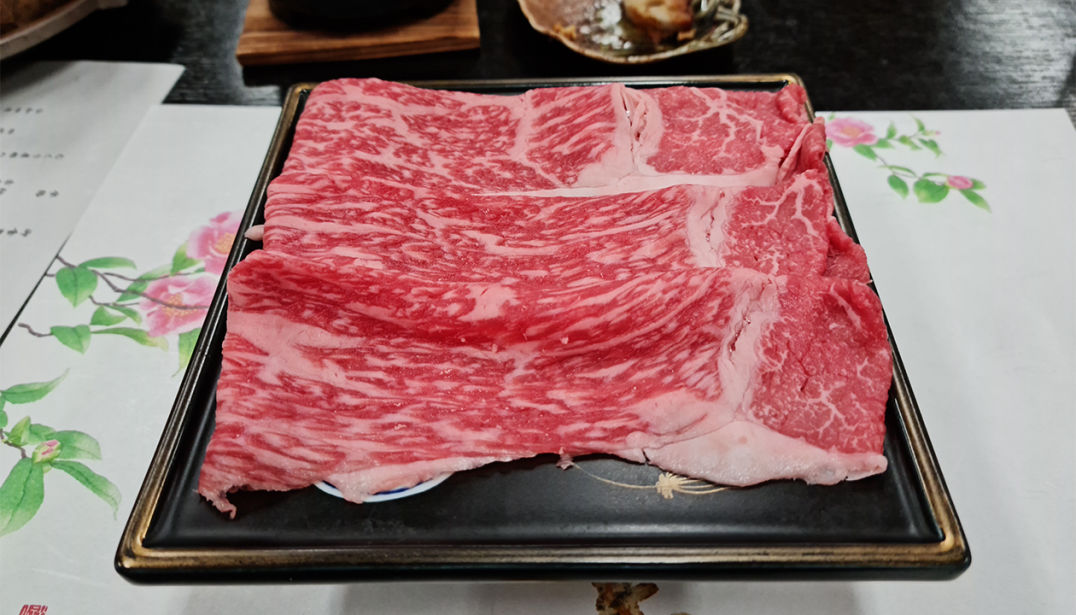
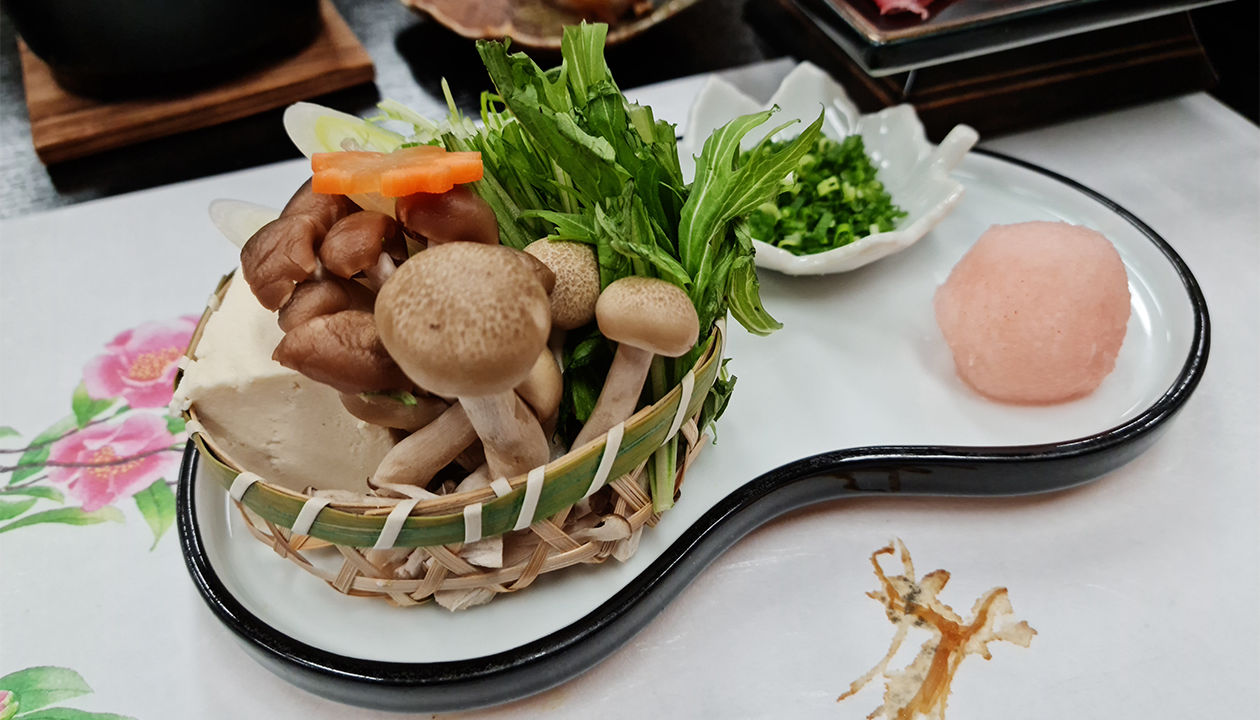
Dinner at Kappou Asadaya two blocks away from Nipponia Mino was a scrumptious affair. We were treated to a traditional Japanese multi-course meal called a Kaiseki which culminated in a hotpot dish of Gifu Prefecture’s brand beef — the A5 rank Hida beef — which came in the form of tenderloin strips that I devoured with gusto alongside premium sake from a 270-year-old local brewery we would visit the next day.
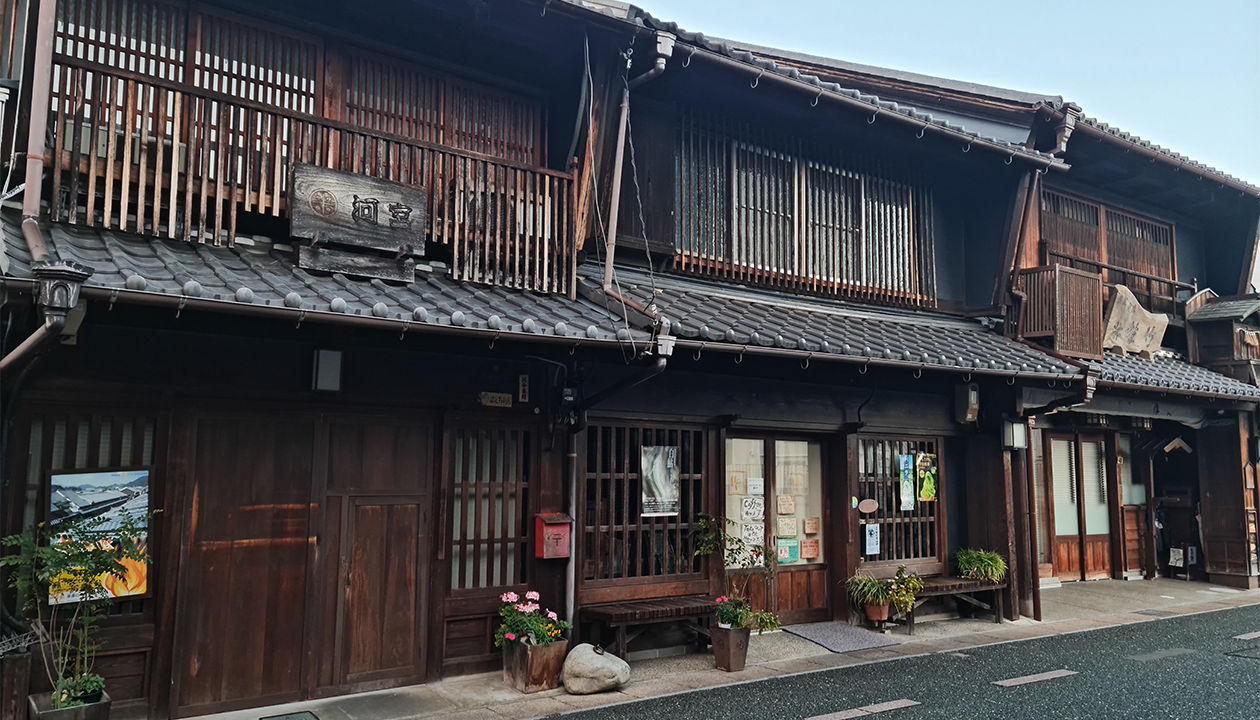
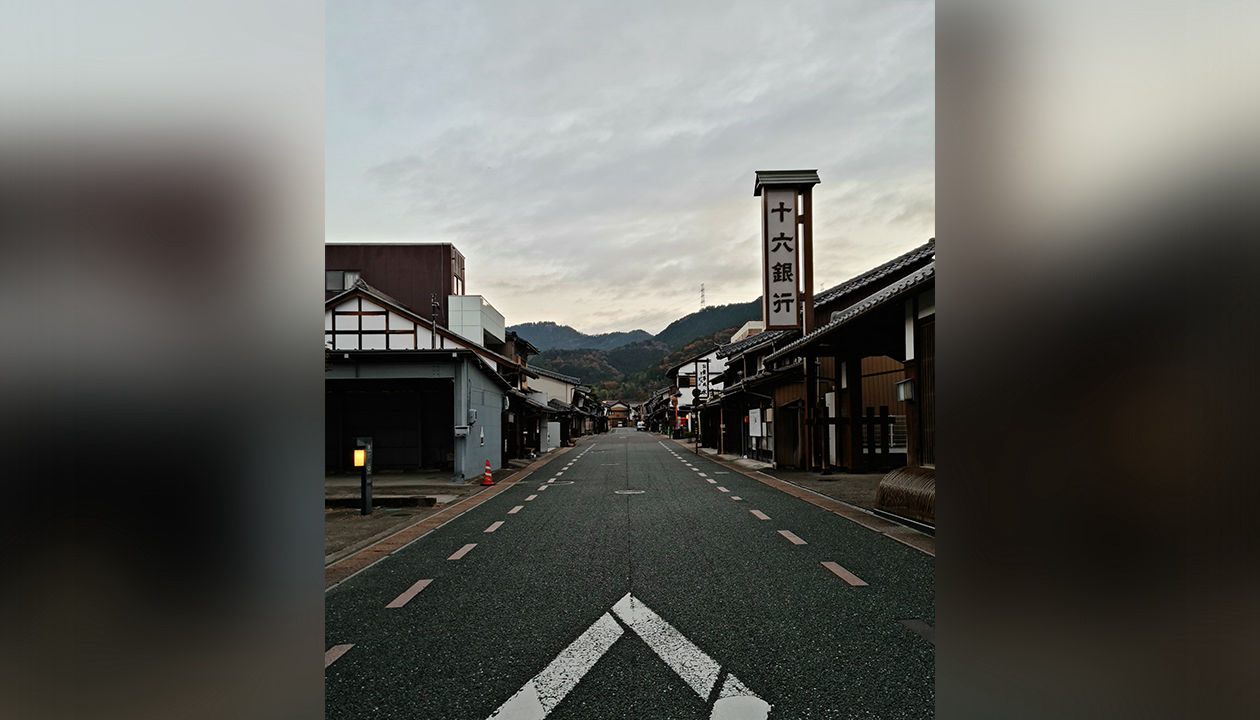
Eager to see the local sights, I woke up at the crack of dawn and had time to jog and explore the Mino historical district hours before my companions would. My run took me across a wide street lined with wooden buildings on either side. I would later learn from our guide that these were the famous Udatsu-style houses that had been built during Japan’s Edo and Meiji eras. According to the local guide, Hasebe-san, the udatsu—raised walls built on either end of a building—were meant to prevent the spread of fire from neighboring houses.
“There were four big fires in Mino City, with the last one burning three-fourths of the town,” Hasebe-san told us as she steered our party around the district. “They built the udatsu and made the road wider to prevent this from happening again.”
Hasebe-san also explained that only rich households could afford udatsu, which meant this once-lively merchant district known for the washi paper used in lanterns and shoji doors must have flourished back in the Edo period.
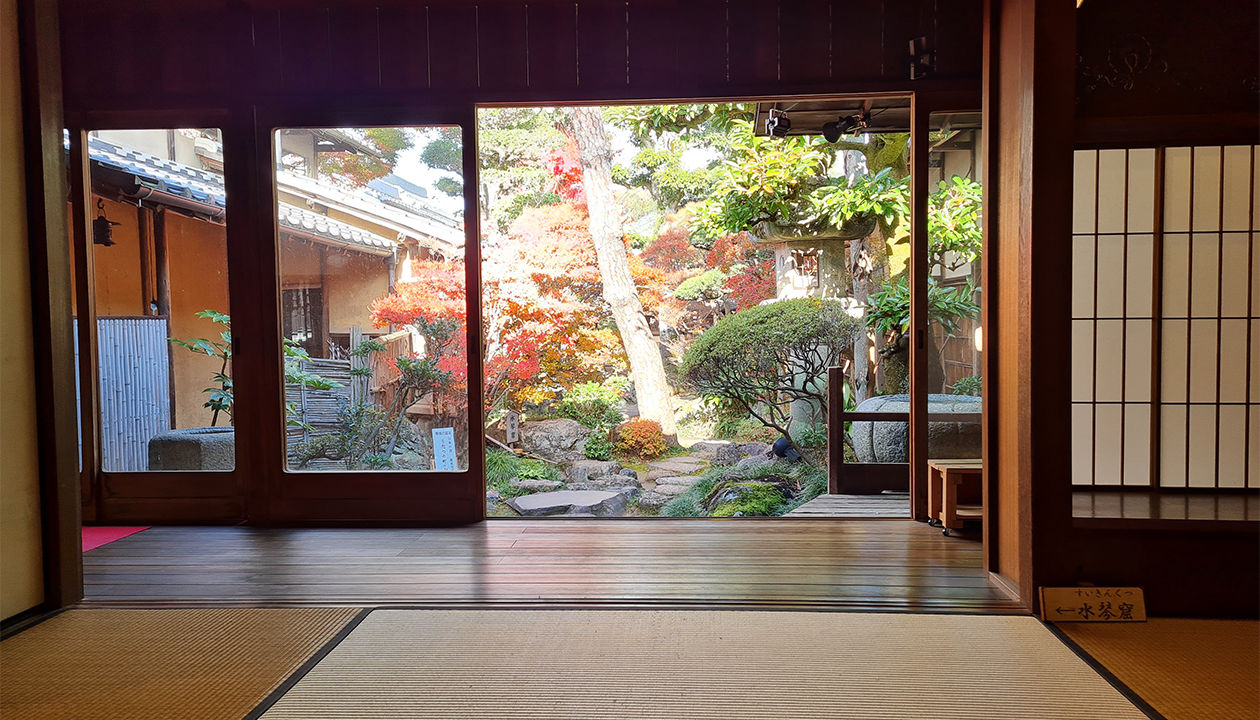
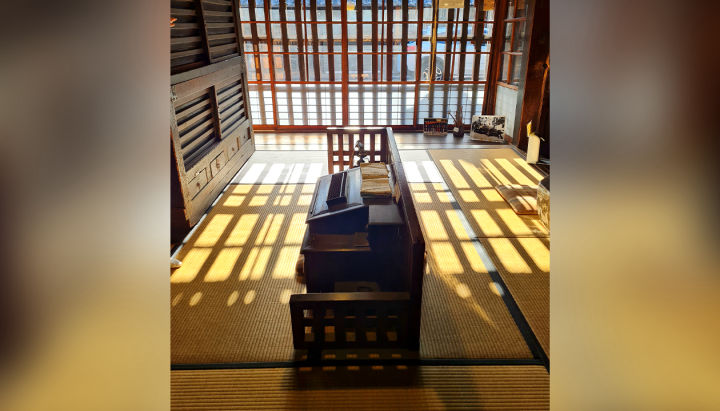
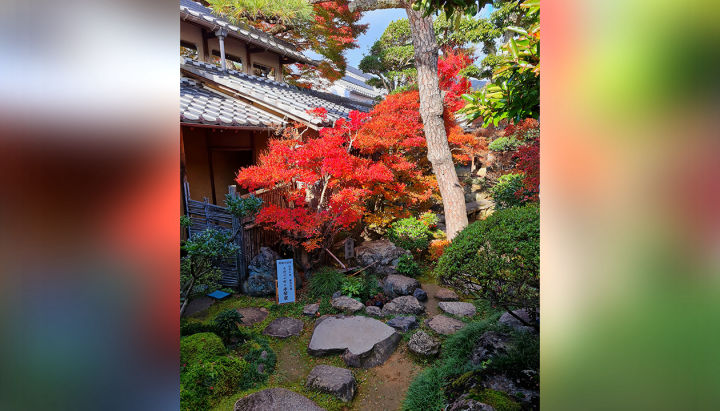
One of our highlights on the Mino tour was a visit to the Mino History Museum, which was once the former residence of a prosperous washi wholesaler named Imai. Exploring the museum treated us to a glimpse of merchant life in rural Japan, which included Hasebe-san’s commentary on various rooms and their usage back in the old days. The museum also had an inner garden famous for a stone basin that produced a relaxing sound whenever water was poured into it to trickle down to its metal base.
Today, Mino’s streets are filled with tourists, who, like us, enjoy walking its wide streets while basking in the allure of the old eras that visitors continue to glimpse in the well-preserved udatsu houses or in the Mino culture that has stood the test of time.
Curious about the rest of asianTraveler Magazine’s visit to Japan? Then don’t forget to grab a copy of our next issue, Exciting Asia, when it arrives this April!
Offline Website Creator