36 Hours in Manila

From a quaint fishing village to museums hiding under monuments, Metro
Manila has so much to offer the persistent wanderer. 

You have lived in a city your whole life and think you know it well. That is, until the Department of Tourism and the National Historical Commission of the Philippines takes you inside monuments you've passed a thousand times on your way to work or brings you to underground museums.

Mobirise Website Builder

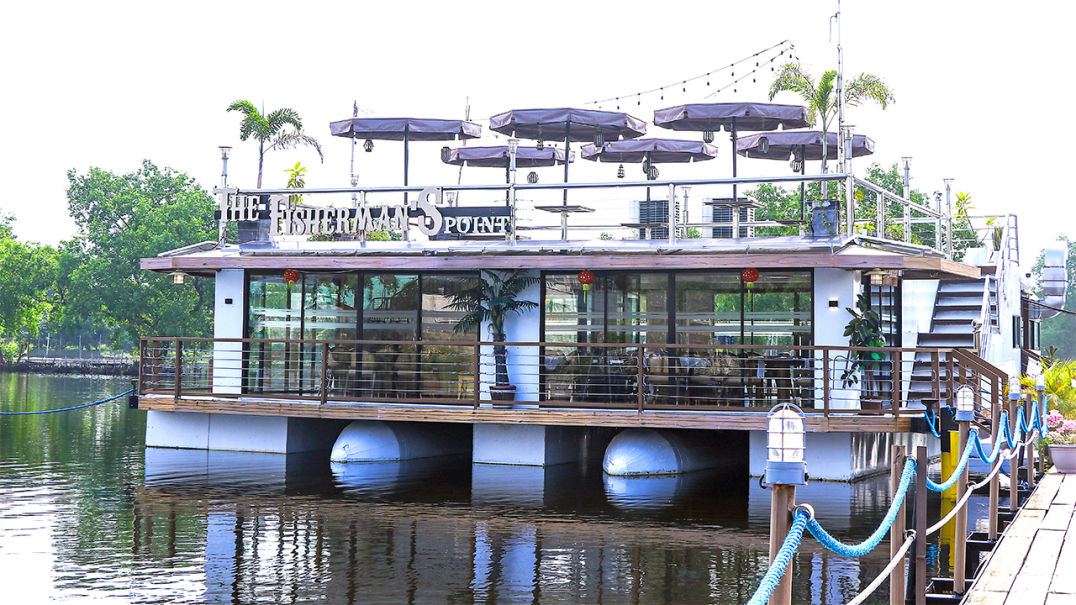
The Fisherman's Point

Our first stop was the Alvarez Park Café at the Tagalag Fishing Village in Valenzuela City. An hour's drive from the DOT office in Makati, Alvarez Park Café is at the Fishing Village's center. You can start your day off with waffles with Nutella and listen to the birds chirping as the sky clears in the early morning. Then, walk around the vicinity of the Fishing Village, which opened in 2020. It has a 1,300-meter boardwalk where you can bike, skateboard, hang out, or—indeed—walk along the bodies of water surrounding it.

There are aquatic and eco-related experiences to indulge in: you can rent a kayak or boat and go around the town or try to catch some fish with a fishing rod, then have it cooked and eat it. There is an abundance of tilapia, milkfish, and catfish, so get ready for a feast.

If you want to simply eat and enjoy the scenery, there are several places to choose from. Check to see if the floating restaurant named The Fisherman's Point at the Alvarez Park Café is open for dinner on the day you plan to go. The lights at dusk offer a good view.  
Mobirise Website Builder

Museo ni Dr. Pio Valenzuela

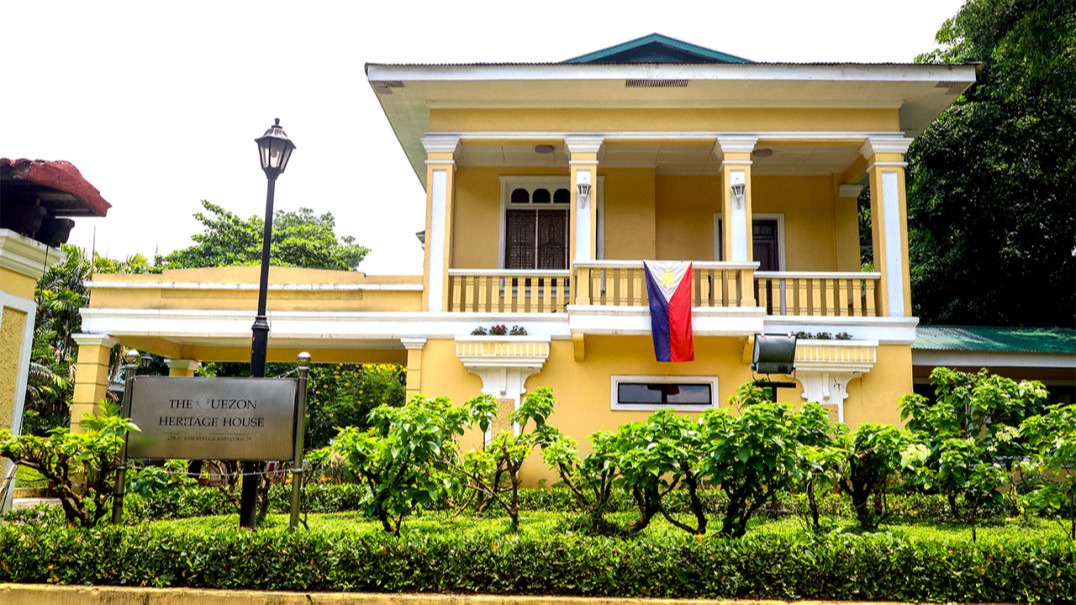
After the Museo ni Dr. Pio Valenzuela, we went to the Quezon Memorial Circle to visit the President Manuel Quezon Heritage Museum. It is built and decorated to look like the house where he and his wife lived, down to the bedding and clothes in his bedroom. The late President died of tuberculosis, no doubt partly due to smoking two packs of Chesterfield cigarettes daily, a pack of which is displayed in his bedroom closet. There are also other bedrooms in the museum, which were occupied by his wife and his caretakers. Original dresses owned by his daughters and other family members are on display, as are personal journals of his wife. In the garden is a shrine in honor of his peaceful relationship with the government of Israel, which included allowing Jews to enter the Philippines visa-free during the Second World War.

Among other notable things in the museum are the walking stick he used during the last years of his life and a poster displaying his personal code of ethics.

Mobirise Website Builder

Tomb of President Manuel L. Quezon

Next up was a visit to the Quezon Memorial Circle, which delved into the late President's achievements—from his days as a Congressman, then a Senator, and finally the President. The Memorial Circle museum includes photos with a timeline of famous Filipinos who helped him bring the country to great heights during his presidency from 1935-1944. When the war broke out, President Quezon established a government in exile in the United States, where he died.

The most arresting part of the museum is a large underground tomb where his body rests, akin to the tomb of Napoleon in Paris and other great statesmen or generals in museums around the world. There is a giant statue of the President on the second floor above.

Next up was a visit to the Quezon Memorial Circle, which delved into the late President's achievements—from his days as a Congressman, then a Senator, and finally the President. The Memorial Circle museum includes photos with a timeline of famous Filipinos who helped him bring the country to great heights during his presidency from 1935-1944. When the war broke out, President Quezon established a government in exile in the United States, where he died.

The most arresting part of the museum is a large underground tomb where his body rests, akin to the tomb of Napoleon in Paris and other great statesmen or generals in museums around the world. There is a giant statue of the President on the second floor above.

The Memorial Circle, on the outside, is made up of a park located inside a large traffic circle in the shape of an ellipse. The Quezon Memorial Shrine, designed by Federico Ilustre, rests atop. The 66-meter monument is made up of three connected pylons. An observation deck provides a panoramic city view and can hold 60 people. The columns are adorned with three angels holding sampaguita wreaths representing Luzon, Visayas, and Mindanao. The angels were sculpted by Italian sculptor Francesco Riccardo Monti.

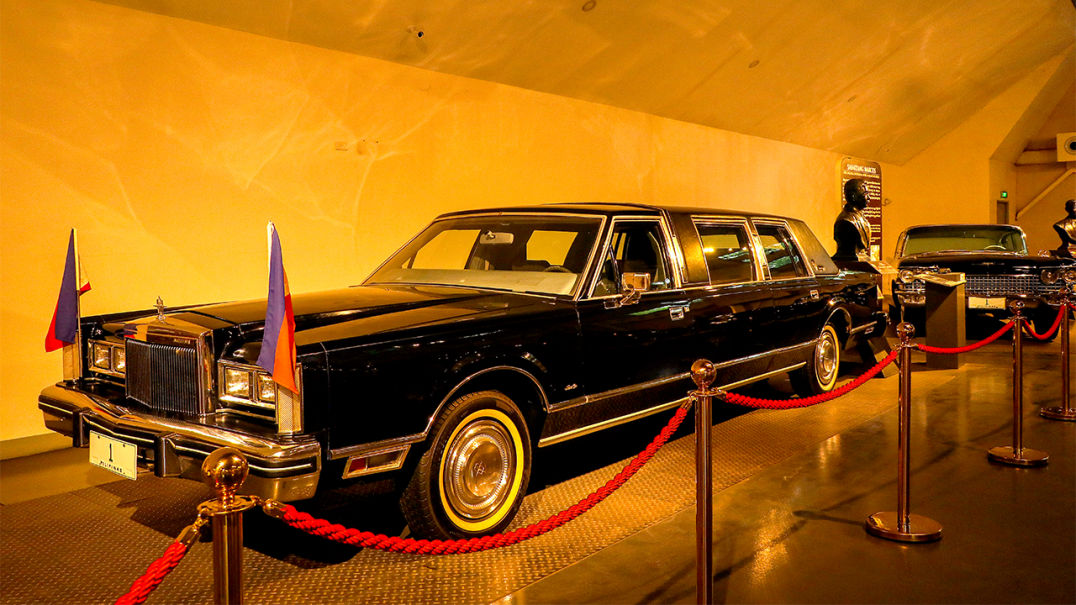
Next up was the Presidential Car Museum or the Museo ng Pampangulong Sasakyan. The museum houses the following cars: the 1924 Packard Single Six Touring Model 233 used by President Emilio Aguinaldo, in service: 1924–1964; the 1937 Chrysler Airflow Custom Imperial CW, used by President Manuel L. Quezon, in service: 1937-1941; the 1941 Packard 180, used by President José P. Laurel and President Sergio Osmeña, in service 1941–1946; the 1940 Cadillac Fleetwood Series 75, used by President Manuel Roxas, in service 1946–1948; the 1953 Chrysler Crown Imperial, used by President Elpidio Quirino, in service 1948–1953; the 1955 Cadillac Series 75-23 Fleetwood, used by President Ramon Magsaysay, in service 1953–1957; a 1959 Cadillac de Ville similar to the one used by President Diosdado Macapagal, in service 1961–1965; the 1980 Lincoln Continental Mark VI, used by President Ferdinand Marcos, in service 1980–1986; the Mercedes-Benz 500 SEL, used by President Corazon Aquino, in service 1986–1992; the Mercedes-Benz 500 SEL Guard, used by President Fidel V. Ramos, in service 1986–1992; the Mercedes-Benz S600, used by President Joseph Estrada, in service: 1993–2001; the Mercedes-Benz S600 (LWB), used by President Gloria Macapagal Arroyo, in service: 1993–2001; the 1935 Cadillac V-16, used by President Manuel Quezon as his presidential car which was turned over to General Douglas MacArthur in 1937, in service 1935–1936; the 1943 Willy's Jeep donated by General Douglas MacArthur and used by Ramon Magsaysay during his tenure as Secretary of National Defense, in service 1950–1953; the1960 Rolls-Royce Phantom V owned by Imelda Marcos, in service 1965–1986; and a kalesa owned by the family of Leon Apacible, a member of the commission that drafted the Malolos Constitution.

Mobirise Website Builder

The 1980 Lincoln Continental Mark VI used by President Marcos.

Mobirise Website Builder

The 1953 Chrysler Crown Imperial used by President Elipido Quirino

The Museo El Deposito features the history before the Carriedo water system was established in 1882 and contains artifacts, prints, and models of how water was distributed and obtained in Manila. It also has an audiovisual room with paintings of famous Filipino men and women central to forging independence in the Philippines. The most exciting part of the museum is the aqueduct of the El Deposito, a path of tunnels you could imagine the water gushing through, which led to the city of Intramuros. The aqueduct was used in the Second World War as a hospital due to its large capacity.

Mobirise Website Builder

A painting of the Katipuneros at Muse at Museo ng Katipunan

The Museo ng Katipunan includes the rich history of the Philippines clamoring for independence from the Spaniards. The heroes of the Katipunan, most importantly Andres Bonifacio, are showcased. An interesting aspect was the wall which features the Filipinas who were part of the Katipunan. Several displays of the Dekalogo ng Katipunan, or the revolutionary group's rules and principles, are on display. Busts of the heroes of the time and dioramas featuring battles with the Spaniards give a visual treat of that era in Philippine history. My wonder and excitement in learning about the revolution were only heightened by the Pinaglabanan Memorial Shrine, or the Pang-alaalang Dambana ng Pinaglabanan, which was built to commemorate the heroism of the Katipuneros who laid siege in the first battle of the Philippine Revolution against the Spanish Empire. The battle was part of a campaign by the Katipunan to seize El Deposito, which they failed to do. The Spirit of Pinaglabanan, a brass sculpture by Eduardo Castrillo, features prominently in the shrine

Our next stop on the journey of the National Capital Region was the pearl stalls in Greenhills Shopping Center. The stalls are a come-on for tourists who want affordable, unbranded pearls from oceans in the Pacific. They are also destinations for many Filipinos looking for deals on custom-made items. Many of the sellers come from Mindanao. Be ready with your jewelry lingo to haggle for the best prices.

Mobirise Website Builder

A pearl stall at the Greenhills Shopping Center

Mobirise Website Builder

Love;y pearls from 

Mobirise Website Builder

The altar at San Pedro Makati Church

Our final stop on this educational day was Poblacion, where we walked through the streets searching for good food. But first, we went to the Museo ng Makati along JP Rizal to catch the last few days of the "Larry Alcala: Slices of Life, Wit, and Humor" exhibit. Then, we strolled to the Makati side of the Pasig River, where we found out you could take a boat to the Pasig side for seven pesos. We also stopped by the San Pedro Makati Church, also known as Saints Peter and Paul Parish, one of the oldest churches in the city.

Poblacion is the oldest part of Makati, although it only gained prominence when it gentrified in the 2010s. We passed by Japonesa, a Japanese-Peruvian restaurant, and Keepers, whose owner described it as a "Web 3.0 gastro bar." We took photos at Friends and Neighbors restaurant, which serves Bicolano fare and opened in the 1970s. Then there was a pit stop at Insular Bakery, which has been around since 1901. Onlypans Taqueria was along the way to our final destination, Z Hostel, the DOT's chosen stop for the evening. At Z Hostel, we ended the day with cocktails. A delicious one called the "Makati Scramble," aptly named, and another called "Whatever," like a Long Island iced tea, left the group woozy.

The Makati DOT contingent informed us about the Makati Walking Tours, which are free and run from Tuesdays to Sundays and include tours of Legazpi Market, Poblacion, the Central Business District, and Salcedo Market. 

Mobirise Website Builder

Top to bottom: A Heron, and walking the trail in Freedom Park, Freedom Park at the Las Piñas- Parañaque Wetland.

Image with Description

Next day's trip was less jampacked but no less enjoyable. Our first stop was the Las Piñas-Parañaque Wetland Park, also known as the Las Piñas-Parañaque Critical Habitat and Ecotourism Area (LPPCHEA). It is full of birds in the 175-hectare space of mangroves and other wetlands, including the Philippine duck, the Chinese Egret, and the Black-Winged Stilts. Although we did not see the birds, which we were told usually show themselves in the early morning, we went for a trek on the Parañaque side of the park, called Freedom Park. It was a joyous day to enjoy the sunshine and slight wind and an opportune time to take selfies in nature. The footpaths were well-worn. Our guide showed us many trees and plants used to treat illnesses and help animals forage for food.

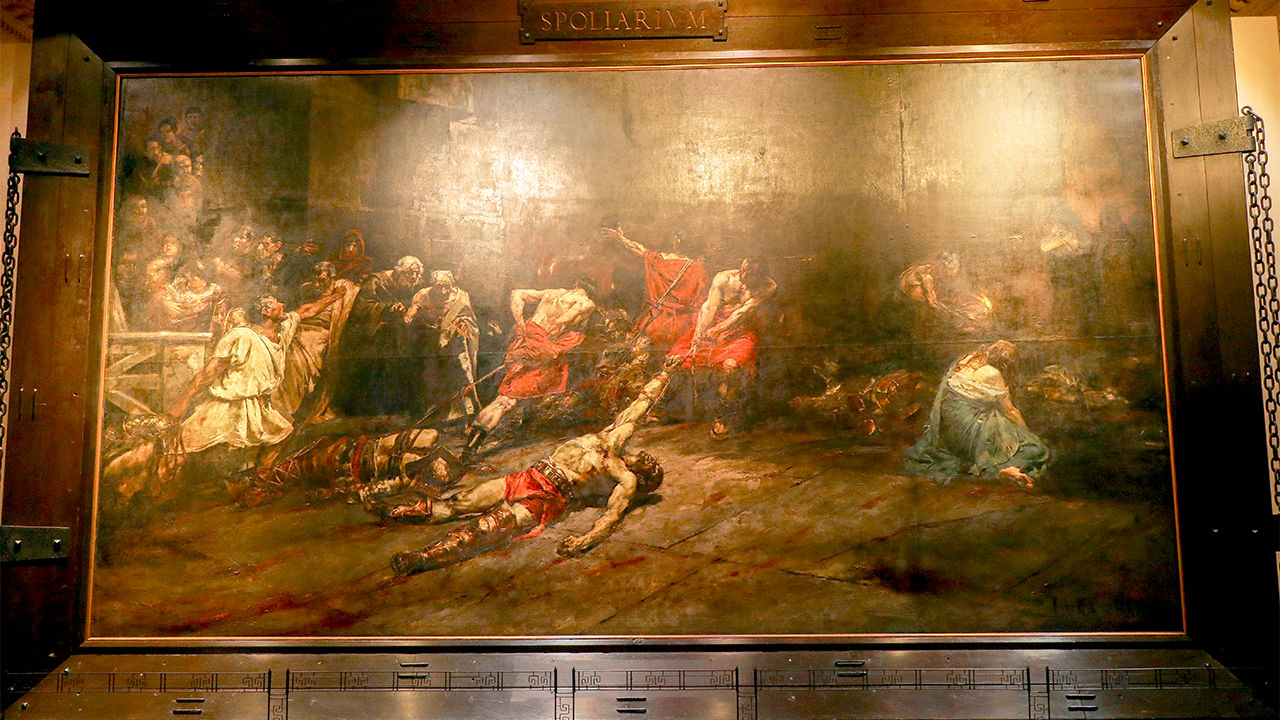
Our next stop was the National Museum of Fine Arts in Manila, where we saw famous Juan Luna masterpieces, although my personal preference at the museum has always been Carlos Francisco's enormous saga of Philippine history, which was transferred to the museum from the Manila City Hall in 2013. Named "Filipino Struggles Through History," the painting spans three long walls, four paintings, and measures 65 meters. It is divided into 10 panels and depicts the country's fight for freedom from oppression. Other popular pieces in the museum include the “Alimentando Pollos (Feeding the Chickens)” by Simon Flores y de la Rosa (c. 1896) and “The Basi Revolt,” which consists of 14 oil paintings depicting scenes of the Iloko peasants' Basi Revolt of 1807, painted in 1821 by Esteban Pichay Villanueva. There are also several Vicente Manansala masterpieces.

Mobirise Website Builder

Spolarium by Juan Luna at the National Museum of Fine Arts

Next up were the National Museum of Anthropology and the Natural Museum of Natural History. These house the Philippine ethnographic, terrestrial, and underwater archaeological collections, including igneous rocks and fossils of elephants and rhinoceros. A joyful place for children to visit, they are also home to the stuffed remains of Lolong the crocodile, who died on February 2013. He was a saltwater crocodile, the largest in captivity, measured 6.17 meters, and weighed 2,370 lbs. With interactive displays, video guides, diagrams, and illustrations of specimens, including those in the zoological, botanical, and geological fields, these two museums are frequently visited by students and teachers. Don't forget to stop by the Hyundai Philippines entrance hall to see Ciano, the sperm whale's, bones, floating in the air.

Mobirise Website Builder

Indigenous costumes at the National Museum of Anthropology

Mobirise Website Builder

The bones of Ciano the sperm whale at the National Museum of Natural History

Mobirise Website Builder

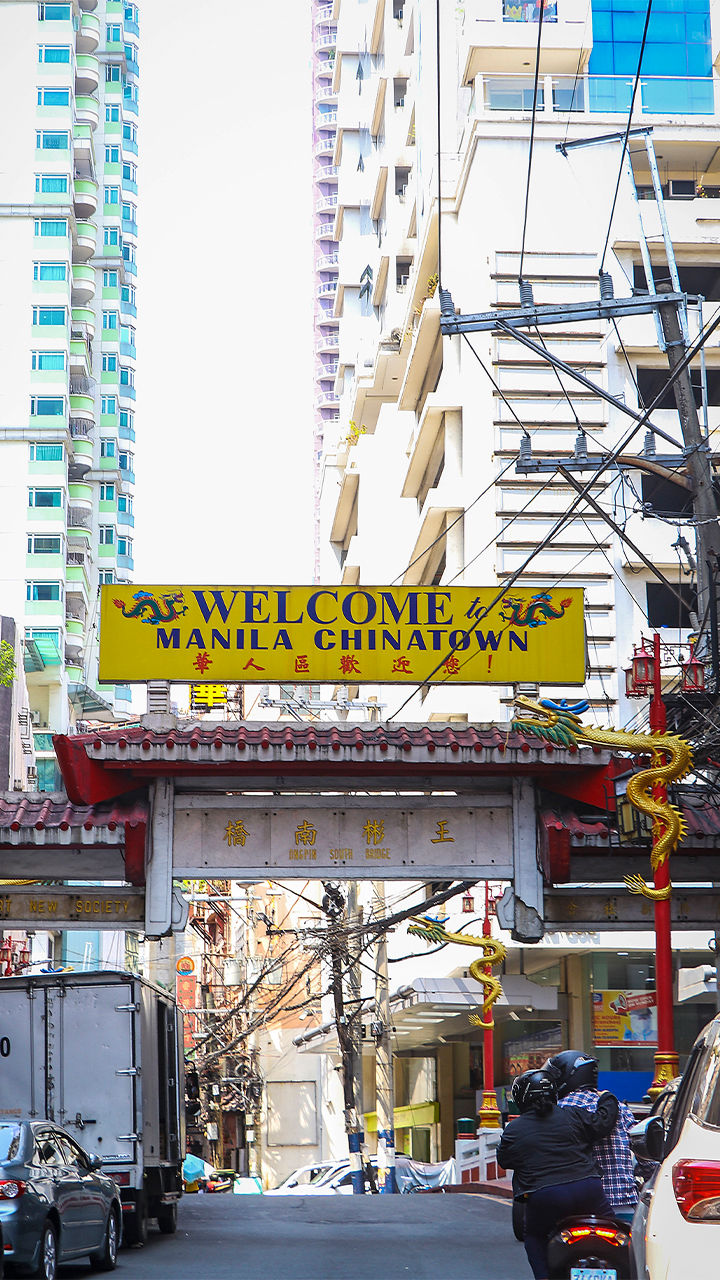
The entrance to Chinatown Binondo

We then went to Chinatown or Binondo to have lunch and experience Chinese traditions. Our first stop was The Great Buddha Café, where we feasted on stir-fried beef, squid, spinach, and fried rice. After walking around to digest our meal, we got hungry again and tried the delicious egg tarts from Lord Stowe's, lumpia from Puo Hing and dropped by Estero Fast Food, where you can get every type of exotic dish, including snakes if your tastebuds so desire. Our last food stop was Shanghai Fried Siopao; the siopao was tasty and satisfying.

After, we trekked to a Buddhist temple where we were asked to donate money in exchange for good blessings and lighting of incense. There were other money-and-luck-related game-like rituals, such as throwing pieces of wood, which answered yes or no, concerning your future and fortunes.

It was a fun day at Binondo, which was my favorite part of the NCR trip, not just because of the food but because of the culture we experienced, one very different from the Westernized ideals we see so often in Metro Manila. Chinatown was rough, gritty, cheap, and money-centric—making for an experience that felt like you were in another country.  

Mobirise Website Builder

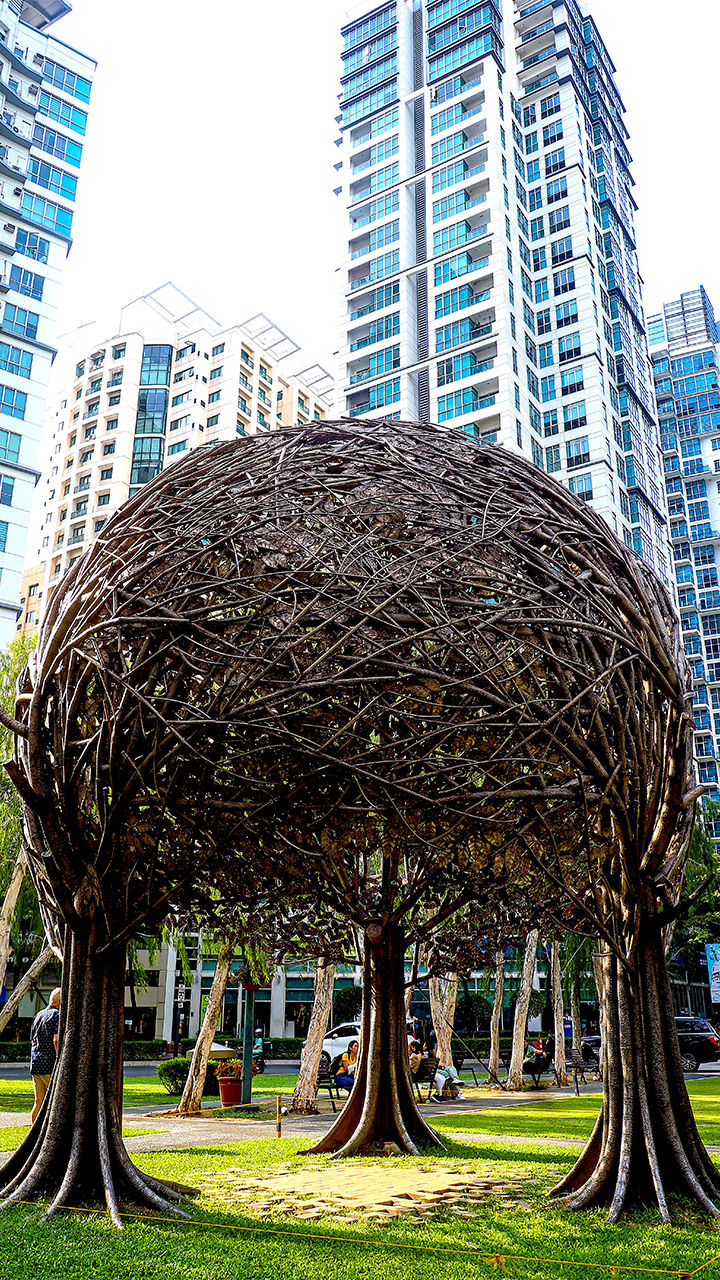
"The Three"by Reynato Paz Contrras at BGC

Over in Bonifacio Global City, better known as BGC, we were regaled with the history and plans of the city. Located in the heart of Taguig, BGC is an upscale development spanning 240 hectares of commercial and residential properties. The Shangri-La at The Fort hotel and the Jordan shop are among its most known establishments. There are also the Pacific Plaza Towers, part of an impressive skyline seen from certain areas in Makati at night, and The Mind Museum, a favorite of children and adults alike. The Maybank Performing Arts Theater is fronted by a sculpture; many artworks, such as "The Trees," are seen throughout the city. We were taken to the BGC Greenway, a 1.6-kilometer walking and running area beside Manila Golf Country Club. It is also near De Jesus Oval Park, where bazaars or markets are sometimes held on weekends.

A 3D LED screen billboard, which opened in 2022, covers 400 square meters of space atop One Bonifacio High Street. One Bonifacio High Street is in the central area of BGC, along Bonifacio High Street, a kilometer-long retail space.

BGC also boasts many murals along its walls to add to the city's claim of being both highly liveable and walkable. It also has a farm area, aptly called Urban Farm, where residents can plant vegetables. Started by a group from Barangay Bel-Air, Urban Farm opened in 2022 across The Flats along 5th Avenue. You can adopt your own farm or volunteer to farm on the weekends. There is a small farm store for essentials. This was my favorite area of BGC, a blooming garden amidst a bustling city.

The end to a long day was a popup shop that wasn't part of the NCR experience but we happened upon it—a Hennessey corner. The cocktails were the perfect sunset ending along Bonifacio High Street, where people crossed the road and flocked along the city's expanse. I was happy to be home in my favorite city: Manila, Philippines. 

Subscribe to us

Exclusive offers in your inbox

Website Building Software