In just 48 hours, one can embrace the festive spirit of Sapporo—from lively street markets to dazzling landmarks, from serene shrines to unforgettable feasts—with every stop like stepping into a scene from a winter postcard.
For many travelers, the first step onto Hokkaido often begins in Sapporo. As the island’s gateway and largest city, it is both convenient and deeply layered with history and culture. Here, sleek urban energy meets the quiet beauty of nature, offering a different charm in every season. Yet it is during festivals and holidays that Sapporo truly shines: streets sparkle with lights, the air is laced with the scent of snow and street food, and the mingling sounds of laughter and bells create a rhythm that makes you want to slow down and savor the moment.
In just 48 hours, I embraced the festive spirit of Sapporo—from lively street markets to dazzling landmarks, from serene shrines to unforgettable feasts—every stop felt like stepping into a scene from a winter postcard.
At the very heart of Sapporo lies Odori Park, a 1.5-kilometer green corridor that serves as the city’s cultural stage through the seasons. In spring, lilacs bloom in soft pastels; in summer, the park transforms into a lively beer garden; autumn brings a carpet of golden ginkgo leaves. But come winter, Odori Park takes center stage on the world stage with the iconic Sapporo Snow Festival.
Picture towering snow and ice sculptures illuminated by dazzling lights, creating a scene straight out of a fairytale. Even outside the festival season, the park frequently hosts holiday markets and illumination events. Both locals and travelers gather here, wrapped in scarves and laughter, soaking in Hokkaido’s festive spirit. Sitting on a bench with a cup of steaming mulled wine or hot Hokkaido milk in hand, watching people drift through the lights—sometimes, it’s these simple moments that feel the most blissful.
Standing at the eastern edge of Odori Park since 1956, the Sapporo TV Tower is one of the city’s most enduring landmarks. By day, its steel frame rises gracefully against the blue sky, perfect for photos and snapshots. But the true magic begins after sunset, when you ascend to its observation deck.
During Christmas and New Year, the city below glitters with festive illumination, as if a galaxy of stars has descended onto the streets. It’s no wonder Sapporo’s night views are ranked among Japan’s New Three Most Beautiful Nightscapes. From the glass-walled observatory, the city lights stretch like glowing ribbons across the horizon—a breathtaking panorama infused with holiday romance.
Note that tickets are required: adults: ¥1,000 / elementary and junior high school students: ¥500 / infants: free
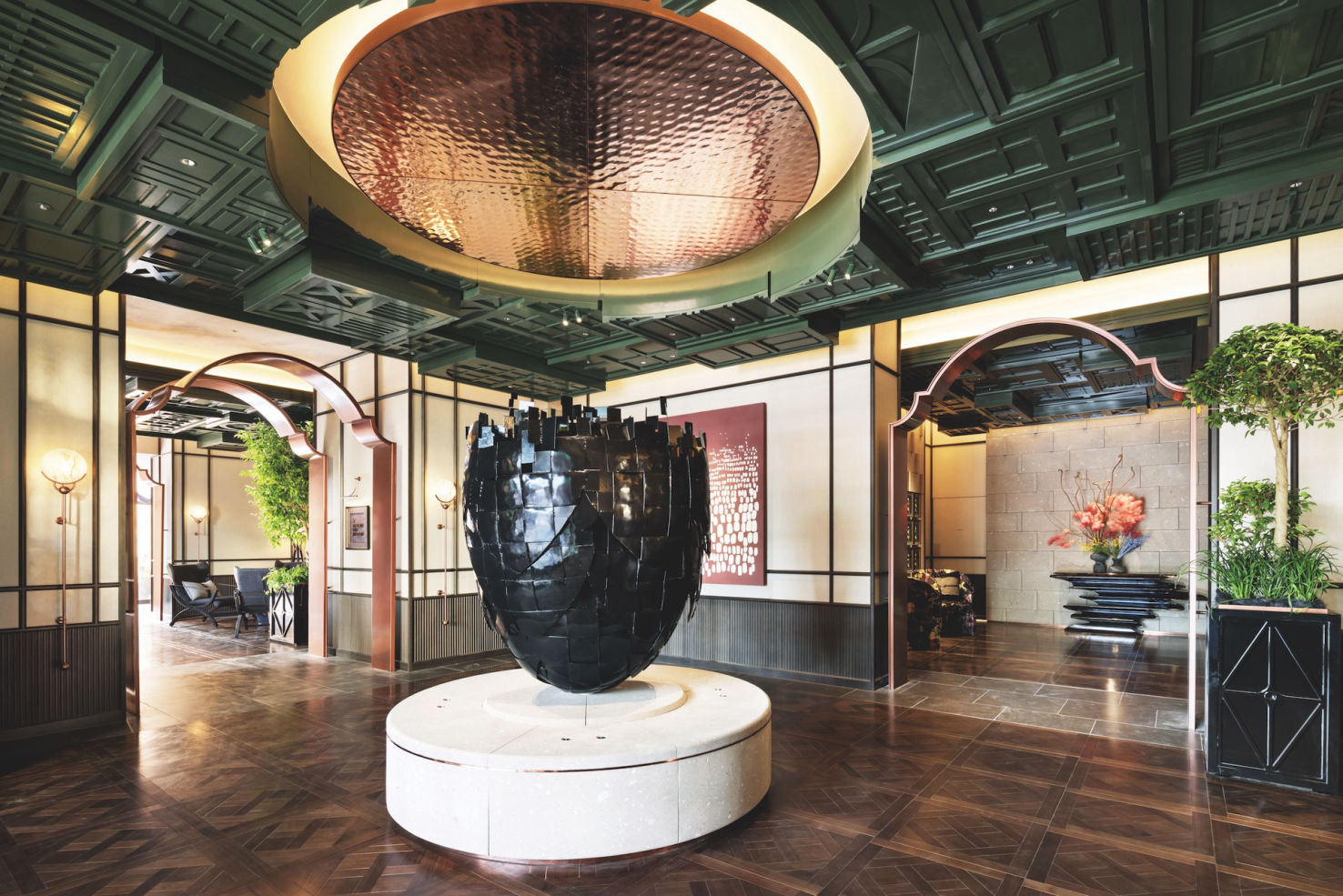
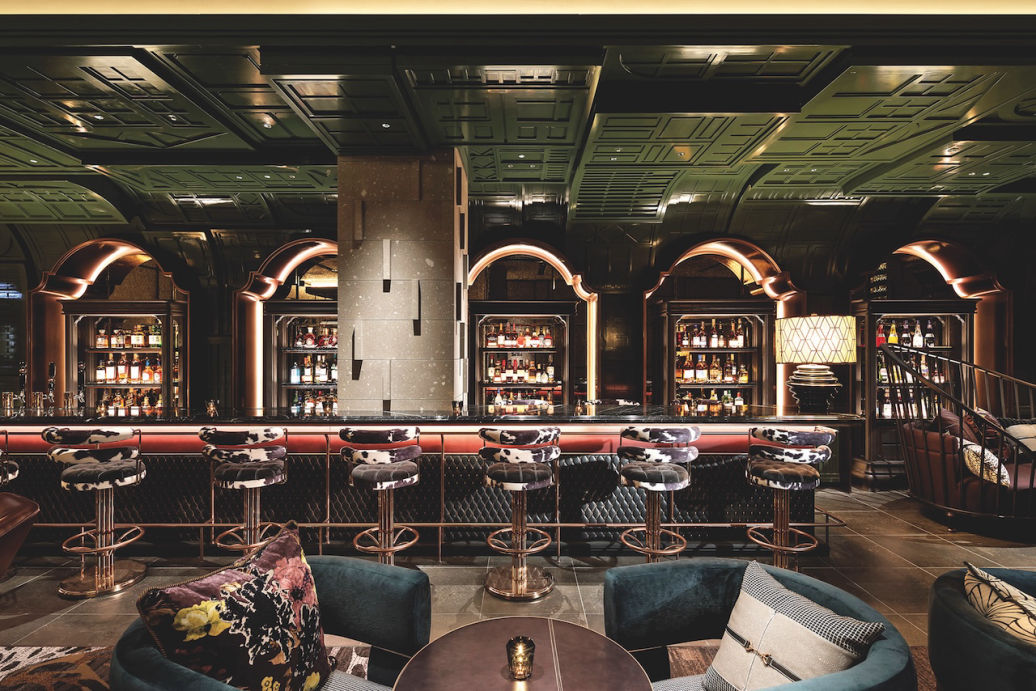
I chose to stay at Hotel Sosei Sapporo - MGallery Collection, which is a sightseeing spot in itself. Located on the historic site of the Kaitakushi Brewery, Japan’s first government-run brewery, where Sapporo Beer was born in 1876, making it a place of great historical significance!
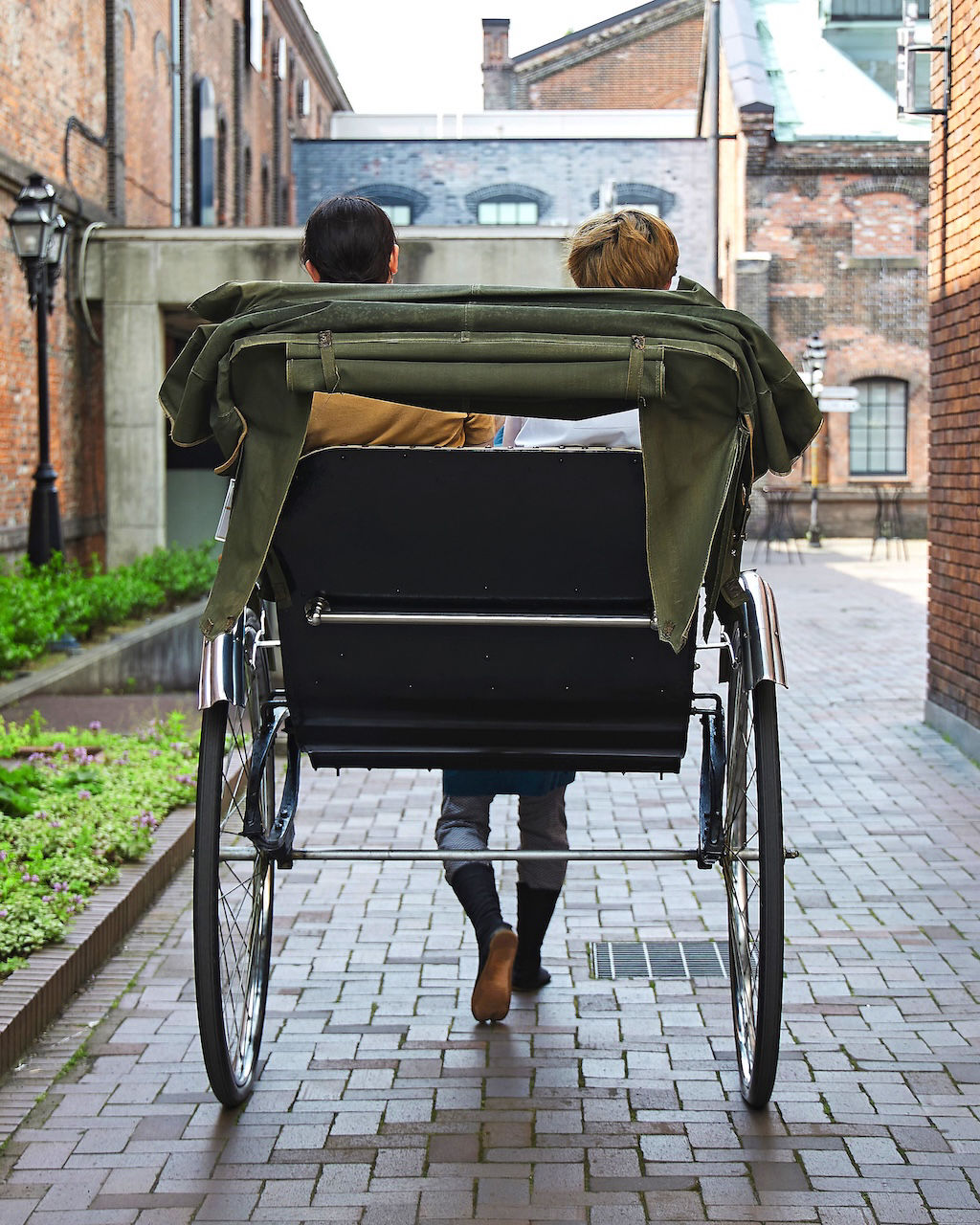
As soon as I stepped through the entrance, I was immediately drawn to a large black iron sculpture, “Wild Hops,” by Japanese artist Rie Kawakami. It expresses the experimental spirit behind Japan’s first domestically grown hops. Converted from an old building, there are many corners where you can see the designer’s creative reassembling of recycled architectural fragments, giving them new life and meaning. I also rode a traditional Japanese rickshaw for the first time in my life—such a fun and unique experience. Definitely something you shouldn’t miss.
Travel tip: I particularly liked the guest rooms inspired by the Kaitakushi Homes—early Hokkaido residences from the late 19th century, featuring a combination of a Western-style reception space and a Japanese-style living area. When I opened the curtains, I was greeted with a view of the Brewery Museum—perfectly framed.
As for the welcome snacks, they featured some of Hokkaido’s most beloved local treats—each bite carrying the warmth of Hokkaido.
In the evening, Tanukikoji Shopping Street comes alive with a lively crowd. This one-kilometer-long arcade is home to over 200 shops selling everything, from cosmetics and traditional sweets to toys and souvenirs. During holidays and festivals, the street is adorned with lights and colorful streamers, filling the air with a cheerful buzz.
As you stroll along, surprises await around every corner: traditional craft stores, toy shops with capsule machines, and cozy bars serving local beers. It’s not only a perfect spot for tourists to shop, but also a glimpse into the daily life of Sapporo locals.
How can you miss the soul food “soup curry” in Sapporo? There are countless soup curry restaurants in Sapporo, and I chose Suage+, which has been honored with the number one spot in Japan’s Tripadvisor and other travel magazines. Originating in Sapporo, Hokkaido, the soup curry is different from the usual thick curry rice. The dish is primarily soup-based, with more spices added, making it spicier than regular curry rice.
I ordered one of Suage+’s signature dishes: The Crispy Shiretoko Chicken Curry. Crispy vegetables and chicken thighs were perfectly presented in the bowl, along with half a poached egg. A spoonful of the soup revealed a rich, layered broth with depth and balance. It was raining on the day of my visit, and the warmth of the soup curry was just what I needed to soothe both my body and soul.
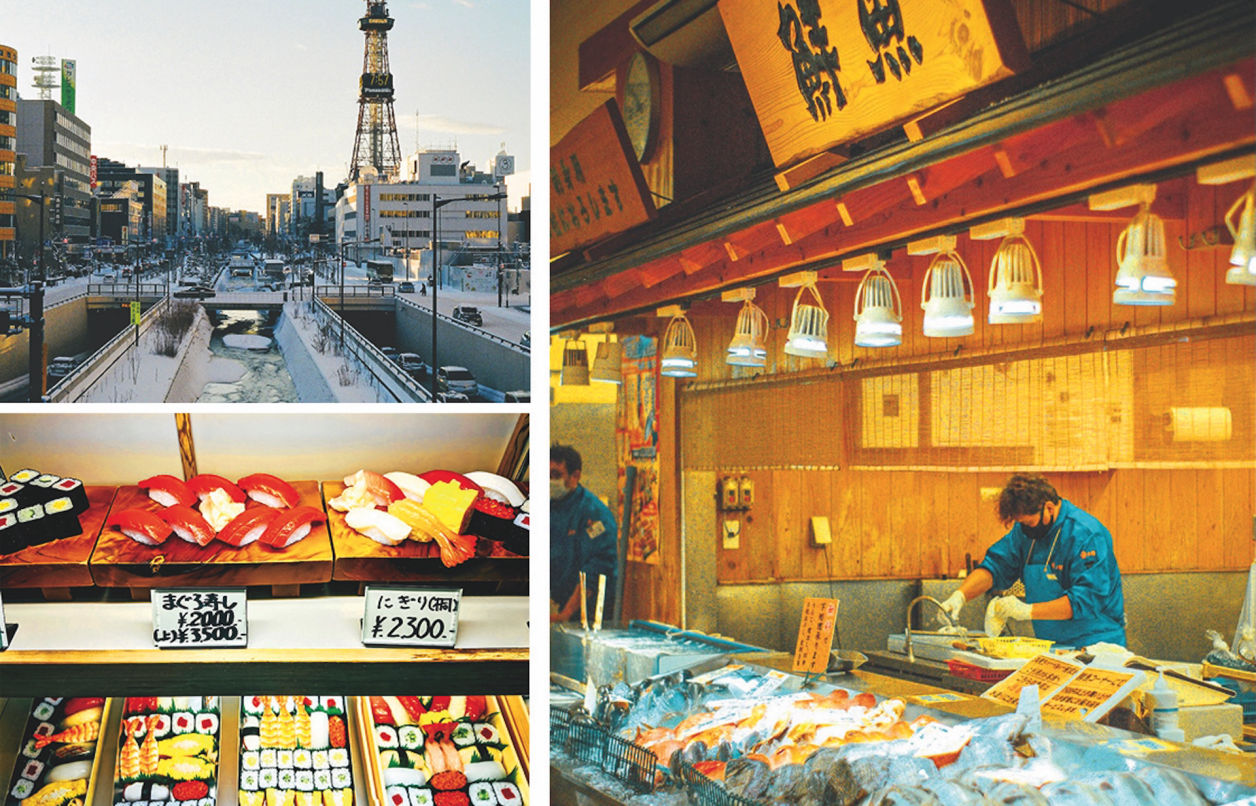
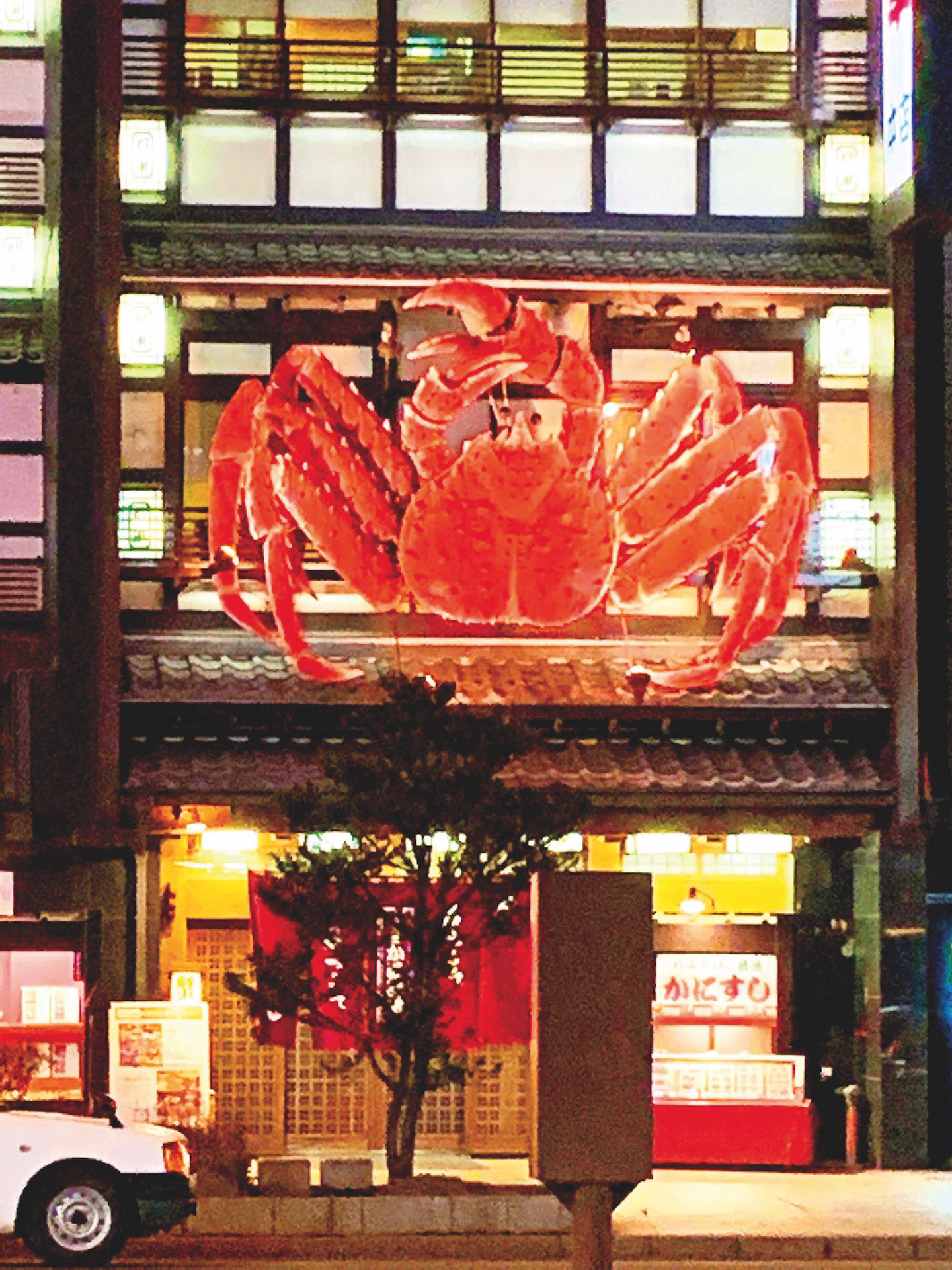
The historic Nijo Market is known as the Sapporo Citizen’s Kitchen. The market has a nostalgic atmosphere that is reminiscent of the Showa period and is full of charm. As tourists, we can’t purchase fresh seafood directly, but we can still enjoy a hearty breakfast here to replenish our energy with delicious seafood.
At the restaurants and stalls in the market, you can find a wide variety of seafood dishes, from sushi to seafood donburi (rice bowl) and grilled seafood.
Don’t miss the chance to try dishes like crab, sea urchin, and scallops, and be sure to order a seafood donburi to experience the authentic taste of Hokkaido.
One of the most famous tourist attractions in Sapporo, the Clock Tower is known for its charming white walls and red triangular roof, as well as its clock that has been marking time for over 140 years.
On the first floor, you can explore exhibits related to Sapporo’s cultural heritage and the history of the clock tower.
The second floor has been restored to resemble the original lecture hall, which is used as an exhibition space during the day and hosts concerts, lectures, and other events at night. I made a point to visit at a quieter moment, and as the mellow chimes rang out, it felt as if the entire city had paused—leaving only the sound of the bells echoing through the air. To me, it was the gentlest soundtrack amid the festive atmosphere.
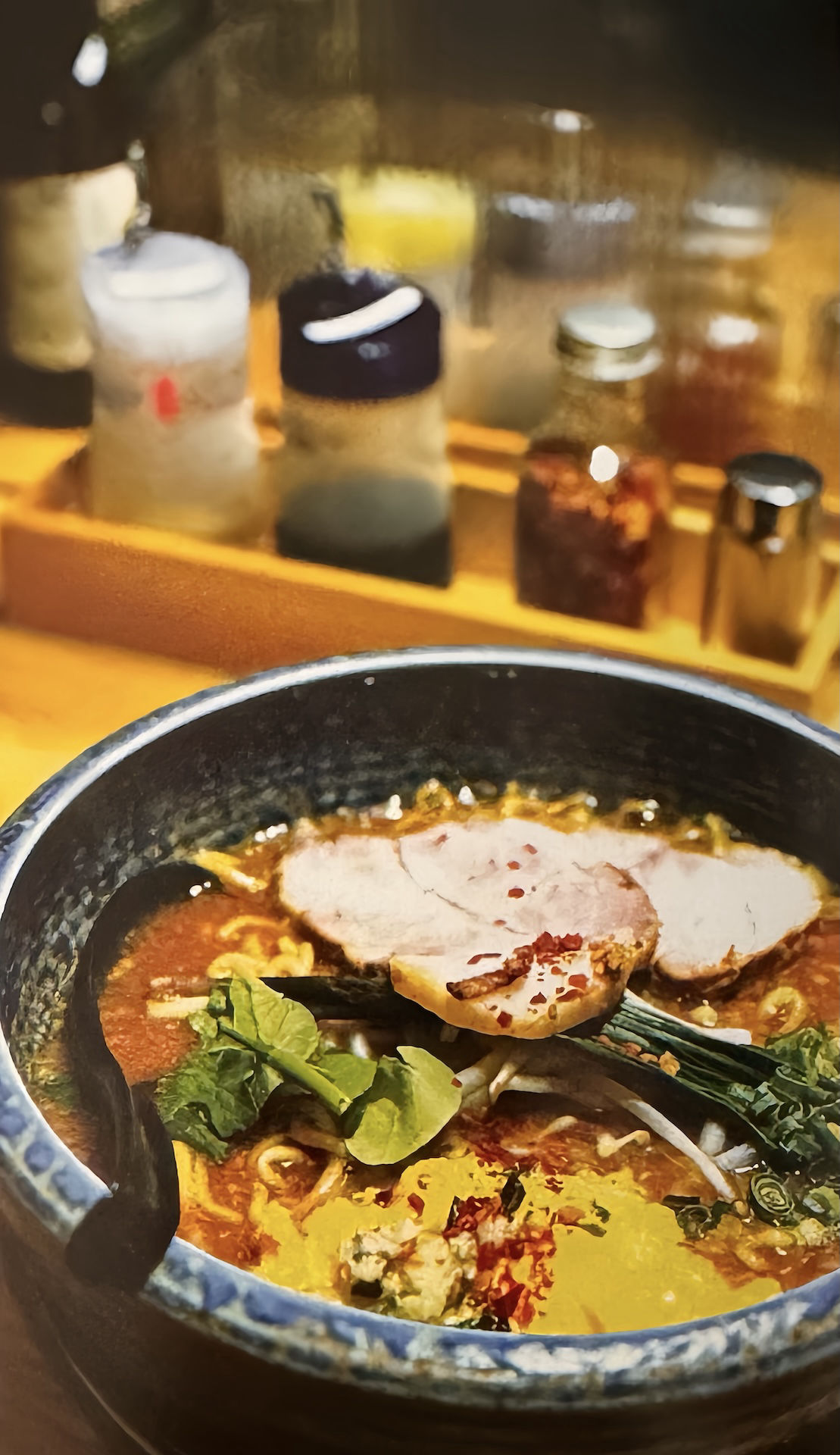
Recommended by the Michelin Guide to Hokkaido, Ichiryuan is a popular ramen restaurant with a long queue. Located just a 3-5-minute walk from the south exit of Sapporo Station, Ichiryuan insists on using high-quality ingredients from local Hokkaido to make fresh, flavorful ramen that truly leaves you feeling energized.
The rich, yet not overly salty aroma of miso, carefully braised thick-cut barbecued pork, and broth infused with the deep flavors of green onions make this bowl of ramen incredibly rich and aromatic. No wonder it’s called the best ramen in Sapporo.
Travel tip: Try to avoid the peak dining hours. I went there around 1 p.m. and queued up for about 15 minutes, no long wait, and I got to enjoy delicious ramen right away. Online reservations are welcome. Half-cooked scrambled eggs are a must-have topping!
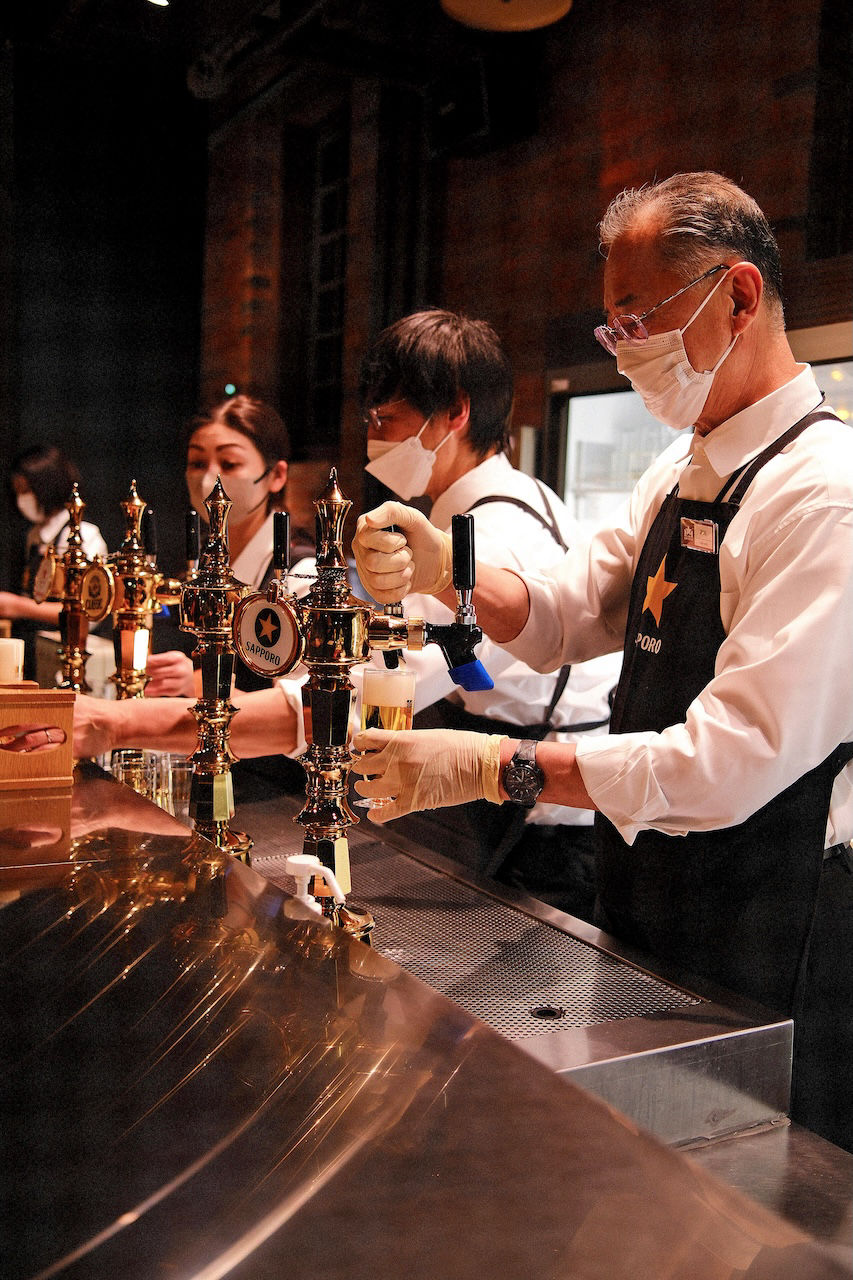
You can experience the history of Sapporo Beer, the only beer-related museum in Japan, which was inherited from Hokkaido’s pioneering business in 1876. Showcasing the history and brewing process of Sapporo beer, it offers interactive experiences and tasting events, making it an excellent place to learn about Hokkaido culture. At the end of the tour, the Star Hall offers paid sampling of delicious freshly brewed beer directly from the Sapporo Development Ale Brewery at the Sapporo Beer Hokkaido Factory. As I raised my glass, I thought to myself: the joy of festivals and holidays is really just this simple.
Known as the “city that never sleeps,” Susukino is located in the heart of Sapporo and is considered the largest entertainment district in Hokkaido. With over 1,000 restaurants, bars, nightclubs, and karaoke, the area comes alive at night, illuminated by neon lights, creating a vibrant vibe.
Travel tip: The landmark “King’s Sign” is the symbol of the Nikka Whisky Company, and is a must-see and perfect for a photo op!
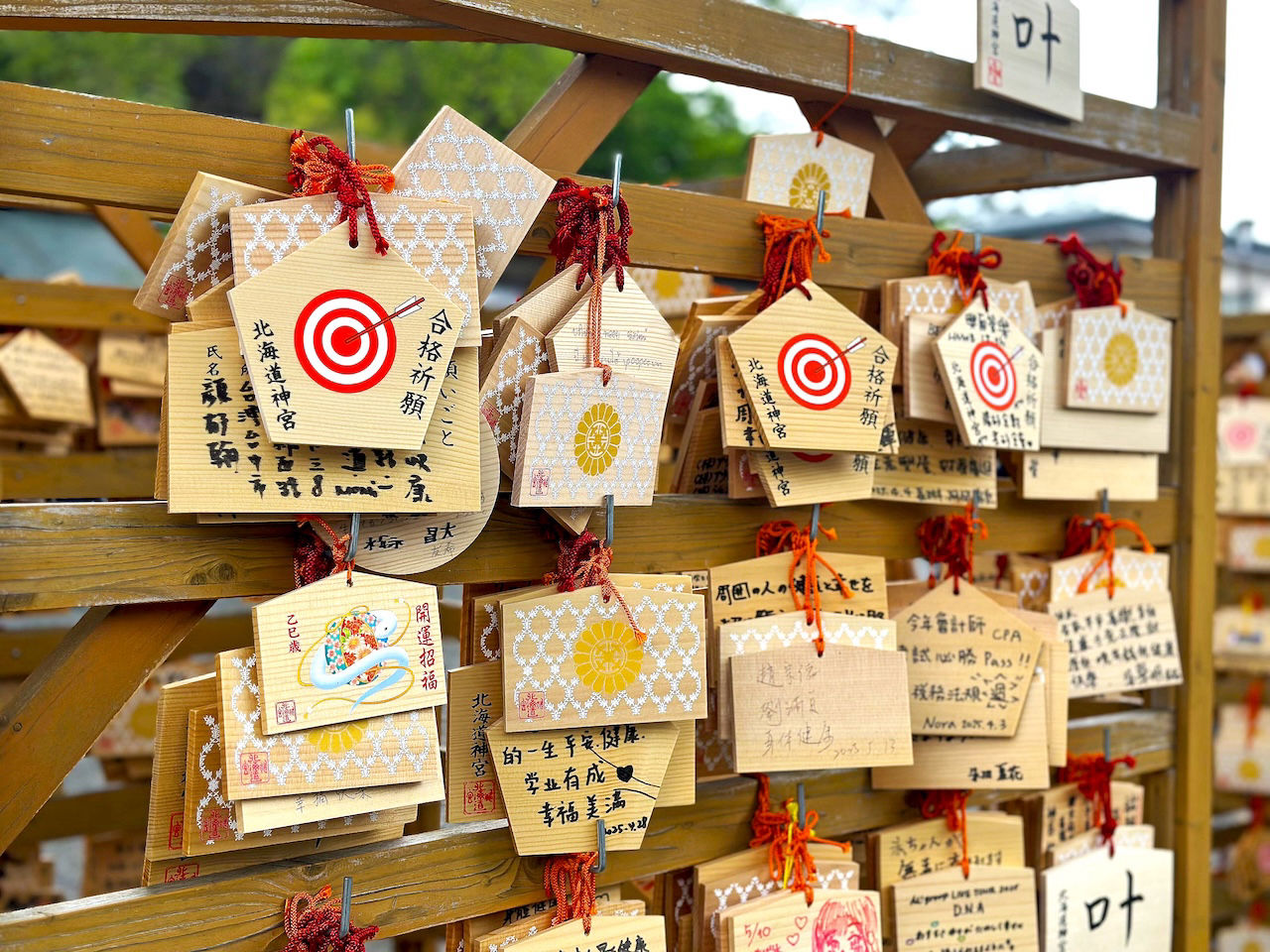
Hokkaido Shrine is the oldest and most iconic shrine in Hokkaido, and it serves as a spiritual sanctuary for the people of Sapporo. Located on the outskirts of the city, it’s easily accessible by subway, offering a peaceful retreat amidst the urban hustle. At Hokkaido Shrine, you can experience the beauty of the changing seasons while soaking in the sacred atmosphere. I visited at the end of spring, and the lush gardens and traditional shrine buildings were beautifully intertwined, creating a peaceful and calming experience.
Don’t forget to bring back good fortune for your loved ones. The omamori protective amulet from Hokkaido Shrine makes for a meaningful souvenir.
You can pray for your health, education, or love. I drew an omikuji fortune slip and got daikichi (great luck)—a wonderful blessing indeed!
Travel Tip: The Rokkatei tea shop at the shrine sells a limited-edition treat, hangannsama, freshly baked with hot red bean filling that is crispy and crunchy, and is definitely worth a try.
If you still have time to spare, there are many other places to explore in Sapporo suburbs. Take the cable car to Mount Moiwa for a night view of one of Japan’s top three night views, or hop on a bus to Jozankei Onsen for a relaxing stay in the hidden onsen town. During my 48 hours in Sapporo, whether it was the romance of the snow, the warmth of festive lights, or the comforting delights of local cuisine, each moment became a treasured memory of the holiday season. In the simplest yet most moving way, this city reminds us that the true meaning of travel lies in finding our own joy and moments of peace amidst the bustle of everyday life.
Mobirise.com