A trip to Taiwan offers complete engagement and opening of the body's senses – alluring tastes, magnificent sights, the freedom of being in nature, and more.
What makes a trip memorable? I often think about this question whenever I'm on the road. So far, I have realized that the answer is… being in the city. The complete engagement and opening of the body's senses, the tastes, the magnificence of the sights, and the freedom of being in nature – these are what makes a trip memorable. In this regard, Taiwan is the destination to have, for it satisfies all five senses and more. Having lived here for a long time, I would like to take you on a tour with me of a Taiwan that has leveled up on its tourism attractions.
In 2018, Michelin officially came to Taiwan, which already prides itself on food, thus setting off the place on a new level as a culinary destination. Now, there are more than 45 Michelin-starred restaurants, and yet this seems to be not enough. Taiwan's local senior media, for example, also opened the “Taiwan Viewpoint” using the “plate” as a unit, serving 500 plates of selected dishes. In Taiwan, you will never go hungry.
Notably, I would like to mention that about one third of the population in Taiwan are vegetarians. Vegetable cuisine has thus evolved to another level here, with a wide range of choices and cooking techniques, which you may want to try when you travel here.
Do you want to experience a family dinner in an old house? Michelin-starred restaurant, La Maison de Win, blends the essence of the East and the West to create an exquisite and delicate Chinese fine-dining experience, reinventing the charm of Chinese cuisine with the concept of family dinner, presenting a unique dining experience that blends modernity and tradition. I feel like the daughter of a nobleman when I dine here.
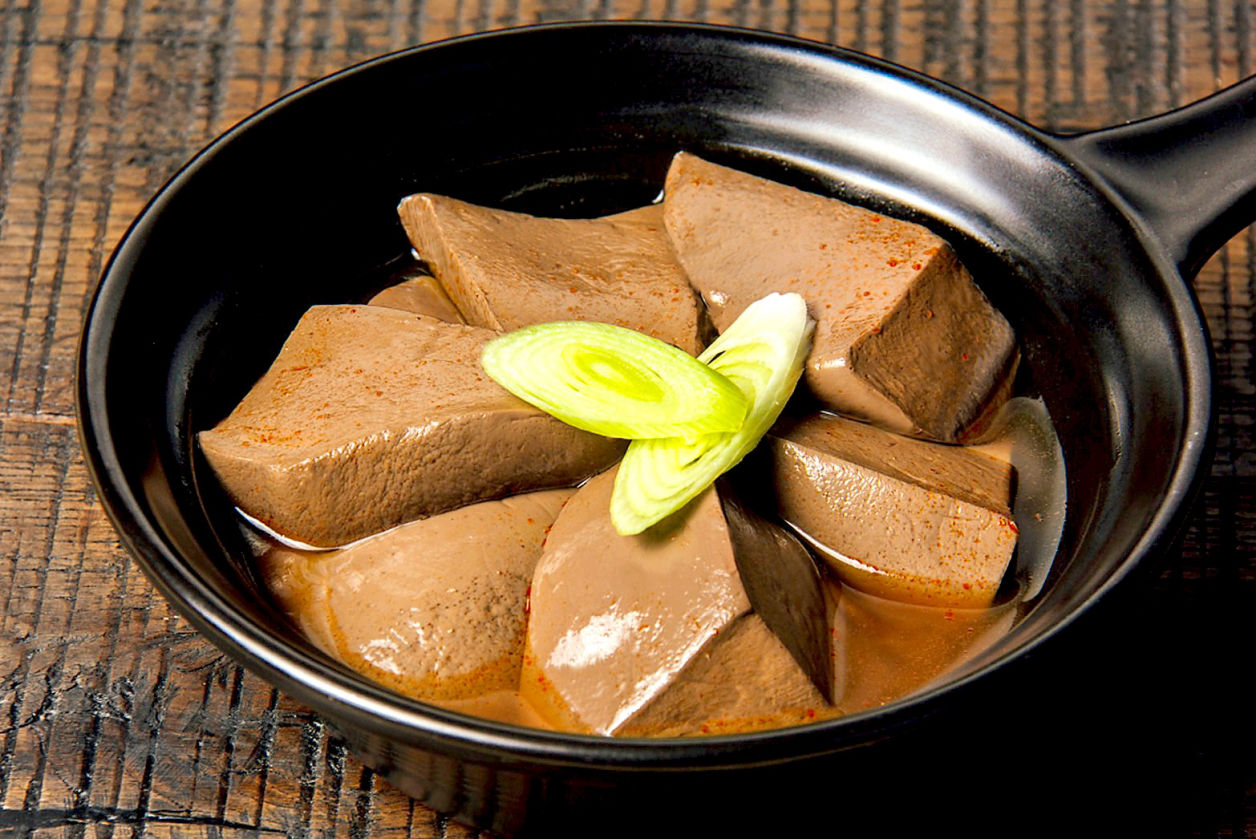
One of the signatures of Taiwan's cuisine is the spicy hot pot, and I like Chan Chi Hot Pots Lab. The hot pot goes down the throat smoothly, which is perfect for Taiwanese stomachs, and the signature smooth duck blood and soulful tofu are the best in Taiwan, leaving gourmets with a lingering taste in their mouths. The space is awash in Taiwanese culture and aesthetic, constantly creating sensory surprises, making it an ideal place to dine with good friends—super chill!
Recently, Little Tree Food, a popular veggie restaurant, advocates being a Twice a Week veggie eater. Changing the dietary habits, small amount of animal products, and increasing the proportion of vegetables in the diet, this pure and simple healthy diet can be incorporated into daily life. Emphasizing on real food and insisting on not using processed products, they use seasonal organic vegetables and fresh ingredients to make dishes. In line with the belief in sustainable living, the restaurant uses environmentally friendly and recycled building materials, furniture and chairs to promote sustainable living. I didn’t notice that we were actually eating vegetables, yum!
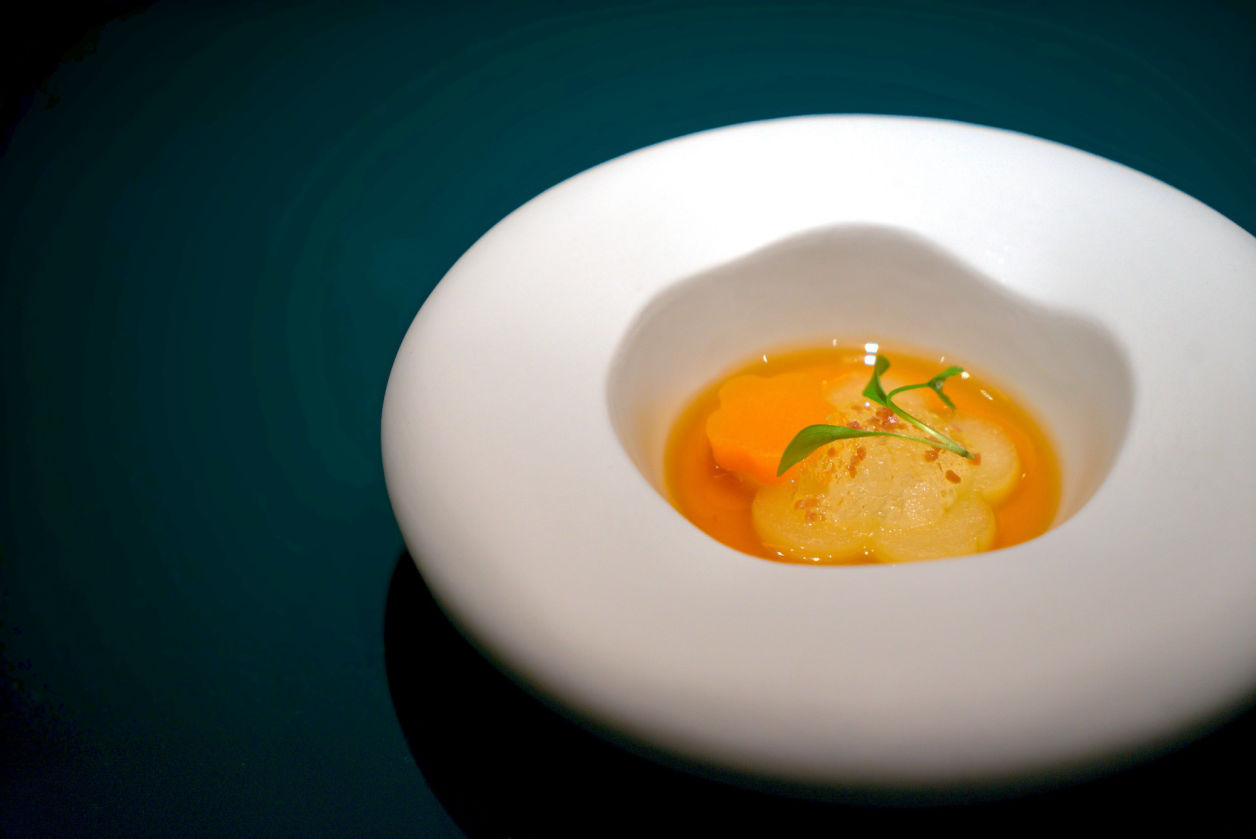
Suddenly craving for something sweet? Ice cream is always a dreamy choice, and Minimal's first ice cream set menu, which has been awarded one Michelin star, is a great way to immerse yourself in the world of sweetness.
Don't miss out on Taiwan's most authentic snacks too. Those street vendors are like family members, and they are the “channels” to deeply taste the authentic flavors of Taiwan. The long history of the night market culture here has gradually evolved, and all Taiwanese snacks are gathered in one place, with the sweetness of Tainan and the freshness of the seaside.
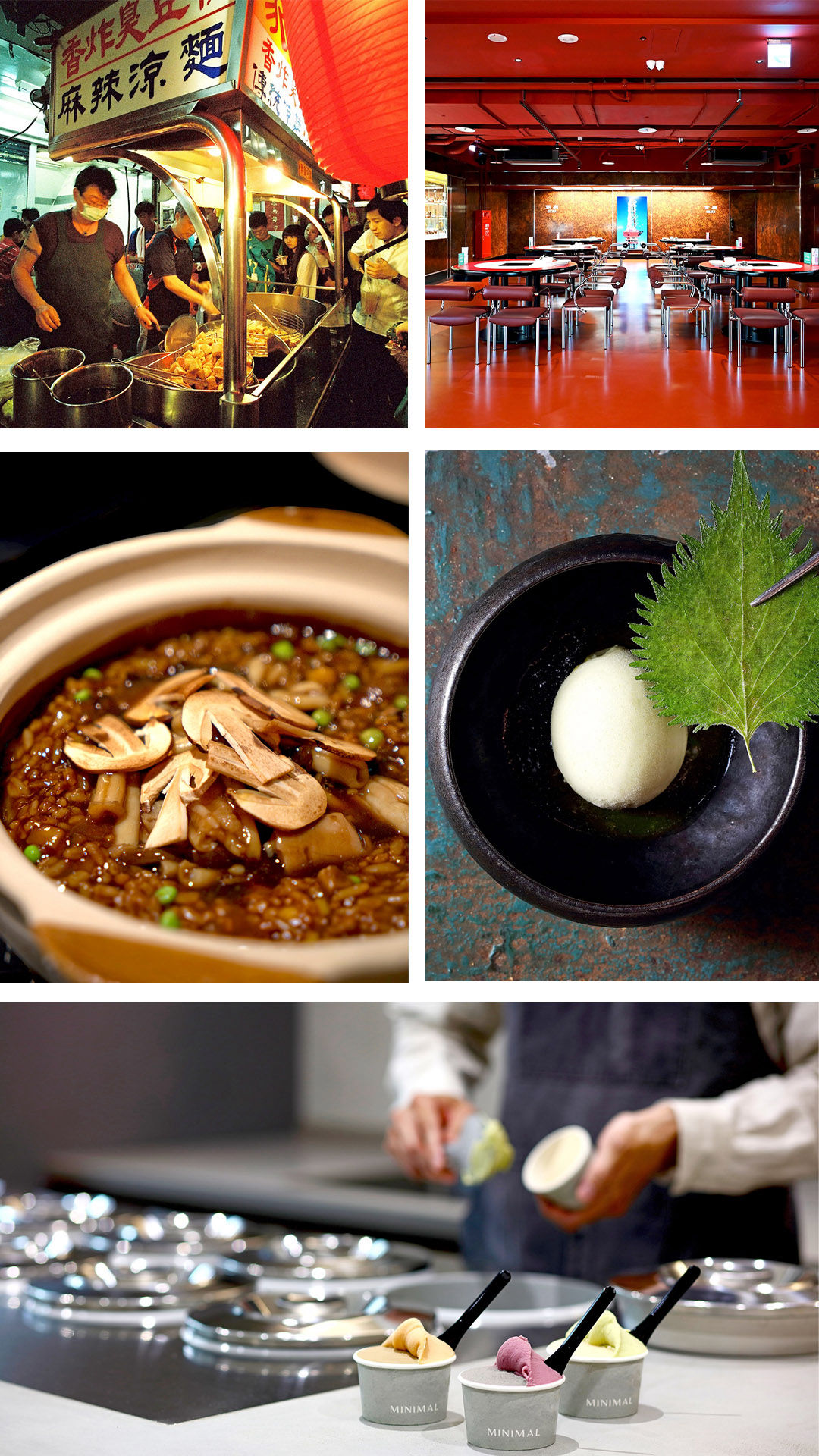
From Michelin-starred restaurants to street food, Taiwan offers it all on the same road. From morning until late at night, whatever Taiwanese flavor you're craving for, you'll find something to satisfy. Try Minimal, a one-Michelin-star ice cream shop.
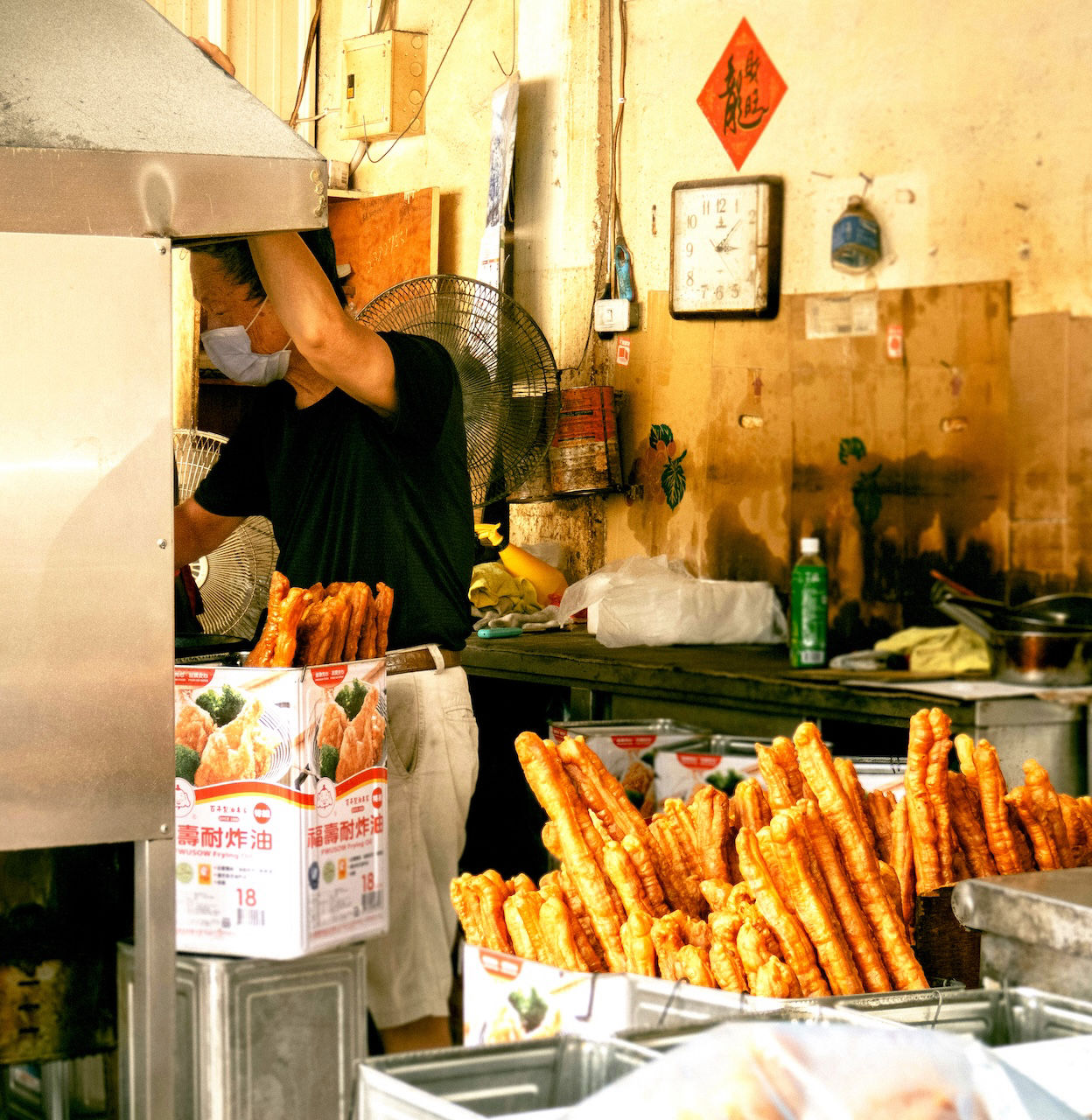
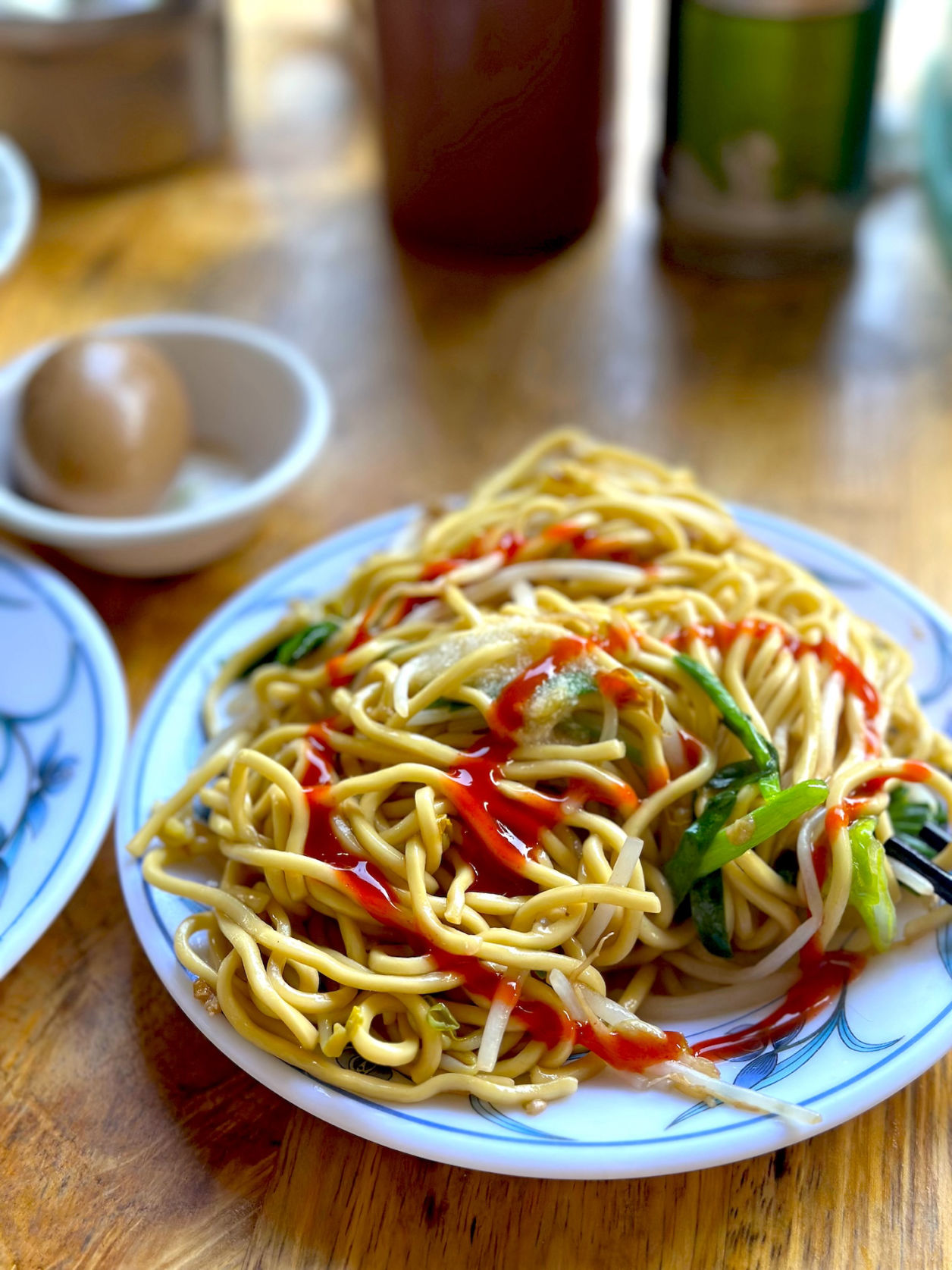
On weekend mornings, I used to go for fried noodles for breakfast, which is a unique custom among Taichung people. Make sure to add the sweet and spicy sauce! With a bowl of hot soup, it's a perfect way to start the weekend. Of course, clay oven roll
and crispy fried bread stick are also part of the Taiwanese breakfast routine, and a cup of soymilk will instantly make you feel like a Taiwanese in the early morning.
The culture of pearl milk tea has spread all over the world, so of course, when you come to Taiwan, you must have a cup of it every day. Taiwan is a tea-producing country, and there are more than 10 pearl milk tea stores on many streets. (Decidophobia!) The local tea is fresh and has different flavors.
Fruit is also abundant in Taiwan, so nowadays drinks with different kinds of juices are also very popular!
But if you'd like to try a really authentic Taiwanese flavor profile, here are some you can try: The unique aroma of bamboo tea is paired with the soft and sticky taste of caozaiguo, combining the aroma of mugwort, bamboo and milk into one, with a light grassy scent. Or you can choose the tea you want to drink first, and then add your own “toppings,” such as herbal jelly, jelly cake, taro, and so on. Even the packaging has to be cute, the better to attract customers’ attention.
The familiar Alishan is a must-see attraction for everyone who comes to Taiwan. Recently, the most popular train is the Formosensis, known as the “moving art museum,” with 165-cm wide windows, black window frames, and classic red metal window sills—elegant yet modern. Along the Forest Railway, you can climb from 30 meters to 2,451 meters above sea level, exploring the rich flora, fauna, and habitats derived from different ecological zones and climatic zones, and experiencing the marvelous changes in biodiversity.
Where to stay? Hotel Indigo Alishan is known as the most beautiful forest hotel in Taiwan and the highest altitude five-star hotel. The overall design of the hotel is inspired by the natural and humanistic scenery of Alishan, and the guest rooms are designed with the muse of the Tsou culture and the blue magpie of Taiwan. You can find every characteristic element of Alishan all around and in every corner, such as sunrise, sea of clouds, high mountains, sacred trees, and the indigenous people of Alishan.
In addition to taking the train up the mountain, I also experienced the dreamy railway journey. Taiwan's first dessert sightseeing train, Haifeng, is inspired by nature, particularly the changing of the seasons, and its exterior is a healing tiffany green color symbolizing the crystal-clear waters off the coast of Taiwan! The train has four compartments and 60 seats, with a four-person sofa in dreamy macaron colors, a double seat facing the sea, and an exclusively designed panoramic floor-to-ceiling window observation seat. With the first sea-line scenery as the theme of the tourist train, the first season of the train will run between Hsinchu and the Taichung round-trip section. Not only can you enjoy the beautiful seascape, passing through the stations also offers a glimpse of must-visit attractions. One of these is Dajia Station, which is located in the important area in Taiwan folklore and beliefs of Mazu; you can go to Mazu Temple to worship. Also notable is the first hospital in Houlong Township, which is built in the faux-baroque style, so you can experience a century-old atmosphere.
For desserts, MANO MANO, the original dessert brand from Hsinchu, Taiwan, invites you to create customized desserts, with design ideas originating from Taiwan's ocean scenery and local ingredients, such as “Taro Scallion Scones” using Taichung's Dajia taro.

Taiwan's first dessert sightseeing train, Haifeng's Tiffany-green car, is a real head-turner. Alishan never disappoints. Don't miss the Formosensis and the stunning forest retreat, Hotel Indigo.
It's a pity that so few people talk about aesthetics and architectural travel in Taiwan. I regularly visit art museums and design-related organizations in Taiwan to make my life more inspiring. There are also many hidden masterpieces in Taiwan, so why not schedule a day for an aesthetic walk?
If you love Japanese architecture, you must visit Taichung. Take the Taiwan High Speed Rail to Taichung and visit the Pritzker Prize-winning Tadao Ando's Asia University Museum of Modern Art. The avant-garde, challenging, and bold building is designed with the basic element of a square triangle, which is understated and pure, and the interior space is calm and compatible with the interplay of light and shadow, weaving a magical atmosphere. Then you can hop on the bus to the National Opera House, where you can see Japanese architect Toyo Ito's original curved-wall design, based on the concept of a “beautiful culvert,” characterized by curved lines and a sense of flow and extension, with nighttime projections that are even more beautiful!
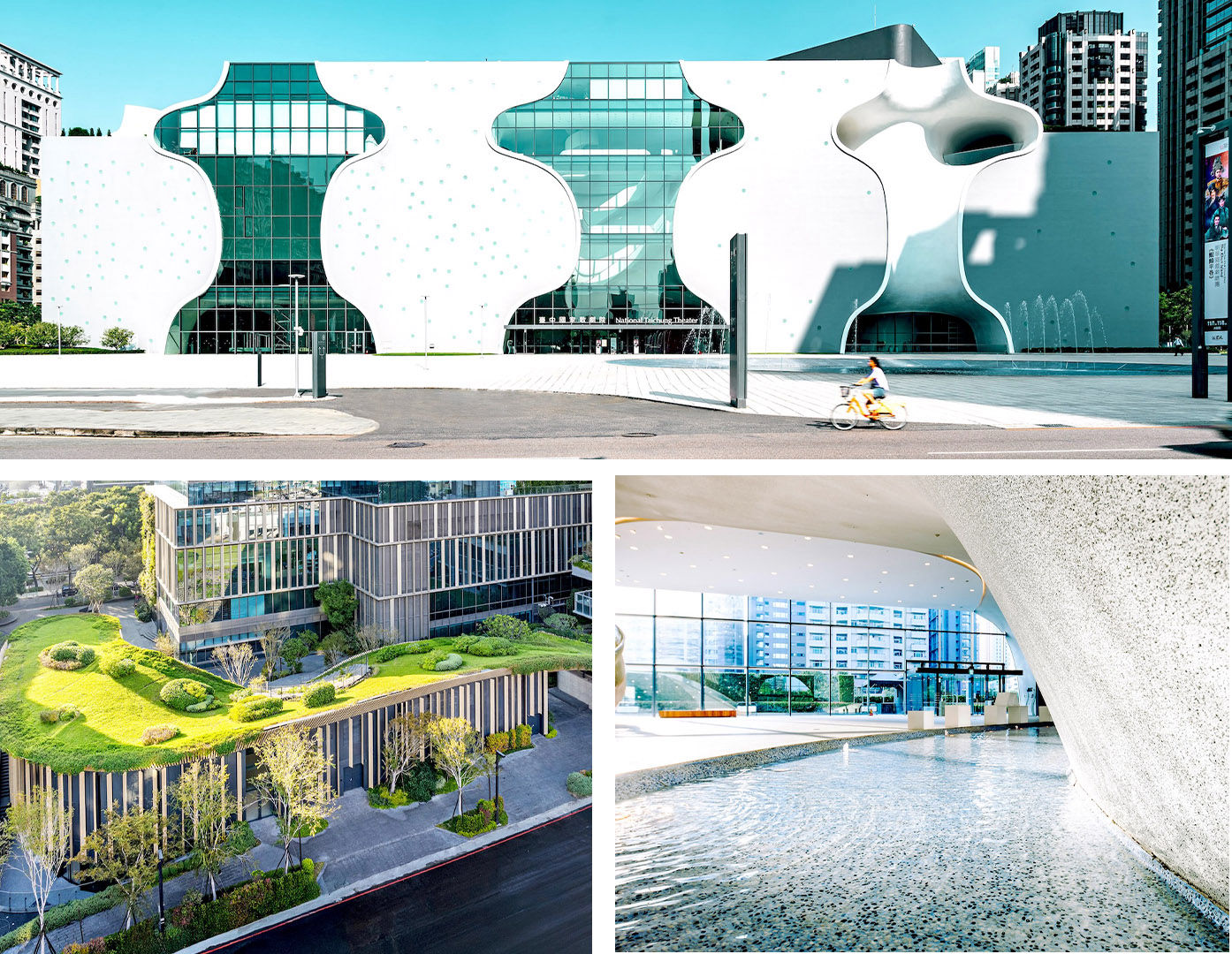
The National Taichung Theater features Japanese architect Toyo Ito's original curved wall design. Inspired by the concept of a beautiful culvert
Finally, don't forget to visit the recently just opened CMP Block Museum of Arts. Designed by Japanese architect Kengo Kuma, the museum is a new art space that combines greenery, creativity, and inspiration with the architectural concept of “lifting up the earth.” Inside, Kengo Kuma's architectural team used wood grilles, rock slab walls, and the undulating floor of the building to simulate nature, echoing the ceiling's dancing beams and creating a rich mountainous landscape. Walking along with the green corridor is also highly recommended.
This year's upcoming opening is also highly anticipated! The New Taipei City Art Museum, located in Yingge District, New Taipei City, is the work of renowned architect Yao Renxi, and was developed as an art museum in the midst of reed beds, combining local scenery with modern design styles, and is sure to become an important art tourism indicator in the northern part of the city. It will become an important indicator for art tourism in the north.
Taichung Art Museum, known as the new landmark in central Taiwan, is led by Japanese architect Kazushi Meshima, winner of the Pritzker Prize for Architecture, and Tatsuhiro Nishizawa of SANAA, a limited liability company, to create a pure white dreamy appearance. It is also the first building in Taiwan that is a joint art gallery and library.
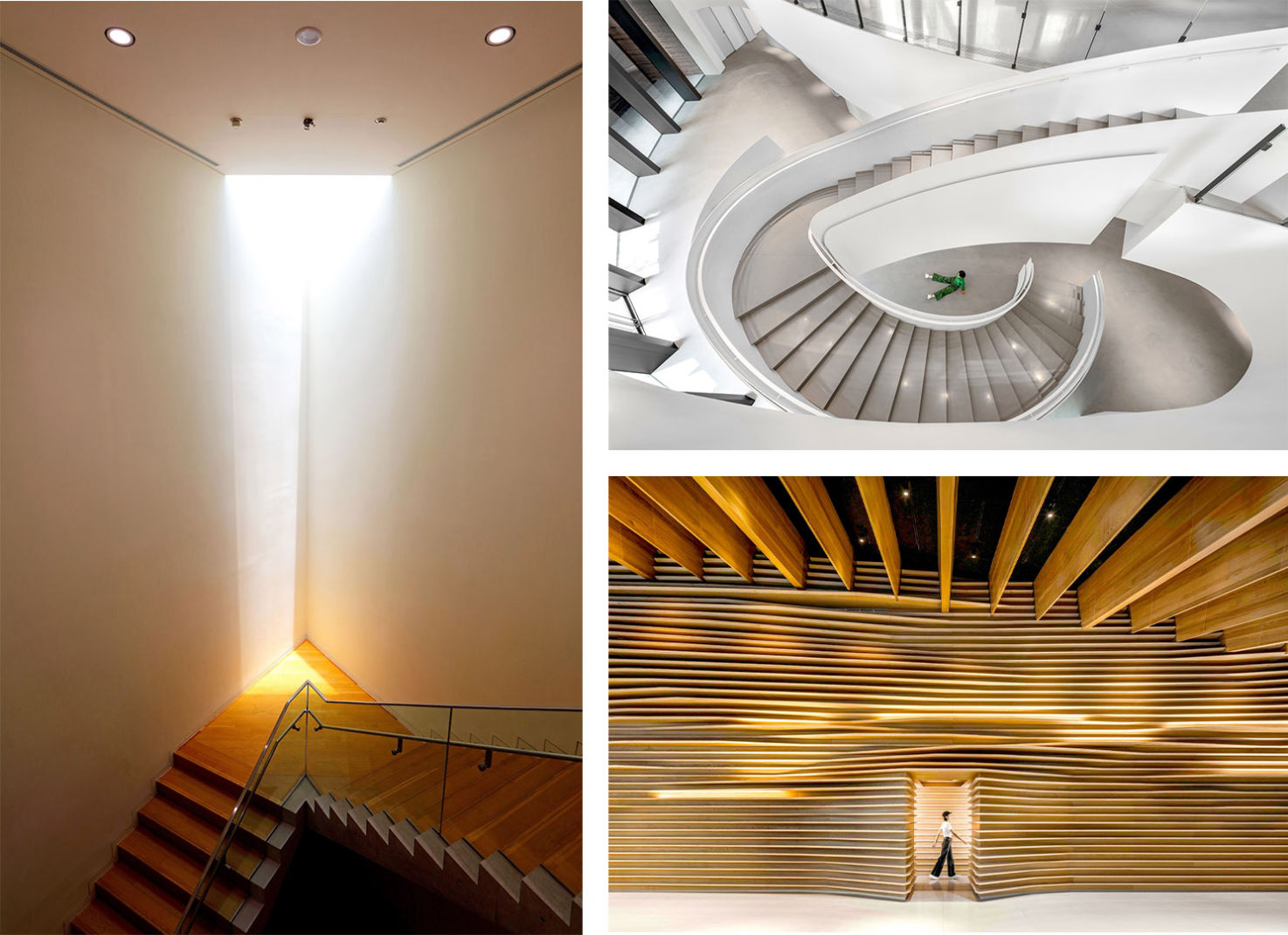
Discover the works of renowned Japanese architects in Taichung. Visit Asia University Museum of modern art by Pritzker Price-winning Tadao Ando, then head to the CMP Block Museum of Arts, designed by Kengo Kuma.
Taiwan's aboriginal culture has always been a highlight of tourism, but now it has gone beyond the traditional song and dance performances to include in-depth experiences and insights into the daily lives of the aboriginal people. If you want to experience this, you must arrange a visit to Taitung. Taitung has the longest coastline in Taiwan. In recent years, Taitung has launched an in-depth itinerary that combines nine highways on the East Coast with the three dimensions of people, sea, and food, designing three-day, two-night, two-day, one-night, and one-day tour itineraries.
Through a brand-new immersive travel experience, travelers can feel the adhesive charm of the sea in Taitung and realize the spirit of the people and the sea together.
I have participated in the “outdoor catering feast” organized by Fudin Café – “fudin” means “fish” among the Amis tribe. Fish indeed know best how to play in the water! The outdoor catering feast is a pure and in-depth experience, where you pick the wild vegetables, catch the fish and shrimp you want to eat, follow the hunters up the mountain to cut bamboo, weave coconut leaves to make placemats, and bake whatever you want try. Food utensils are made straight from nature – bamboo, banana leaves, betel nut sheaths and giant taro; you will be led to cut bamboo to make a smoky grill, and to make a fire to cook stone hotpots with boiling hot wheat rice stones.

The Outdoor Dinning Feast organized by Fudin Cafes offers a chance to experience the Amis tribute's way of life.walking out tour led by "Queen of Wild Vegetables" provide an intimate connection with the Aboriginal environment.
In order to get closer to the aboriginal people's living environment, I also participated in the walking tour. The Queen of Wild Vegetables took us on a tour of Jinlun, or Kanadun as it is called in Paiwan language. We visited vegetable gardens and the plants she uses to make natural handmade soap. The Queen of Wild Vegetables uses “tangibles” such as scalp soap and wild vegetable boxes to bring aboriginal wild vegetable culture to life. Through her introduction and tour, we also visited a few specialty stores and learned about the background and culture of Jinlun, and I highly recommend this tour.
Taiwan is a seriously underrated destination, and this account of mine shares only few parts of it. I hope you have the opportunity to visit Taiwan in person, experience the unique beauty of Taiwan by yourself. I look forward to sharing with you more in the future.

Free AI Website Maker