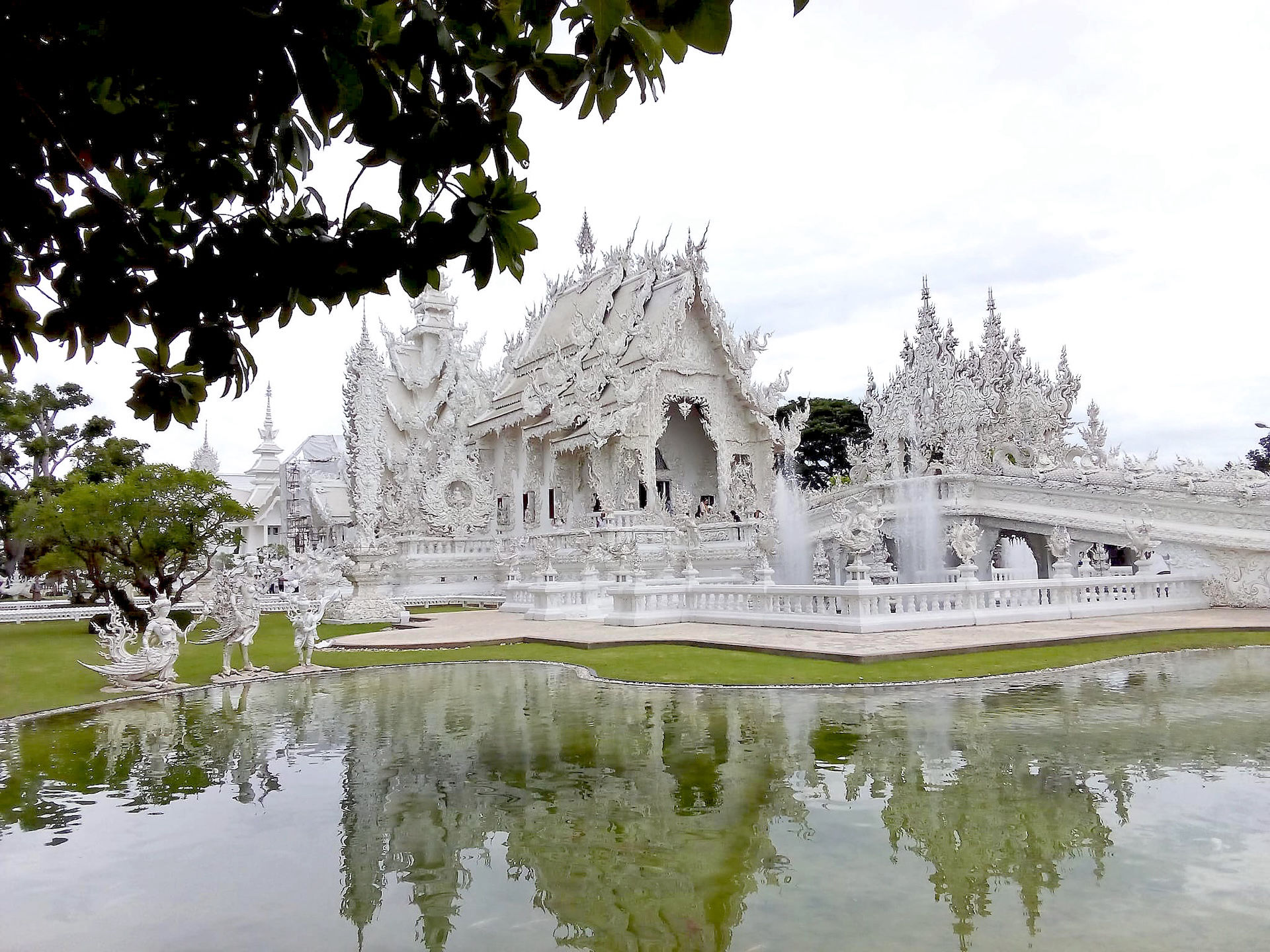
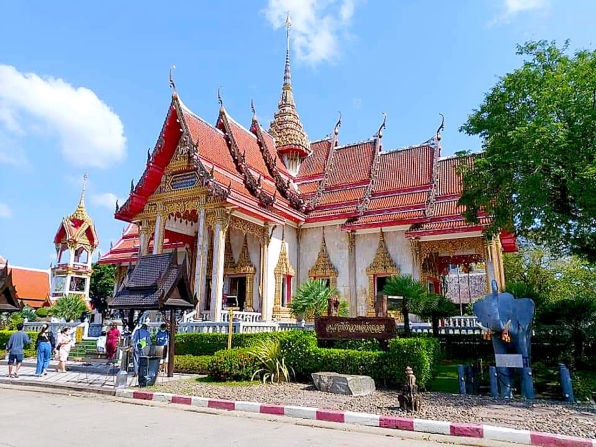
Chiang Rai's White Temple, also known as Wat Rong Khun, is a masterpiece of architectural design.
Following the locals, Philipp Meier, an expat in Thailand, has traveled extensively across the kingdom. His feature for asianTraveler showcases not just culinary delights and landmarks but also hidden gems and the rich culture that opens a traveler’s mind.
Neng took a slow, thoughtful sip of fresh coffee before opening his mouth. “Reung Rao translates as story. We literally started from nothing.” Together with his wife, he runs a specialty coffee shop called “Reung Rao” in Pai, a bohemian town in northern Thailand’s Mae Hong Son province.
Were it not for his friends, he might not be where he is today. They’re coffee shop owners, too, and have formed a unique collaboration called “Coffee and Friends.” Rather than competing with each other, the group, which includes a certified Q-Grader (a licensed coffee cupper that evaluates the tastes and aromas of brewed coffee), a drip coffee expert and a latte art master, regularly meet up to share knowledge and plan events. The result is a high-end coffee scene that’s the envy of much bigger towns and cities in Thailand.
This is just one example of how collaboration can change the world – and Thailand! In those five-and-a-half years I’ve been living in the Land of Smiles, I’ve met inspirational figures from all walks of life, veered off the tried-and-trodden track, and visited iconic landmarks – of course.
Wat Rong Khun, Chiang Rai’s White Temple, is the work of Chalermchai Khositpipat, a visionary artist and deep practitioner of Buddhist religion and meditation. But it wasn’t his work alone; he’d teamed up with over 40 young artists, construction workers and craftsmen.
A BK Asia City article reads that Chalermchai sees culture as art and art as the most important tool to change Thailand. Undoubtedly thought-provoking, the White Temple is more an art exhibition than a temple in the religious sense. Glistening like a field of diamonds, it was made with thousands of reflective glass mosaics set into white stucco. Inside, paintings of space ships and luminaries complement Buddhas.
The diametric opposite is the Baan Dam Museum, also called The Black House. Another art gallery in Chiang Rai, it focuses on the macabre side with gruesome imagery, black thrones made of animal skins, bones and buffalo horns, as well as vampire-red canvases slashed with black brushstrokes.
Chiang Rai's White Temple, also known as Wat Rong Khun, is a masterpiece of architectural design.
Thirty kilometers west of the city center, I got to see yet another side of Chiang Rai. Khun Korn Forest Park Waterfall descends down a 70-meter rock, feeding a milky-gray pool in thundering blows. The spray offered a cooling respite after the one-and-a-half-kilometer hike through the jungle.
I also found top sights in Bangkok. Asiatique The Riverfront, once an international trade port, is a romantic night bazaar on the banks of the Chao Phraya River. Its replica warehouse complex has over 1,500 boutiques, some 40 restaurants, and cabaret shows with sparkling sequins. There’s also a Ferris wheel, beautifully lit in purple.
Another landmark watching over the Chao Phraya River is Wat Arun. Featured on some 10-baht coins, this 70-meter-tall temple takes its name from the royal fleet of King Taksin, which came across it at sunrise. Ironically, the Temple of Dawn embellished with ceramic tiles and Chinese porcelain is most beautiful when the sun sinks orange behind.
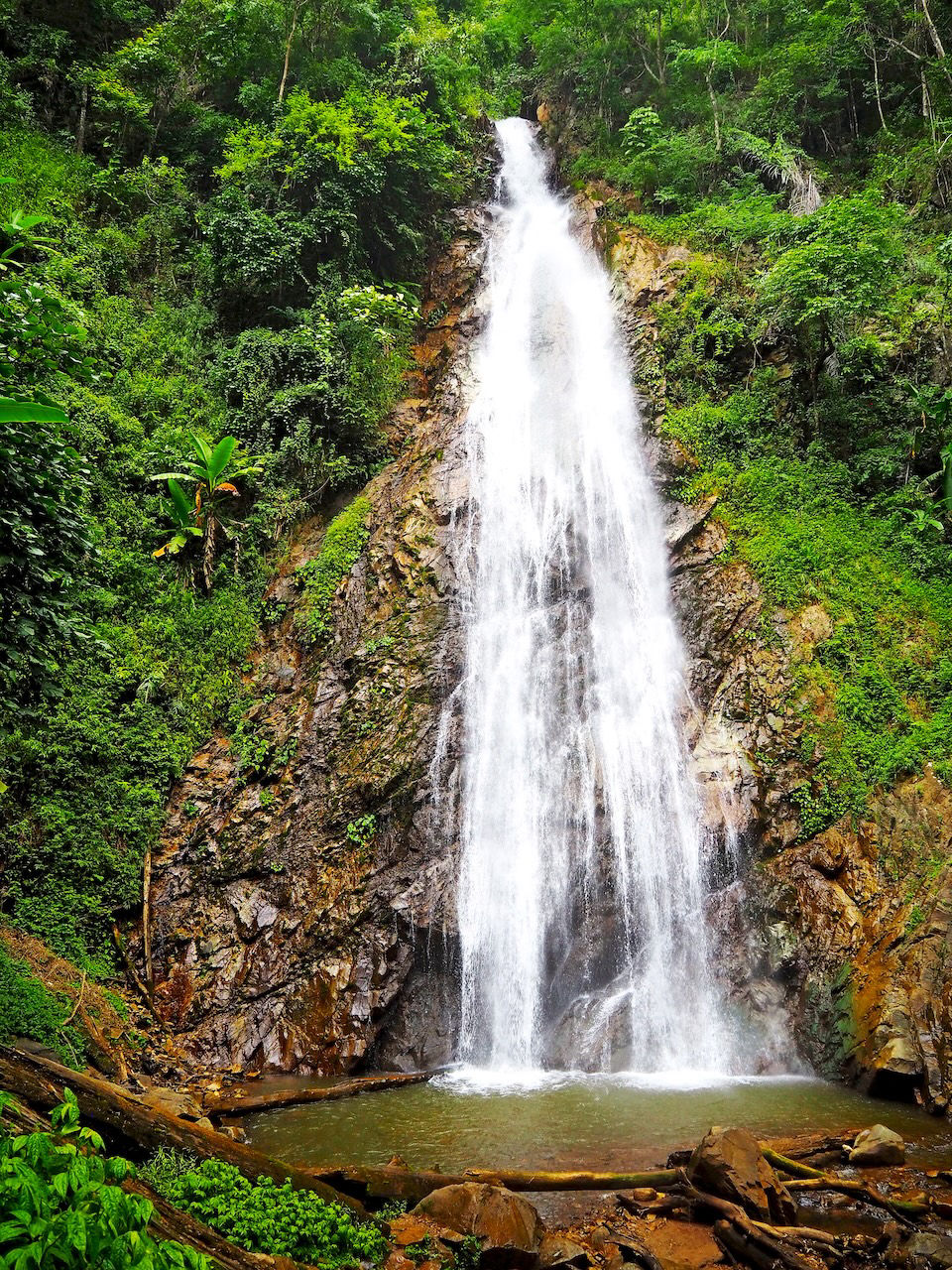
Khun Korn Waterfalls cascades down.a 70-meter rook face, just 30 km from Chiang Rai's city center
On the outskirts of Bangkok, well off the main drag of Damnoen Saduak, Lad Mayom is the place to have an authentic floating market experience. Its main point isn’t to serve as a tourist attraction, but to cater to local appetites – from juicy meats and seafood to tropical fruits and banana sweets.
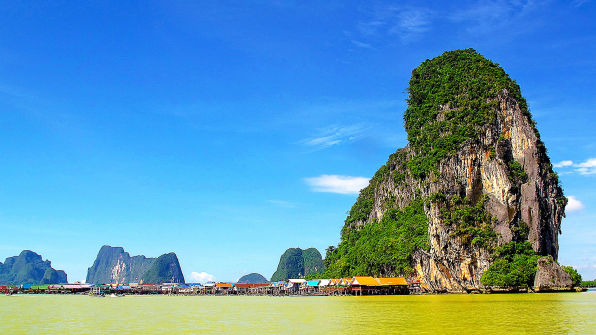
A sense of fun also awaited me when I followed in the footsteps of the wittiest James Bond ever. Khao Phing Kan, better known as James Bond Island, is Phang-Nga Bay’s unique rock pinnacle. Roger Moore and the bad guy dueled here in the 1974 movie “The Man with the Golden Gun.” Well worth feeding the flame of self-indulgence, the views in this hidden cove with its nooks and crannies had me snapping away.
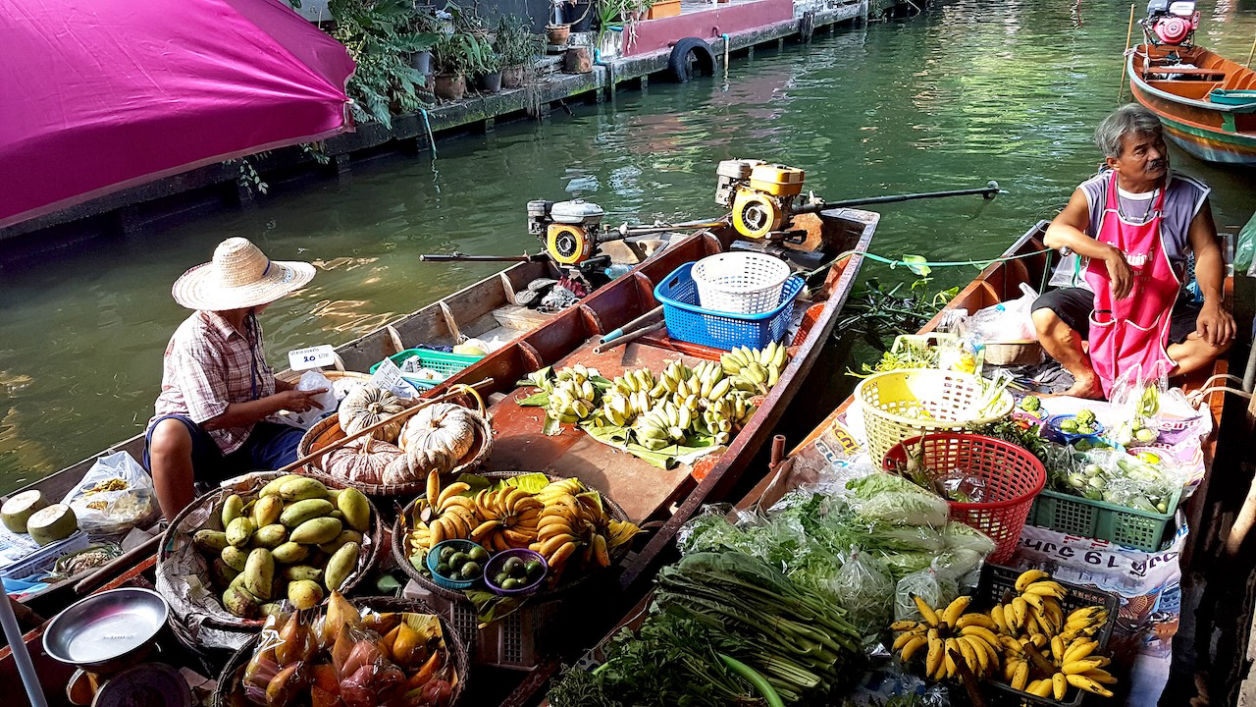
Lad Mayom, an authentic floating market on the outskirts of Bangkok.
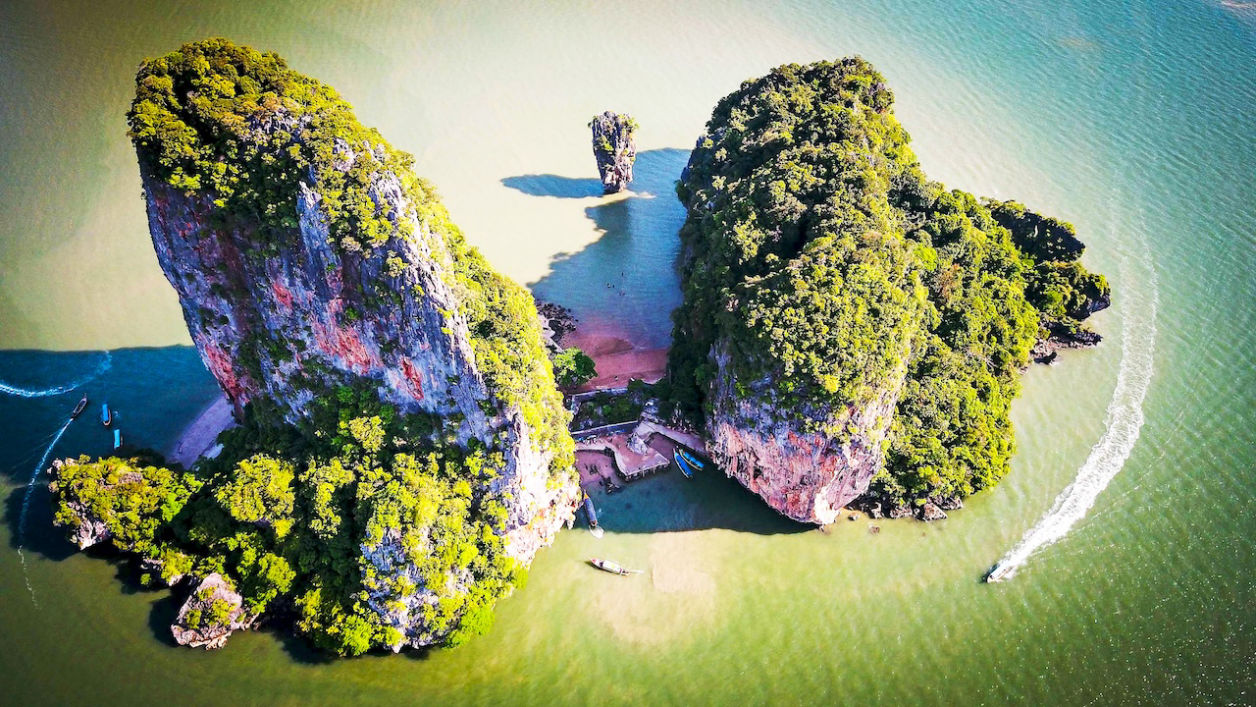
Bird's eye view if James Bond Island in Phang province.
To get a deeper understanding of the region’s turbulent history, I visited Wat Chalong in Phuket’s Chalong area. Involving Chinese tin mine laborers, it was the scene of a bitter dispute in 1876. Folklore has it a monk named Luang Por Cham created a magic turban for protection, saving the lives of villagers who fled into the temple. Today, everyone is welcome to pray and donate sweet-scented jasmine garlands, burst firecrackers, and bow in front of the monk’s life-sized wax figure.
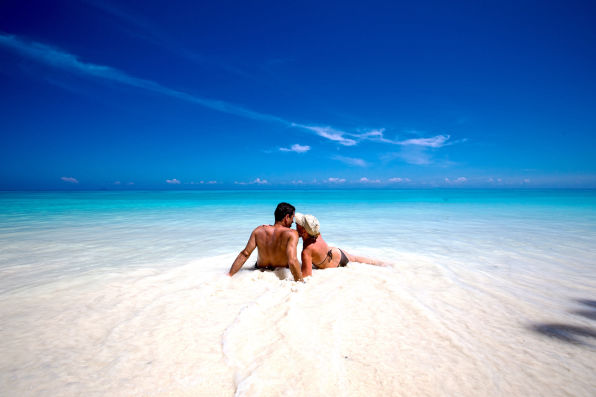
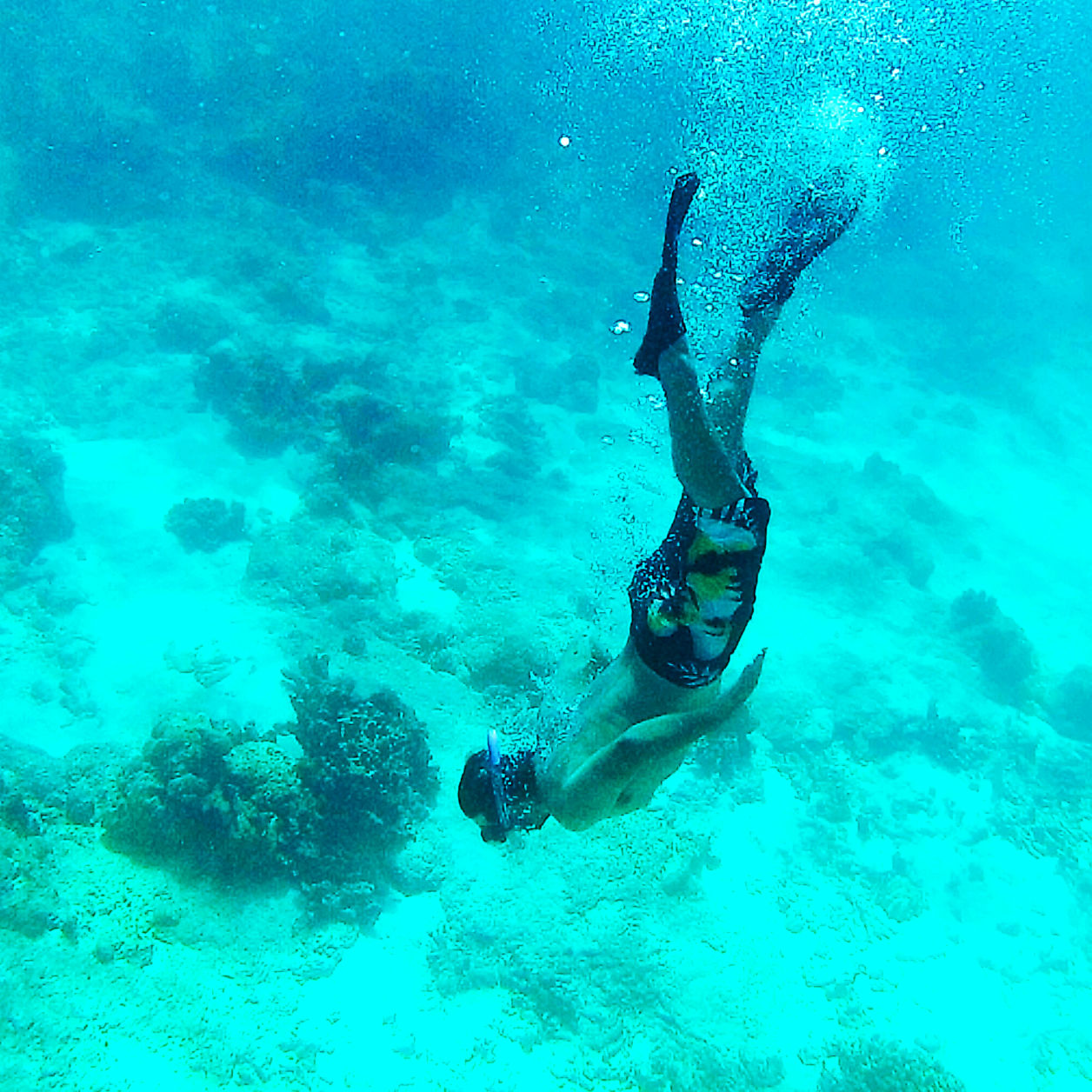
The Similan Islands, on the other hand, were shaped by Mother Nature’s powerful forces. An archipelago of nine islands off the coast of Phang-Nga province, its rock formations make a dramatic backdrop against the glittering Andaman Sea. Before snorkeling with turtles and shoals of fish, I hiked to the viewpoint to shoot photographs of Donald Duck Bay with its white, powder-puff sand lapped by an aquamarine sea.
Ang Thong National Marine Park in Surat Thani province also knocked my socks off. With hidden lagoons, secluded beaches, and a viewpoint looking out over myriads of limestone islets, this almost surreal attraction offers romance by the bucketful. To get here, you can take a day tour from Koh Samui or Koh Phangan.
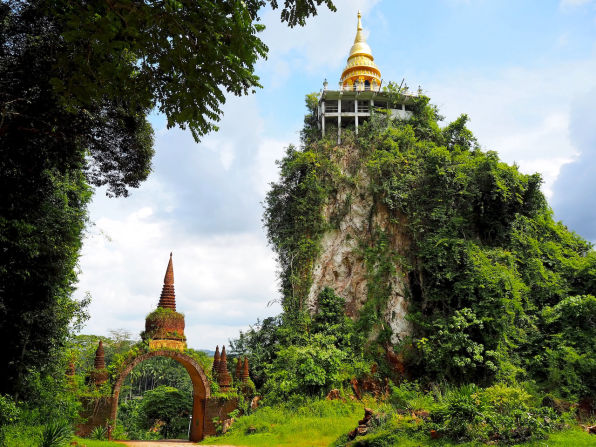
Well off the tried-and-tested track is Khao Na Nai Luang Dharma Park, a Buddhist temple complex in Surat Thani’s Phanom district, which dates back to 1975. Enthroned on jungle-clad limestone crags, the park boasts mortar spires and several stupas that glitter in gold, while laterite brick-red chedis are reminiscent of the Khmer empire.
Just as peaceful is Hin Phad, a viewpoint in Rat Nikhom district in the same province. Visiting this place with its gravity-defying, eight-meter rock that measures 20 meters in circumference, I only heard a cascading waterfall and the calming calls of a crow pheasant.
Needless to say, I’ve also eaten my way through the country. Thailand’s cuisine has tastes that range from hot and sour to sweet, salty, and bitter, which highlight the accouterments of Thai cuisine. Chefs in the landlocked north use whatever is available. Those in the south like fish sauce and coconut milk.
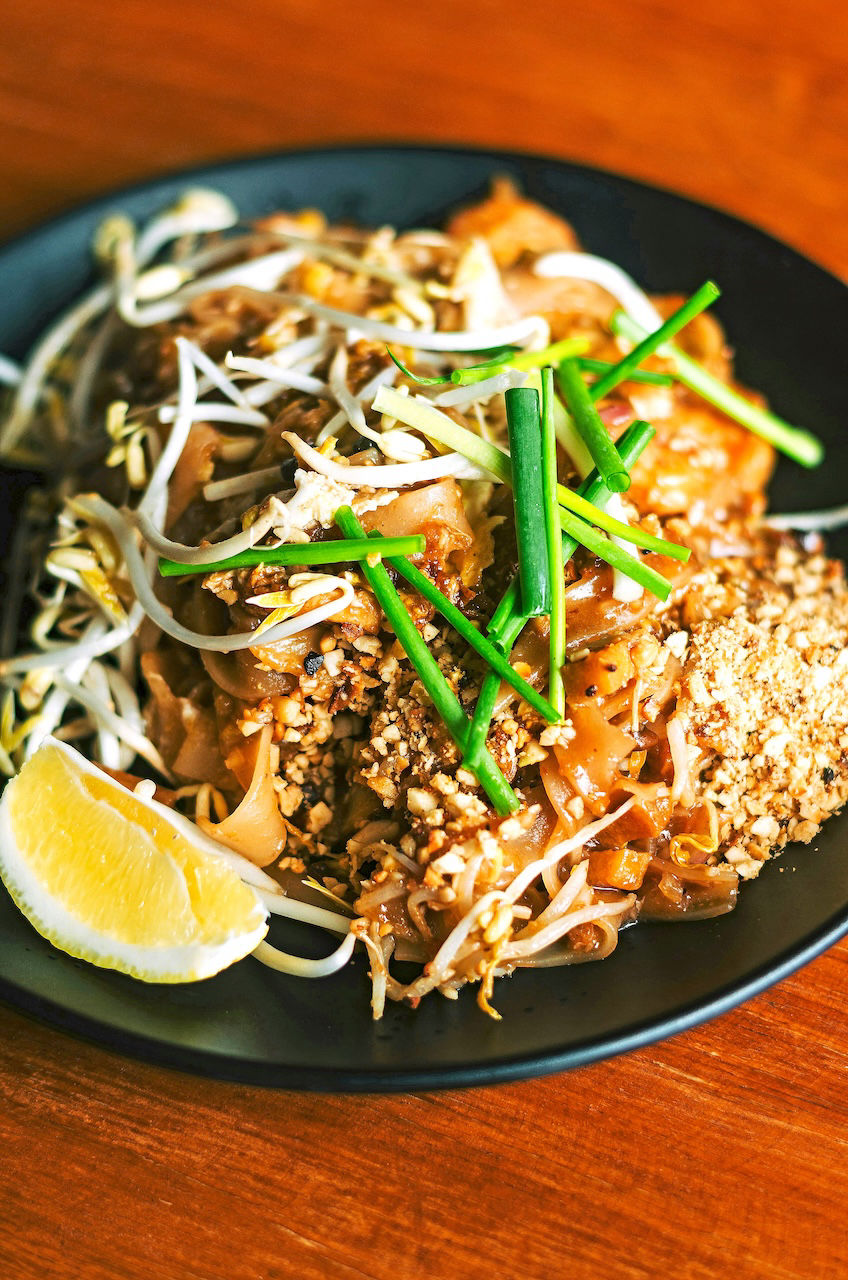
Back in 2006 when I was a tourist and first-timer to Thailand, I liked pad thai because it wasn’t too-too spicy. Fried in a wok and commonly served as street food, the stir-fried noodle dish with shrimp or chicken is topped with bean sprouts, peanuts and scrambled eggs. I liked to sweeten it with sugar, while friends who could take the heat added chili.
Over the years, I’ve become an adventurous eater and tried som tam. Stroll down any of Thailand’s busy streets and you’re bound to hear that crushing and pounding som tam derives from. It translates as “hit and pound,” meaning the chopped peanuts, cherry tomatoes, crunchy strips of green, unripe papaya and shrimp you can’t get enough of are mixed and mashed with a pestle using the pound-and-flip method. Seasoned with chili, garlic and hot pepper, papaya salad bursts with flavors thanks to the addition of palm sugar, lime juice as well as fish sauce, tamarind paste and squeezed lime skin.
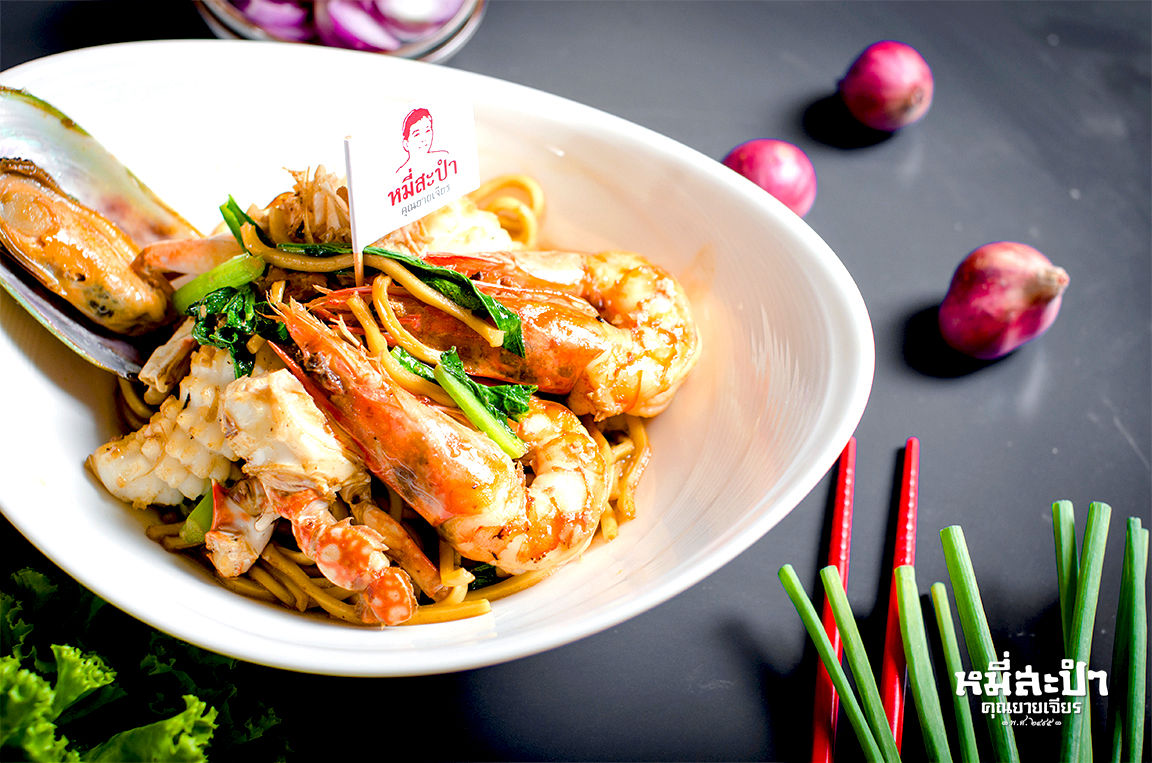
As a Phuket-based writer, I wanted to understand the island’s cosmopolitan mix. The best way to do that was by eating Hokkien noodles and meeting the brains behind. Flash-fried and bouncy, these egg noodles introduced by Chinese settlers to Phuket were reinvented to suit the southern Thai palate. Stir-fried with greens, black pepper gravy and seafood taken from the morning’s catch, the Chinese dish embodies Phuket’s ethnic diversity.
I was quite surprised when I learned of “stargazing nights and local bites.” Nowadays, almost every restaurant claims its food is “farm-to-table,” but some of Thailand’s best hotels are going to impressive lengths to differentiate their culinary offerings.
The five-star Wyndham Grand Phuket Kalim Bay on the fringes of Patong offers on-site barbecue nights hosted among a garden of exotic, home-grown fruits, herbs and vegetables, including galangal, kaffir leaves, lemongrass, and others. There’s a similar focus on local produce at the five-star property of Melia Phuket Mai Khao. To provide a feast for the senses, the wellness haven embraces sustainability not least with its organic garden.
Culture-wise, Thailand is a showstopper. With tales and traditions woven into the rich cultural tapestry of exuberant festivities, Thailand’s past and present are glued together. The Thai New Year in mid-April sees the country transform into one big water fight, with everyone drenched in the crossfire of toy guns made to shoot jets of water. While the fun aspect dominates during the three-day festival from April 13 to 15, Songkran, the Water Festival, is deeply rooted in an age-old custom that symbolizes the washing away of misfortune and guilt.
Likewise, Loy Krathong, the Festival of Lights, represents letting go of negativity. Under a full moon that bathes the November night in all its glory, millions of people gather at lakes, rivers and the sea to release candle-lit krathongs adorned with flowers and joss sticks. Krathongs are floating, religious offerings in baskets made from banana leaves – left to float after asking the goddess of water for forgiveness for wrongdoings.
Similarly, Phuket’s Vegetarian Festival in the fall is about turning to the Nine Emperor Gods – former kings of China that emerged some 400 years ago, the belief that cheek-piercing rituals saved Phuketians from a pandemic originated from Chinese settlers in 1825. They believed they’d been punished for killing for food.
Aside from mythological gods, locals honor thousands of others that have resulted from 3,000 years of history. Many used to be human, including musicians, doctors, businessmen, and soldiers. That’s why you can see musical instruments as well as war-like objects during the processions – thrust through cheeks of Mah Song, or horses of gods, who take on the community’s sins.
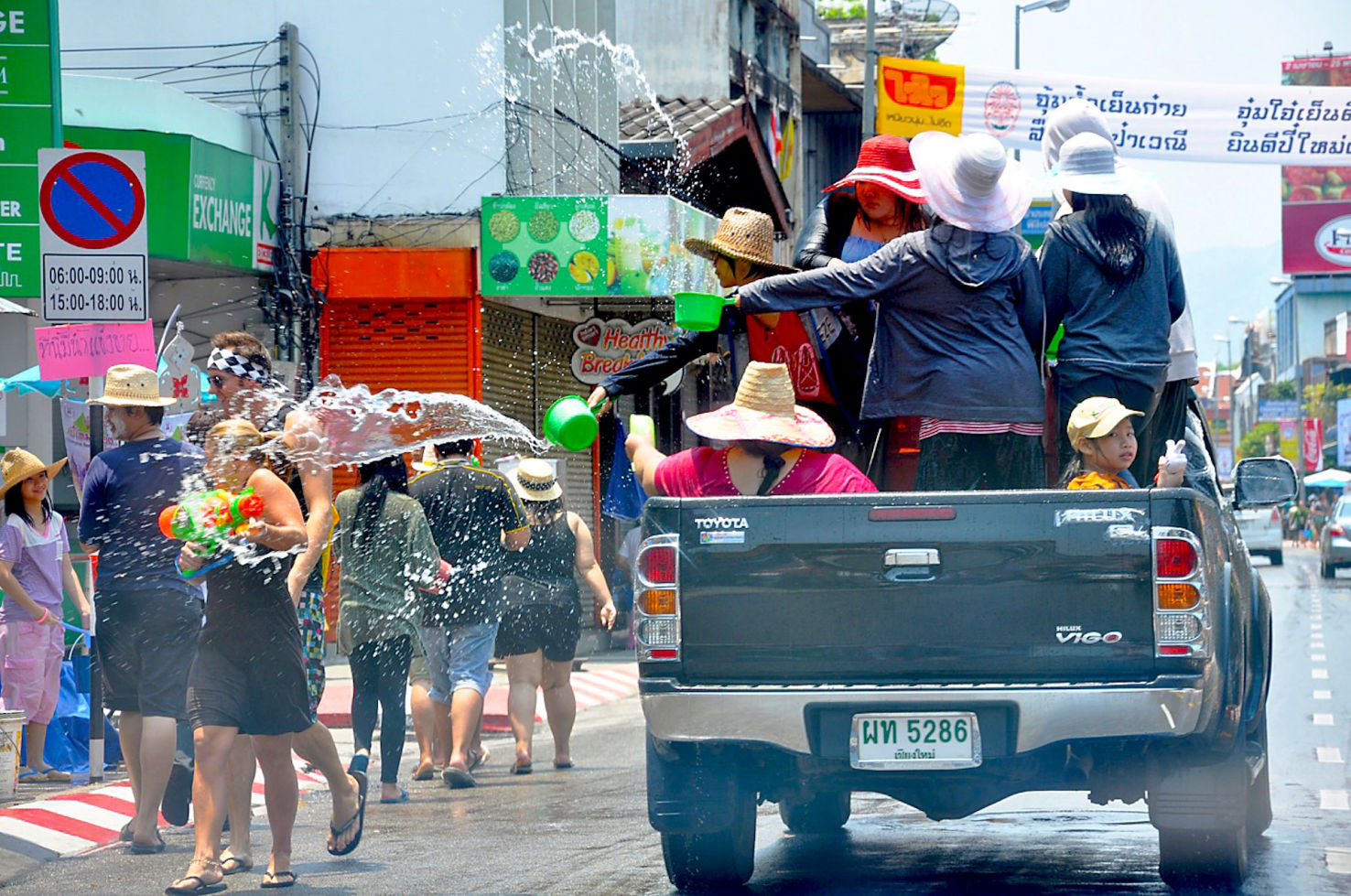
Everyone gets wet during Songkran, Thailand's annual water festival.
Even older than the Vegetarian Festival is shadow puppetry, or nang thalung. Used in Thailand for centuries, the art of relating stories through still shadows is a cultural attraction best viewed at Suchart Subsin’s Ban Nang Thalung in Nakhon Si Thammarat. To give puppets a soul, they meet light, set against a screen along with traditional Thai music and a performer who spins yarns, sings, and laughs like a mischievous bully.
While central Thailand tells mythical Ra Makien tales that originate from the Hindi Ramayana stories, southern Thailand chronicles what happened in bygone eras, including how residents fled their homes under the rule of the Srivijaya Kingdom between the 7th and 13th centuries, when Thailand’s shadow play started. Legend has it shadow puppets were also used to cast voodoo spells.
“Sriwichai people knew all the Thai traditions, but no one knows what birthed shadow puppetry (abroad),” said Ob, a friend of Suchart Subsin’s son named Sanee. I met Ob at Ban Nang Thalung, a shadow puppet museum today run by Sanee. “People believe it has its roots in India, dating back over a thousand years. In Thailand, it started just south of Nakhon Si Thammarat in the Sriwichai territory, which was later split into several of today’s provinces, including Phatthalung.”
It’s also uncertain how the term nang thalung emerged. While three theories exist, Sanee thinks most likely is that a shadow puppetry called nang (performance) Phatthalung – performed in a Phatthalung palace for King Rama V – was later fused by Thai tongues into “nang thalung.”
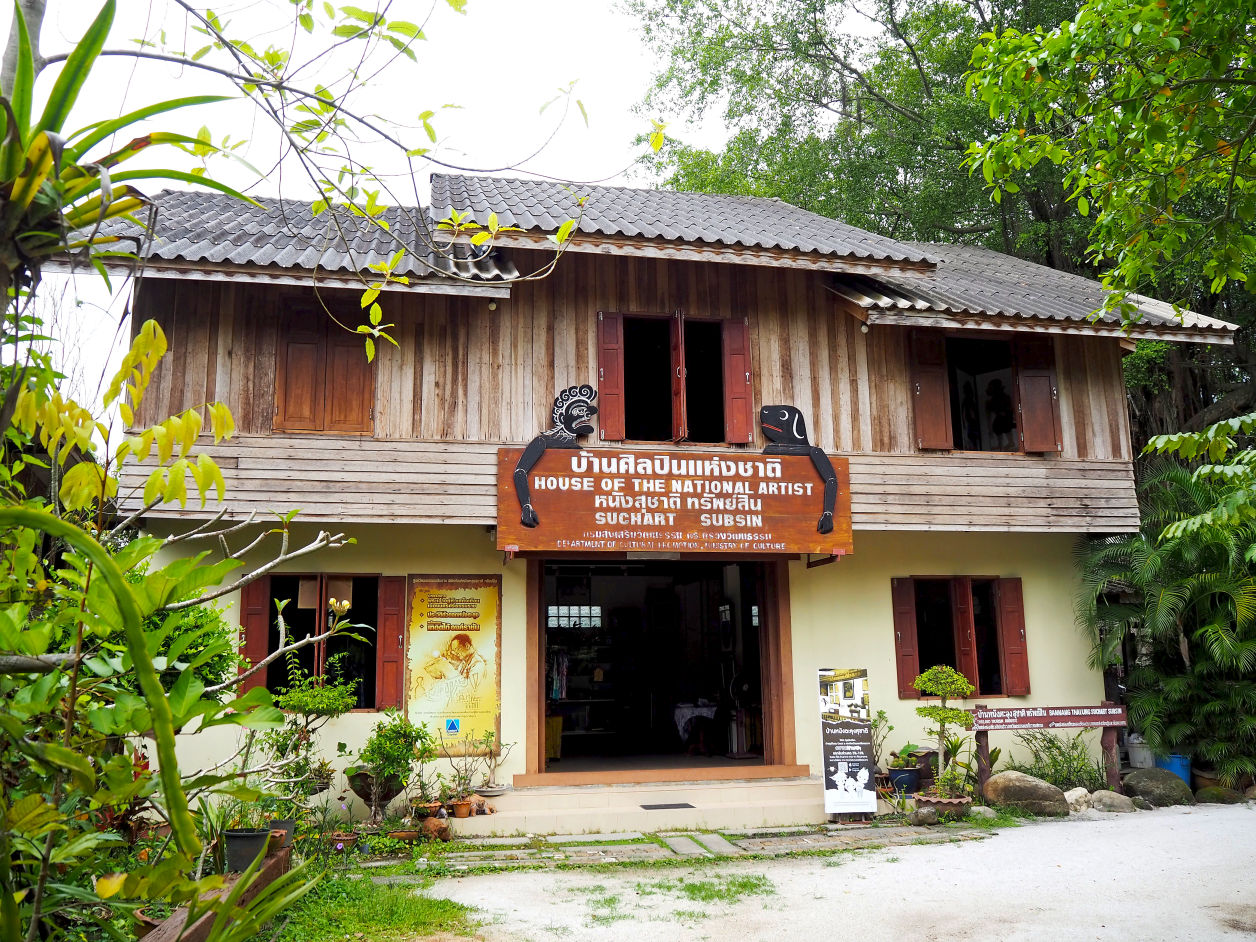
RespSuchart Subsib's shadow puppetry Museum in
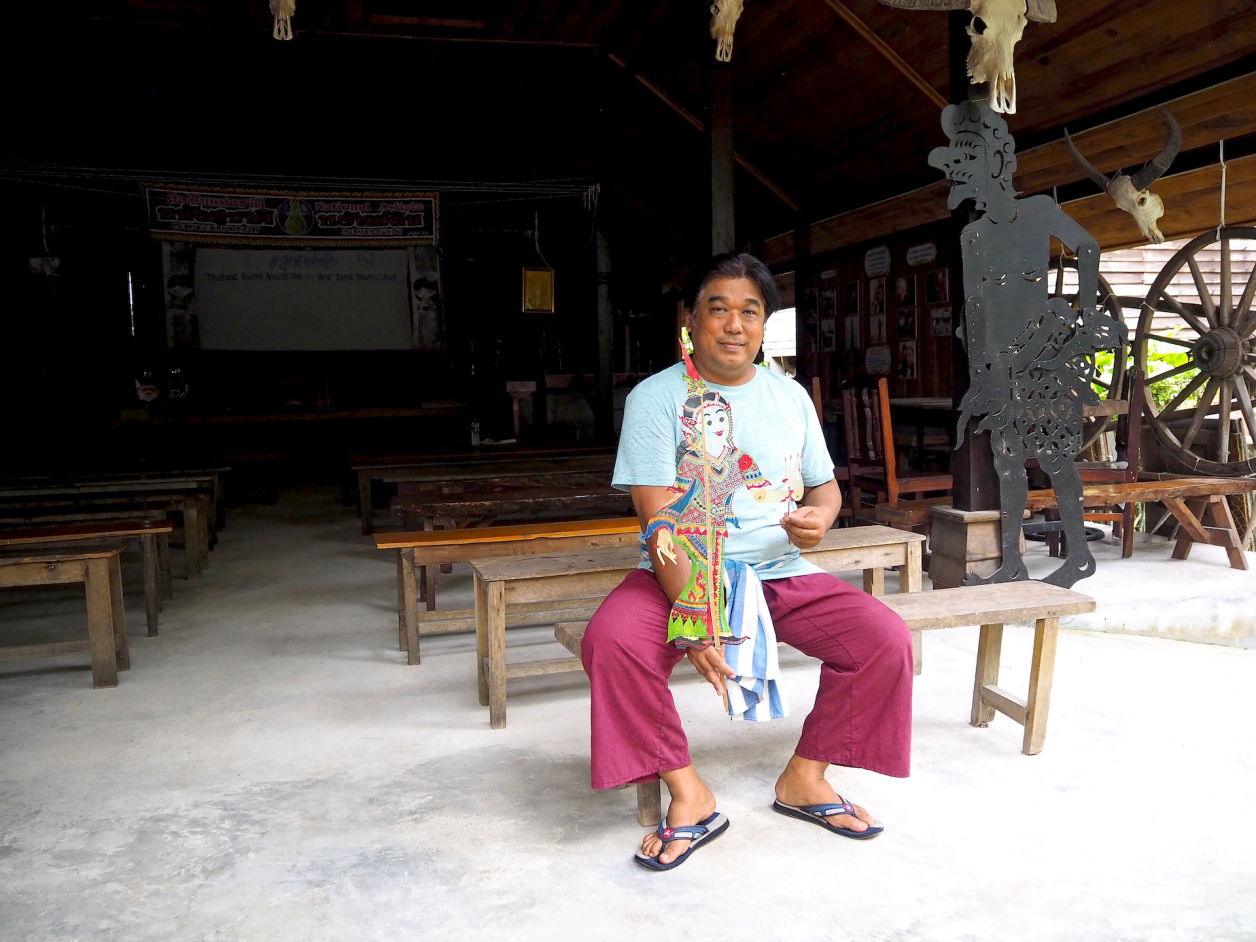
Sanee Subsin- shadow puppet in his hand- continues the tradition his father started.
And with that, back to the coffee culture, which also brings people together. With quality coffee from overseas and northern and southern Thailand, and mostly Thai baristas, coffee is traditionally big in Thai culture. According to Thais, they’ve always liked to meet up for their morning coffee gossip. While the chains Black Canyon and Starbucks marked Thailand’s turning point from instant coffee to a more modern coffee-drinking style, today’s charmers are tiny coffee houses, of which there are many in northern Thailand.
In Mae La Noi district’s Huai Hom, a beautiful Thai backwater home to the Sgaw (white) Karen, an ethnic sub-group of Thailand’s Karen hill tribe, cooler temperatures make for tasty high acidity coffee. Visitors to this spectacular mountainous area can taste the region’s unique coffee cherry tea made from the dried skins of organic Arabica cherries, sample full-bodied AeroPress and drip coffee, and interact with the local tribe members.
Chocolatey and pleasantly bitter dark roast coffee is also available in Phuket. Small and authentic, Witthaya Home Brewing in the Witthaya Family’s home is the ultimate place to lap up local Thai coffee culture.
And in Pai, a town that’s rammed with cafes, I talked to adorably jubilant members of Coffee and Friends. “Like a chef who cooks food the way he wants, I like to experiment tastes,” said Hoi, a drip coffee expert. He showed me his grinder with adjustable spacing to get anything from a coarse grind to aromatic nuggets in pulverized form.
Unlike Hoi’s coffee house Mit Faung Full, open only on Thursdays, Reung Rao is open daily. Embodying Thai stoicism, Neng continued to talk about their cafe. “Reung Rao is our life, our shop and our passion. I don’t know when it will end, but it feels like now we’re writing the story.”
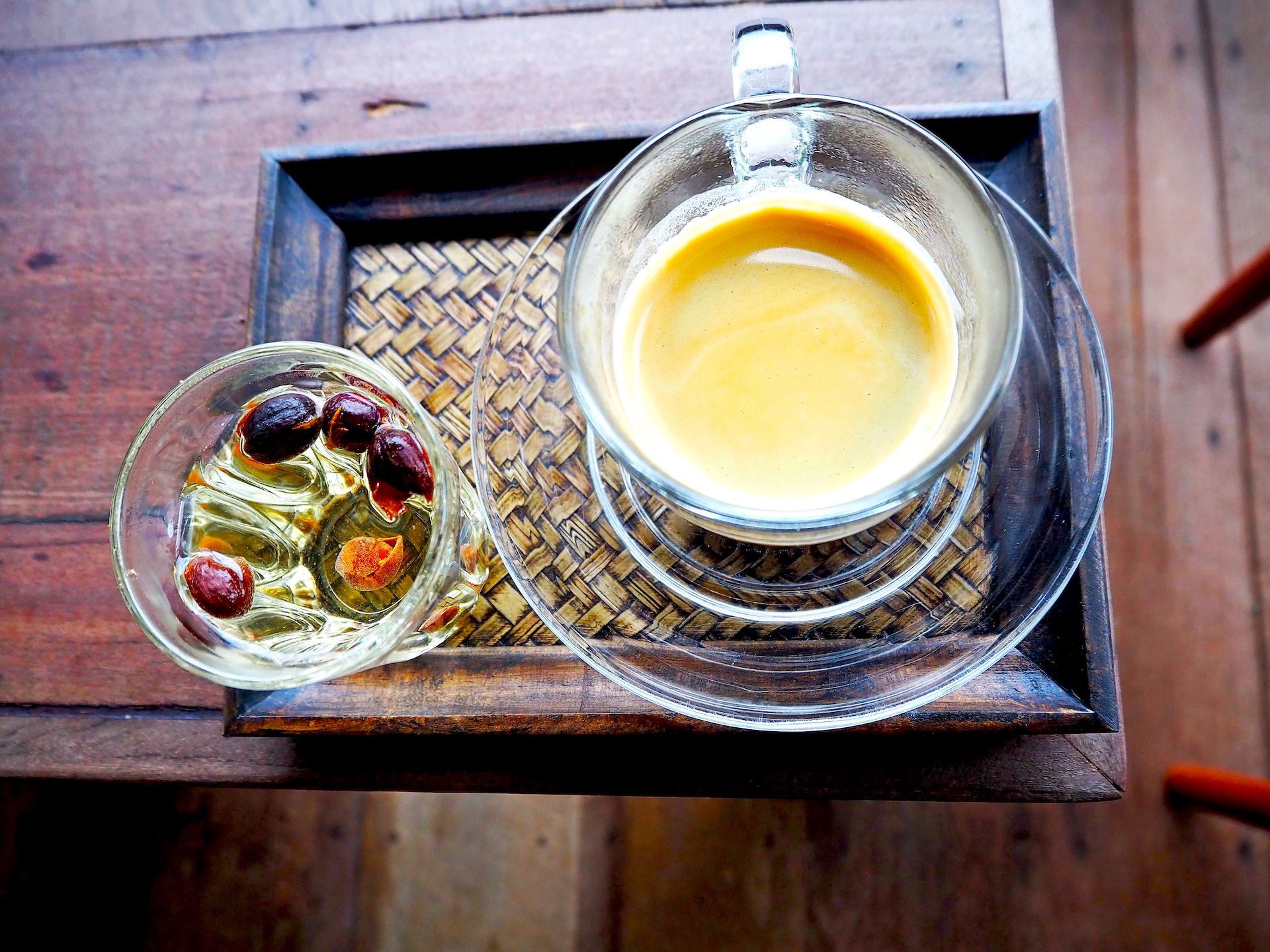
Image Description

Offline Website Builder