A Trek into Toyama’s History of Craftsmanship

By G.D. Cruz


The holidays of 2022 were a perfect time to put on one’s boots and return to the wonderful days of traveling that had been put to a halt by a three-year pandemic that kept many of us stuck in our homes.

Thankfully, and with the help of the Japan National Tourism Organization (JNTO), we at asianTraveler Magazine got to kick off our holidays by returning to the land of the rising sun for a craft and history tour of several Japanese destinations full of historical and cultural significance that were chock-full of stories for us to regale you with.

Today, our focus is turned toward the Toyama Prefecture in central Japan and to the cities of Tonami and Takaoka, places of high cultural significance. Particularly in its rich history of craftsmanship that has helped to foster a tradition that has made Toyama’s local craftsmen world-famous. 


Mobirise Website Builder

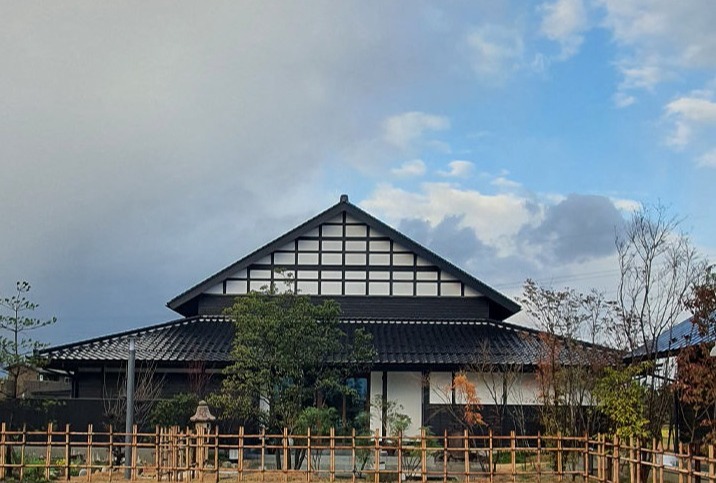
Rakudo-An, a 120-year-old farmhouse turned art hotel

Old Farm House Turned Art Hotel

If you’ve read our previous article highlighting Japan’s city of Mino, then you’re coming into this story fully aware of the amazing destinations we’ve seen so far on our craft and history tour of Japan.
I mention the previous article because I imagined nothing could top our lodgings in Mino, but Rakudo-

An was a gorgeous contender for my affection. Surrounded by rice paddies on three sides, this 120-year-old farmhouse turned art hotel in the city of Tonami had a minimalist design that did well to preserve its rustic architecture while showing off vibrant examples of folk art and local gastronomy. 
Mobirise Website Builder

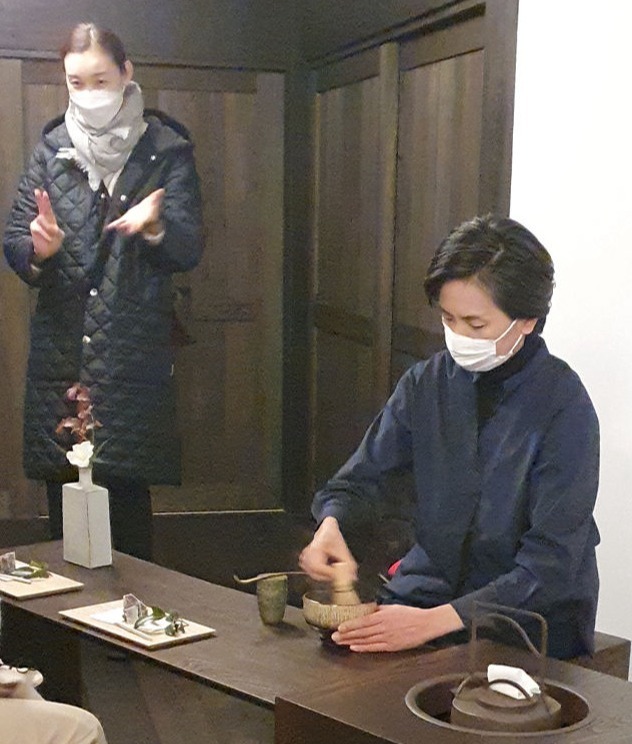
A sampling of the local tea ceremony

Our welcome to Rakudo-An included a tea ceremony hosted by a local tea master. It was an interactive experience where we were given a brief course on Japanese tea ceremony etiquette while learning to enjoy the serene atmosphere invoked by sipping tea the proper way while in the comfortable space of Rakudo-An’s lobby.

As for the accommodations, Rakudo-An had only three rooms available, although each one seemed to possess its unique vibe and flavor. The hotel manager, Hayashiguchi-san, enjoyed telling us of the origins of each room’s exclusive furniture—the tables, chairs, and afghan rugs originating from outside Japan—with the artwork adorning the walls showcasing the talents of celebrated Japanese artists.

Mobirise Website Builder

The interior of one of Rakudo-An's rooms

Mobirise Website Builder

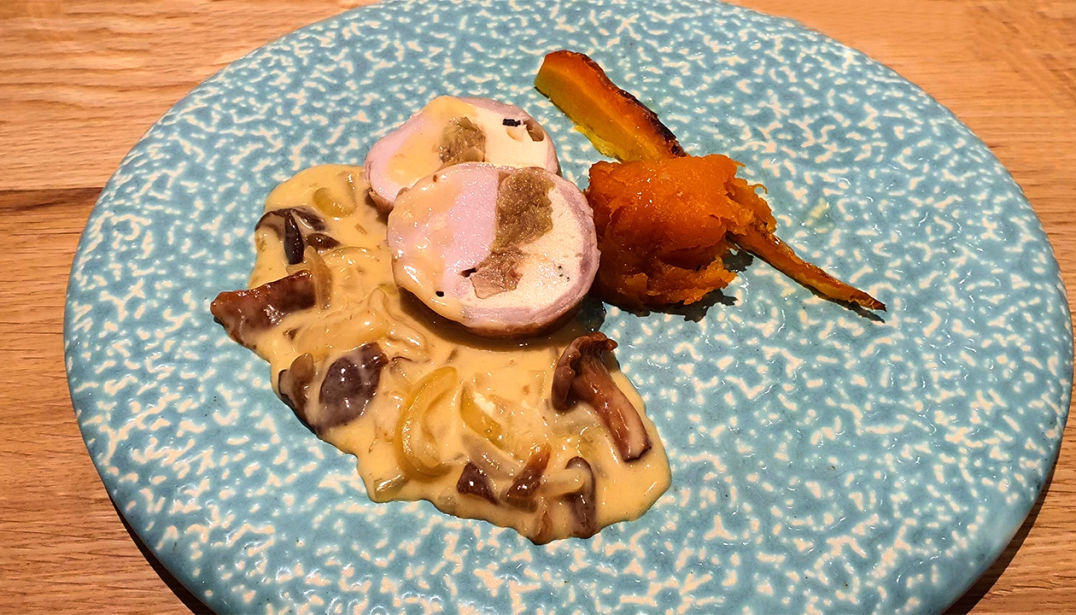
The main course; Rabbit

Speaking of local gastronomy, dinner at Rakudo-An’s restaurant was a meal of firsts. We were treated to a delightful nine-course dinner of farm-to-table delicacies headlined by two dishes whose main ingredients I’d never thought to taste before. These were turtle and rabbit. They both tasted delicious, of course, although I was admittedly surprised that rabbit had a soft, tender taste when I assumed it would be gamey. To this day, the taste of rabbit remains foremost in my mind as a dish I’d want to try again the next time I visit Japan.

Of course, gorgeous Rakudo-An wasn’t our first stop on the tour of Toyama Prefecture. That honor belongs to a world-famous sake and whisky distillery that I can’t wait to write about.  

The Taste of Fine Spirits

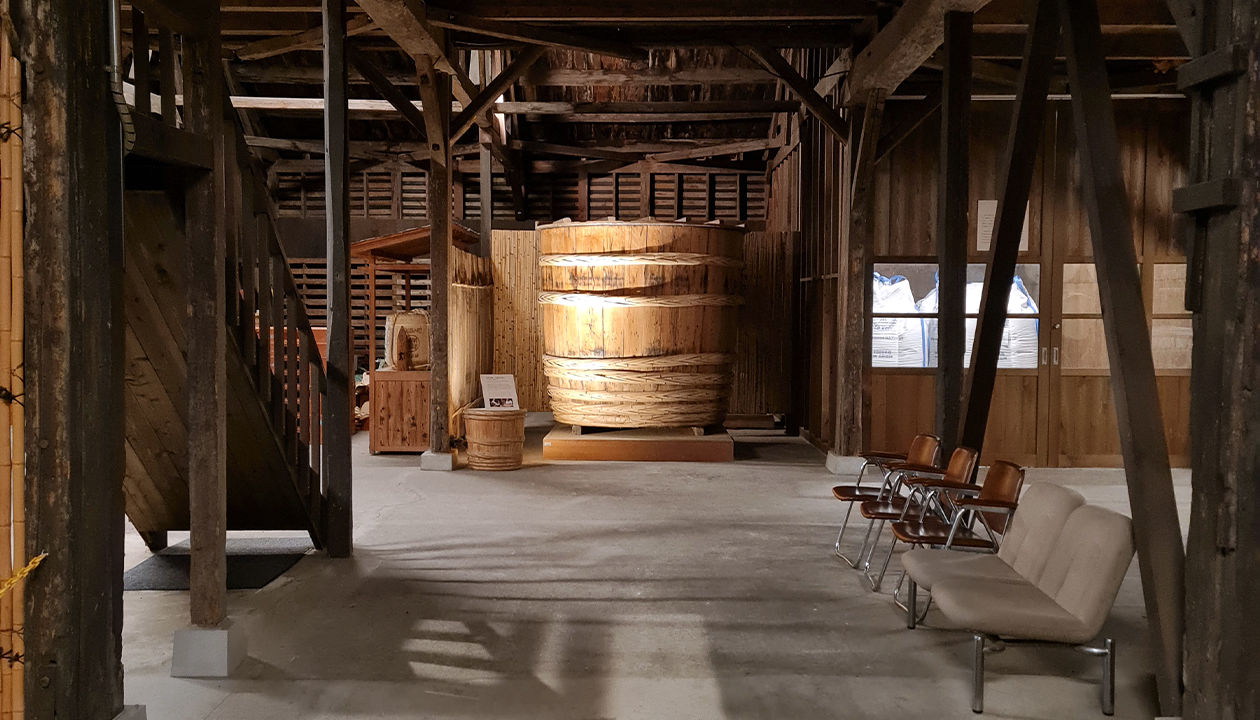
It was late afternoon on the second day of our history and craft tour of Japan when we arrived in Toyama. Our first stop was the Wakatsuru Sake Brewery and Saburomaru Distillery in the town of Tonami.

We arrived at the Saburomaru just before closing time and were invited to sample the brewery’s fine selections of spirits before the tour. The others were eager to taste the sake, but I gravitated toward the whisky on display. I relished the strong fruity, smoky flavor of the single malt samplings.

As a whisky enthusiast, the factory tour was one of my most anticipated highlights of the trip, and I wasn’t disappointed. Apart from a look into their long history as one of Japan’s top breweries, the Wakatsuru team introduced us to the company’s original ingredients and techniques, as well as their recent innovations in brewing technology that have made their brand world famous. 

Finding Zen

The start of our 3rd day in Japan found our group walking the path up to a 13th-century Buddhist temple in the neighboring town of Takaoka. Unlike more famous temples such as Senso-ji in Tokyo or Kinkaku-ji in Kyoto—which were usually full to bursting with tourists—we were the only guests to arrive in Kokutai-ji that morning, and the quiet and tranquil atmosphere was a welcome blessing for us city folk who were continuing to enjoy the countryside scenery.

Kokutai-ji wasn’t a very large temple, but its exterior grounds and structures were well-preserved ancient Japanese architecture that provided many spots for solemn contemplation or social media selfies, depending on one’s preferences. I found the large indoor rock garden to be particularly beautiful, although we didn’t get to tour Kokutai-ji completely because the main purpose of our visit was to experience Zen meditation.

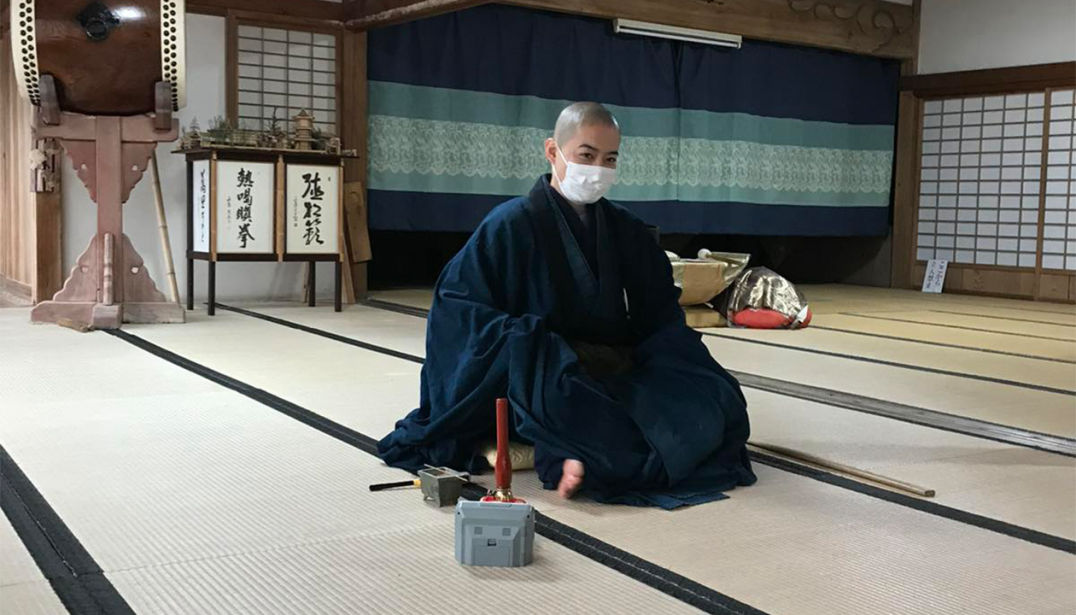
The temple’s monks gave us a crash course on zazen while improving our posture and breathing. Truthfully, meditating began as an uncomfortable experience, and I was the first among my group to ask our teacher Fujiki-san to hit me twice on the back so I could alter my posture. Interestingly, this gentle form of discipline helped me relax, allowing me to finally focus on meditating and, surprisingly, to feel calmer afterward.

Fifteen minutes of meditation might not have been enough to properly grasp zazen, but I was intrigued by the practice, and I’ve begun to add Zen meditation to my morning rituals since returning from Japan, which meant this visit to Kokutai-ji was a truly worthwhile experience of firsts. 

Mobirise Website Builder

Fujiki-San explaining Zazen to beginners

Mobirise Website Builder

The Gate of Kokutai-Ji

Mobirise Website Builder

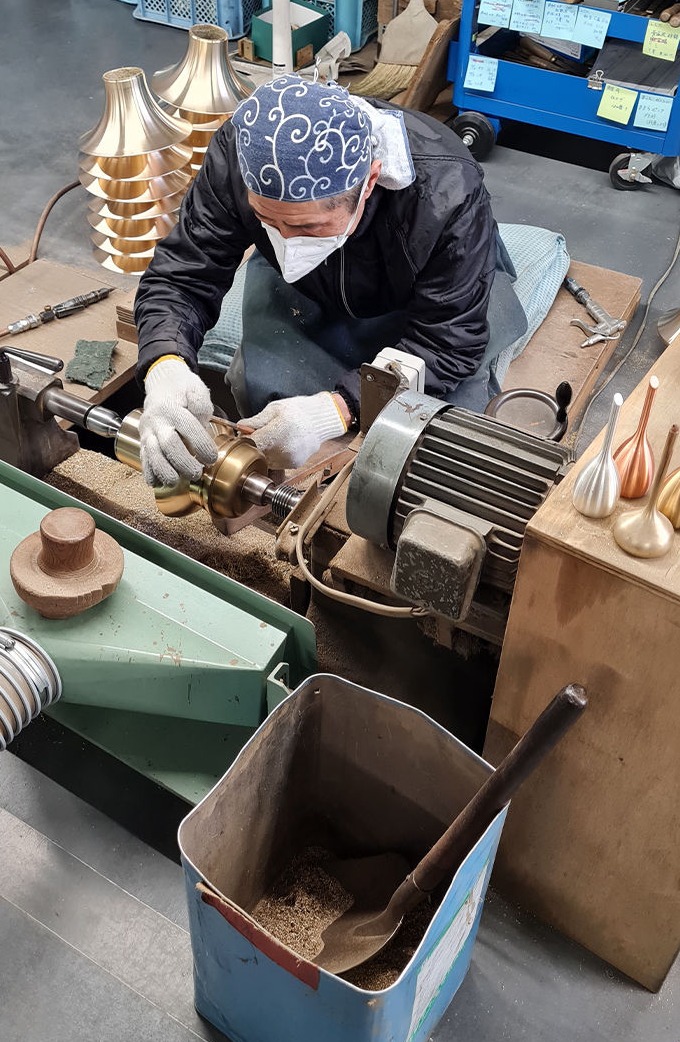
An insightful peek into the artistry and dedication of Nousaku's crafters

The Art of Metal Crafting

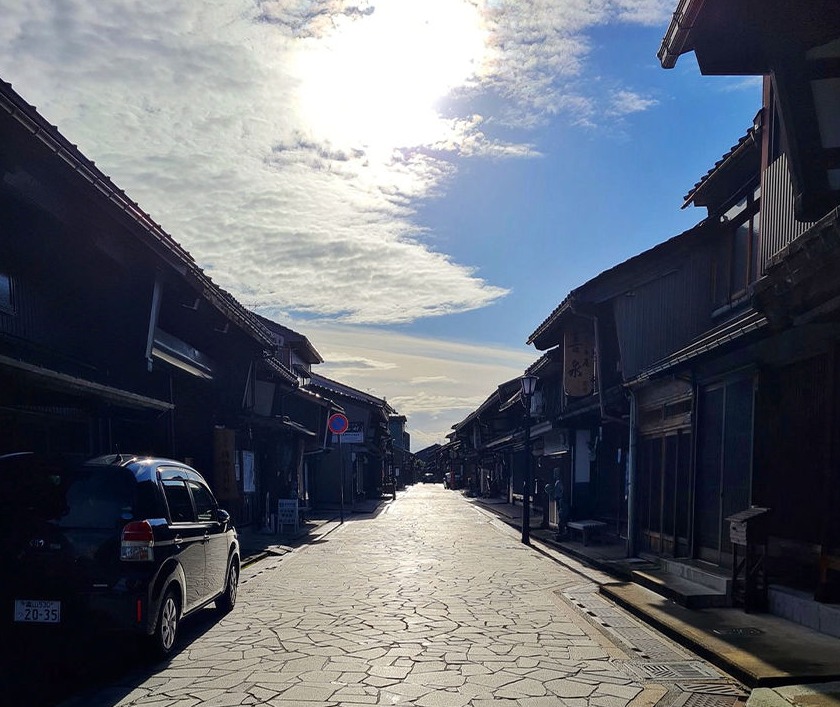
As our tour of the Takaoka continued, visiting various crafting workshops and stores along historical city streets, I noticed that the city retained much of its traditional charm and culture even in the modern age. It was an observation made more apparent at our next highlight—the Nousaku headquarters, a world-renowned representative of Japanese crafts.

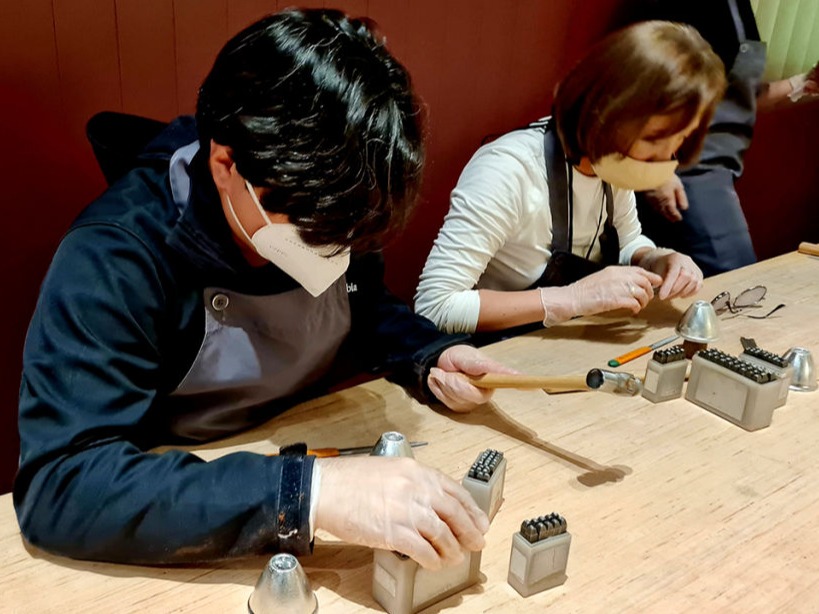
Apart from the factory tour, which was an insightful peek into the artistry and dedication poured into the crafting of their brass and bronze products, our group was also allowed to make our very own sake cups.


Mobirise Website Builder

Nousaku's staff teaching guests how to craft their own tin sake cups

The metal crafting began with a sand mold. It was a fun, slightly grueling, and altogether messy challenge. By the end of it, the sleeves of my jacket were caked in red sand, but seeing that completed mold—how it didn’t crack and kept its shape after we were finished—was worth the effort I put into making it. Afterward, we watched as the Nousaku staff poured molten tin into our molds, and I was giddy with anticipation for the finished product. Our sake cups came out looking well-made, and we finished it off by engraving our creations with our initials.

Learning about the casting craft firsthand was an enjoyable experience and another first for me, which is why I was glad for our visit to Nousaku. 

The Legacy of Toyama’s History

Toyama is well known for its traditional craftsmanship, with the legacy of its artisans dating back to Japan’s Edo period when local daimyos like Takaoka City’s Maeda clan invited craftsmen from neighboring towns to migrate to the city and help it flourish.

Today, Toyama is still a land of craftsmen whose evolving traditions continue to showcase the wonders of Japan’s rich culture, history, and crafts.  

Mobirise Website Builder

An alleyway full of artisans' shops; Takaoka


Curious about the rest of asianTraveler Magazine’s visit to Japan? Want to hear about our stay in Nagoya, Kanazawa, and Tokyo? Then don’t forget to grab a copy of our next issue, Exciting Asia, when it arrives this April! 


Subscribe to us

Exclusive offers in your inbox

HTML Builder