TWO IN ONE
Magnificent monuments from the past, both aboveground and under, have survived the ravages of wars and time to tell Akko’s astonishing history.
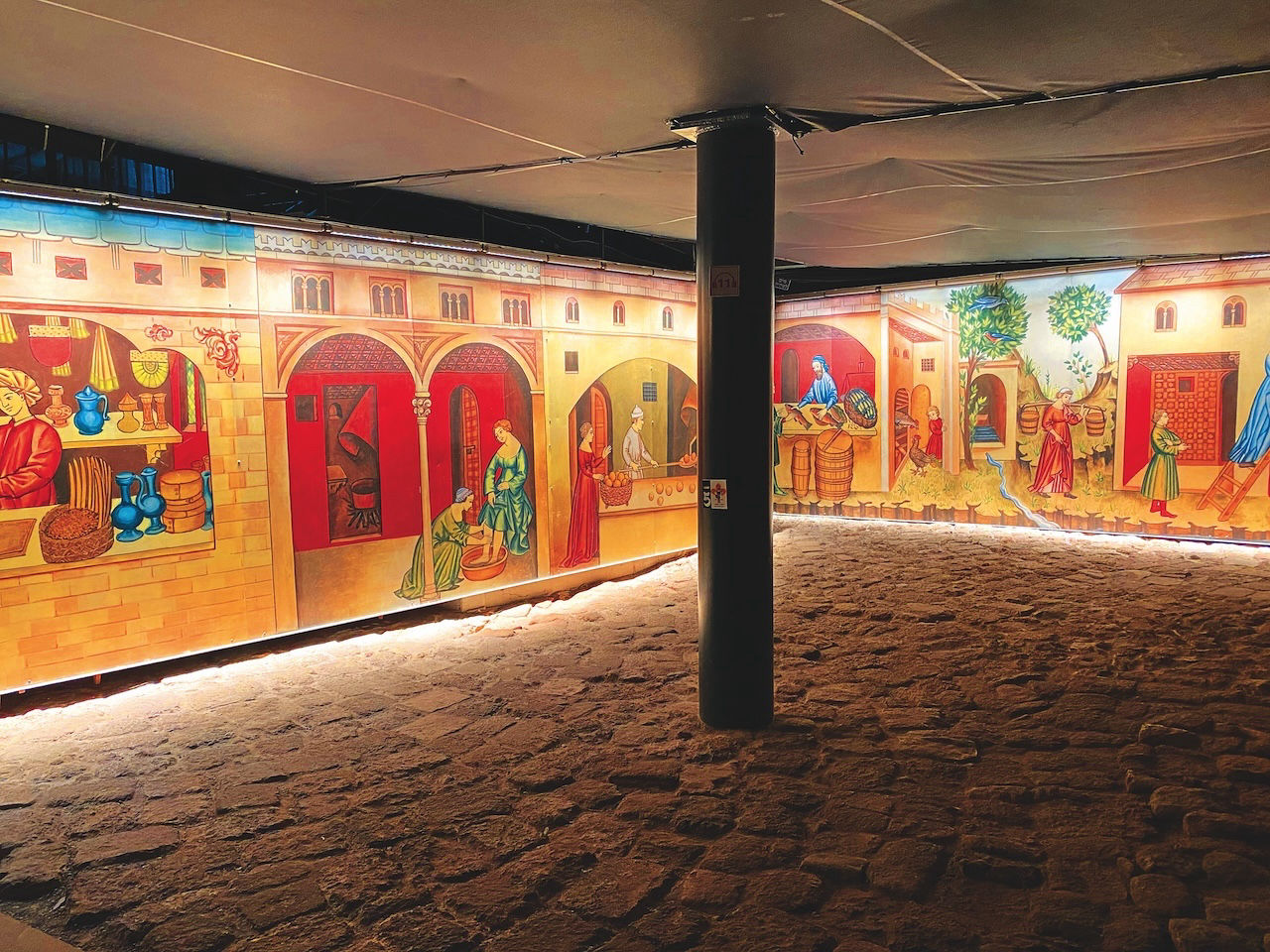
Magnificent monuments from the past, both aboveground and under, have survived the ravages of wars and time to tell Akko’s astonishing history.
Basking in the sun in a natural harbor at the edges of Haifa, the city of Akko is crowned by several imposing structures that will take visitors centuries back in time when the Ottoman Turks ruled the city.
Nearly 500 years after the fierce Mamelukes wrestled Akko from the Crusaders in a bloody battle and laid waste to the once flourishing port city, the Ottoman Turks arrived with a new ruler. Daher el-Omar wasted no time in fortifying the city walls and renovating the ruins of the port.
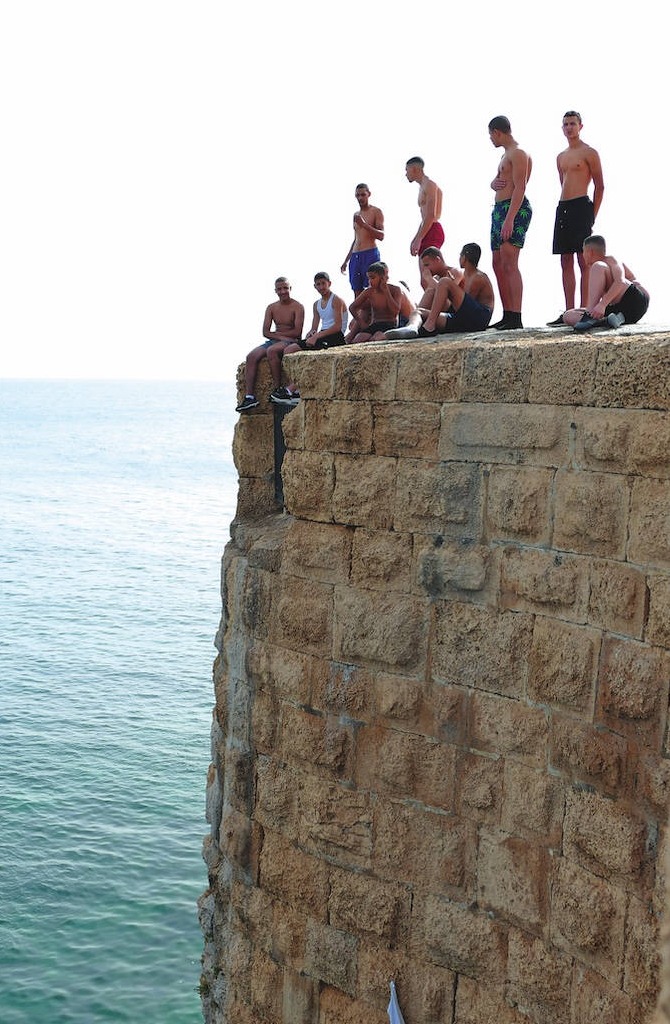
Image Description
Today, the massive stone ramparts still hold Old Akko in a protective embrace to give the city its most distinctive feature. Tourists can now walk on these walls and feel the immensity of the ancient fortifications. As we walked along the well-trodden stone path, we chanced upon a group of rowdy boys standing on the edge of the walls. After much cajoling from his noisy posse, one of the boys gleefully jumped into the deep sea below as we watched in utter dread.

In 1775 AD, the fearless Ahmad Pasha al-Jazzar overthrew and murdered El-Omar to became Akko’s new Turkish pasha. Though referred to as “The Butcher” for his ruthless ways and iron rule, al-Jazzar continued his predecessor’s renovation projects and built new structures around Akko.
Inside the fortified city of Old Akko, he constructed stately palaces of arched doorways and terraces overlooking the sea. The flourishing of trade saw the rise of different places of trade and commerce, such as the Turkish Bazaar, the Suq Al-Abiad (or White Market), and Market Street (which led from the Hospitallers Gate in the north along the “Via Regis”—the King’s Way—all the way to the port during the time of the Crusaders).
Today, the Turkish Bazaar brims with small shops selling souvenir items to tourists. The White Market, considered to be one of Israel’s largest commercial hubs in the early 19th century, has undergone renovations and numerous shops have been converted into snack and beverage bars. Nowadays, the Market Street route hosts Old Akko’s main market lined with stalls offering a wide array of exotic goods—from fish and oriental pastries to perfumes and spices.
Built at the end of the 18th century by al-Jazzar, the Turkish Bathhouse (Hammam el-Basha, or “the Pasha’s bathhouse”) came as a result of the construction of an aqueduct which led spring water to the city. Once the nexus of leisure, relaxation, and social interaction of the city’s affluent set for 150 years, it is now a museum showing how the elite of Akko lived in luxury and indulgence.
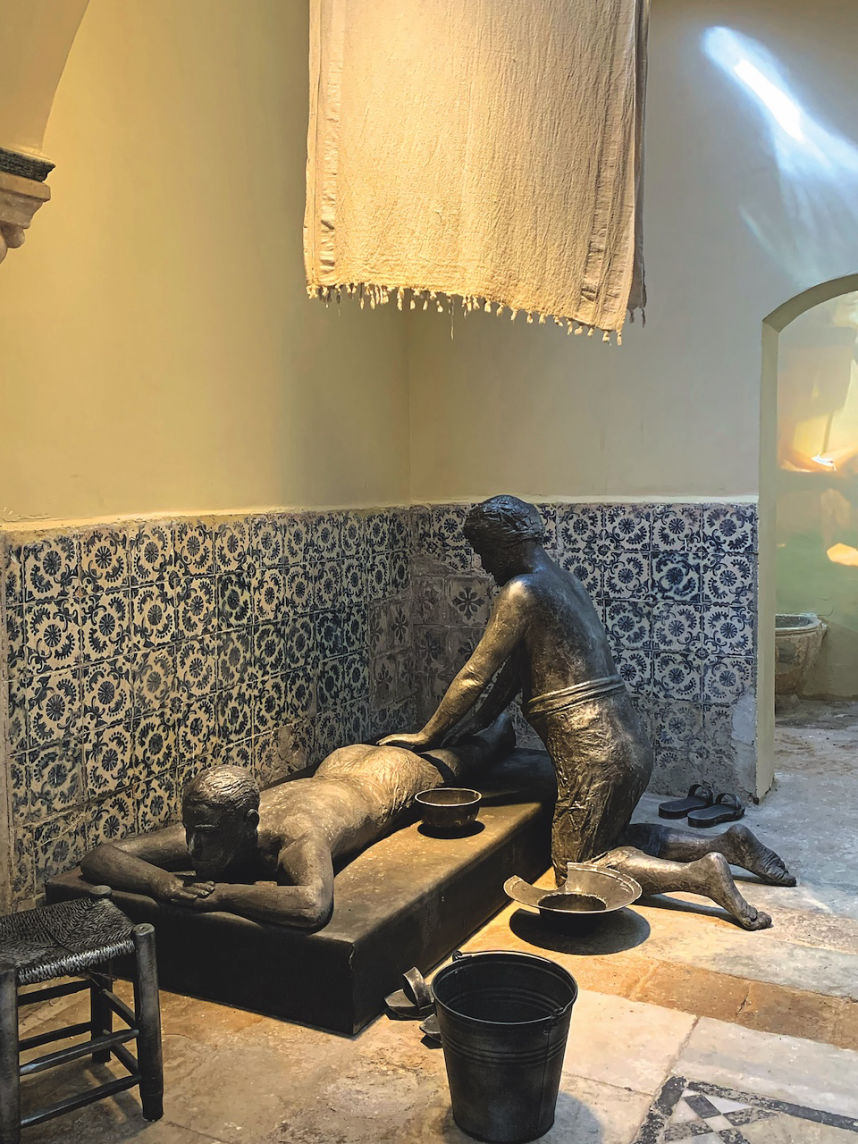
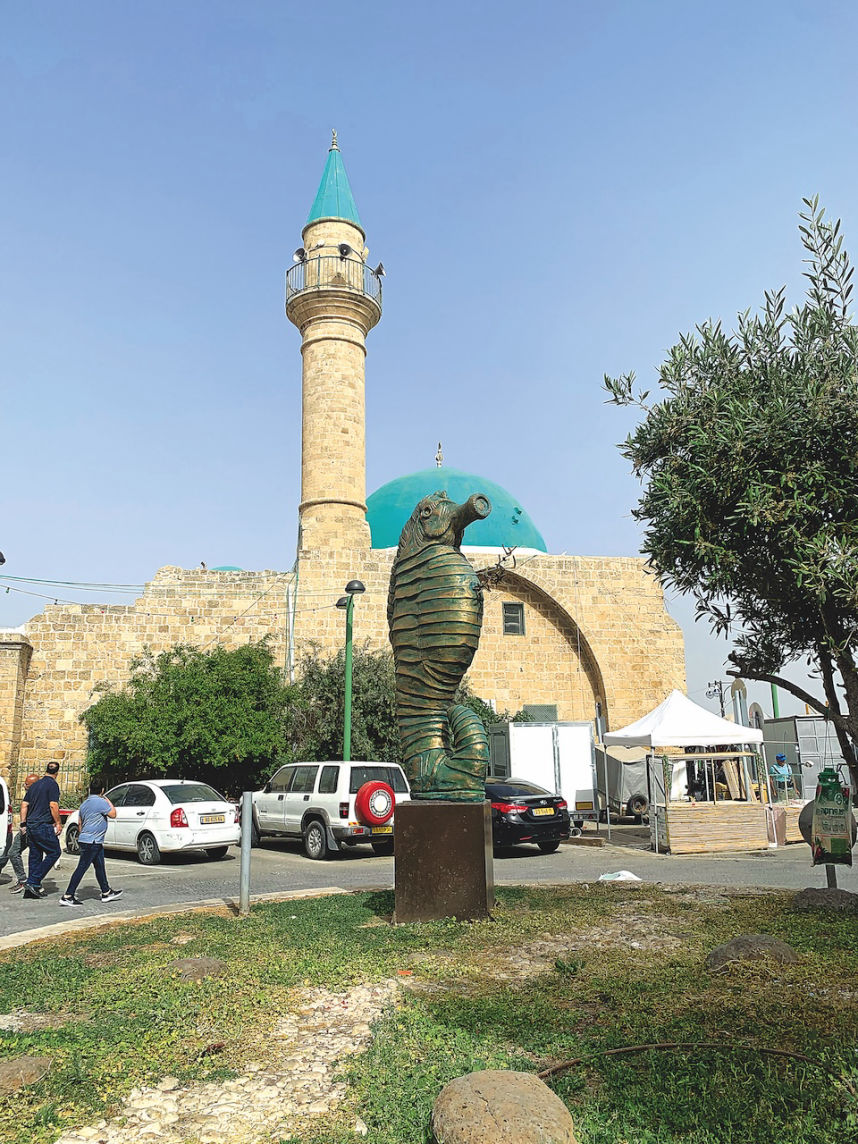
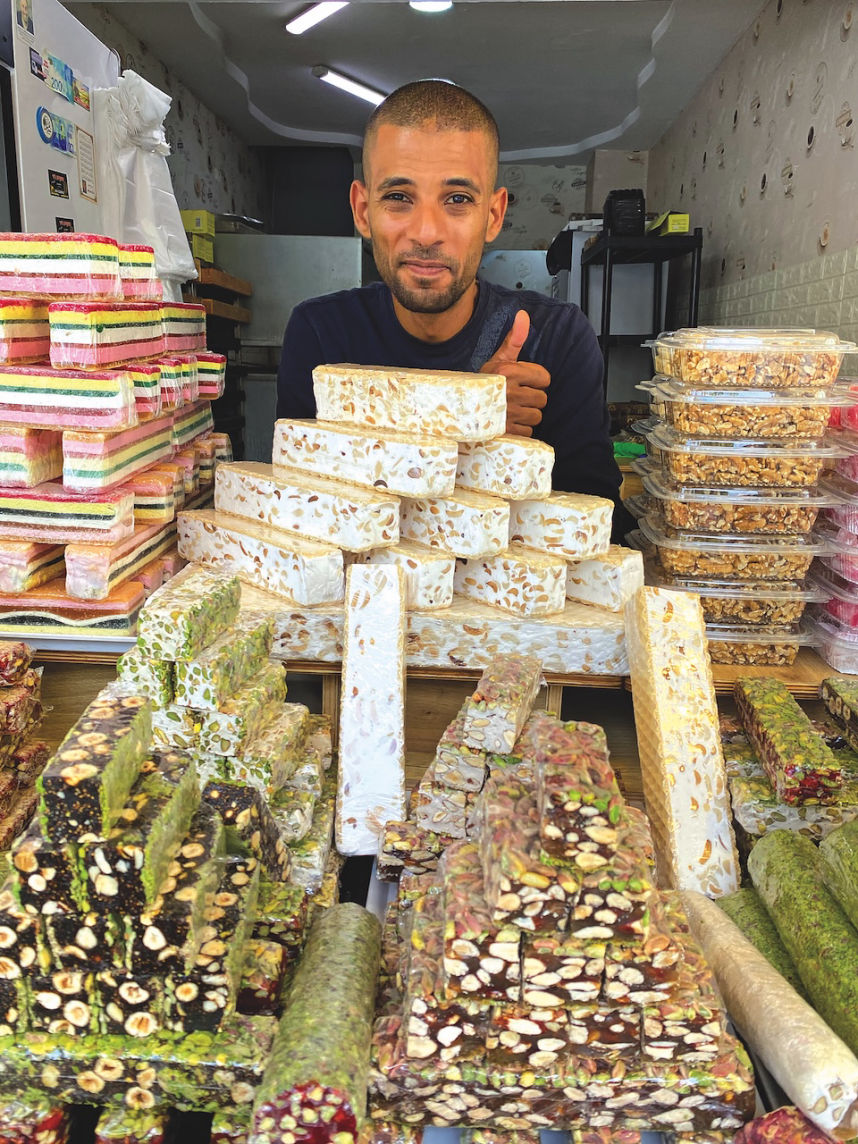
Remnants and influences of the Ottoman Turks conquest of Akko still remains, such as the Turkish Bathhouse, mosques, and Turkish sweets at the market
Perhaps, the most widely recognized and provocative structure that al-Jazzar built is the Akko Citadel. Wanting to rid the city of the vestiges of the Crusader rule, he entombed the old Crusader City beneath a mound of earth and built the colossal citadel on its ruins. Designed in the archetypal 18th-century Ottoman style, the citadel is made up of Gothic halls with high barrel vaults and thick, impenetrable walls measuring 3.5 meters. In fact, so sturdy were the fortifications of Akko that the ruling Ottoman Turks were able to hold back and withstand Napoleon’s three-month siege of the city in 1799.
More astounding than the ponderous breadth of this monument, is the architectural wonder that lies beneath—the remains of a well-planned settlement in which the Crusaders lived and planned their course of action to fulfill their holy mission of protecting the Holy Land and making the passage of pilgrims to Jerusalem safe and secure.
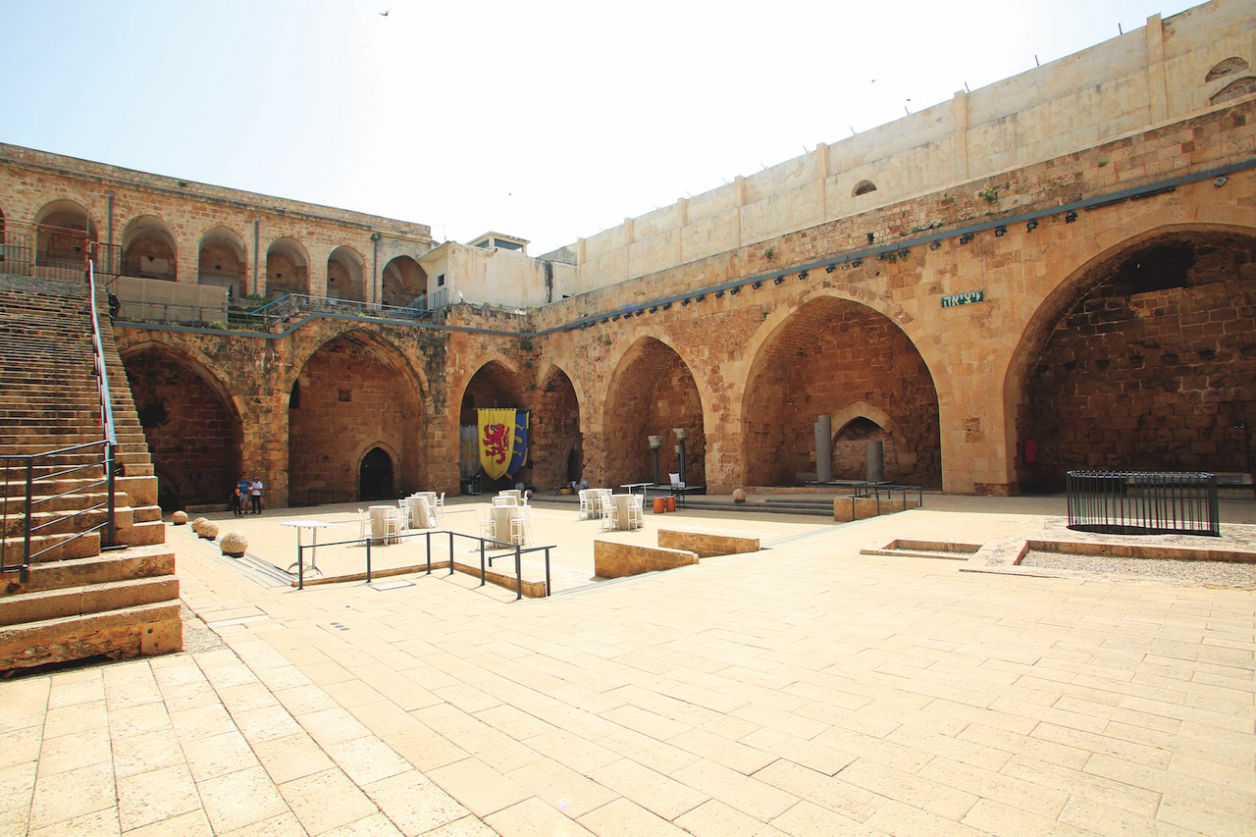
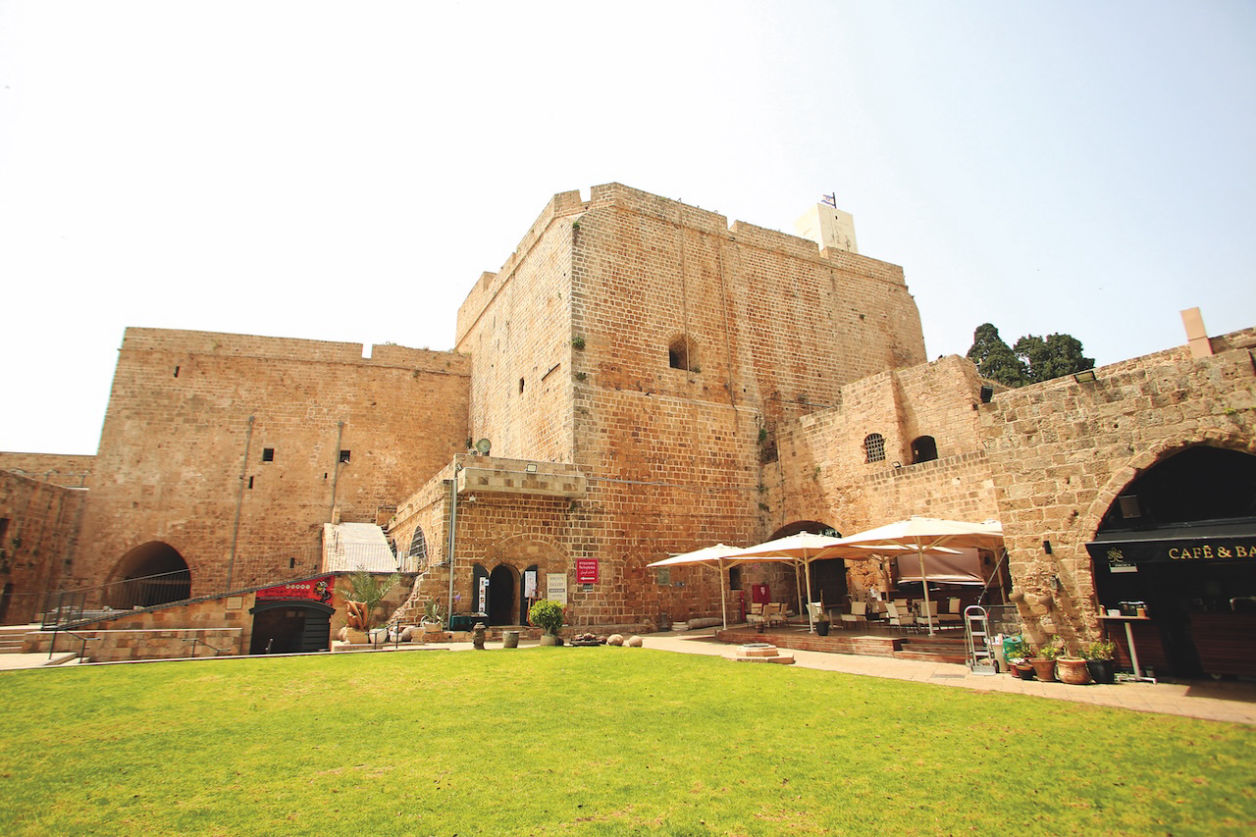
The magnificent citadel built by Ahmed Pasha al-Jazzar hides the Crusader City underneath.
Long buried underneath al-Jazzar’s citadel, the Crusader City was once the nerve center for the operations and day-to-day life of the Knights Hospitaller. Today, it is a museum that gives guests the historical background and political milieu that inspired the construction of this city with labyrinthine streets and cavernous halls.
At the Knights Halls, set amid the ancient walls and ceilings, a sundry array of artifacts, artworks, and daily implements that predated even the reign of the Crusaders in Akko are displayed in glass cases. The experience of how the Crusaders lived is reinforced through the multimedia presentations.
The 1,300 sqm Pillars Hall with a vaulted ceiling supported by square stone pillars, would have been used for meetings and as a storage space. It is presently a venue of exhibits, artworks, demonstrations, and archaeological finds.
Sugar was a chief produce in Akko during the time of the Crusaders. At the Sugar Bowl Hall visitors will see how sugar was produced and stored in this very same place. Also on display are the earthenware utensils used in sugar production that were found in the hall.
The capacious Column Hall served as a dining room where knights would eat on long wooden tables. It has three massive stone columns measuring three meters in diameter and crowned by beautiful capitals. These supported the 10-meter-high vaulted ceiling turning upward into graceful arches. On a wall, near the entrance, is relief of a fleur-de-lys.
While Akko’s past is rife with violence, military confrontations, massacres, and power takeovers, the city has proven to be stronger and more resilient than the struggles that have marked its age-old walls, streets and monuments. Today, the Old City of Akko is a UNESCO World Heritage Site—an enclave where the layers of the past and the varied cultural influences flow seamlessly into one another to form a beautiful and harmonious accord.

Image Description

AI Website Software