
GETTYSBURG: OF GHOSTS AND GAWKERS
Gettysburg bristles with phantoms from the past to remind one of bygone heroism while bringing some delightful charms to the present
Gettysburg bristles with phantoms from the past to remind one of bygone heroism while bringing some delightful charms to the present
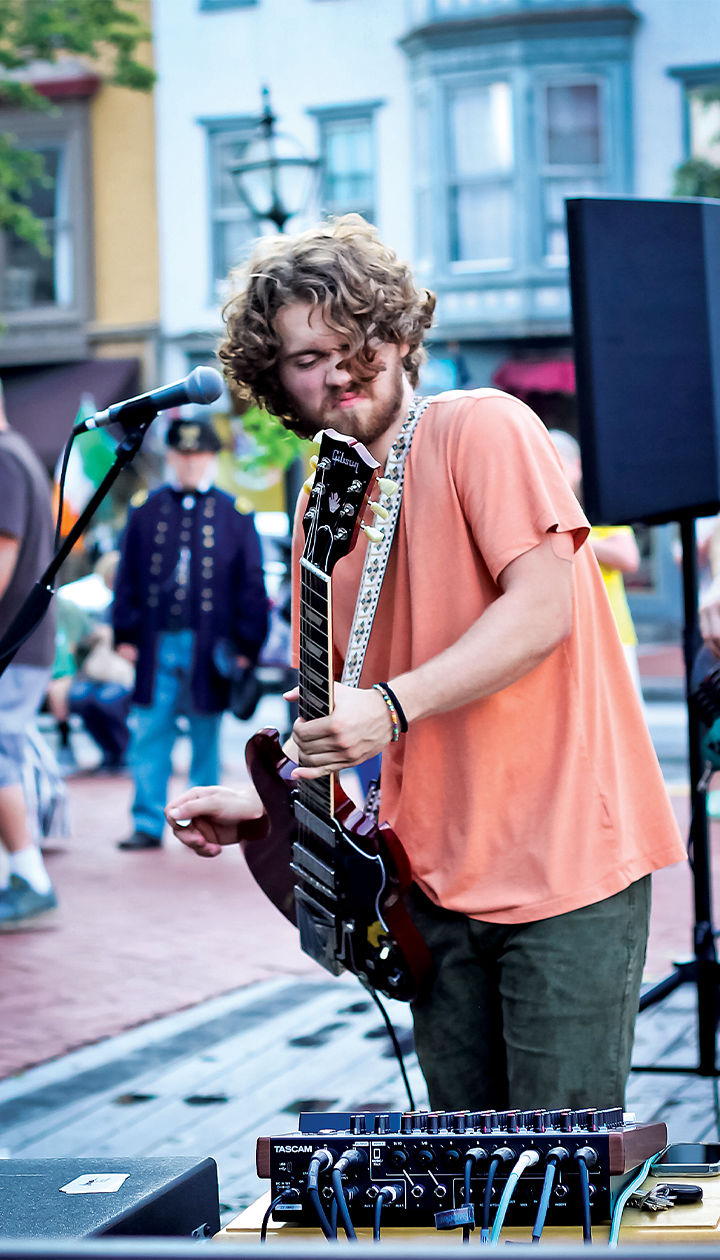
It was a fine summer day in Pennsylvania, and Lincoln Square in Gettysburg was alive with music and revelry. A constant parade of cars went around the roundabout, every now and then slowed down by a horse-drawn carriage transporting a handful of sightseers. In the middle of the traffic circle was a garden abloom with lavender stalks nodding and swaying along to the music.
It was on this same stage, 159 years ago, when the sky also reverberated with excitement. But the pitch was more feverish as people celebrated freedom and a country united after a long and gruesome battle. It was on this same stage that Abraham Lincoln delivered the famous Gettysburg Address known to be one of the most influential speeches the country has ever heard.
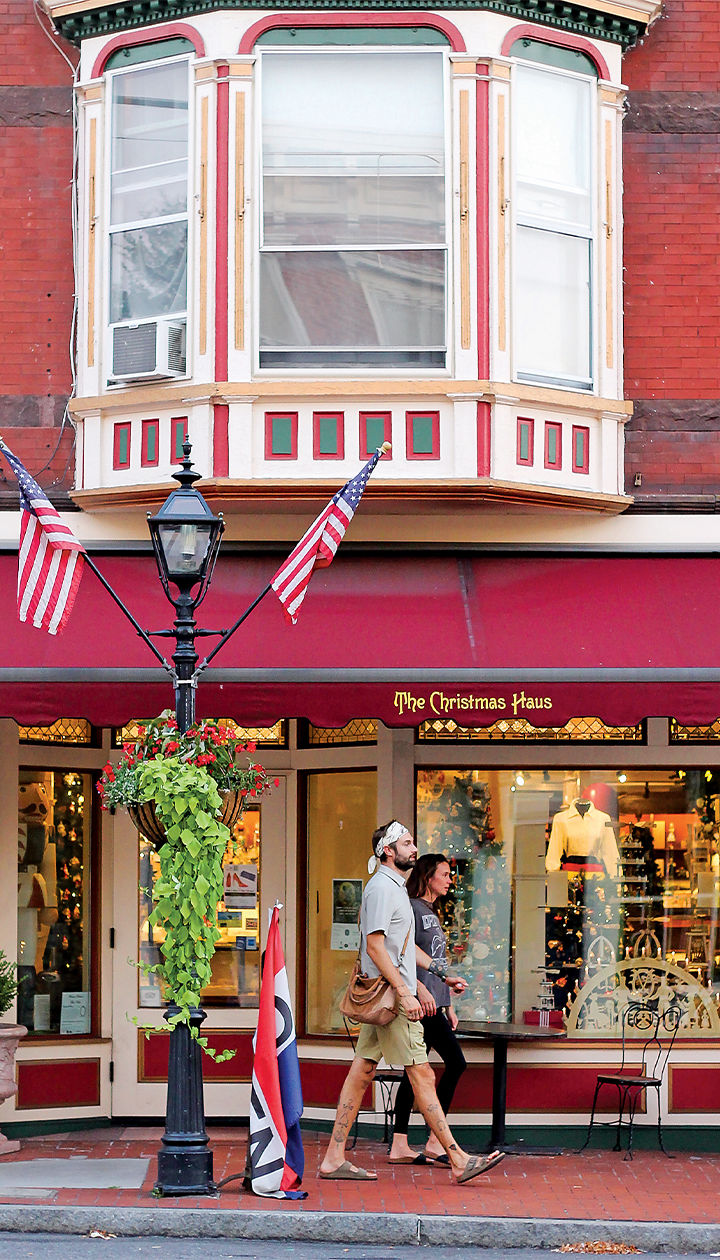
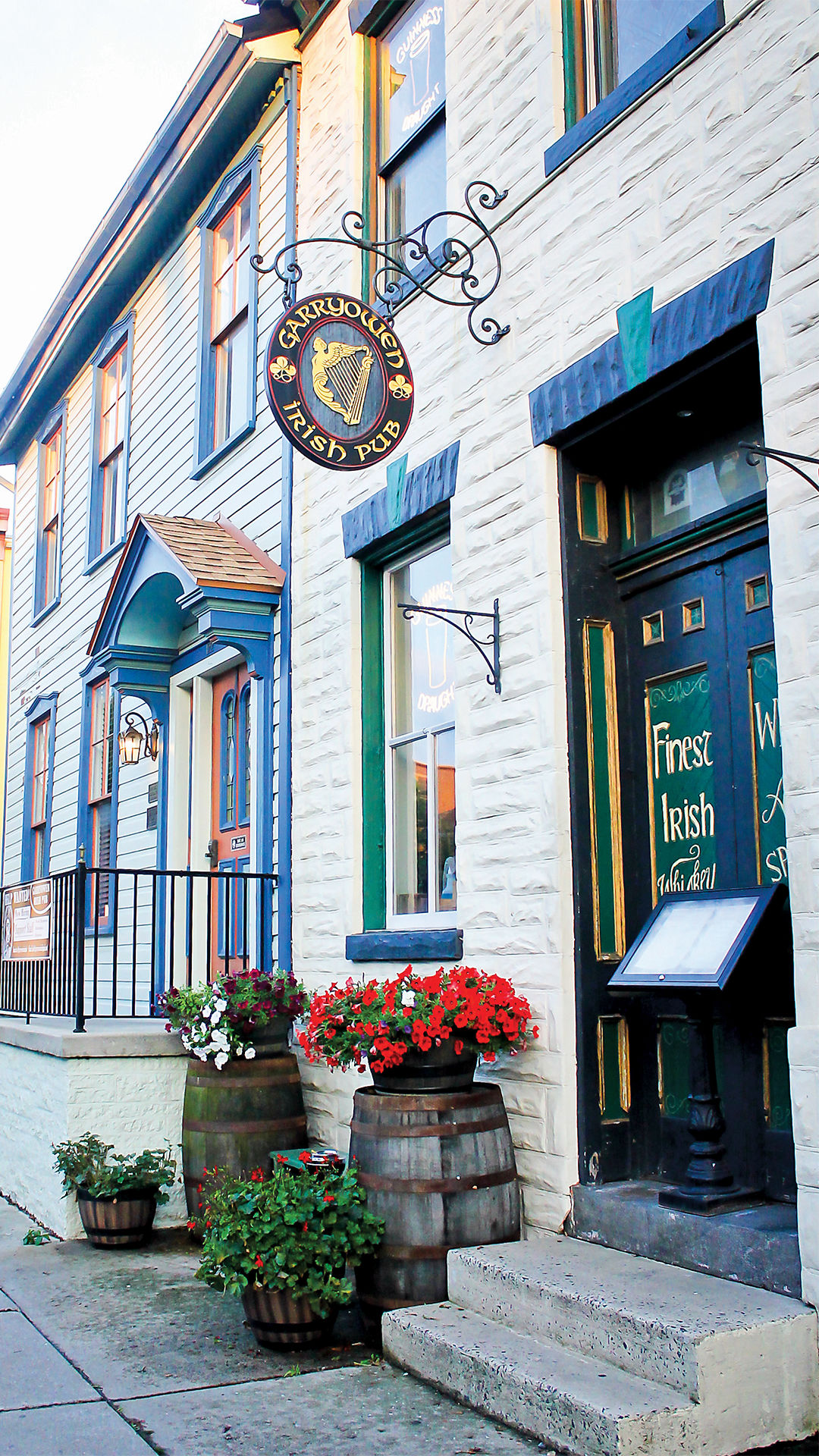
Much has changed since that fateful day when Lincoln addressed a crowd of energized Americans. I come to Gettysburg often, not to relive the glory days of the Great Emancipator, but to enjoy the city’s many charming stores and restaurants. Today was different. I was on a mission to summon the ghosts of the past. Today I was seeing Gettysburg differently, not just as a spot for recreation, but as a sacred place steeped in history, a holy ground central to America’s historical consciousness.
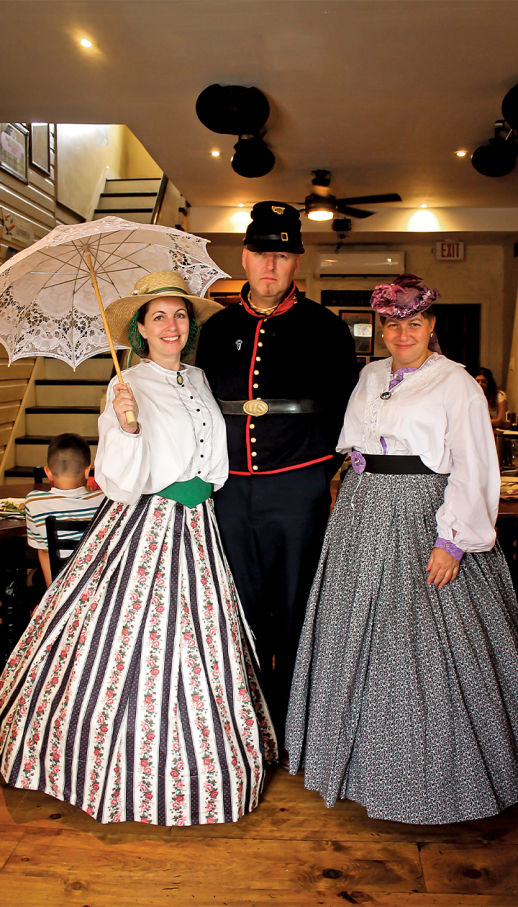
The Battle of Gettysburg is known to be a turning point of the Civil War, reported to have the largest number of casualties in American history, many of whom have perished. It is no surprise then that Gettysburg is also known to be a haunted city. Ghost tours are offered to those who seek thrills of the paranormal kind. After dark, I have seen many of these groups huddled together on the streets led by a guide dressed in Victorian fashion or civil war uniforms.
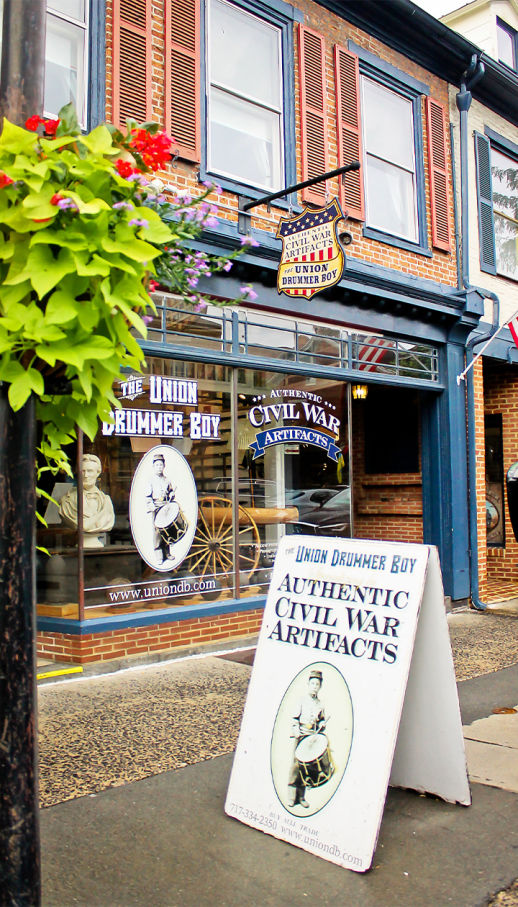
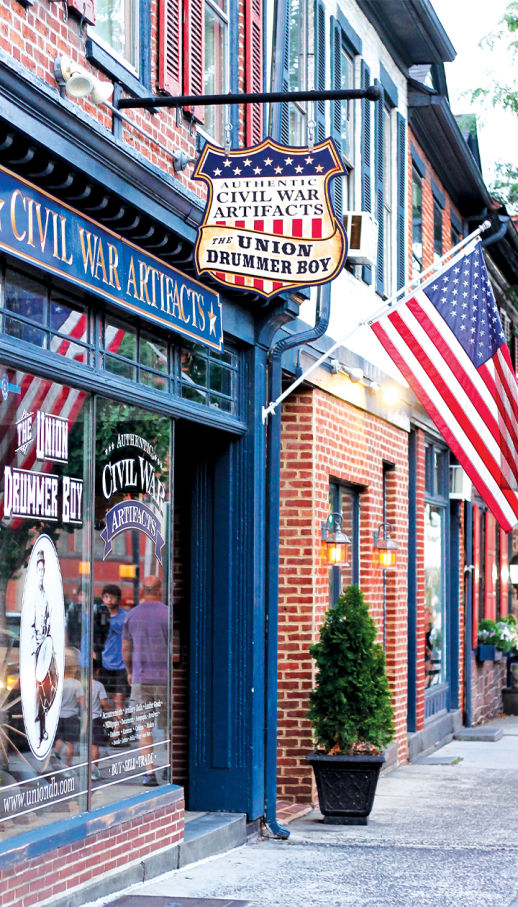
Women in wide crinoline skirts, carrying lanterns, would lead their group through gaslight illuminated alleyways. Many offer a peek through 150- year-old bullet holes and stories of apparitions. Nothing is ever seen though is what I’ve heard, nothing but tipsy tourists stumbling out of taverns. And if you peer through the bullet torn walls, all you’ll likely see are a wide array of souvenir t-shirts and replica civil war era rifles in the other room. Each historical structure in this town is an opportunity to make money.
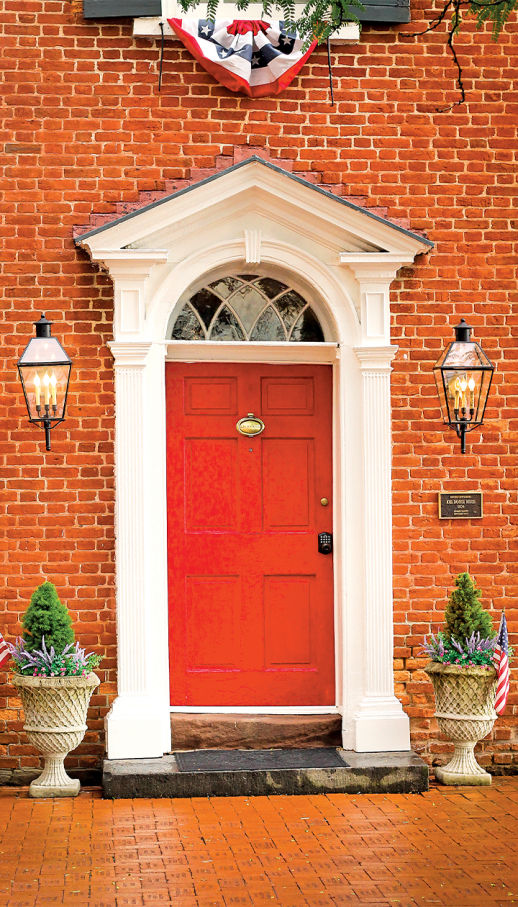
The oldest standing structure in the city is the Dobbin House Tavern built in 1776. Also known to be haunted, the Dobbin House features a bed and breakfast and two restaurants. To get to the Springhouse Tavern, I went down a dimly lit staircase, past a gigantic wood burning fireplace black with soot. Like dungeon passages, the staircase was narrow and dim.
The restaurant itself was sparsely lit up by tall candlesticks dripping with wax. Heavy well-worn benches served as seating, and columns held up beamed low ceilings. There was almost a claustrophobic feel to the place, but for some, it could feel cozy and intimate. Making me feel even more disoriented, servers bustled in, dressed in aprons, corsets, and wide puffy sleeves.
An East Coast favorite, the crab cake was washed down by the Philadelphia Fish House Punch, a refreshing mix of rum, peach brandy, and fruit juices. The Fish House is a favorite of the founding fathers, I was told.
Upstairs was the fine dining area spread around the different rooms of the 18th century house. The Alexander Dobbin Dining room is best suited to intimate dates. There was almost a feel of tackiness to the place, appealing to guests who crave for trips to the past. Looking like Victorian canopy beds, booths were draped with heavy curtains and lace. During one dinner date out, tucked in a small table by the corner, my date and I were serenaded by an old-world troubadour in period garb, completing the whole experience.
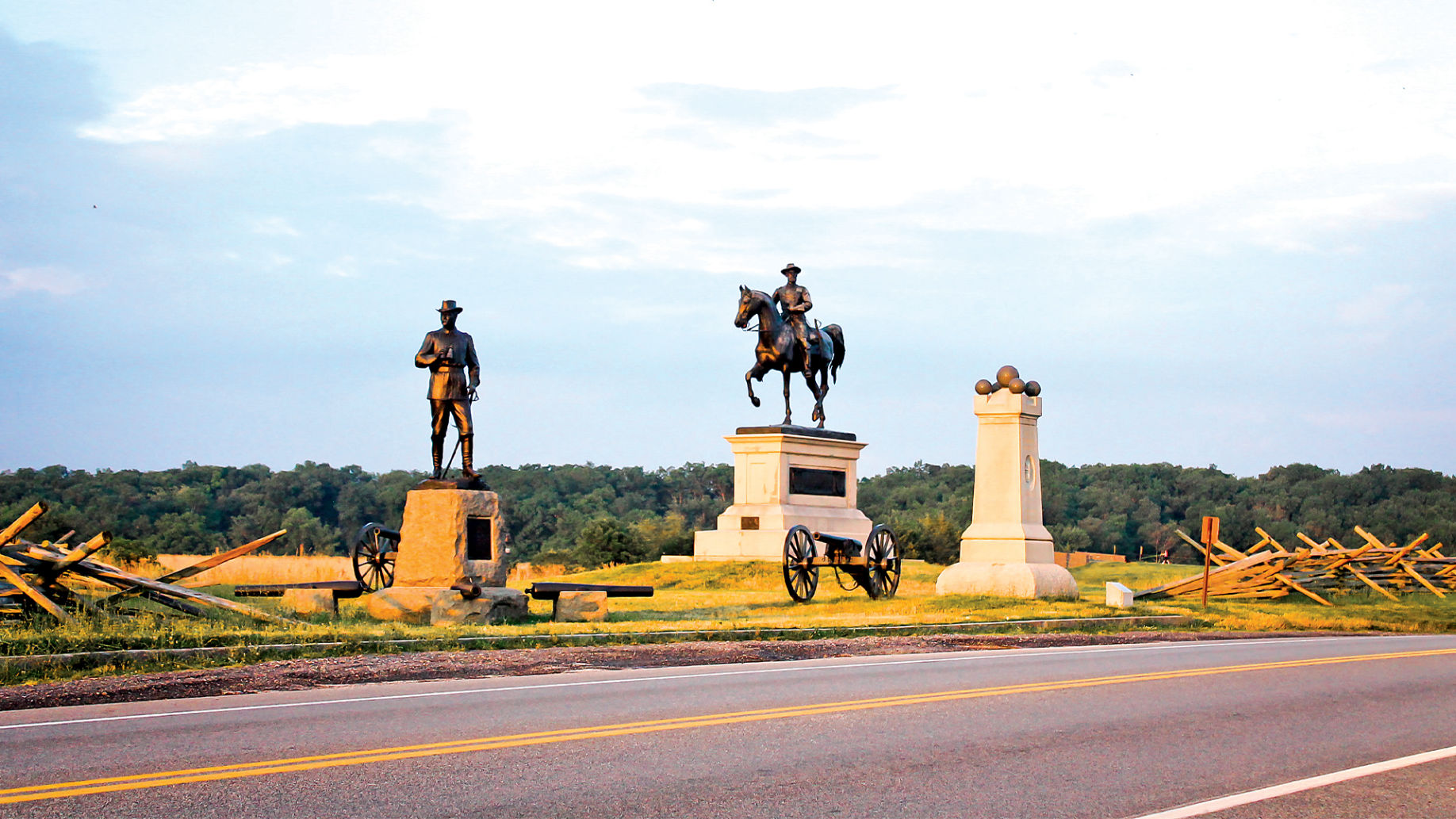
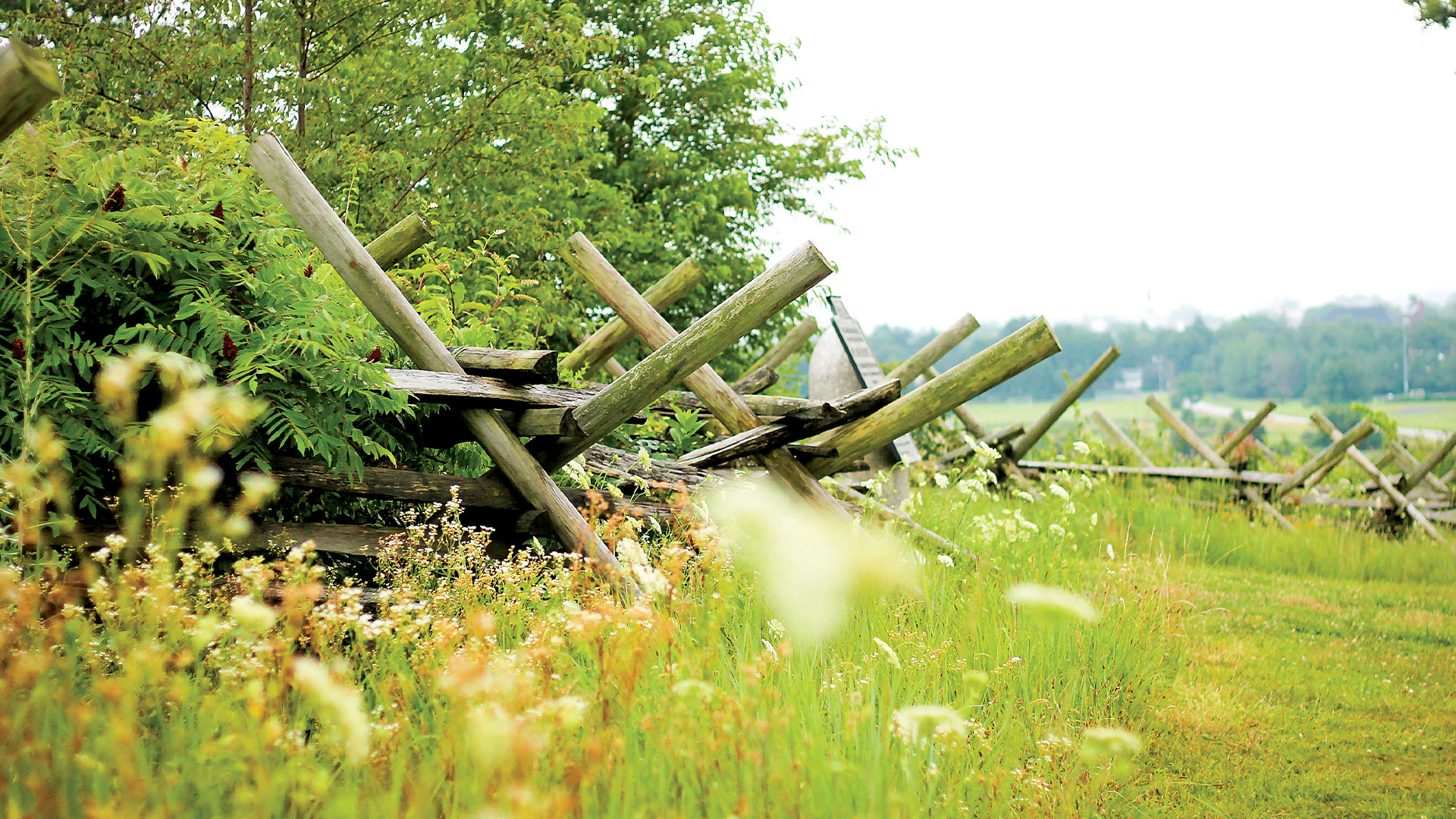
To get some air away from the crowds, I drove off towards the outskirts of the city. Out on rolling fields are some of the famed monuments and markers that pay tribute to over a thousand regiments and brave souls who were instrumental in ending the civil war. Sawbuck fences and replica cannons also litter the fields.
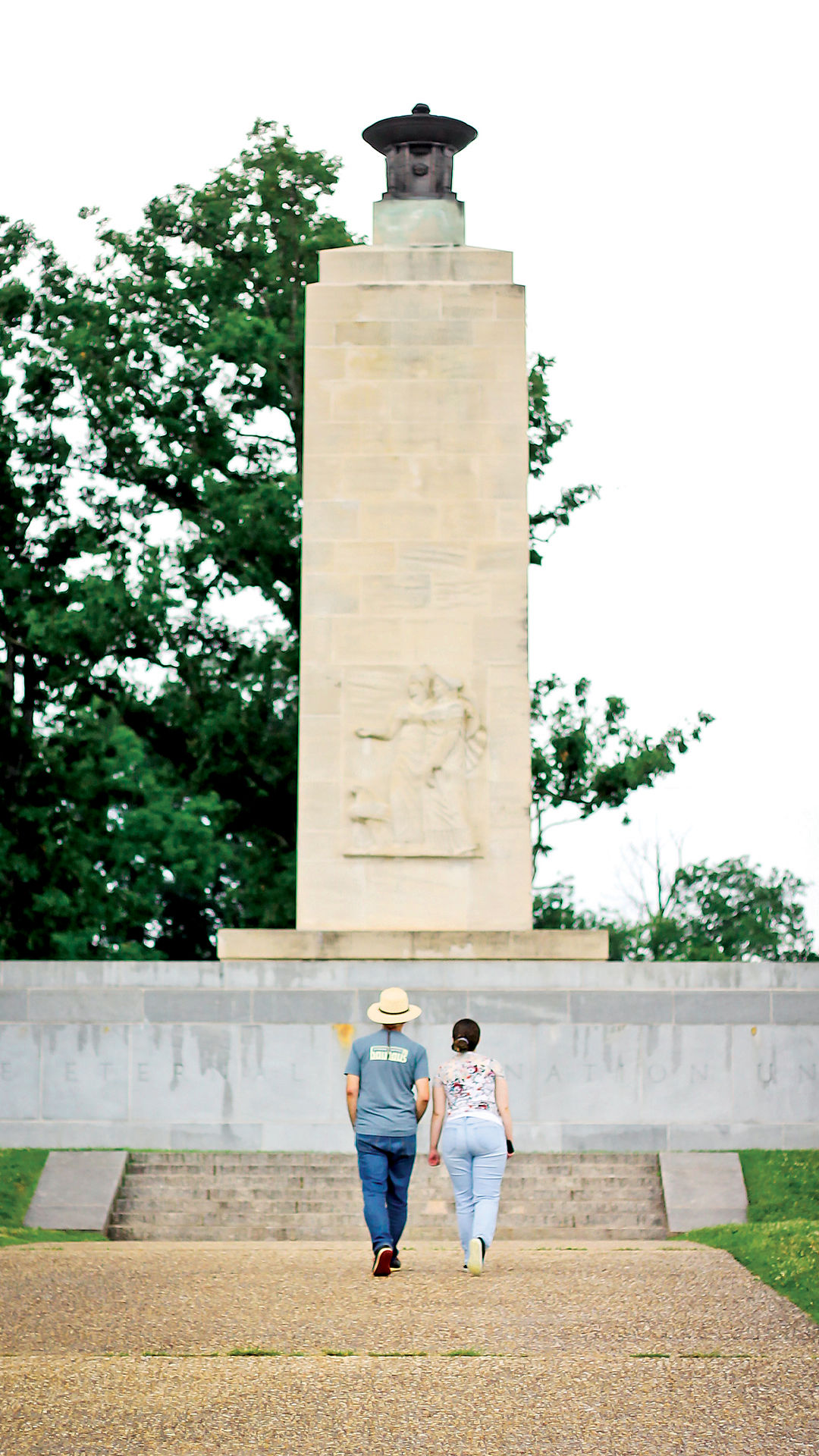
On a quiet day when all you hear is the breeze blowing through hollyhocks and pampas grass, a trip through the battlefields is a transcending experience. Looking at the symbols of courage and sacrifice, I was reminded of the blood that had been shed on the hallowed grounds that I dared step on. Everything was still, forcing me to listen to the ghosts of history.
Along U.S. 30 on Chambersburg Pike, stands Major John F. Reynolds, riding high on his horse, looking out to the horizon. Reynolds is the highest-ranking officer killed during the Battle of Gettysburg. Driving up to Culp’s Hill, I saw many more of these monuments, commemorating the heroes, like gravestones sticking out of the ground. Culp’s Hill played an important role in ending the three-day battle of Gettysburg. The observation tower on the hill offers a panoramic perspective of the battlegrounds.
For an even better bird’s eye view of the Battle of Gettysburg, I went to see the famous Gettysburg Cyclorama at the Gettysburg National Military Park Museum. French artist Paul Philippoteaux’s lifelike 360-degree painting was enhanced with a three-dimensional foreground made even more realistic with relics, trees, stonewalls, and fences. The feel was heightened by music and lighting putting viewers right in the middle of the final Confederate assault of July 3, 1863. Morgan Freeman’s dramatic retelling of the battle placed visitors right in the mood.

Mobirise