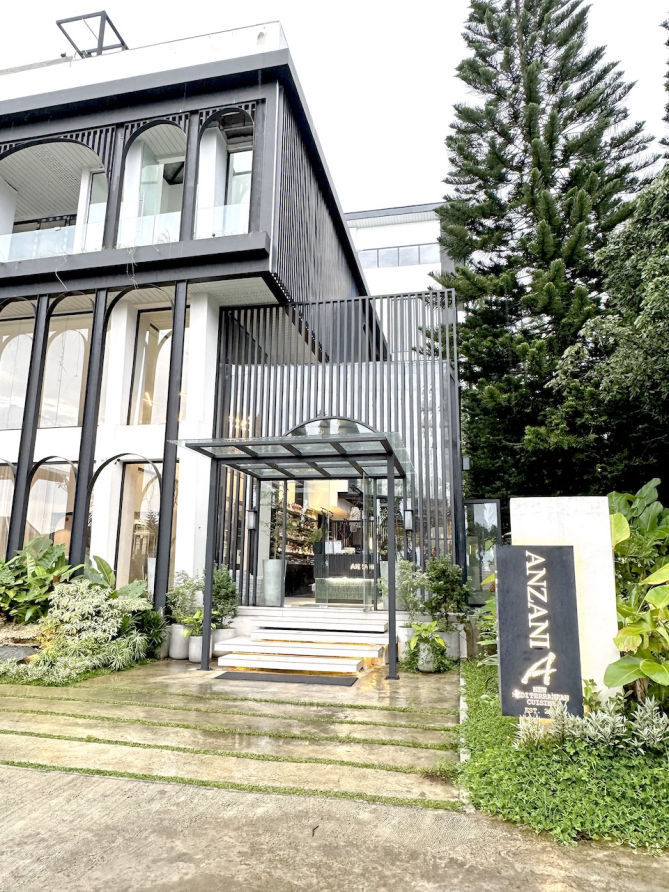
The winding roads leading to Alfonso, Cavite promise a culinary destination that transports diners from the Philippines to the sun-drenched coasts of the Mediterranean. Here, nestled in the verdant hills, Anzani has opened its doors, bringing two decades of culinary excellence from Cebu to Metro Manila’s discerning food lovers.
This is the latest chapter for Chef Marco Anzani and his wife Kate, whose flagship restaurant in Cebu has been a benchmark for Mediterranean cuisine in the Philippines for 20 years. The Alfonso property represents their vision of destination dining, where food, wine, and atmosphere converge to create something worth the journey.
Chef Marco Anzani, originally from Como, Italy, brings 38 years of culinary expertise to every dish. His background as corporate executive chef at Shangri-La hotels, with postings in Hong Kong and beyond, has shaped his approach to what he calls “new Mediterranean” cuisine. It’s a culinary tapestry woven from Marco’s travels along the Mediterranean coast, incorporating Turkish influences from his time living in Turkey, Lebanese and Moroccan flavors, and coastal French techniques, all anchored by his Italian heritage.
Kate Anzani, a Le Cordon Bleu graduate and self-described “connector,” ensures the restaurant maintains its commitment to sustainability while managing the broader Anzani International Group. Her role extends beyond operations; she influences the menu from a Filipino perspective, ensuring Marco’s authentic Mediterranean preparations resonate with local palates. Together, they’ve created something rare in Philippine dining: a restaurant that honors Mediterranean traditions while embracing local ingredients and sensibilities.
Our lunch at Anzani began with a cream of roasted Benguet wild mushroom soup that immediately established the kitchen’s sophistication. Served in a jar, the soup arrived crowned with crisp leeks, truffle essence and a delicate milk foam. Each spoonful delivered layers of flavor: the deep, almost meaty essence of roasted wild mushrooms, the luxurious perfume of truffle oil and the textural contrast of those crispy leeks against the velvety soup. This dish exemplifies Marco’s philosophy: take local ingredients and elevate them through refined technique and thoughtful flavor pairings.
The falafel hummus muhammara plate that followed demonstrated the restaurant’s commitment to its Mediterranean identity. This mezze-style offering showcased the Turkish and Lebanese influences in Marco’s repertoire. The falafel, made with split peas rather than the traditional chickpeas, arrived crisp outside and tender within. Accompanying it were vibrant hummus, smoky-sweet muhammara (a Turkish red pepper and walnut spread), fresh tabbouleh and a tahini yogurt dressing that tied the components together. It felt like an authentic representation of Mediterranean coastal cuisine, where cultural influences have mingled for centuries.
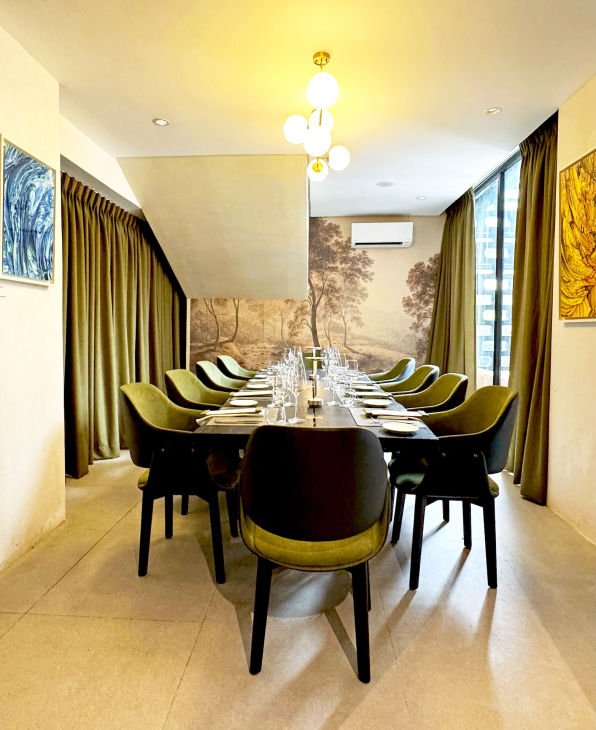
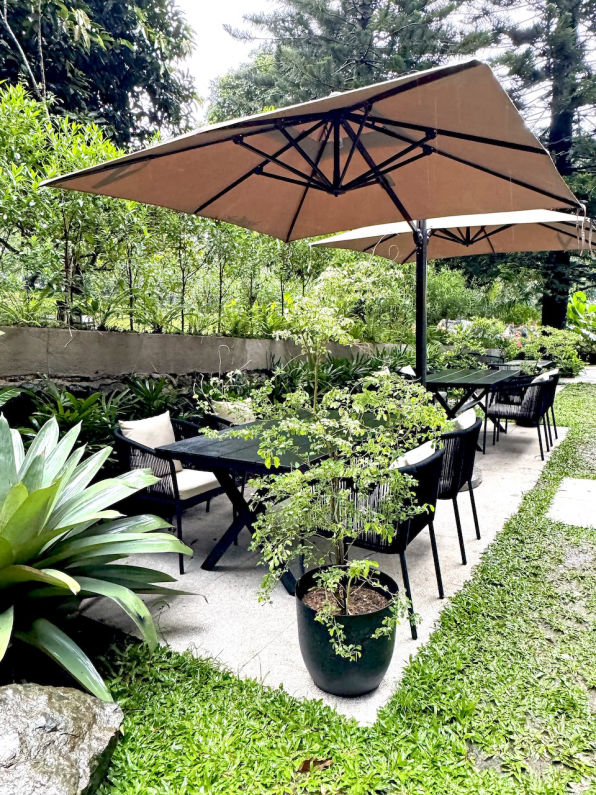
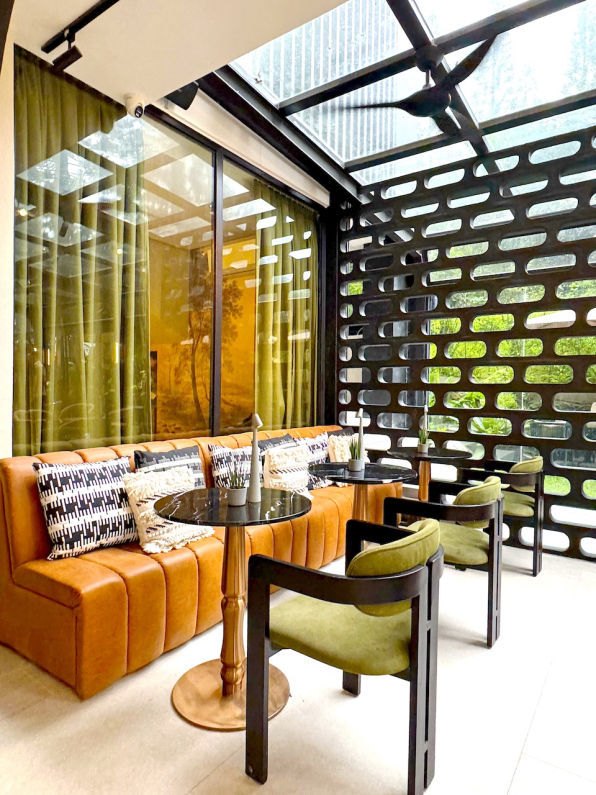
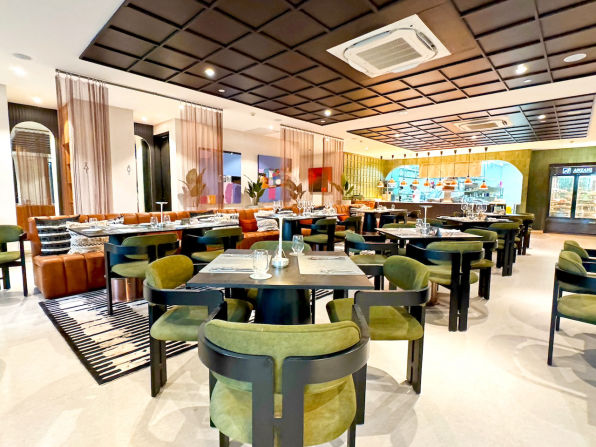
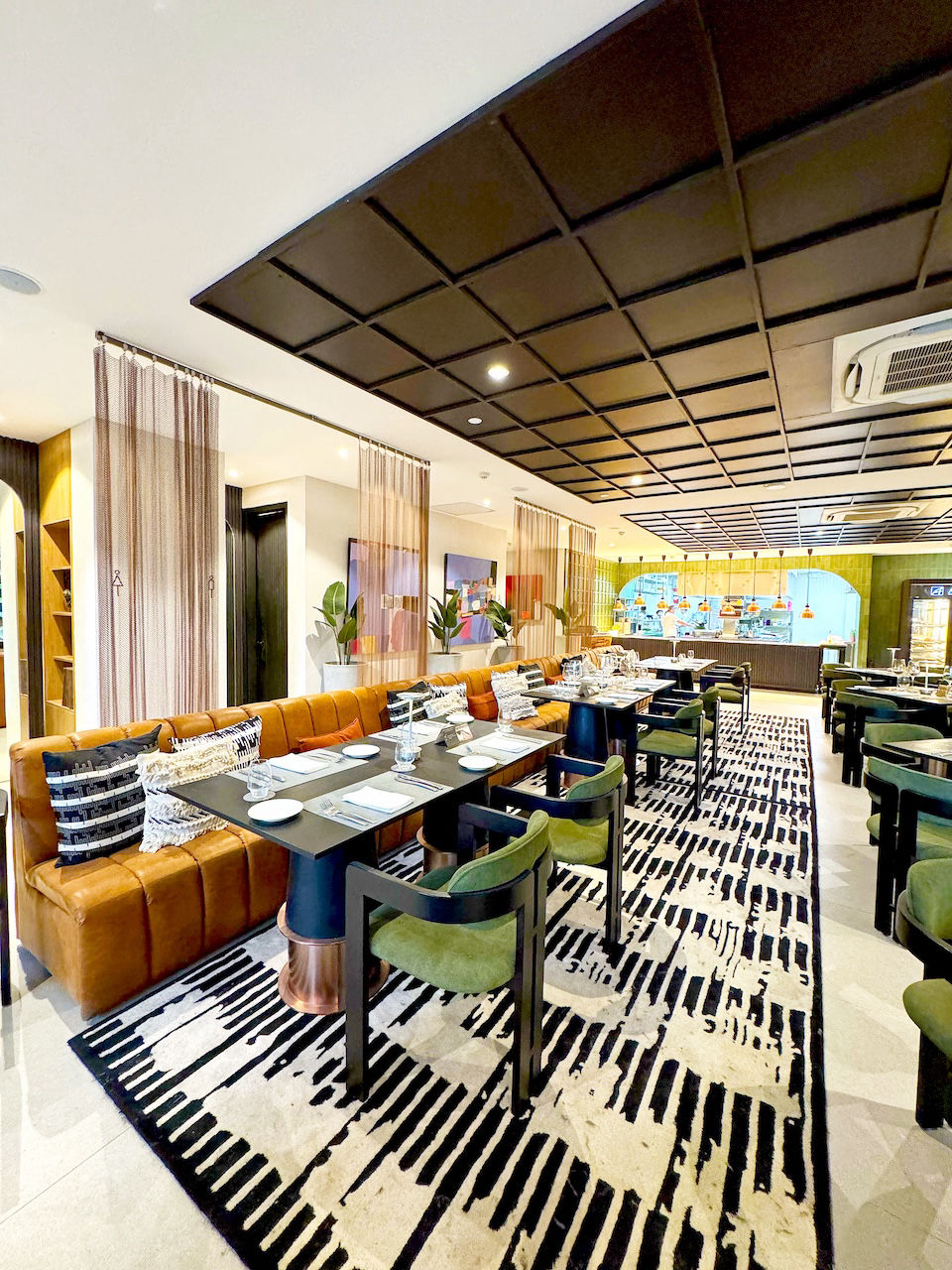
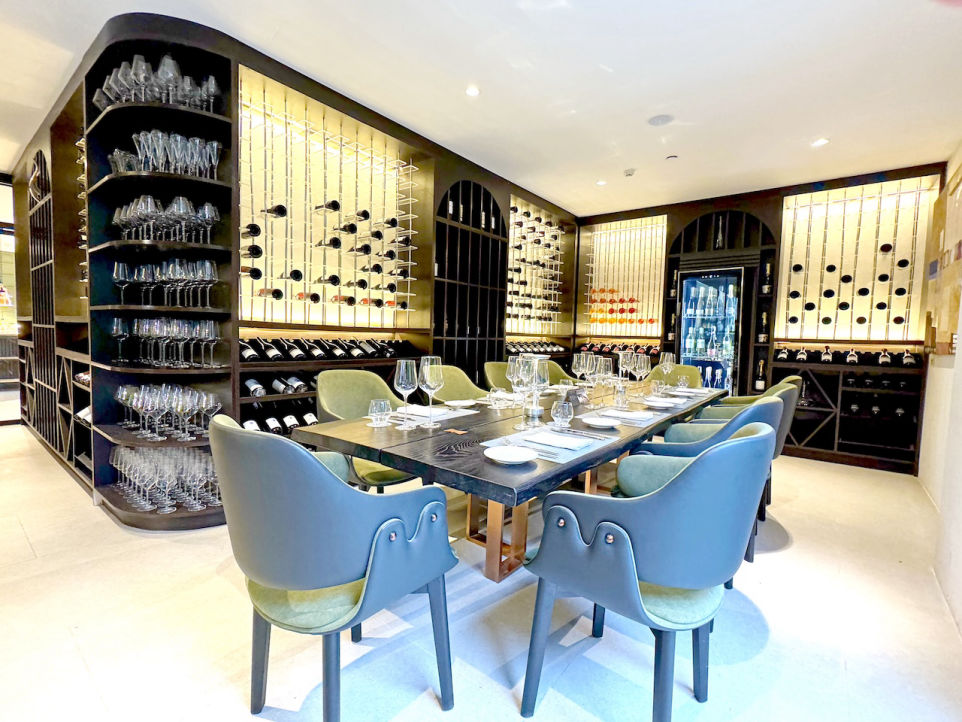
A dinning area with a robust wine selection, another private and cozy dinning area, an extension of the bar area outdoors, the stunning interiors of the main restaurant, the bar area lanai.
Anzani’s spinach ravioli reminded us why handmade pasta remains one of Italian cuisine’s greatest gifts to the world. Each pillow of pasta, stuffed with baby spinach and ricotta, was rolled fresh that day. The filling was delicate, the ricotta light and creamy, seasoned perfectly to enhance the spinach’s gentle flavor. The tomato passata sauce, bright and slightly acidic, cut through the richness of the cheese. This is the kind of dish that appears straightforward but reveals its complexity in the restraint in seasoning.
The mahi-mahi fillet showcased the kitchen’s ability to handle seafood with the respect it deserves. The fish arrived impeccably cooked. Crispy potato strings provided textural contrast and a playful visual element, while roasted tomatoes added concentrated sweetness and acidity. Watercress contributed a peppery bite that cut through the richness, and the lemon butter sauce pooled around the fish, tying all the elements together. This dish demonstrated the Mediterranean approach to seafood: enhance, don’t disguise.
The pork chop tomahawk proved that Anzani can handle hearty proteins with equal finesse. This pork chop was an engineering feat, stuffed with speck ham and fontina cheese, creating pockets of salty, melted richness within the tender pork. Speck, that wonderful Italian smoked prosciutto, added both saltiness and subtle smokiness. Fontina melted into luxurious pockets throughout the meat. The pork itself was cooked to perfect doneness. The pepper sauce added gentle heat and depth, complementing rather than competing with the meat’s natural flavor and the stuffing’s complexity.
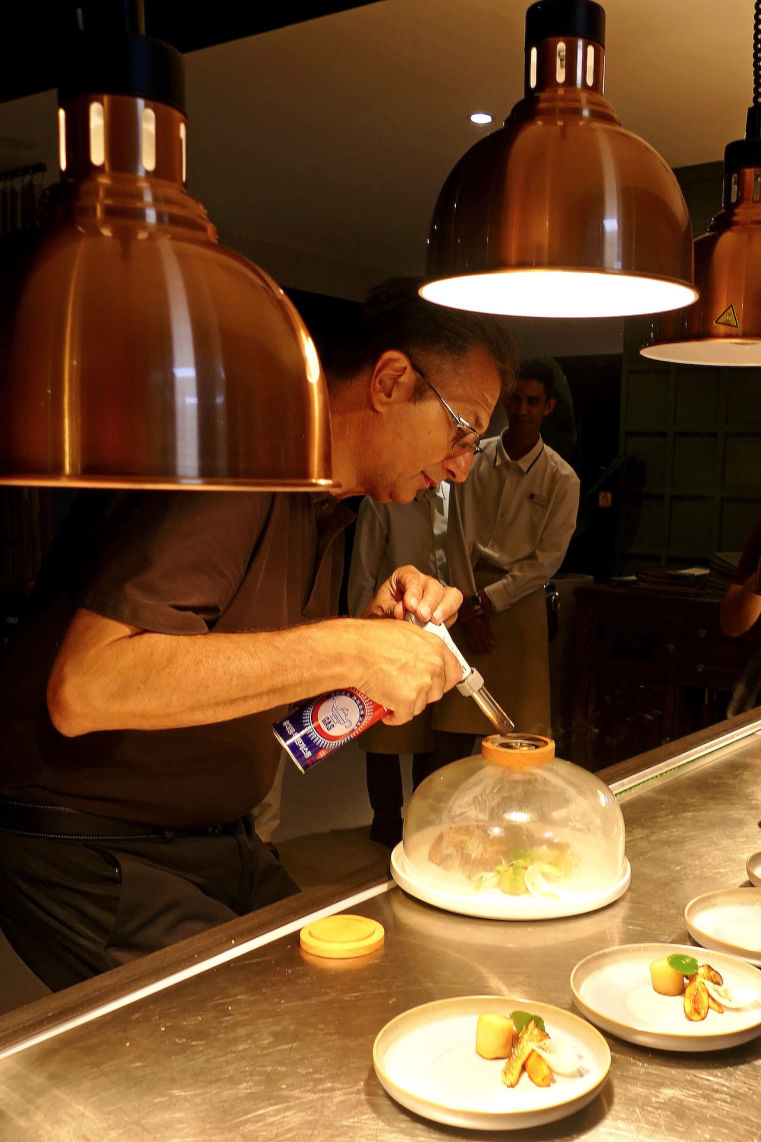
Chef Marco Anzano does his magic, a taste meze platter.
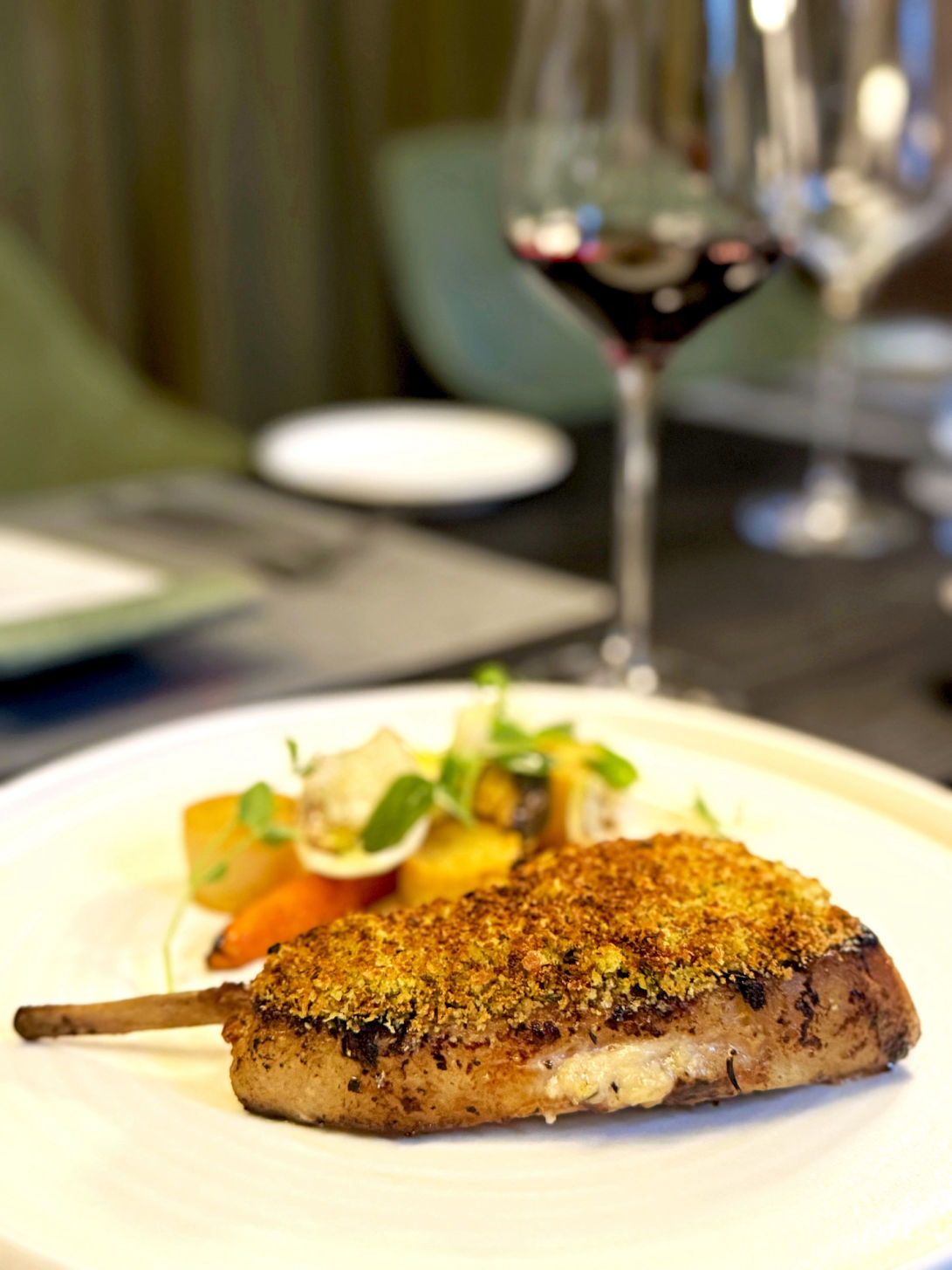
Porkchop Tomahawk with stuffed specked ham, fontina cheese and pepper sauce.
The tiramisu delight provided a fitting finale. Anzani’s version incorporated cinnamon into the mascarpone, adding warming spice notes to the classic coffee-soaked dessert. Almond espresso liqueur deepened the coffee flavor while introducing nutty complexity, and dates added chewy texture and caramel-like richness. This wasn’t your standard tiramisu; it was a reimagining that honored the original while making it distinctly Anzani’s own.
The dining experience at Anzani is enriched by a carefully curated wine program, and on this particular afternoon, we were introduced to Planeta wines from Sicily, brought to the Philippines by The Wine Club. The partnership between Anzani and The Wine Club represents a meeting of like-minded purveyors of quality.
The Wine Club, a family business founded in 2006, began as a boutique importer specializing in Napa Valley wines. Michael Reyes, who joined the family business in 2014, has expanded their portfolio to include exceptional Italian producers.
The Wine Club’s relationship with Kate and Marco Anzani began in Cebu. “Kate and Marco are dear friends, and they helped us enter into the Cebu market,” Reyes says. “We’ve been working together very closely since then.” With Anzani’s Alfonso location, the partnership continues. As a half-Filipino who immigrated from California in 2014, Reyes brings both cultural perspectives to his work.
Planeta wines proved an ideal match for Anzani’s Mediterranean menu. Alessandro Vallecchi, representing Planeta, explained the winery’s remarkable story during our meal. The Planeta family, whose Spanish-sounding name reflects Sicily’s history as part of the Spanish kingdom, moved to the island 600 years ago in the 1500s. They established themselves as landowners, growing citrus, almonds, olives, and grapes.
Until 1985, those grapes went to local cooperatives for bulk wine production. But Diego Planeta, the founder of today’s winery, had a different vision. Diego stopped supplying cooperatives, planted new vineyards and began producing wine under the family name. The first vintage was released in 1989: relatively recent in the wine world, yet long enough to establish Planeta as a pioneer of fine Sicilian wines on the global market.
Today, Planeta operates five different wine estates across Sicily, each chosen for its unique terroir and ability to showcase different grape varieties.
The four wines presented at our lunch demonstrated this diversity. The white wines, made from Grillo, a native Sicilian grape, ranged from the light and easy-drinking Segreta to the more opulent Terebinto, named for a flower found near the vineyards. The red wines, crafted from Nero d’Avola, followed a similar progression, with Segreta offering bright, pleasant drinking and the more structured selection providing deeper, more complex flavors perfect for the pork tomahawk.
The partnership between Anzani and The Wine Club, showcasing wines like Planeta, represents education and appreciation. “The goal is to educate and to be able to have an experience where food paired with wine is pleasurable,” Kate Anzani explains. “You’re kind of living life.”
For Vallecchi, introducing Sicilian wines to Filipino diners requires patience and enthusiasm. “A lot of people buy wines on the basis of denominations they’ve heard of, like Chianti Classico, Barolo, Amarone. Sicily is more of a latecomer, less well known.” But he’s encouraged by what he’s experienced in the Philippines. “Filipinos and Asians in general have a good palate. They’re used to tasting a lot of flavors, a lot of nuances in their food. That’s what we appreciate.”
The wine program at Anzani reflects this educational mission while maintaining approachability. Wine events and tastings, featuring producers like Planeta, happen regularly. “Wine will always be there,” Kate reflects, even as drinking culture evolves. At Anzani, wine is presented as part of the pleasure of dining well.
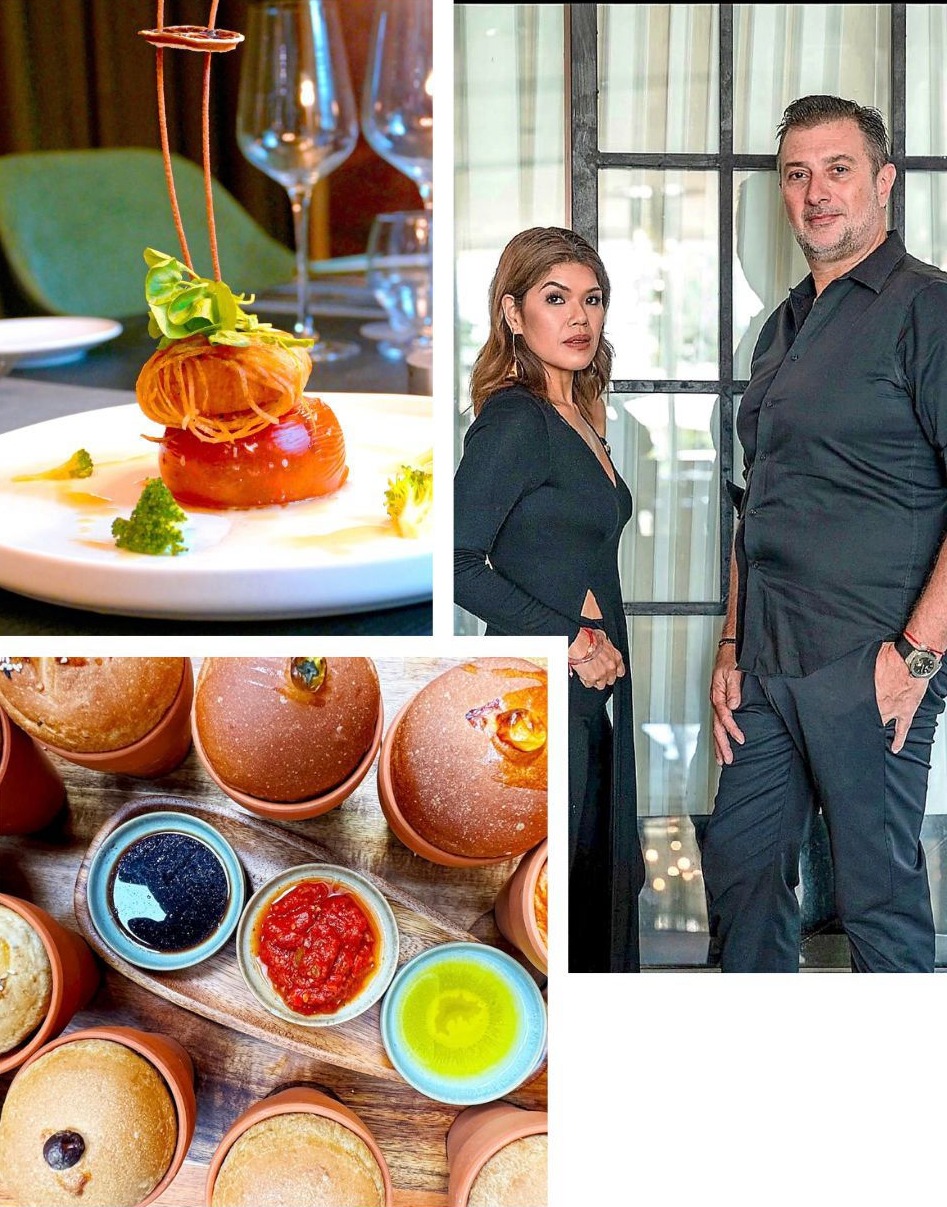
Top right photo: mahi-mahi fillet with potato strings, roasted tomatoes, watercress, and lemon butter. Bottom right photo: A close-up of the mezze platter. Left photo: Husband and wife Chef Marco Anzani and Kate Anzani.
What makes Anzani in Alfonso special isn’t any single element. It’s the integration of all these elements into a cohesive experience that feels both sophisticated and welcoming.
The Alfonso location sits on a hill with panoramic views of agricultural land, a setting that reinforces the restaurant’s commitment to its farm-to-table philosophy. Inside, the design maintains Anzani’s classic aesthetic, such as oak wood, bold colors, green and olive tones, but with an upgraded execution. The menu is more streamlined than Cebu’s 80-item offering, focusing on approximately 40 carefully chosen dishes that represent the best of Marco’s Mediterranean repertoire.
This is cooking with a point of view, rooted in Mediterranean traditions but unafraid to incorporate the best of what the Philippines offers. The sustainability commitment isn’t just marketing speak. Anzani Cebu holds Green Choice Philippines recognition, one of only three establishments nationwide with the distinction. The pandemic forced them to shift from 80% imported ingredients to majority local sourcing, and they discovered they could maintain their standards with Philippine products.
After 20 years perfecting their craft in Cebu, Marco and Kate Anzani have brought their vision to Alfonso. The result is a restaurant that feels both mature and fresh, established yet evolving. As Kate puts it, “We hope that the food transports those who eat here to the way they know when they travel outside.” On this afternoon, watching the light play across the Alfonso hills, sampling dishes that spoke of Italian trattorias and Turkish meyhanes, Lebanese street food and French coastal cuisine, all supported by wines from a 600-year-old Sicilian family’s vineyards, that transportation felt complete.
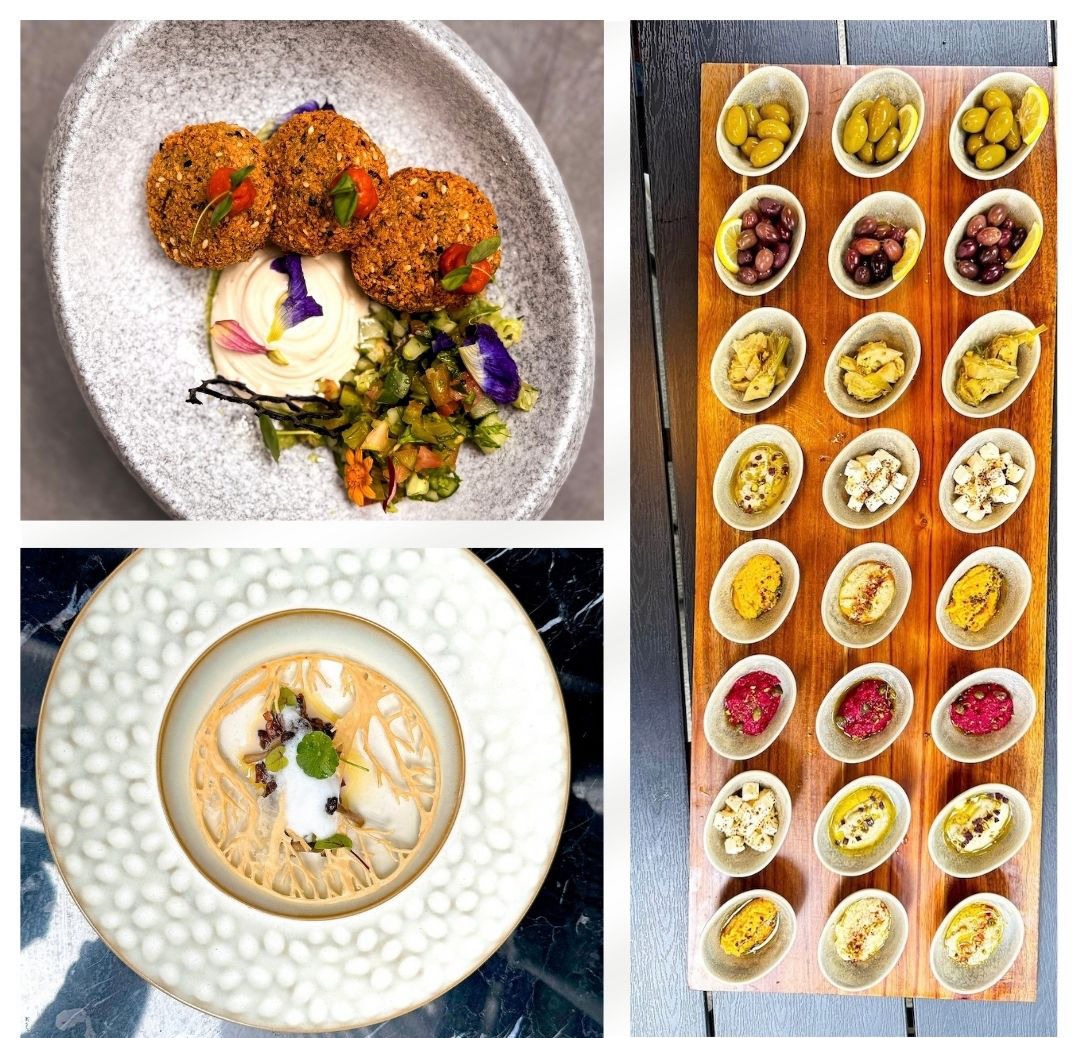
Top left: Falafel hummus muhammara with split peas,garlic, coriander, tabbouleh, and a tahini yogurt. Bottom Left: Cream of roasted Benguet wild mushroom with crisp leeks, truffle essence and milk foam. Right photo: A tasty meze platter.

Offline Website Maker