A KIND OF HOMECOMING
Revisiting Davao as a Food Haven
Words and Images by John Patrick Allanegui
Revisiting Davao City, writer-cum-photographer John Patrick Allanegui discovers that his hometown can be a haven of culinary delights. He guides us through this filling (and fulfilling) journey.
“What’s there to eat in Davao?” my Manila friends would ask me.
“Don’t ask me. I’m a local,” I’d say.
As a Davaoeño, I find it difficult to showcase anything exciting in my hometown. After all, everything about the place – especially the food – is normal to me. But having been based in Manila for some time now, every flight back home challenges me to rekindle my taste for my hometown.
Davao City, being the economic hub of Mindanao, has enjoyed tremendous change in political development and infrastructure in recent years. The food scene is no different. Numerous homegrown restaurants have dotted the gustatory map of the city, competing against bigger and more commercial names along the highways and in the malls.
During my last visit, I brought with me a mission to fulfill: to showcase gustatory places in my hometown. To navigate myself in the food landscape, I opted to revisit places whose names were both personal and communal among the many locals of the city.
ADVERTISEMENT

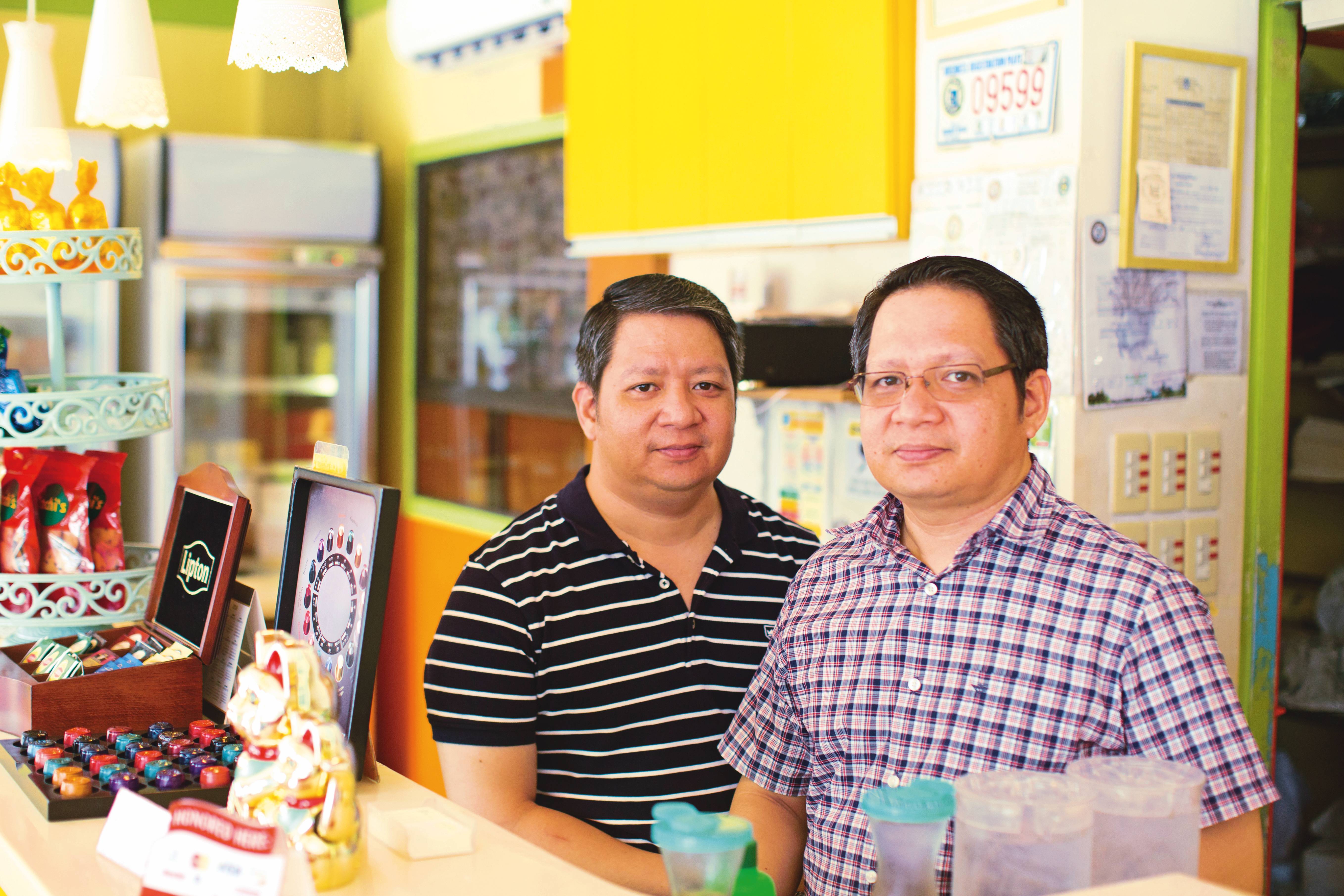
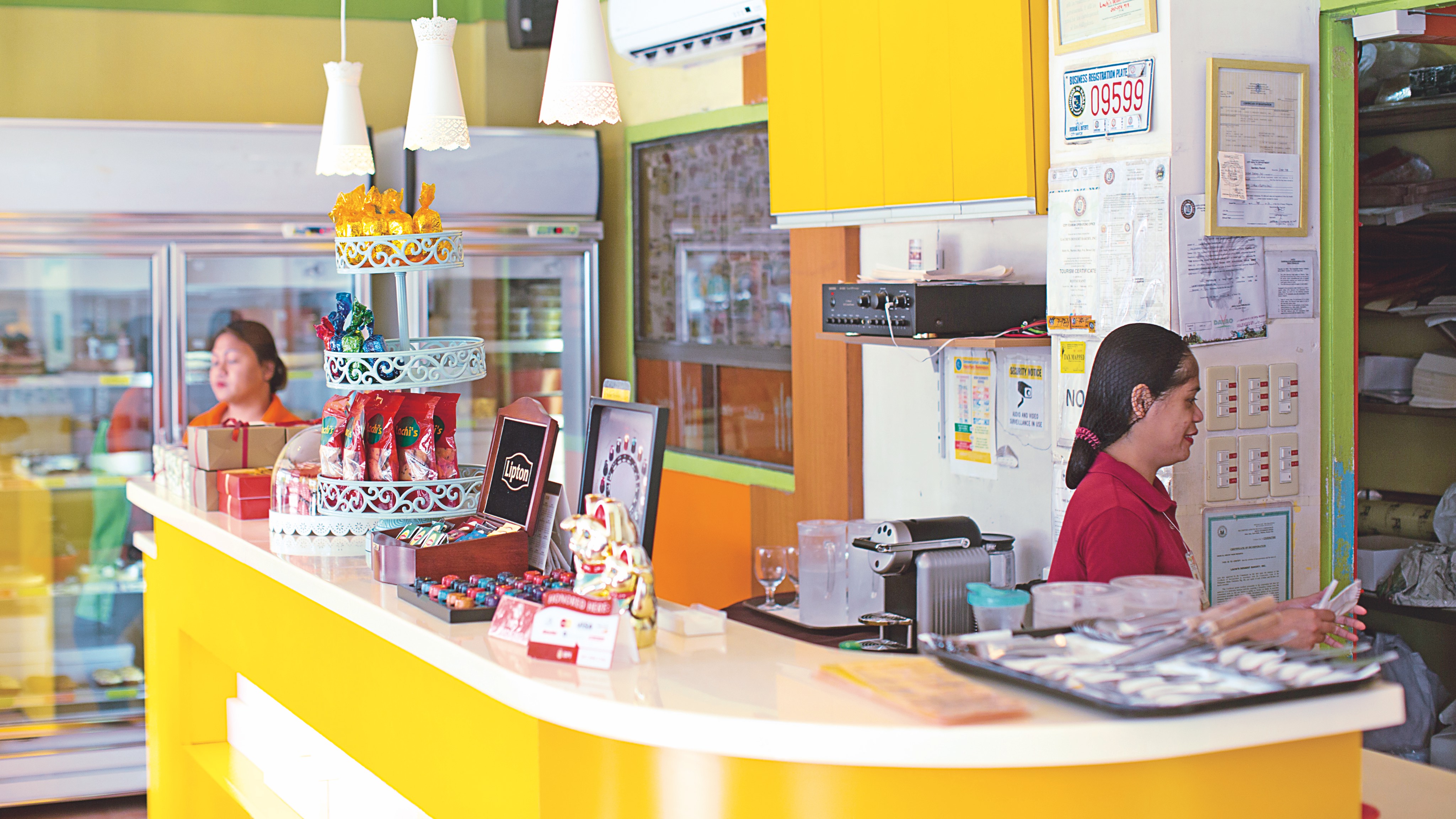
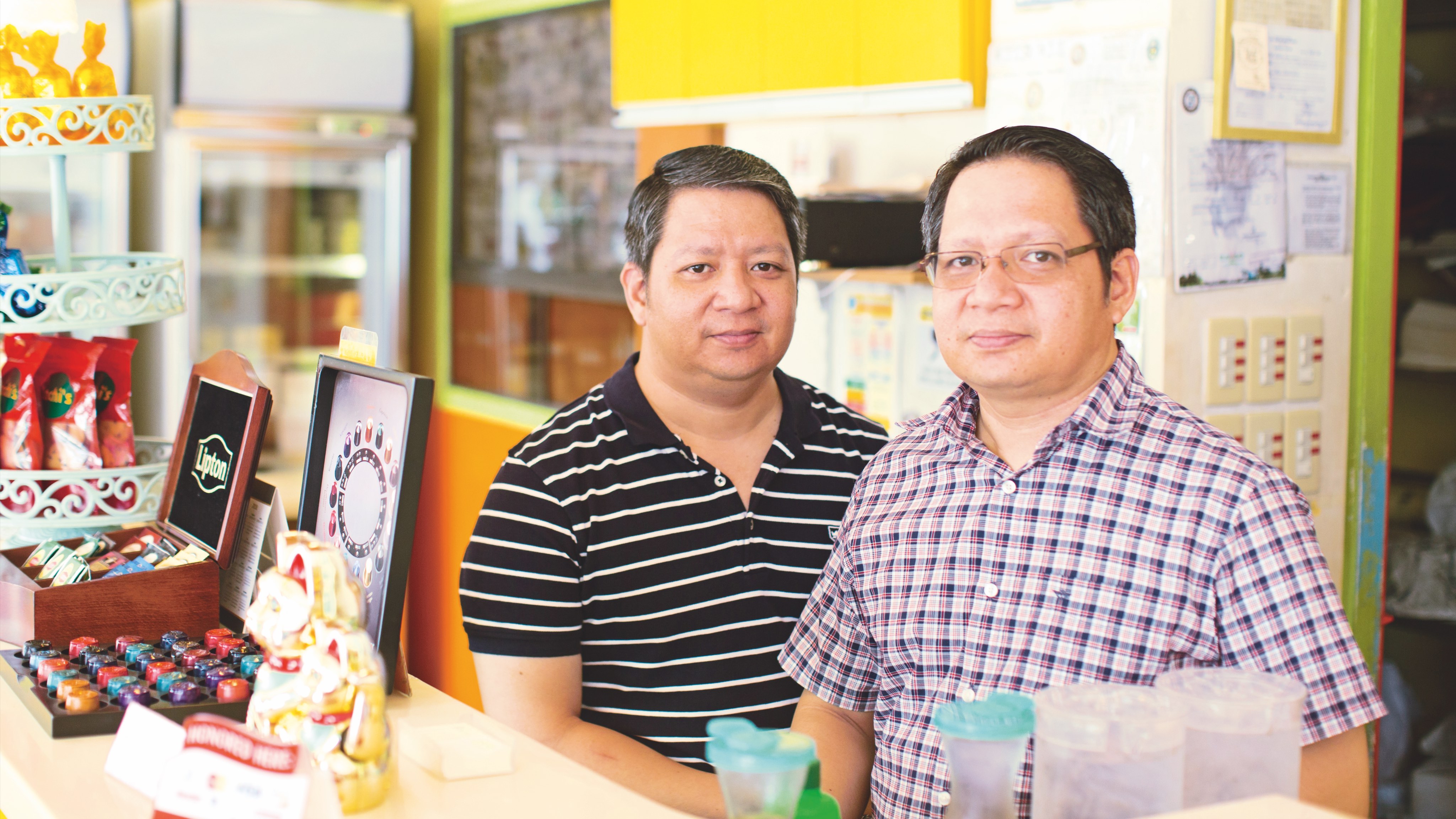
Lachi’s owners Mel and Mike Aviles got inspiration from their mom’s homecooking.
Heading content
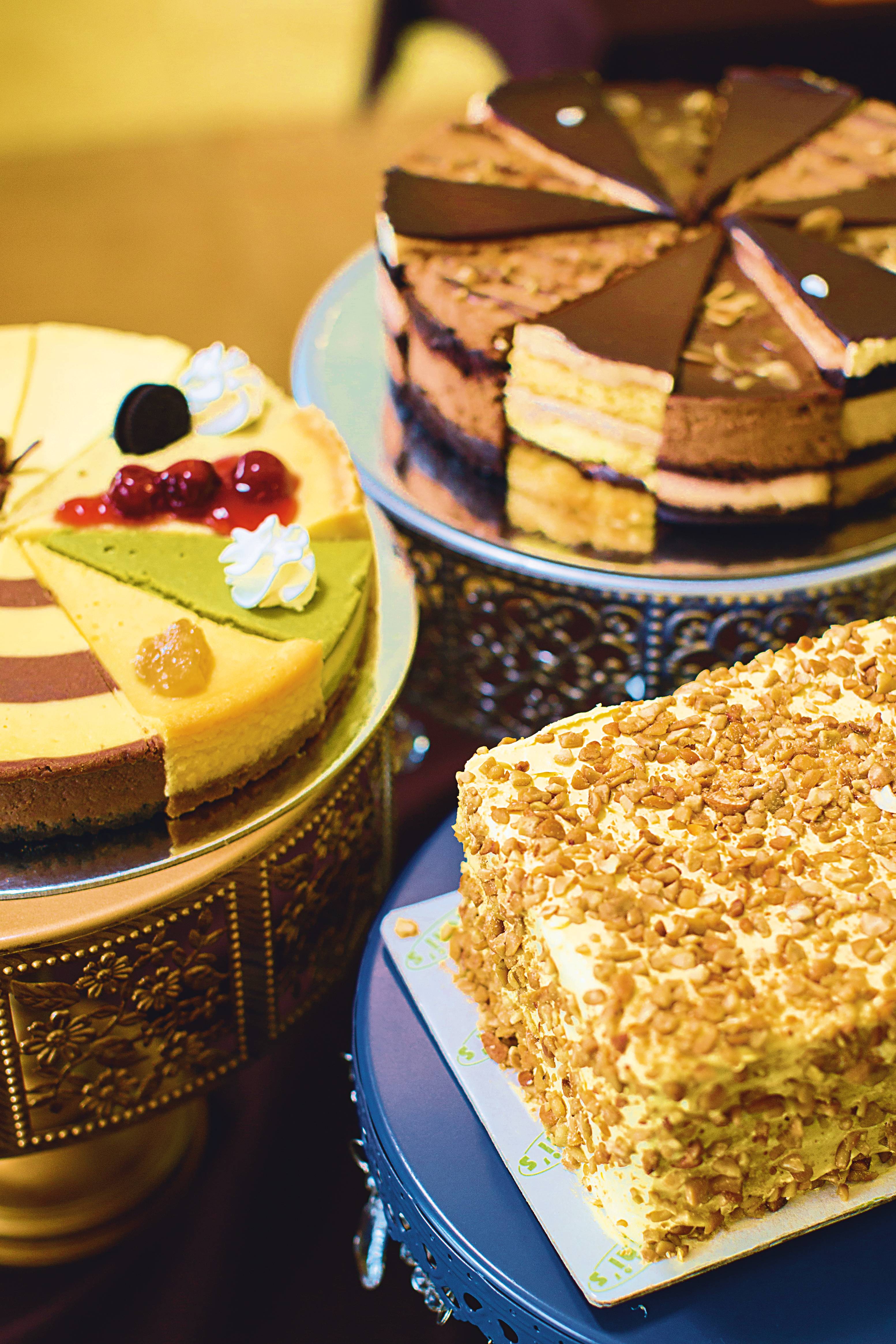
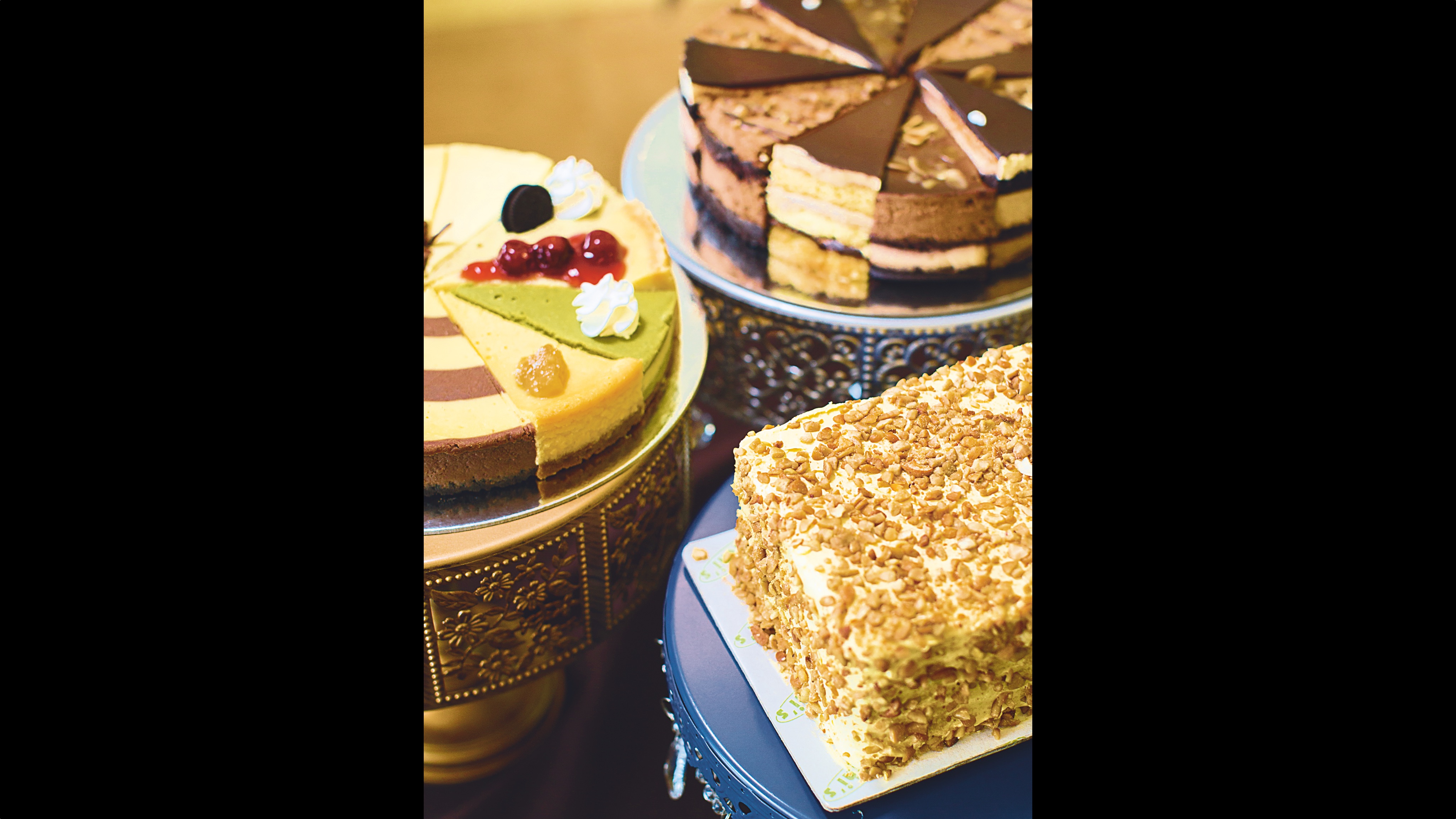
A trip to Lachi’s is never complete without trying out the sweets such as the Green Tea Cheesecake, Five-Chocolate Torte Cheesecake, and of course, the bestselling Sans Rival.
Filipino Comfort Food and Desserts: Lachi’s Sans Rival ATBP.
When twin brothers Mike and Mel Aviles were helping their mother in the 1980s with kitchen chores, little did they know that their childhood routine of tying ham would eventually give way to their successful restaurant, Lachi’s Sans Rival ATBP.
Lachi’s, whose name was derived from their mother, is a place that was born out of a family’s love for food. Mike and Mel, who now manage the restaurant, say that they owe everything to their mother’s home cooking when corporate clients would order heaps of tocinos and American ham during the Christmas season.
“Growing up, we never felt Christmas was a vacation,” Mel said. “Everybody was busy with the cooking.”
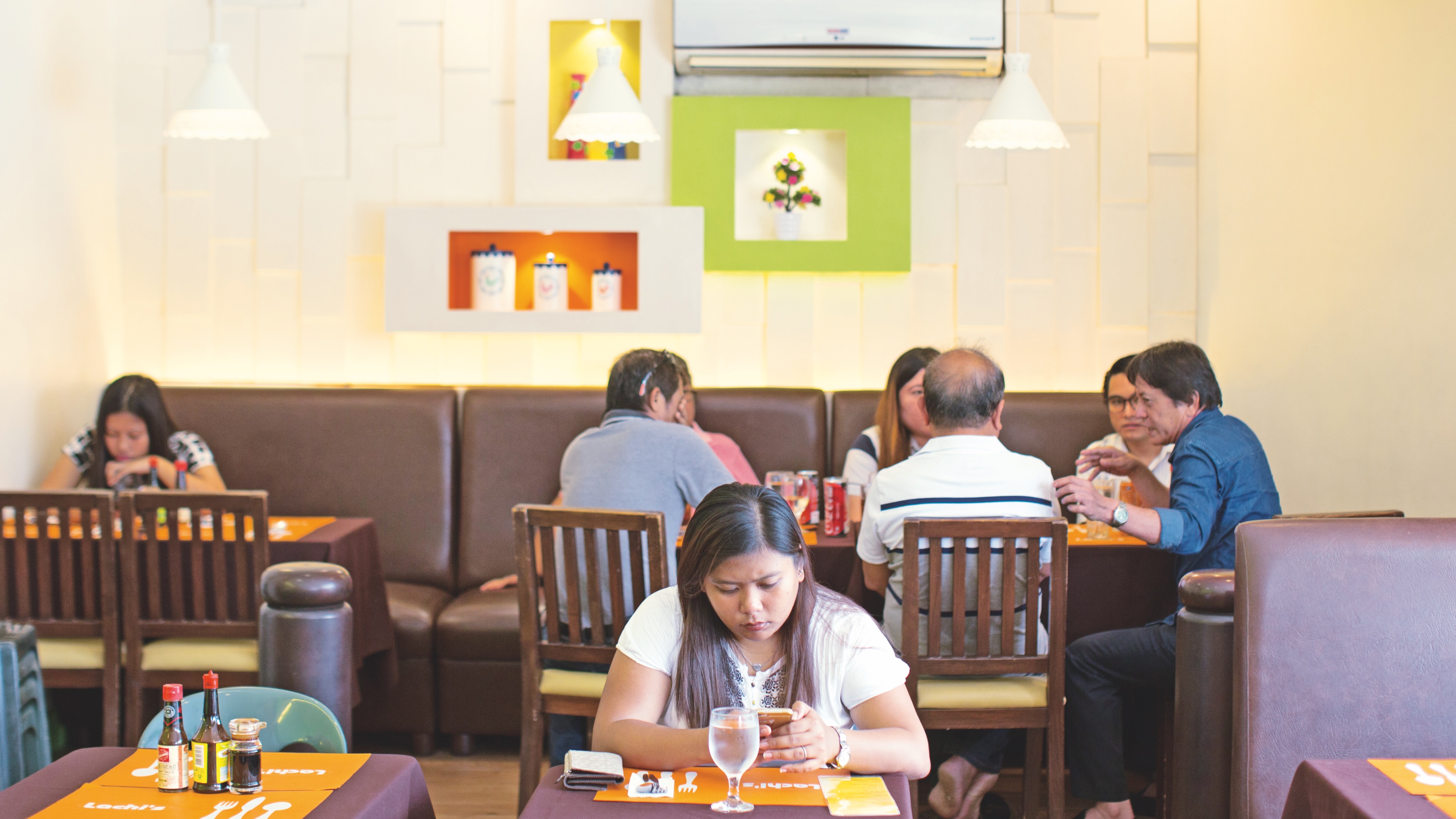
Such routine of baking and cooking eventually prepared the twins to establish Lachi’s in a 20-sq m space in 2001. During its inception, the twin brothers thought of offering desserts only. But it was Mike who thought of offering other Filipino comfort food in the menu as well. The twins say it’s difficult to categorize their offerings as either Filipino or fusion food.
“What we offer aren’t necessarily Filipino food,” Mel said. “But it’s what you can typically find in many Filipino tables… So it’s comfort food.”
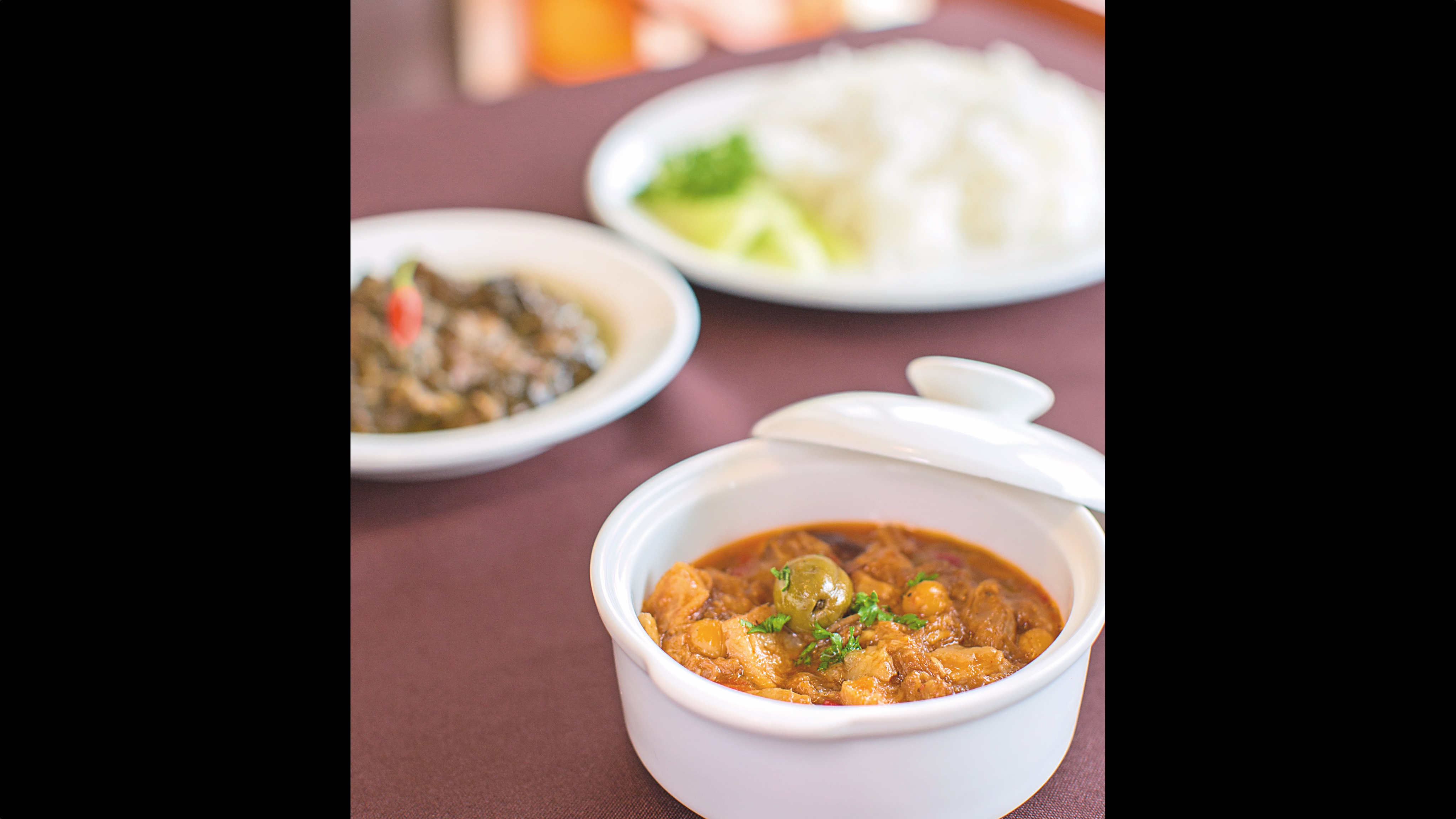
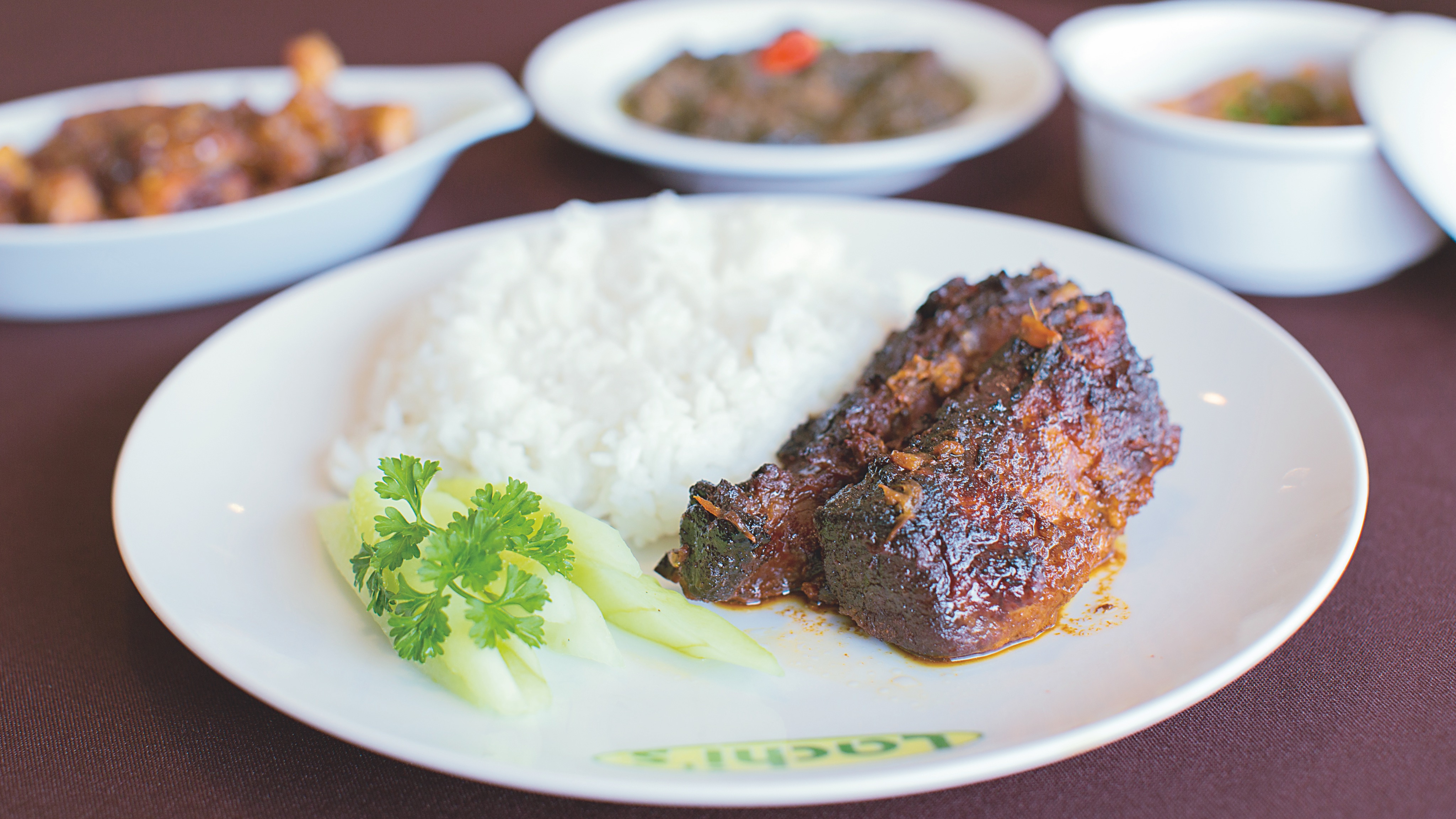
My table was filled with plates of what the twins were talking about. I was first drawn to the Unforgettable Grilled Pork Ribs, whose meat was so tender, it fell off the bone the moment I sliced it. The seasoning was just right, leaving a tangy and sweet taste in the mouth. Then came the Asian Spicy Chicken, which were bite-sized chicken nuggets, glazed with a flavorful coating and sesame seeds. It paired well with the bowl of callos, whose sauce was thick and savory enough to kick off the blend of beef, chorizos and bell peppers. On the side, I tried the laing, which left a spicy and appetizing taste of gata in my mouth.
A trip to Lachi’s is never complete without trying out their sweets. I had slices of their Green Tea Cheesecake and Five-Chocolate Torte Cheesecake, both of which were delectably sinful. To top it all off, I munched on the bestselling Sans Rival and its layers of buttercream, meringue and cashews which gave my sweet tooth the perfect ending.
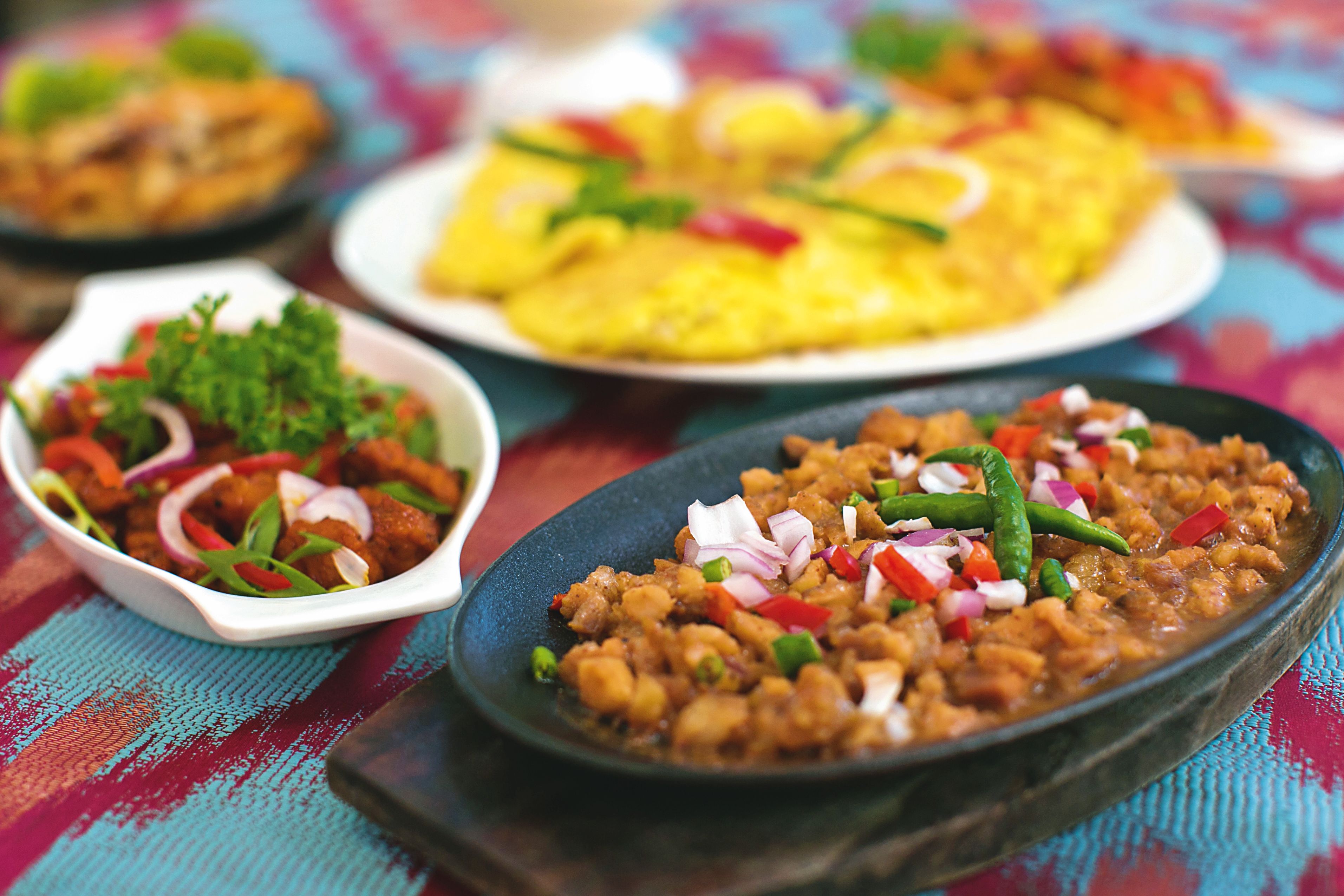
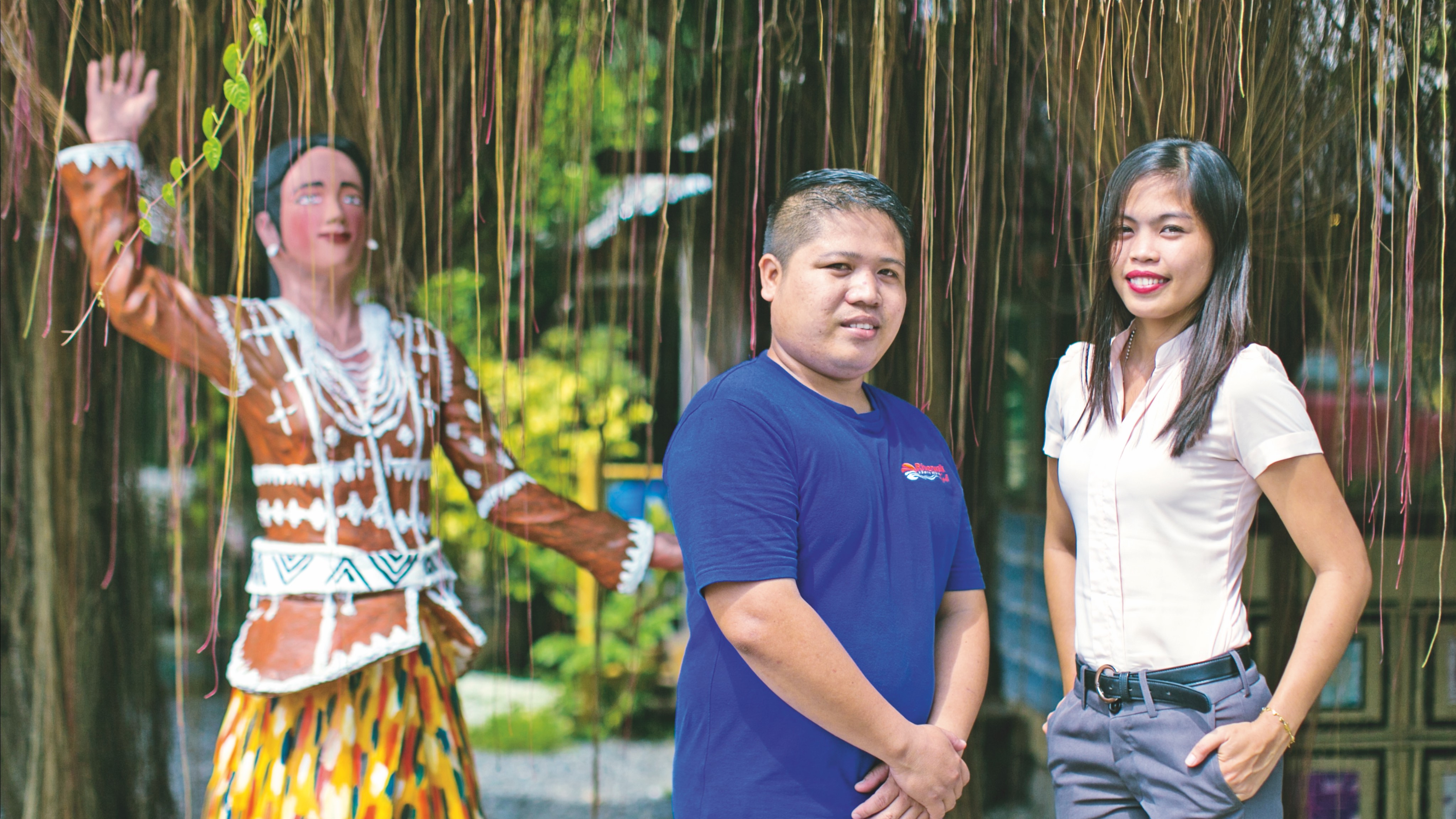
Riverwalk Grill serves some exotic meats. Try the famous crocodile sisig, ostrich omelet, and crocodile steak.
ADVERTISEMENT

For The Exotic at Heart: Riverwalk Grill Exotic Resto
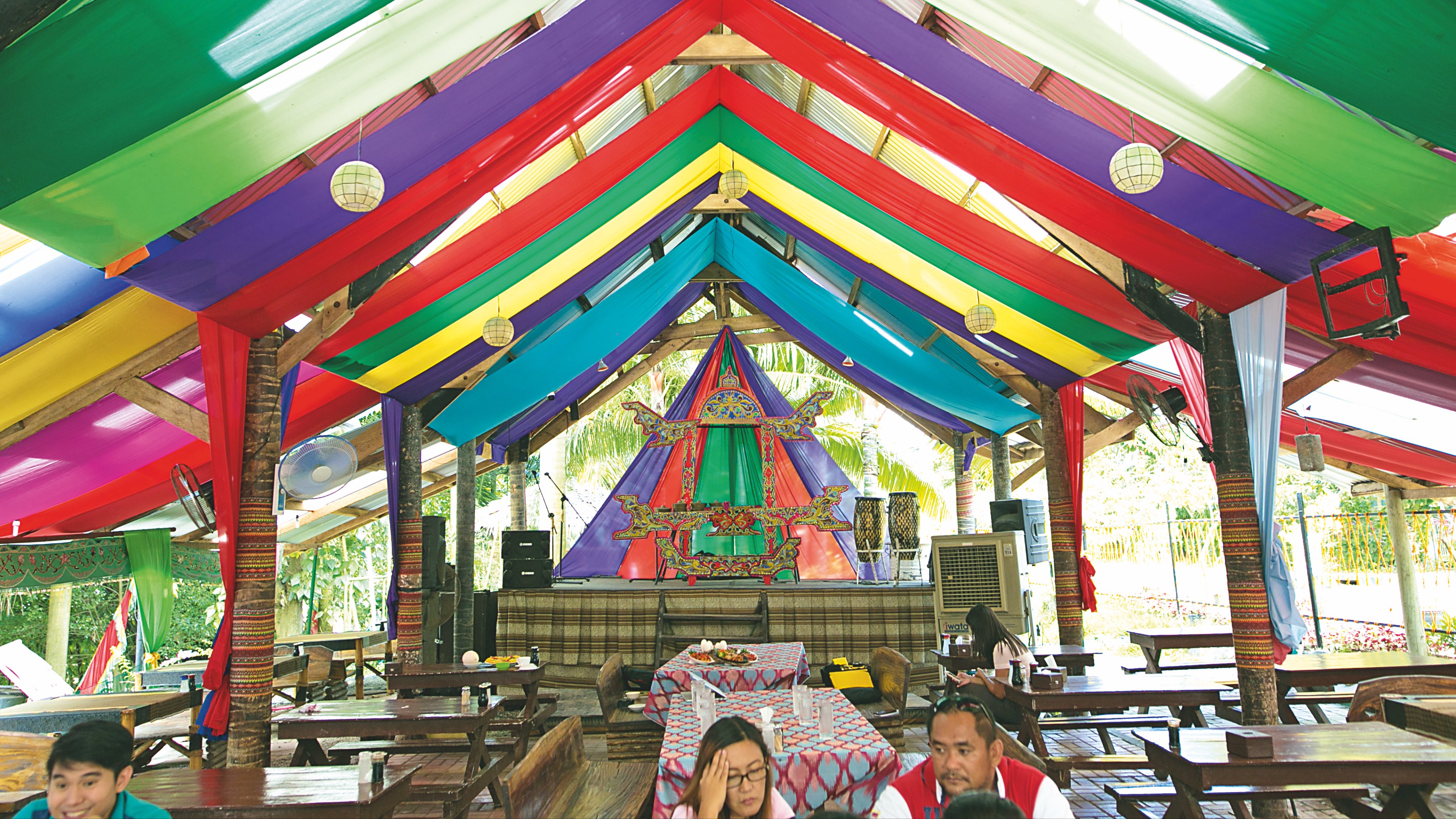
The first thing that comes into people’s minds when they hear about Davao Crocodile Park is the sight of large reptiles swarming in puddles, basking in the sun with their mouths agape. But more than that, the place is where crocodiles are seasoned and served on sizzling plates at the park’s outdoor restaurant, Riverwalk Grill Exotic Resto.
Established in 2005, Davao Crocodile Park started only with forty crocodiles under its care. At that time, crocodile meat was in surplus because people were only after the animal’s skin as a valuable commodity in the fashion market.
“We decided to make use of the crocodile meat instead of just throwing it away,” said Jane Oquias, marketing staff of the park. “Everything we serve here is farmed.”
Channeling my exotic self, I first feasted on the crocodile sisig, which was served still sizzling in a thick red sauce, garnished with onions and bell peppers.
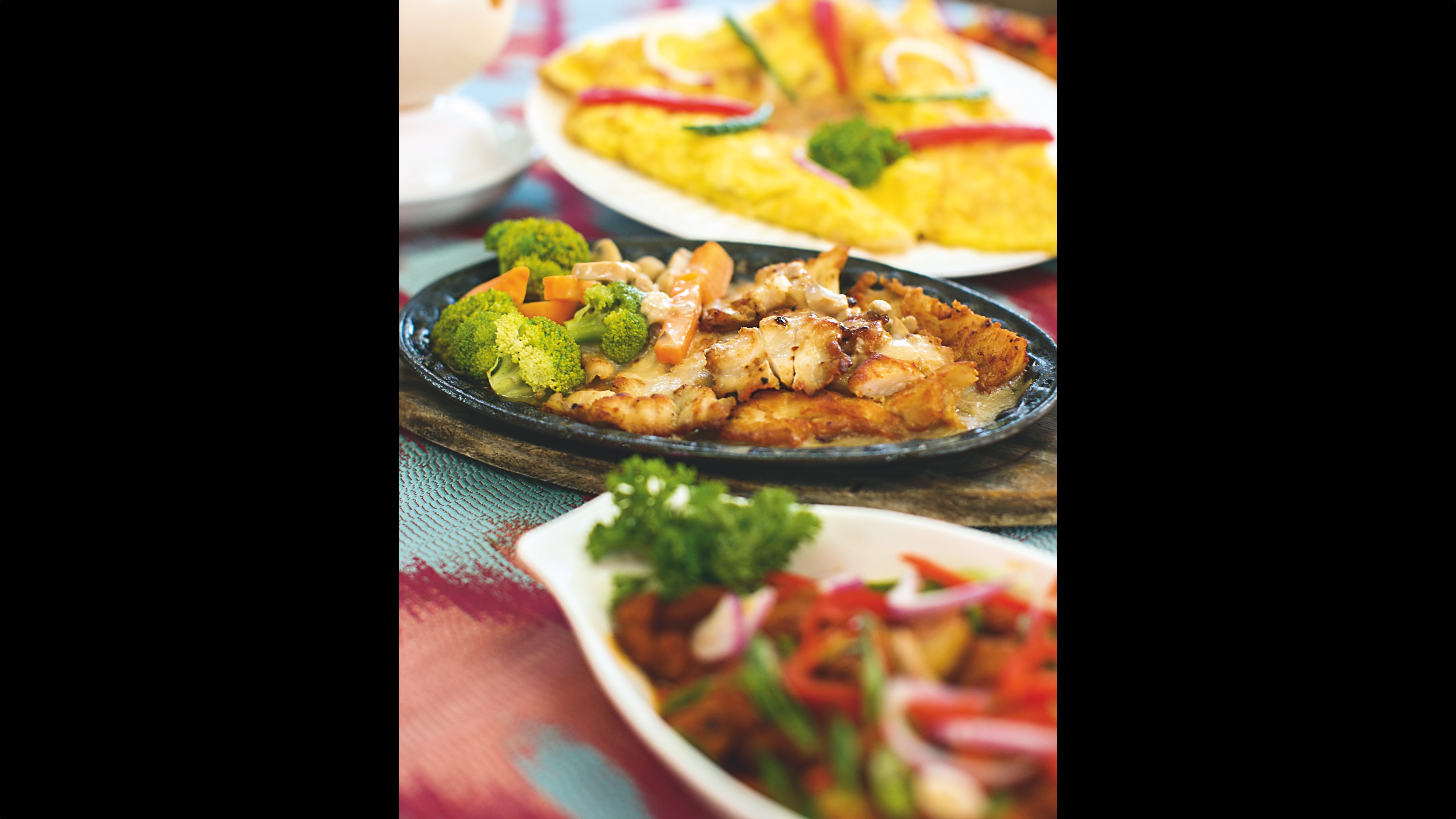
Upon my first bite, I thought the crocodile meat tasted something in between fish and chicken meat. My taste buds were left in awe by the flavor, and that did not stop me from trying out other croc dishes such as the crocodile steak which was served on a sizzling plate with gravy; crocodile kaldereta topped with cheese, hotdogs, peas and carrots; and spicy crocodile, chunks served with annatto oil and oyster sauce. On the side, there was a plate of ostrich omelette, which was so large, it could serve a family of ten. It was served with shrimp sauce, which gave the dish a milky smack.
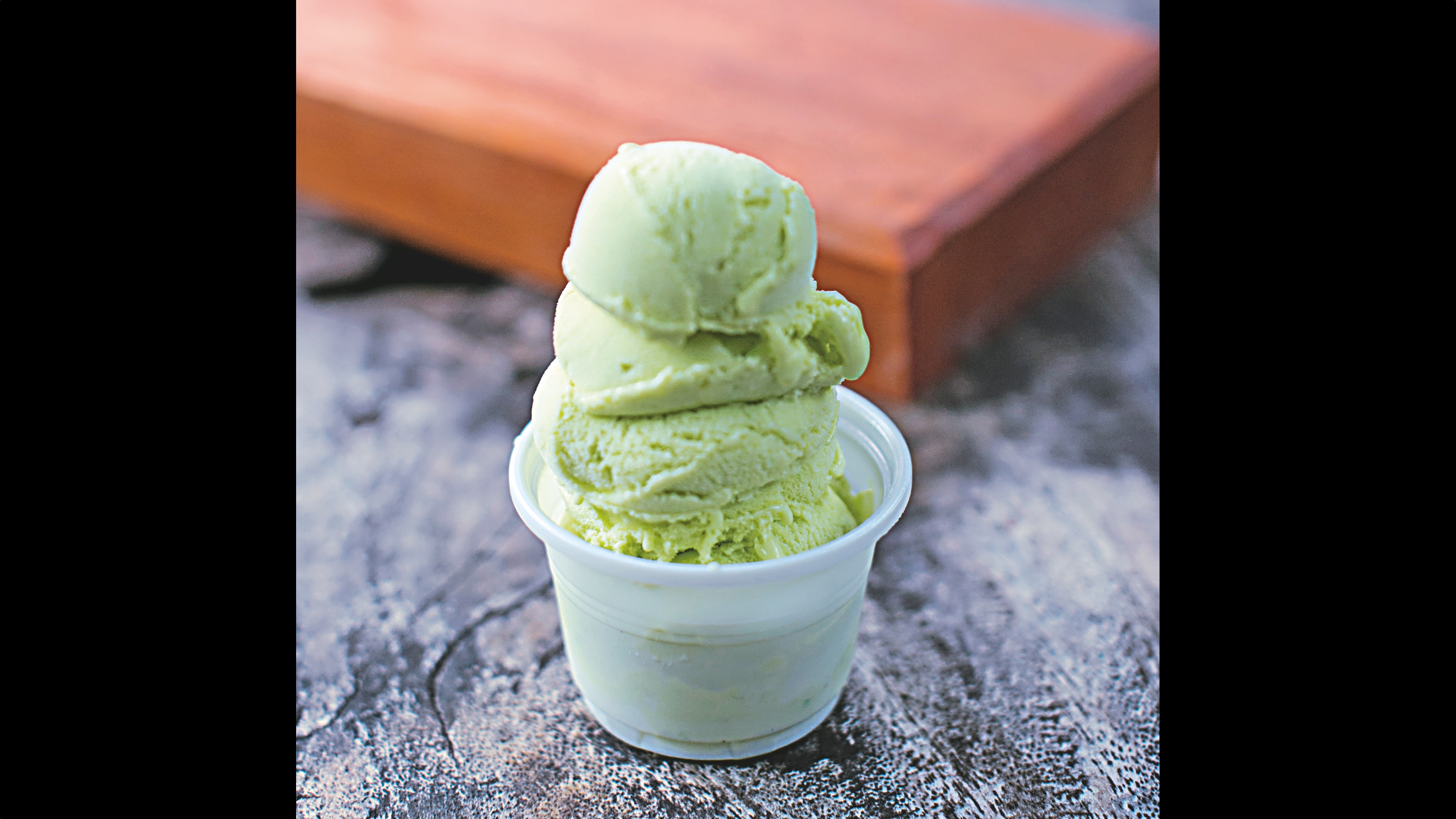
And the perfect way to end an exotic meal was to top it off with an exotic dessert. I had a scoop of the park’s famous pandan crocodile ice cream. The pandan’s sweetness was subtle to give way to the taste of bits of crocodile meat in the best-selling dessert.
“People love crocodile meat because it’s low in fat and high in protein,” Jane said. “It’s actually an aphrodisiac.”
From there, I swear something rose up at my nape, telling me that I’ve had too much crocodile meat for one day.
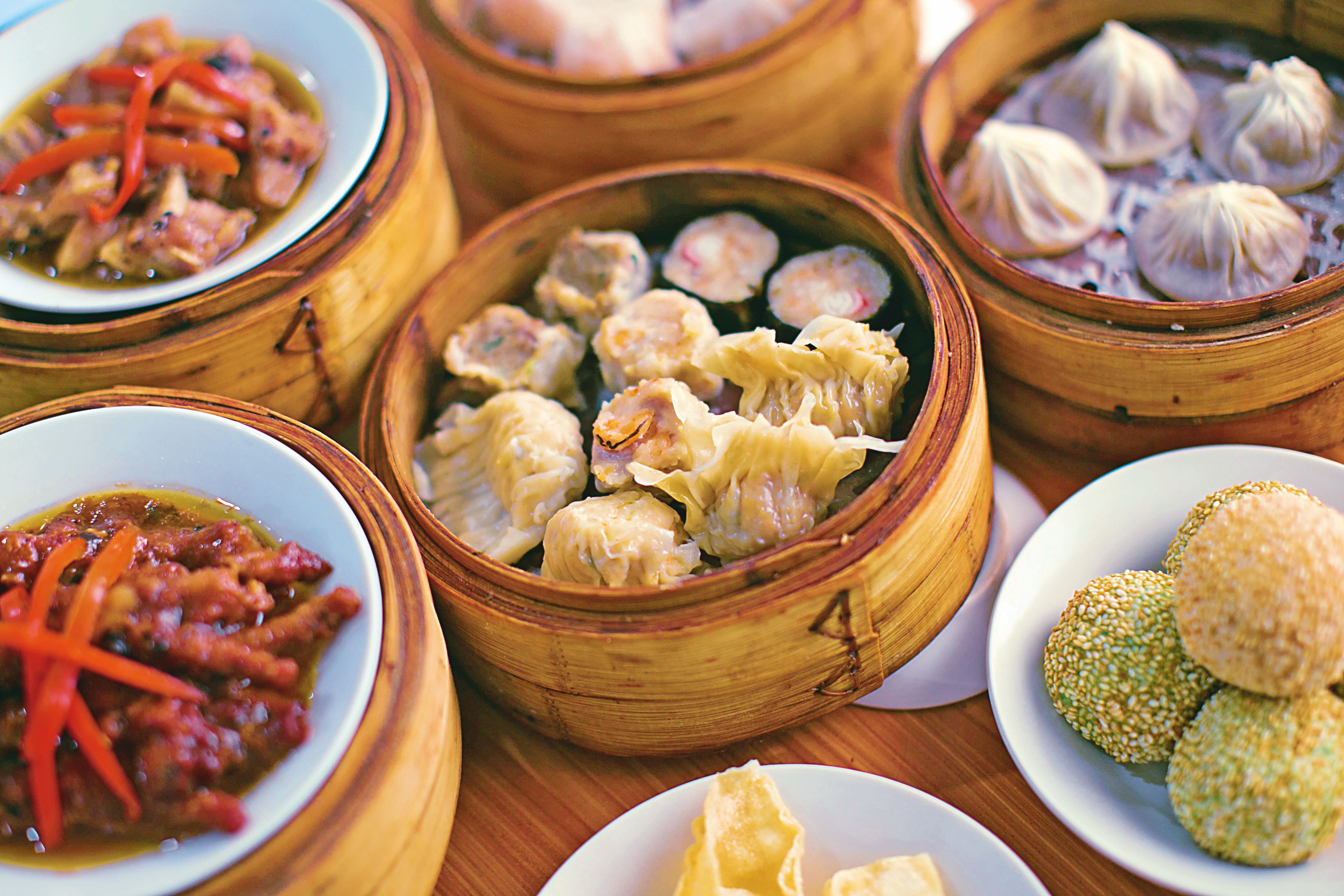
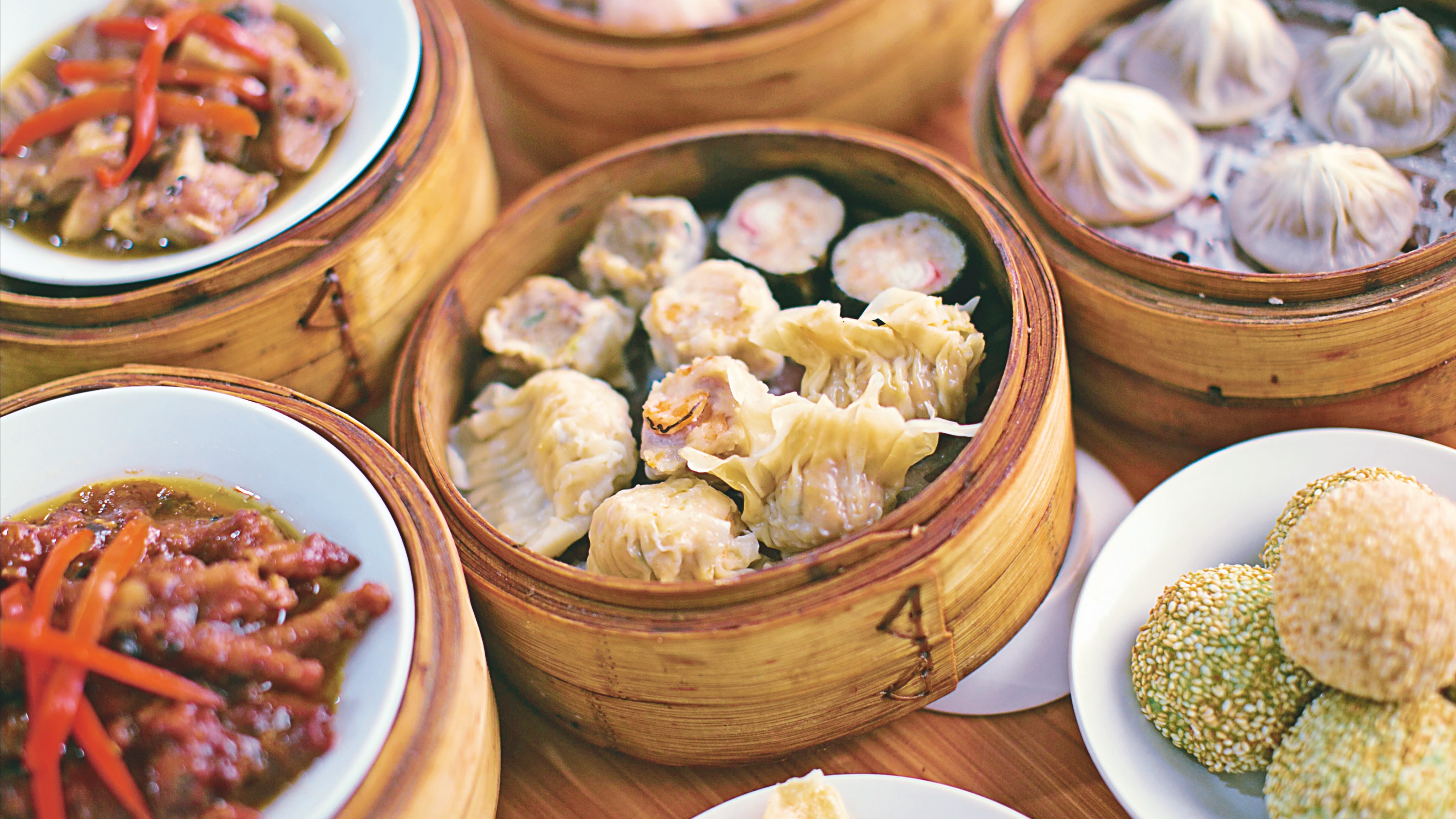
Caitlyn’s bestselling items include pork and shrimp siomai, Japanese siomai, and the Chef’s dumpling.
Dimsum and Dumplings: Caitlyn’s
When Alexander “Ikloy” Buyco visited three cities in China, he witnessed how siomai and hakao were made by hand before his very eyes. That was how he learned the tricks to replicate the art of dimsum and dumpling creation at his front yard.
Though an engineer by profession, Ikloy is not new to the kitchen, having worked in various local restaurants as a working student during his college years.
“The dimsum and dumplings here in Davao were all bitin,” Ikloy said, hinting at the small servings of the Chinese cuisine in local restaurants.
This gap prompted Ikloy to put up Caitlyn’s in July 2014, a hole-in-the-wall that specializes in dimsum and dumplings at his own house along Circumferential Road.
Named after his first daughter, Caitlyn’s is known for popularizing the likes of xiao long bao and hakao to the palate of Davaoeños. Ikloy takes pride in the fact that everything they offer is made from scratch.
“Everything we serve here is homemade, from the wrappings to the noodles,” Ikloy said.
Being a dumpling fanatic myself, I am no stranger to Caitlyn’s food. That’s why when I ate a piece of xiao long bao in one bite, I welcomed the taste of the steamed bun bursting with its hot broth in my mouth. Then came a parade of colorful dumplings served in bamboo steaming baskets: the pork and shrimp siomai, Japanese siomai and the hakao, all of which had a flavorsome kick. On the side, cream cheese wontons played with my taste buds with their sweet aftertaste as the taosi spareribs contrasted it with its salty and meaty flavor.
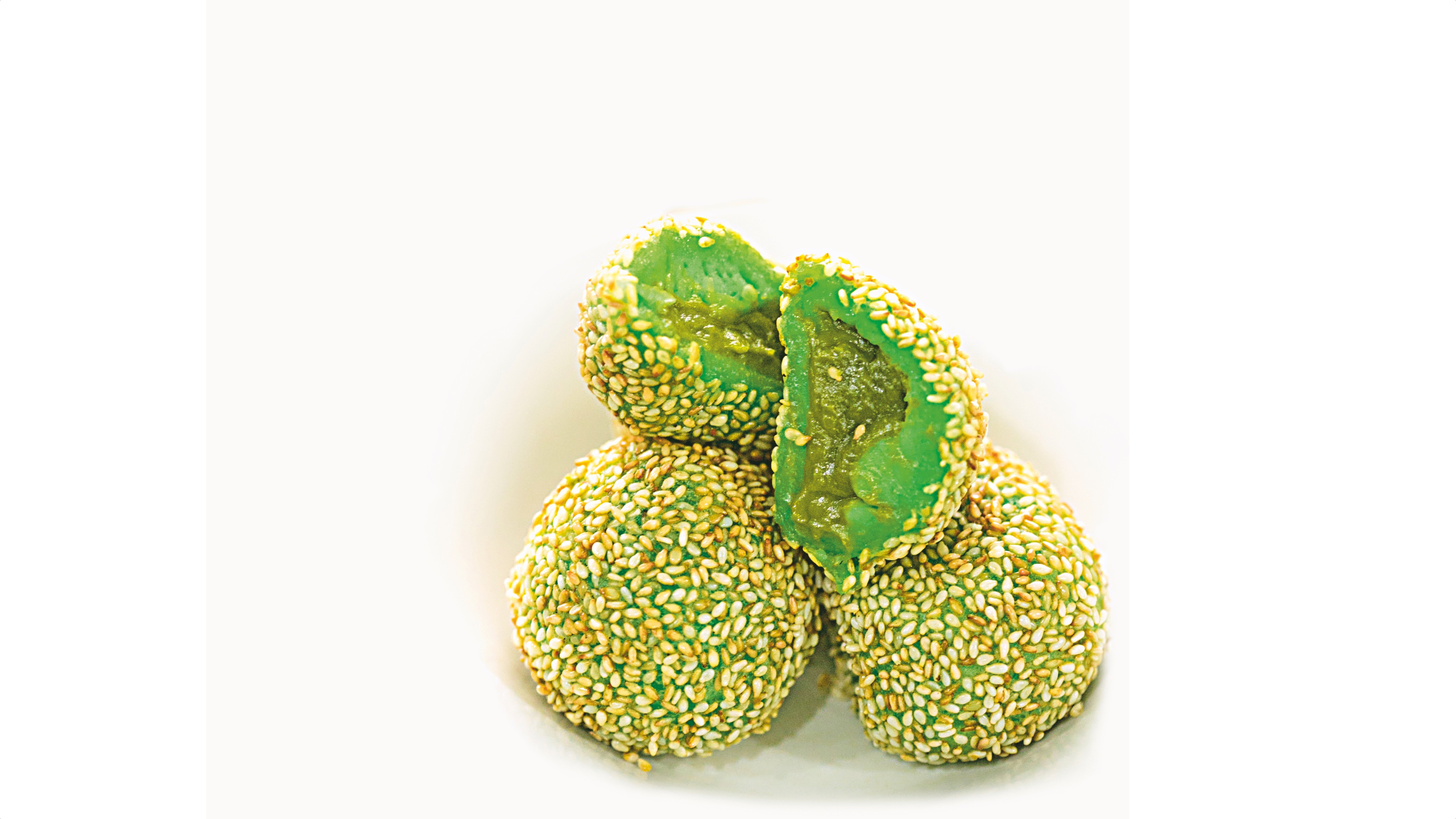
Then there was Caitlyn’s matcha green tea buchi, a rice cake coated with sesame seeds that oozed with green goodness as I took a bite. The matcha filling was sweet and vegetal, a great finish to any dumpling and dim sum feast.
With Caitlyn’s simple selections, one may wonder if the establishment is exploring other Chinese-based cuisine soon. But Ikloy chooses not to wander far for now.
“We want to continue specializing in dimsum and dumplings only,” he said. “We want to focus on the quality of our food.”
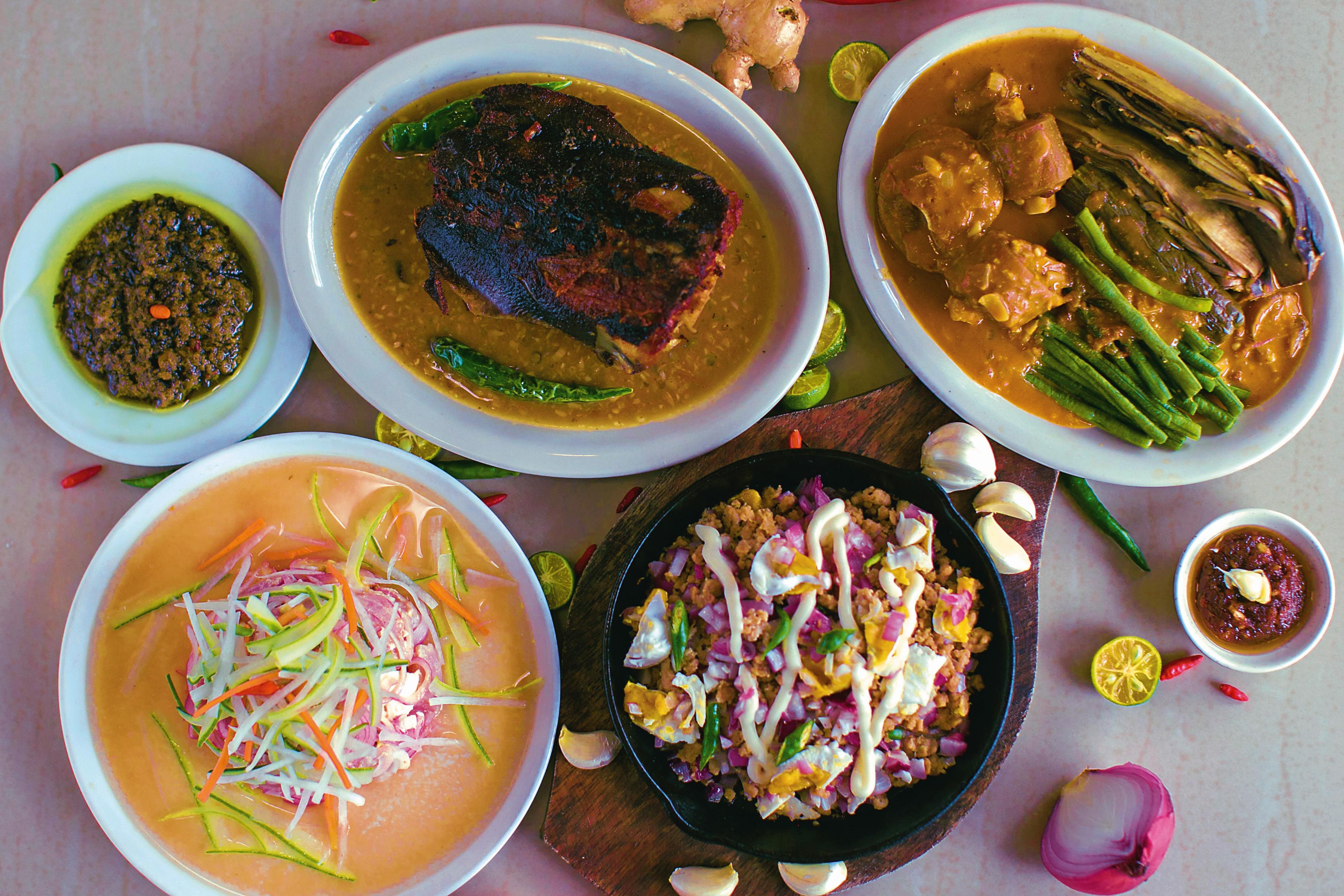
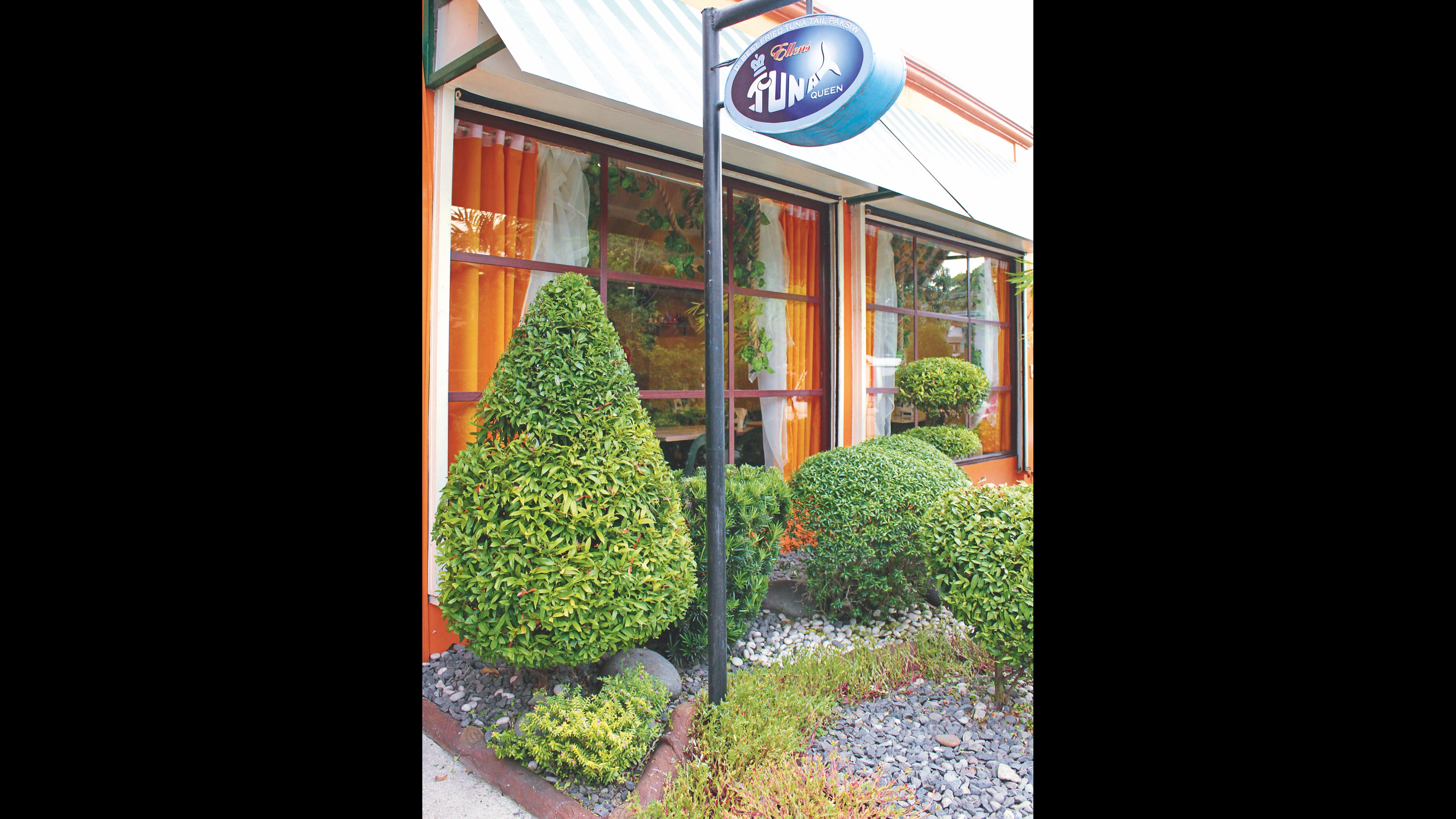
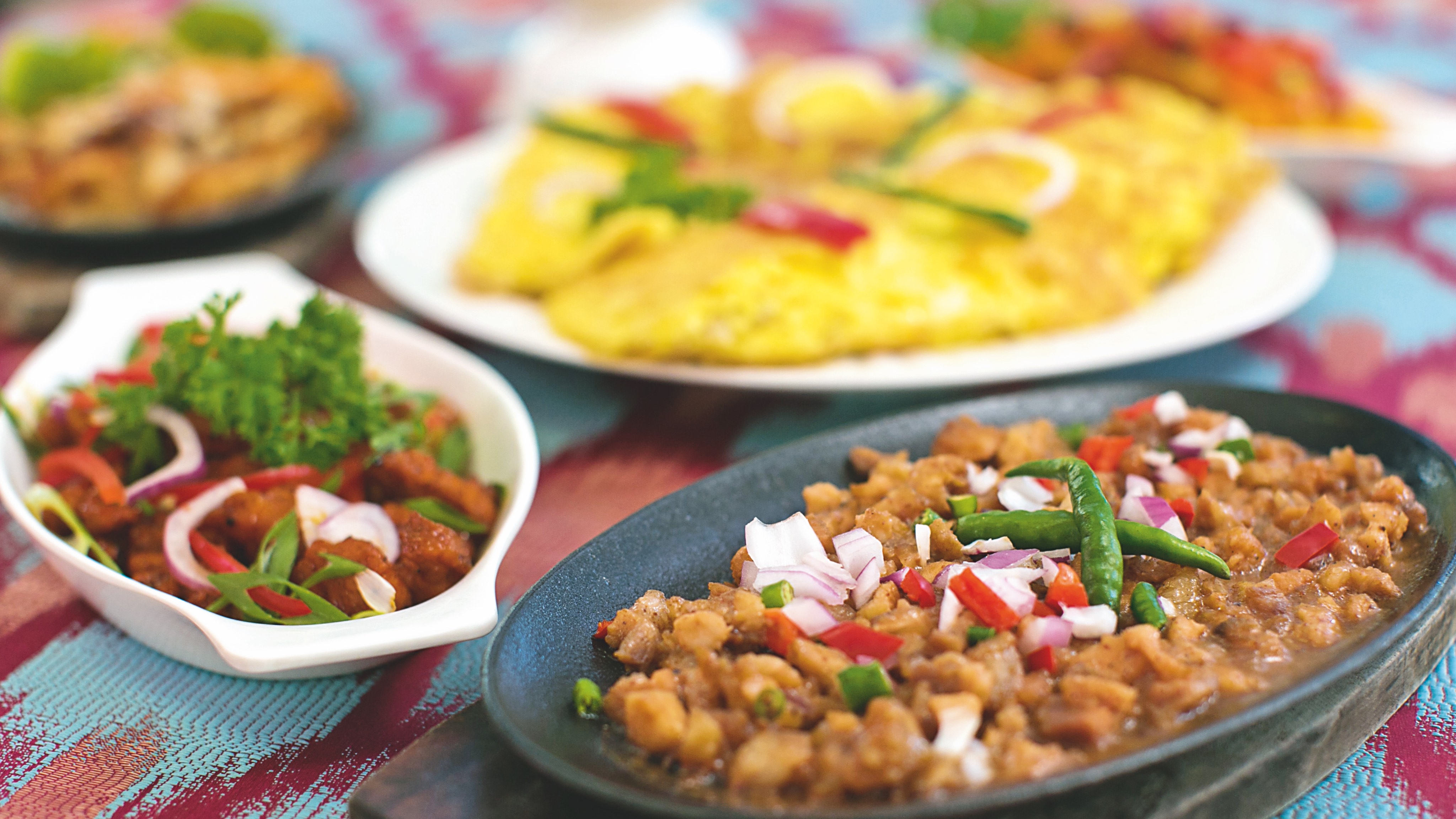
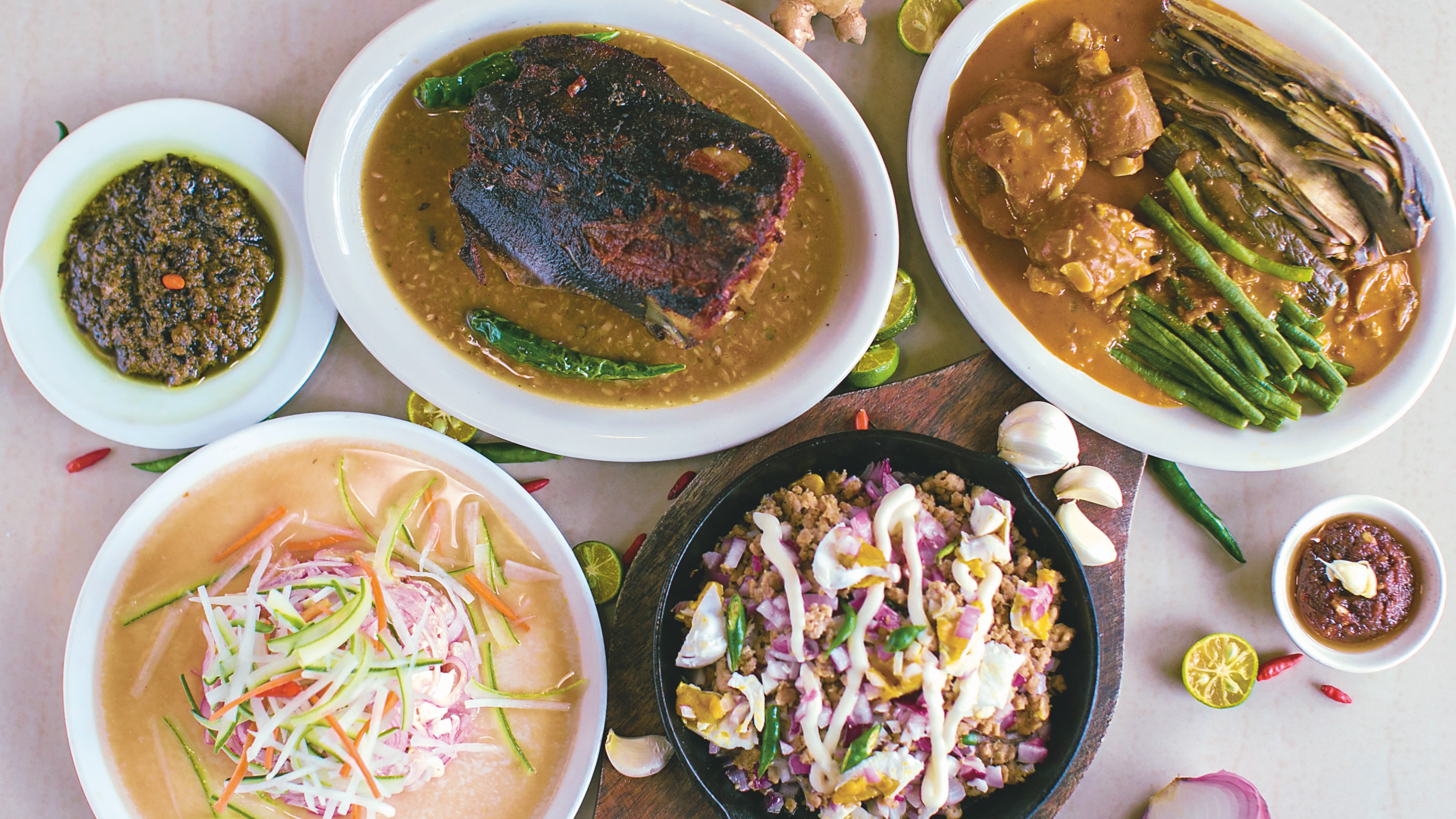
A feast at Ellen’s Tuna Queen typically includes laing, fried tuna tail paksiw, kare-kare, kilawin and tuna sisig.
Coming Home to Filipino Food: Ellen’s Tuna Queen
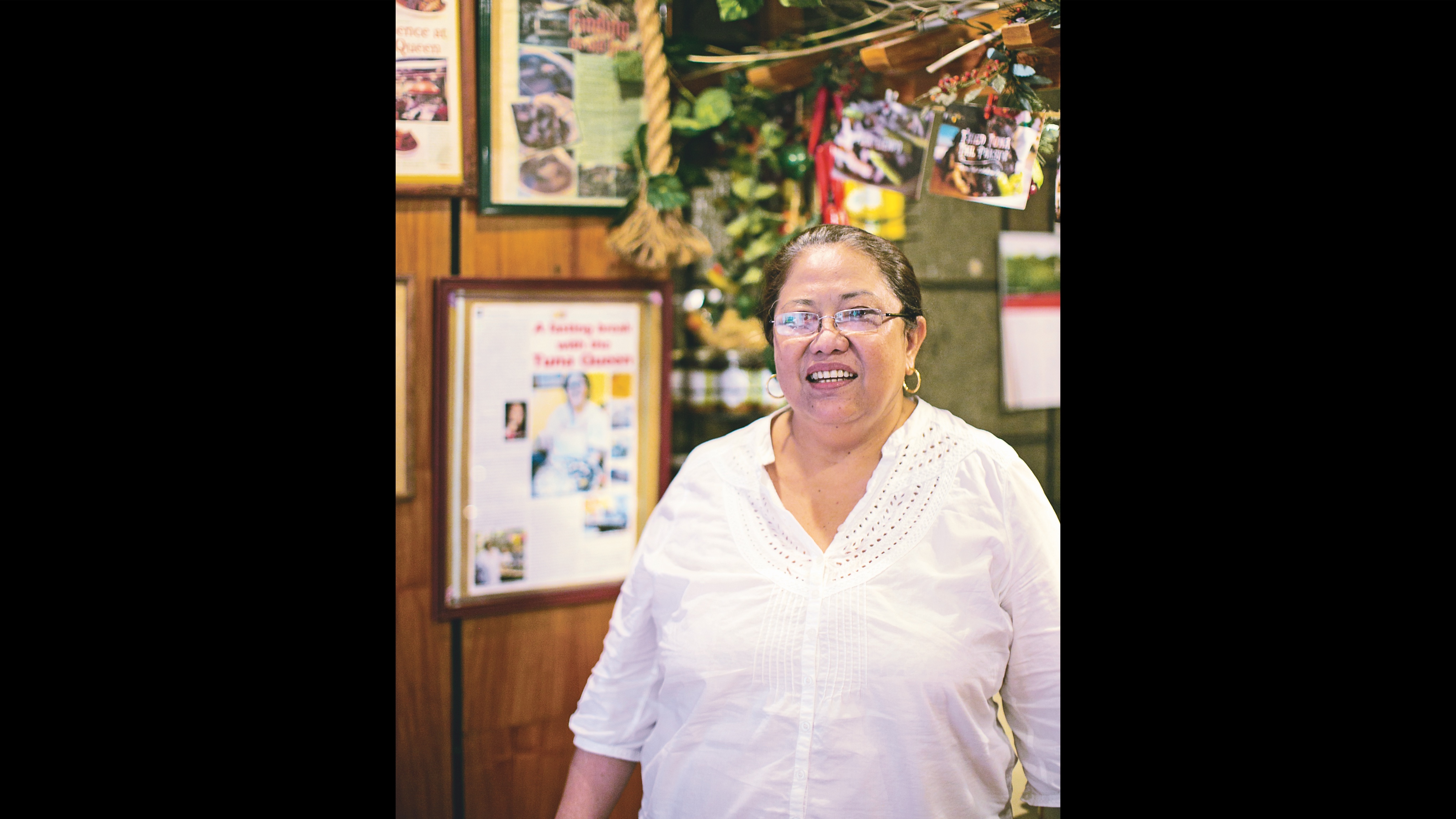
My journey home doesn’t come full circle without me returning to our own restaurant, where our garden had once stood. My mother, Ellen Allanegui, is a woman who loves to cook.
As early as the late 1990s, my mother has been cooking food from her kitchen at home for different clients. However, she owes her commercial success to a cardiologist, Dr. Marilou Maglana, who helped spread the word about her cooking in the medical community.
“My first loyal batch of customers was from the medical community,” Ellen said.
Her breakthrough came with the fried tuna tail paksiw, a chunk of tuna tail simmered in vinegar and fried with a secret sauce. Although many restaurants serve a similar dish, the flow of patrons to my mother’s doorstep is something I’d like to think of as a sign of her specialty’s exceptionality.
In 2011, she converted our garden space into a restaurant. That was when the customers started pouring in to try not only tuna dishes, but also other lutong bahay meals.
I occupied a table where the fried tuna tail paksiw took center stage. The tuna’s meat and fat were tender; its sauce gave a strong hint of garlic. The bestselling laing, and tuna sisig – a sizzling plate of tuna meat topped with onions, peppers and salted egg – blended well with the kilawin – a serving of raw tuna meat garnished with cucumber, radish, onions and salted egg. Then there’s my personal favorite, the kare-kare – ox tail with green beans, banana blossom and eggplant, all served in a thick peanut sauce and homemade bagoong.
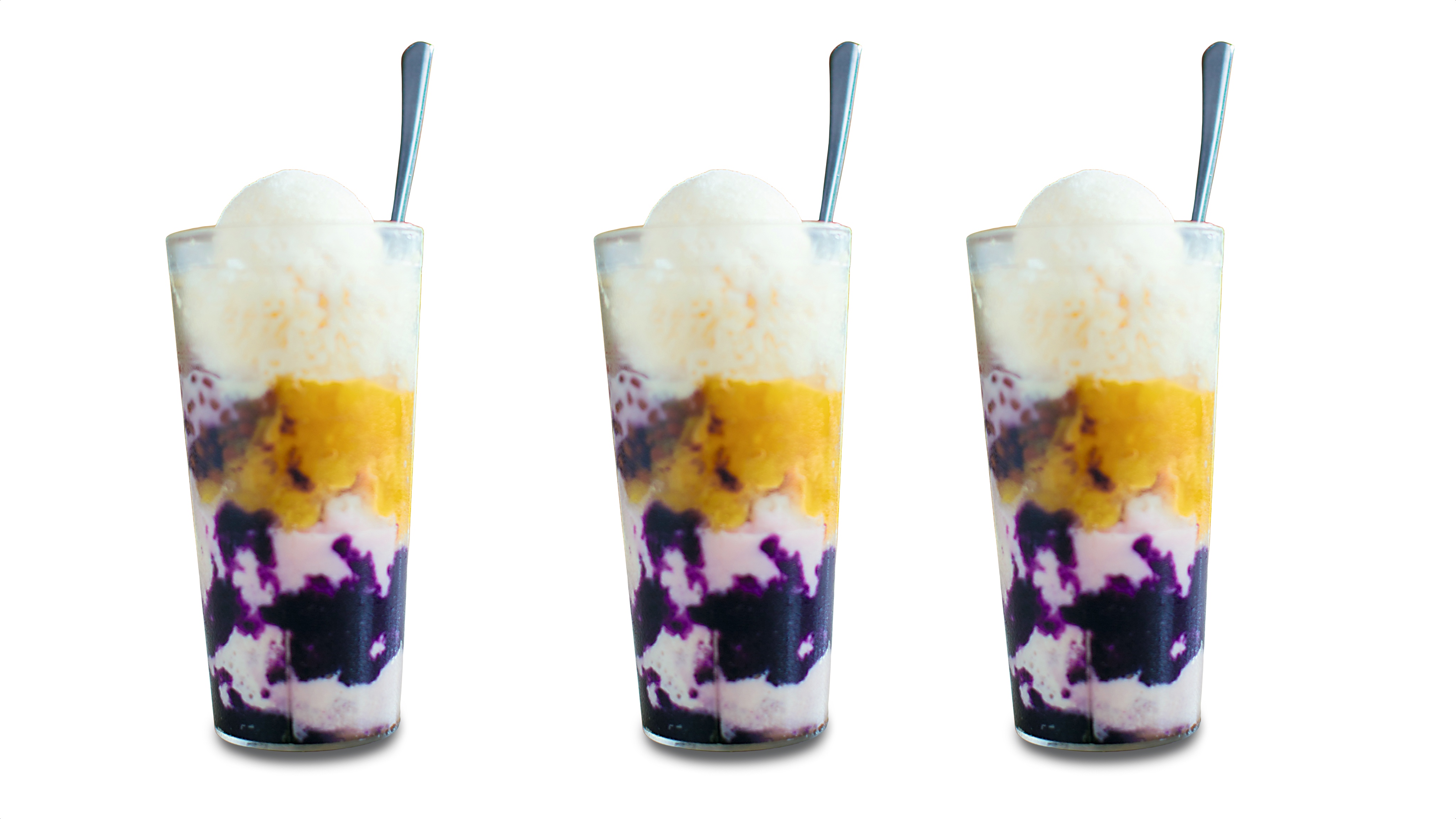
Nothing spells a Filipino celebration like the classic halo-halo, and my mother’s version of it has done it right in just five ingredients: crushed ice, milk, red beans, langka and ube jam. I mixed everything in my glass and revered the concoction in my hand. Before I knew it, I was indulging in the cold treat.
“Make sure you finish everything,” my mother said, as though we were in my childhood dining table.
I savored the sight of the food that I still had to finish. I was grappling for words to describe every dish I had during this particular visit to Davao City. I scooped the remaining ube jam from the side of my glass and gobbled it up. Right then and there, I knew how to describe the entire experience: everything tasted like home.
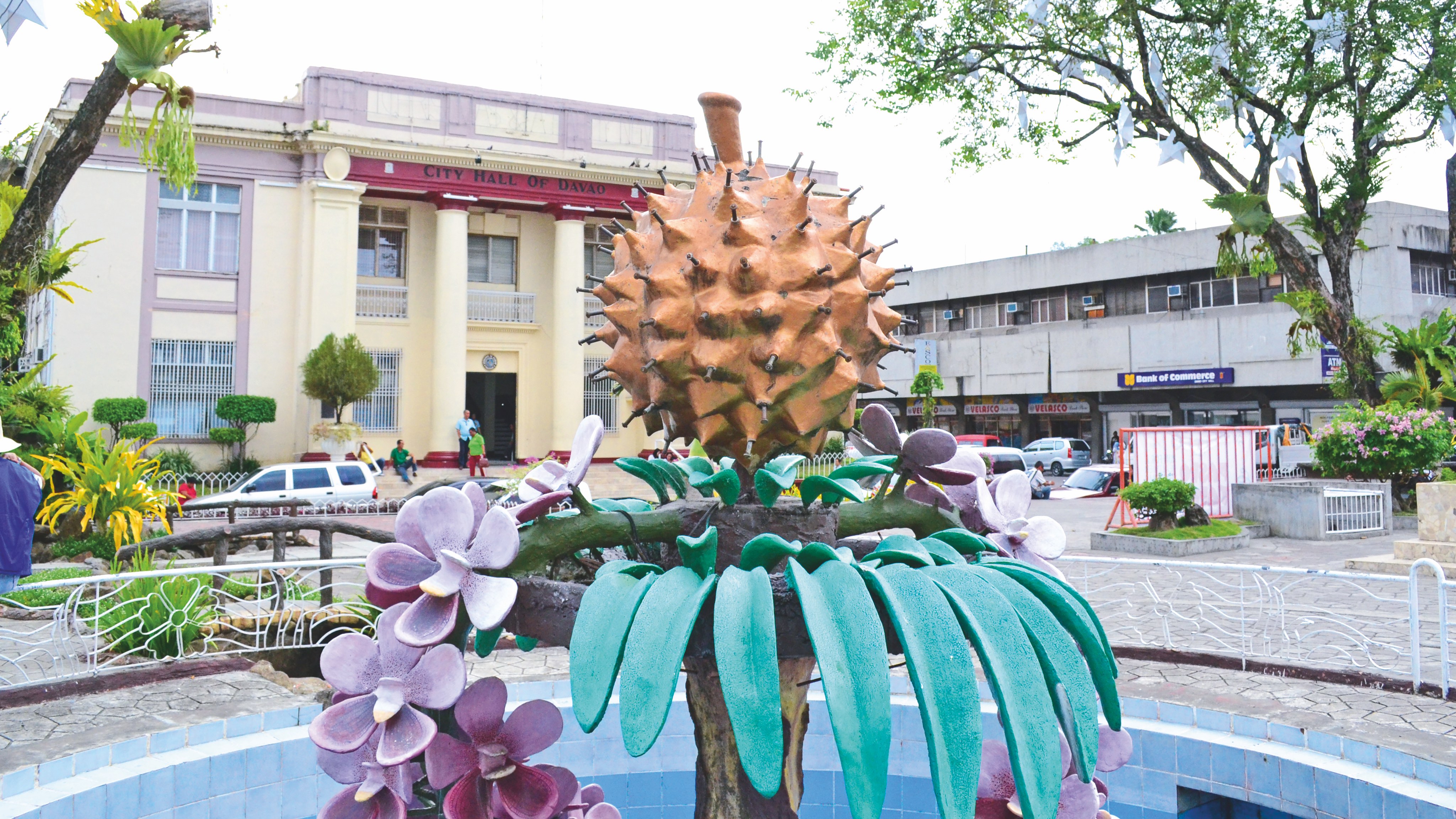
Davao City, being the economic hub of Mindanao, has enjoyed tremendous change in political development and infrastructure in recent years. The food scene is no different.
I returned to Davao with a mission to fulfill: to showcase gustatory places in my hometown.
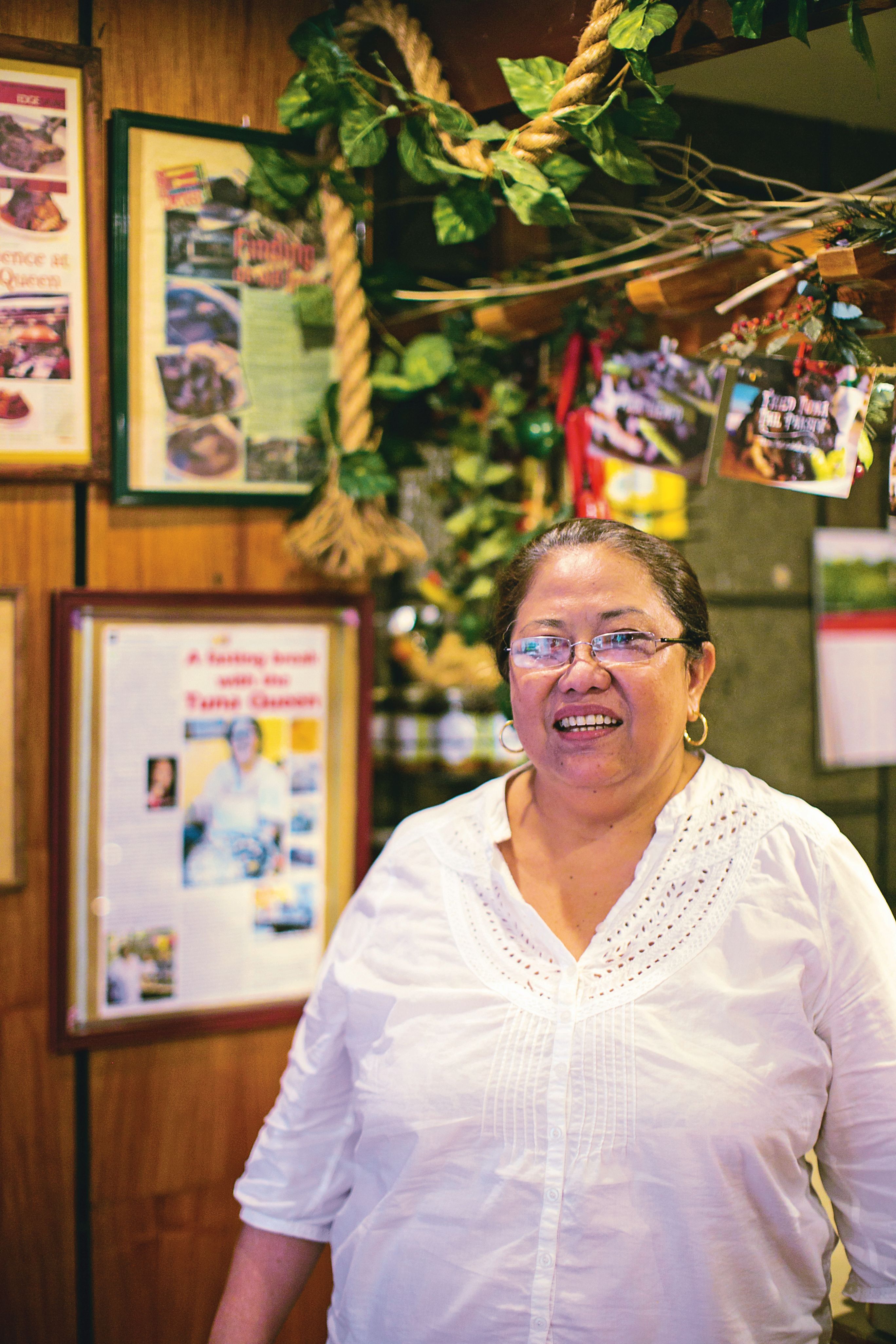
The tuna queen herself, Ellen Allanegui, is a passionate cook who loves to create delicious meals.
View GalleryView Gallery

EXPLORE MORE


GET IN TOUCH WITH US
FOLLOW US

Copyright © 2021 AsianTraveler Magazine. All rights reserved.