ILOILO CITY:
Iloilo A Queen’s Favored City
To this day, this city exudes regal qualities which endeared itself to a historical monarch, and in turn reigns in our hearts as a treasured destination.
words and images by Zean Villongco
If he offers you chocolate, which I doubt – but if he offers it, remember this: if he calls to the servant and says, ‘Juan, make a cup of tsokolate eh!’ then stay without fear. But if he calls out, ‘Juan, make a cup of tsokolate ah!’ then take your hat and leave on a run.”
So says a passage in a chapter of Philippine national hero José Rizal’s seminal and revolutionary novel, “Noli Me Tangere”, narrating how the story’s antagonist, the corrupt and bigoted Spanish friar, Salvi, discriminated unfavorable guests from preferential ones by the type of hot chocolate that he serves, equating his visitor’s social standing to the quality of the drink. For the distinguished and favored visitors, the friar would offer tskolate eh, the suffix eh being short for espresso – deep and rich in its flavor as it is thick and velvety in its texture. For the undesirable ones – those whom he considers the underlings, the pariahs, the good-for-nothings – he served only inferior tsokolate ah, the ah standing for aguada, denoting how it is watered down.
At our dinner function hosted by the Iloilo Tourism Office at the Camiña Balay nga Bato in the Arevalo District of Iloilo City, tourism officer Erlyn Alunan, an amusing and jovial gabbler of a tour guide, proffered a toast to the participants of the M.I.C.E.Connect 2019 Familiarization Tour organized by the Philippines Tourism Promotion Board.
“In true aristocratic fashion, the way that they did it in the old Spanish colonial days, you drink it with your pinkie sticking out,” Erlyn chirped, as everyone at the dinner table heartily smiled and cheered while holding up their own demitasses of tsokolate eh. “Feel free to order for more chocolate, but don’t drink too much,” she added. “You can get drunk with that drink.”
It had been a sumptuous banquet of traditional Ilonggo dishes, all set against the refined elegance of a revived Spanish colonial-era ancestral house. It was our welcome dinner in Iloilo, a city whose heritage and history, and whose modern-day developments and vibrant prospects, are as deep and rich and intoxicating as the hot chocolate I was sipping.
IN TOUCH WITH THE PAST
Iloilo is a city very much in touch with and proud of its past. With an estimable reverence for its own heritage and patrimony, Iloilo has dedicatedly taken on the task of preserving and renewing many its historic landmarks.
Within the district of Molo, which originally was the city’s parián – town quarters wherein colonial Spanish authorities concentrated Chinese residents – the Yusay-Consing Mansion, once stood neglected and faced an impending demise in the hands of a demolition crew. Built in the 1920s, the Molo Mansion, as it is more familiarly called, was spared from a dismal fate when a private developer rescued and restored the house, turning it into a museum for Ilonggo heritage as it stands today.

Right across the town plaza fronting the Molo Mansion grounds is the St. Anne Parish Church, more popularly referred to as the Molo Church. Built in 1831 and constructed of white coral rocks plastered together with a mortar made from egg whites mixed with sand, the Gothic designed church is affectionately regarded as “The Feminist Church” for its retinue of sixteen female saints perched upon the aisle pillars. Declared as a national landmark by the National Historical Commission of the Philippines, it is considered to be one of Iloilo’s most beautiful churches and remains as one of the city’s most visited and most admired destinations.
As we rode along Calle Real (Royal Street in Spanish), Erlyn pointed out how the thoroughfare, officially named J.M. Basa Street, and its encompassing district prospered as an illustrious and dominant business center during the Spanish and the American occupations.
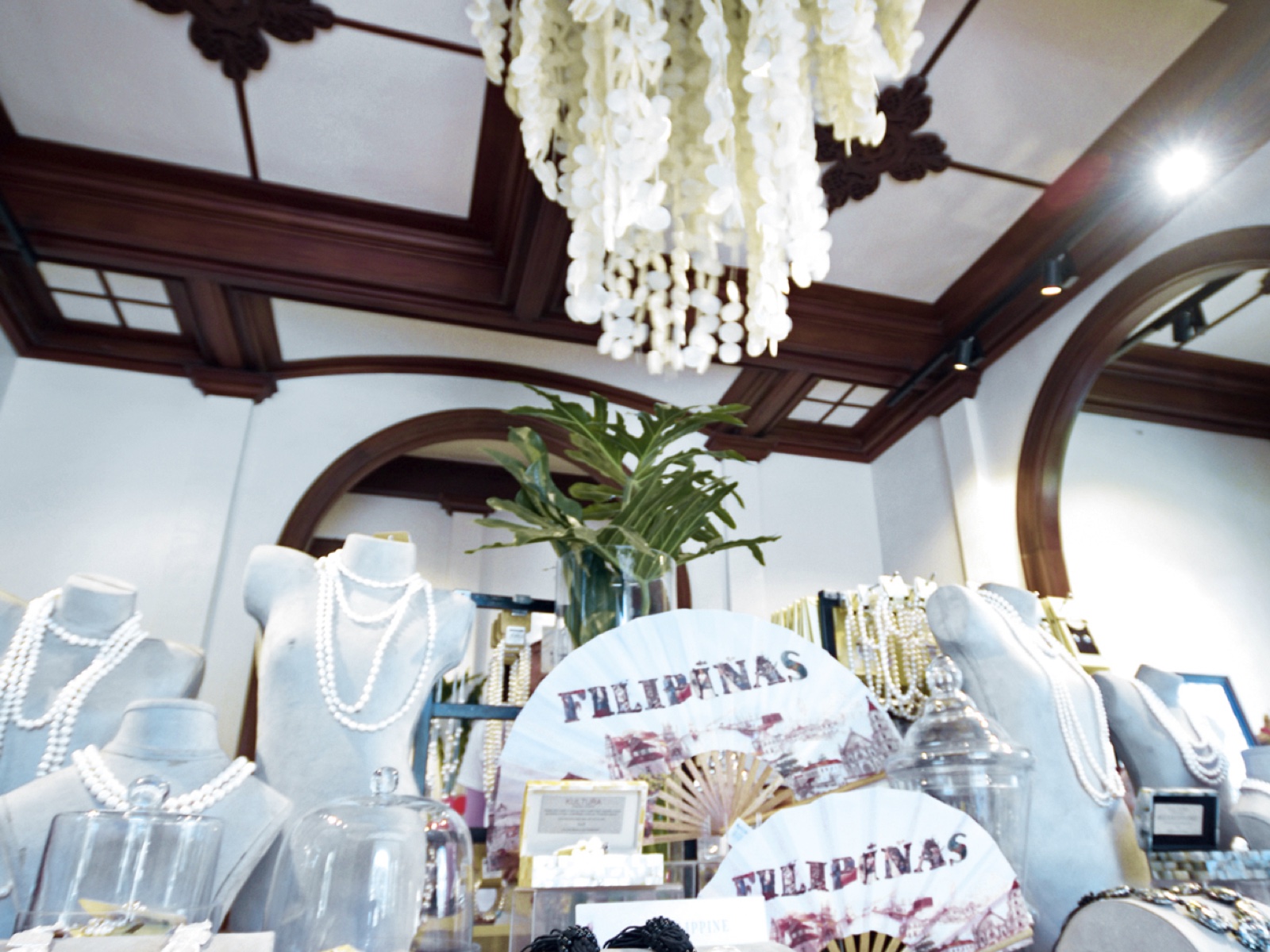
The area bristles with fine examples of historic luxury neoclassical, beaux-arts, and art deco buildings, and was in the old days a high-end commercial strip of shopping, entertainment and lifestyle outlets. For a time though, its importance and prominence dwindled, with the street, along with its buildings, becoming less well-kept. But the recent couple of decades have seen this downtown district’s revival, as the Iloilo City Government had taken measures to preserve and restore the area’s historic buildings. Declared in 2014 as a heritage zone by the National Historical Commission of the Philippines, Calle Real still breathes and bustles about as an important commercial district in Iloilo City, just as it has done so in the past.
IRREPRESSIBLE HOSPITALITY
Ilonggos, as I have seen in the many times that I have visited Iloilo, are never amiss when it comes to hospitality – a quality that is perhaps commonly revealed throughout the province’s history, through the affectionate and almost melodious inflections of the Hiligaynon dialect, and by the fervent indulgences with which Ilonggos accommodate their guests.
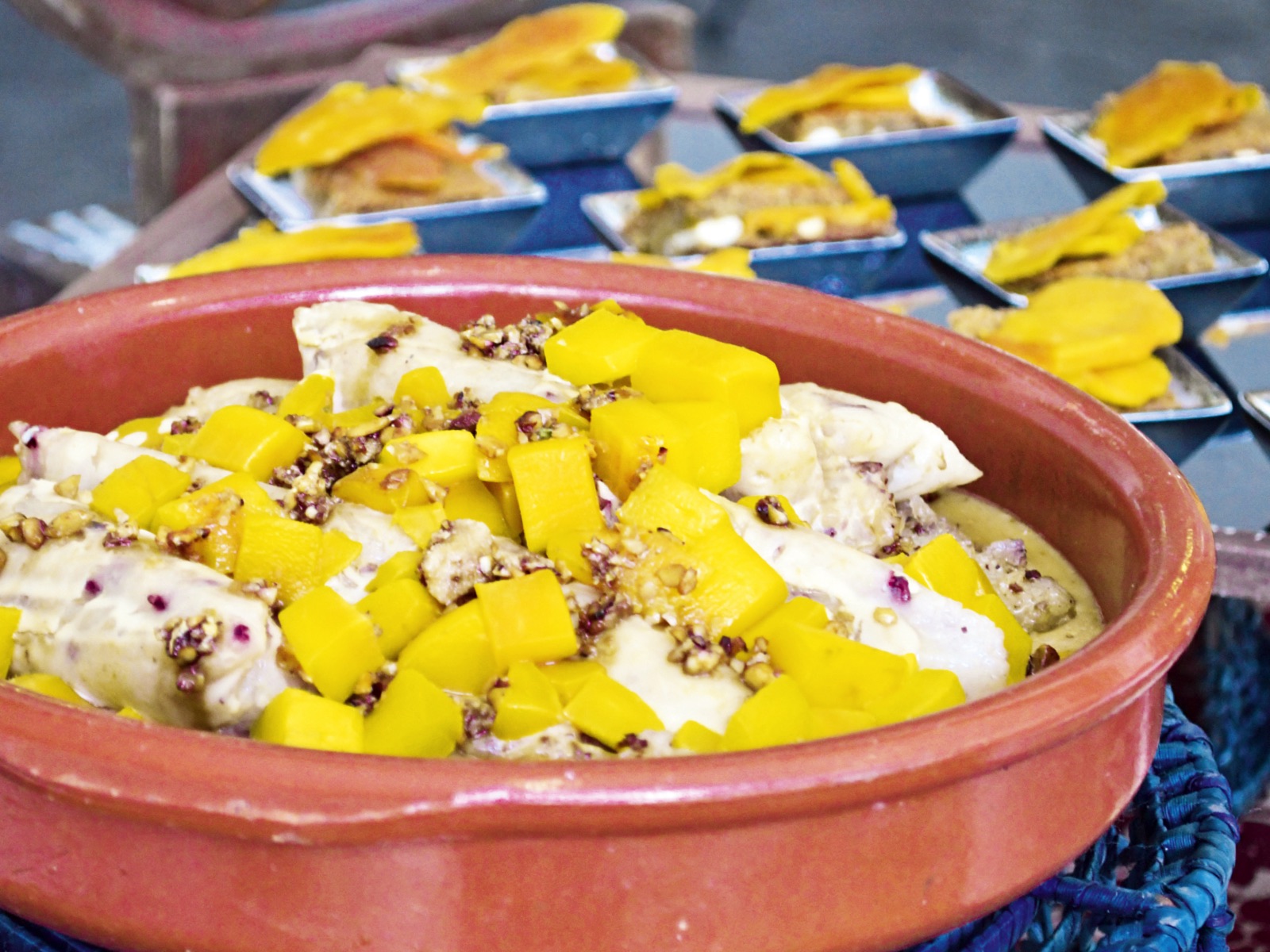
“We Ilonggos are on a see-food diet. Whenever we see food, we eat,” Erlyn once quipped during our trip. I clearly realized the veracity of her claim throughout our tour. From our welcome lunch at the Museum of Philippine Economic History to our sumptuous dinner at the Camiña Balay nga Bato; to our farewell dinner at Muelle Loney, the city’s river wharf area; and to our pre-departure lunch at the Damires Hills Tierra Verde Farm Resort in the Janiuay countryside – I had been eating up to my ears and gorging my way through a relentless gastronomic deluge.
At the newly opened Museum of Philippine Economic History, where artifacts from Iloilo’s past showcased how the province and city has immensely contributed in shaping the economic vigor of the country since the Spanish colonial times, a troupe of dancers, garbed in face paint and colorful costumes made of native materials, ushered our first-day arrival amidst the festive and energetic rhythm of pounding drums and blaring whistles. Their ensuing performance number during lunch was but a tidbit of the city’s hallmark festival, the Dinagyang, which, in part, commemorates the arrival of Iloilo’s first Malay settlers. As oral tradition goes, ten Bornean datus, who were escaping the cruel rule of a certain rajah, came to the island of Panay (where Iloilo is located) and bartered a golden salakot (native hat) and a long pearl necklace with the chieftain of the aboriginal Aeta natives. In exchange, the chieftain allowed the visitors settlement in the plains and valleys of the island. In a lot of ways, our first-day welcome was in itself an enactment of the Dinagyang tradition.
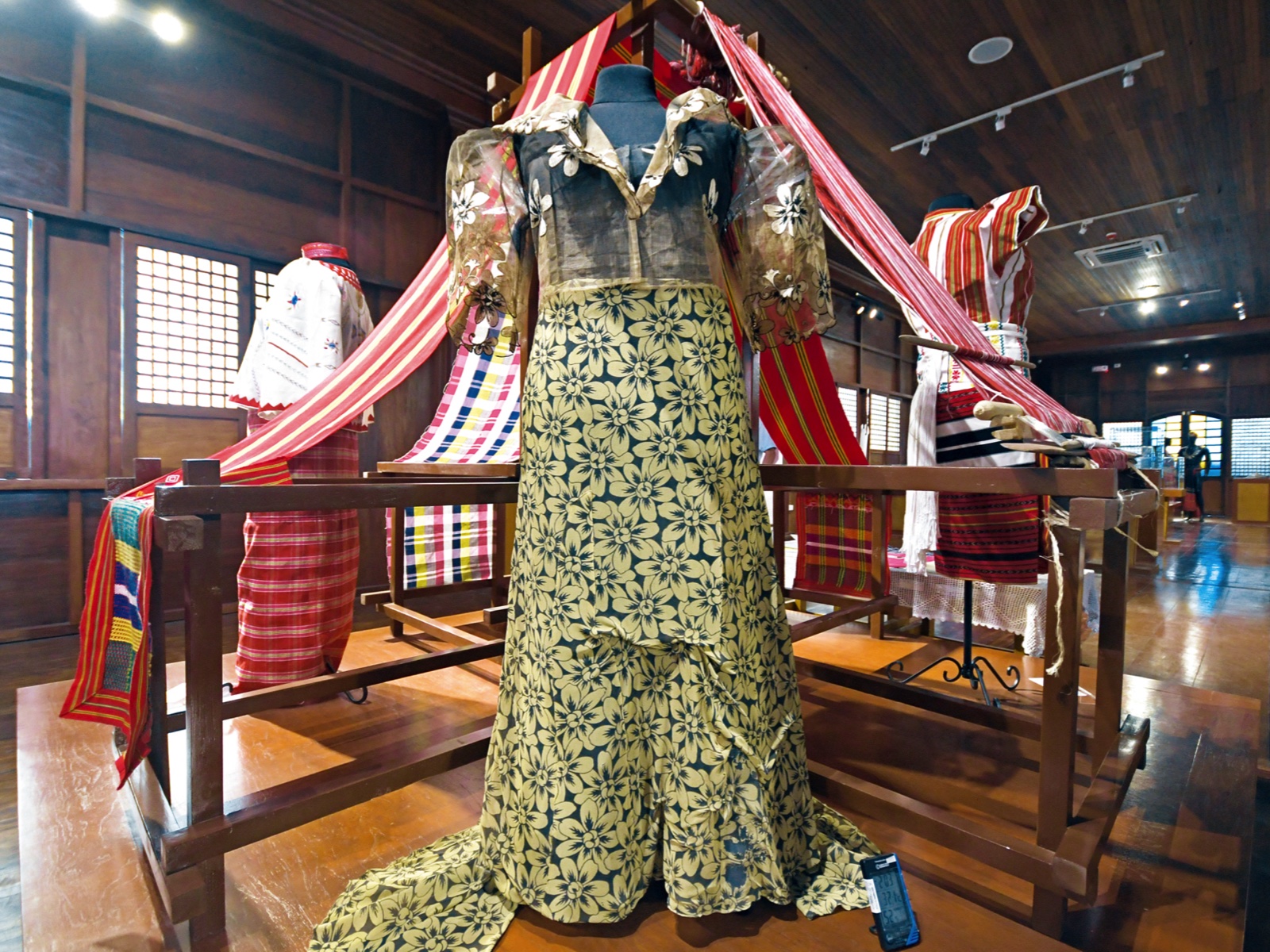
It is this very Ilonggo trademark of hospitality and deference that has gained for Iloilo City special regard from Spain during the latter’s colonial rule over the Philippines. Whereas it were mainly the Tagalogs of Luzon who rose up in revolt against Spanish rule, the Ilonggos on the other hand maintained amiable ties with the Spanish crown, thus earning for Iloilo the title of being the Queen Regent’s “Most Loyal and Noble City.”
MODERN-DAY EXUBERANCE
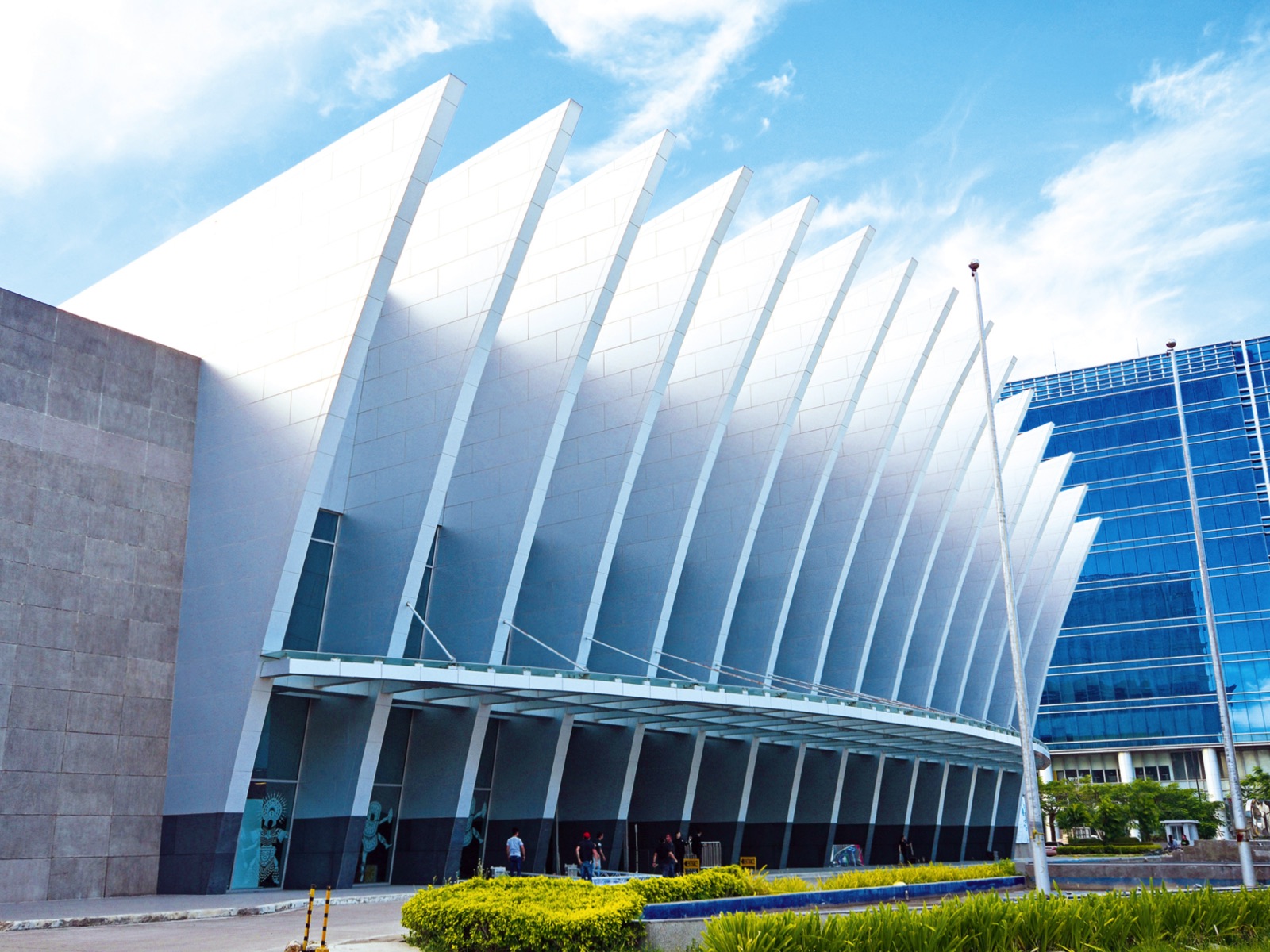
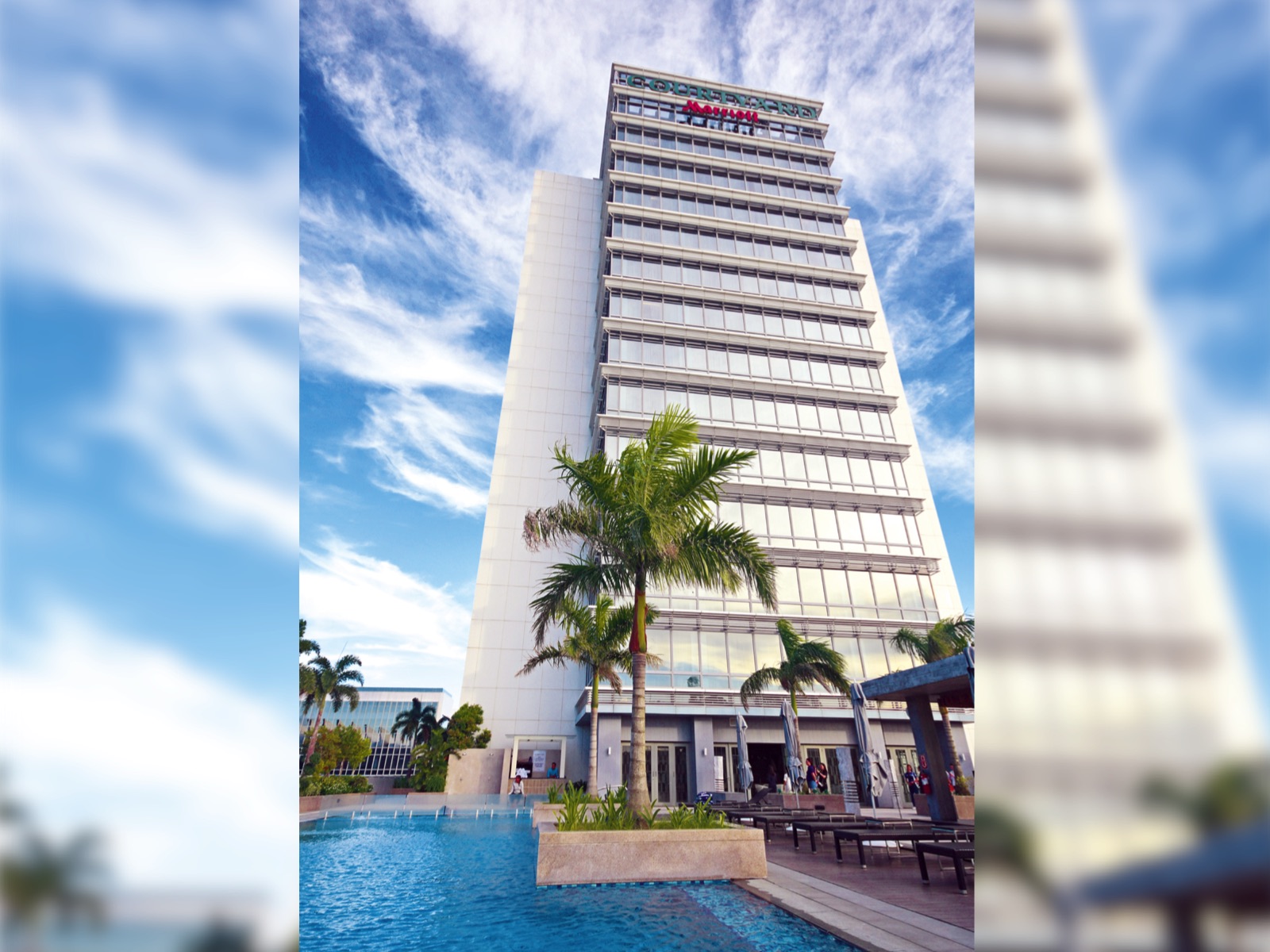
Within the Megaworld Business Park – a 72-hectare master-planned development area of high-rising business buildings, plush condominiums, luxury hotels and upscale lifestyle malls in Iloilo City’s Mandurriao district – one is readily bedazzled by the glitz and exuberance of a burgeoning world-class city. During our visit to the Iloilo Convention Center, commonly referred to as The ICON for short and which was nearby The Courtyard by Marriot Hotel where we were billeted, I took stock of how the building, the design of which was inspired by Iloilo’s Dinagyang and Paraw Regatta festivals, aptly served as an icon for a city whose prospects for the future are firmly planted in its respect for its own heritage and tradition.
Erlyn recounted to me so many other nicknames by which Iloilo touts itself. The city is likewise known as “The Heart of the Philippines,” “Asia’s City of Love,” “City of Mansions” and “Emerging Museum City of the Philippines.” But the most prominent of these is perhaps the title “Royal City of the South,” a designation signifying how this city, lying within the heart of the Philippine archipelago, has shown such vitality and promise that it had gained the favors and esteem of a queen.
 MORE ASIAN DESTINATIONS >>

EXPLORE MORE


GET IN TOUCH WITH US
FOLLOW US

Copyright © 2021 AsianTraveler Magazine. All rights reserved.