ATHENS
Of Citadels, Monasteries, and Feta Cheese
“It’s all Greek to me!” writer Willy Marbella, accompanied by photographer Gabriel Dela Cruz, echoed that ageless expression despite being a returning traveler. He took to the streets of this ancient city and was still amazed by the sights.
WORDS BY WILLY MARBELLA
IMAGES BY GABRIEL DELA CRUZ
Is it possible to fly to Athens just within three weeks after filing one’s visa application? Apparently yes, and with much ease and comfort too. Our asianTraveler team was able to do so via Scoot Airlines, which enlisted us to a class called Scoot-in-Silence; seats are given a little extra in knee room, and every passenger has to be over 12 years old.
As for in-flight dining, even those who pre-ordered in the section other than business class enjoyed a hot meal that’s tasty and delicious. Case in point, the fried tom yum rice was certainly up my alley and had just the right amount of heat as I wolfed it down. I was so full even as we waited for our connecting flight in Changi Airport.
From this point on, I had to let go of my familiarity and knowledge of most things, because our destination was anything but completely fathomable despite all the information readily available about it, and despite my previous journey to it.
Once in Athens, of course, I had certain expectations, but these had to be set aside. Visits to museums, archeological sites, Greek islands and dining spots all needed to come to pass, but I preferred to be open to better experience what Athens has in store for me on this particular visit. As a returning traveler to Greece, here is my account of how I found every site and what I felt for each.

ADVERTISEMENT

The Acropolis
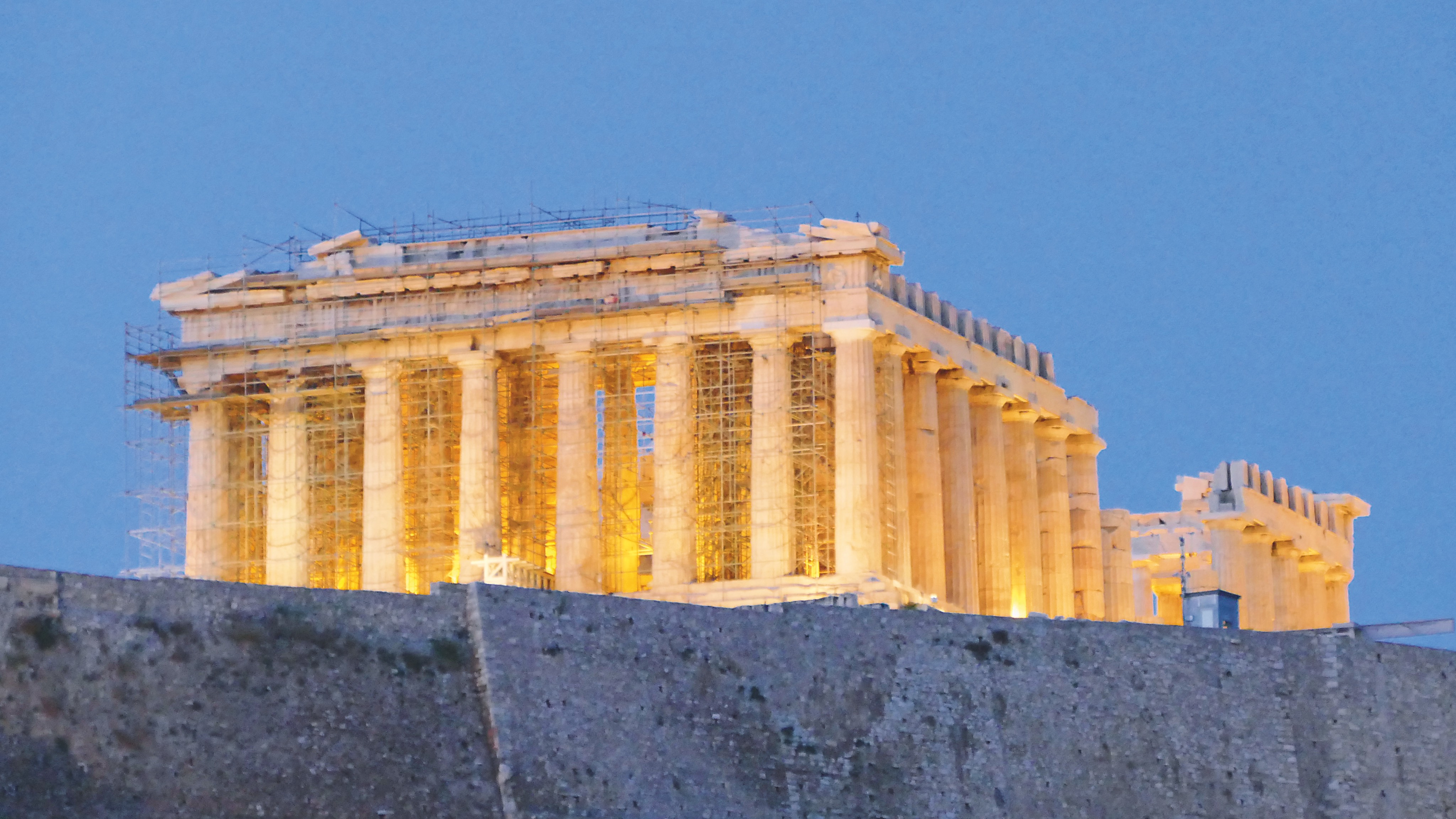
Having been to this landmark before, I fancied myself as a tour-guide to our editorial group. Of course I was committing Google maps to memory. So on the first day, to whet their appetite, I looked for a place that would give the most spectacular view of the Acropolis, all lit up in its glorious magnificence. With the help of street artists, we ended up in a restaurant at the end of Rovertou Galli St. and when we took our seats, we saw the quintessential image of the Acropolis in guide books.
Planned like rice terraces, everyone in the restaurant had the best possible view. We got in early before the spectacle, but after biding our time, the sky started turning into a perfect medium blue and as the night progressed, turned into a deep-blue. All of a sudden, when it was dark enough, the up-lights were lit and we were all in awe. The Parthenon stood like a beacon for all of Athens to see. A few minutes later, the up-lights of the Propylaea, the structure in front of it, was suddenly shining on its walls and the two together formed a magnificent skyline of the citadel. It is the history of the entire Western civilization captured by two structures that every man dreams of seeing, and it was all laid out before our very eyes.
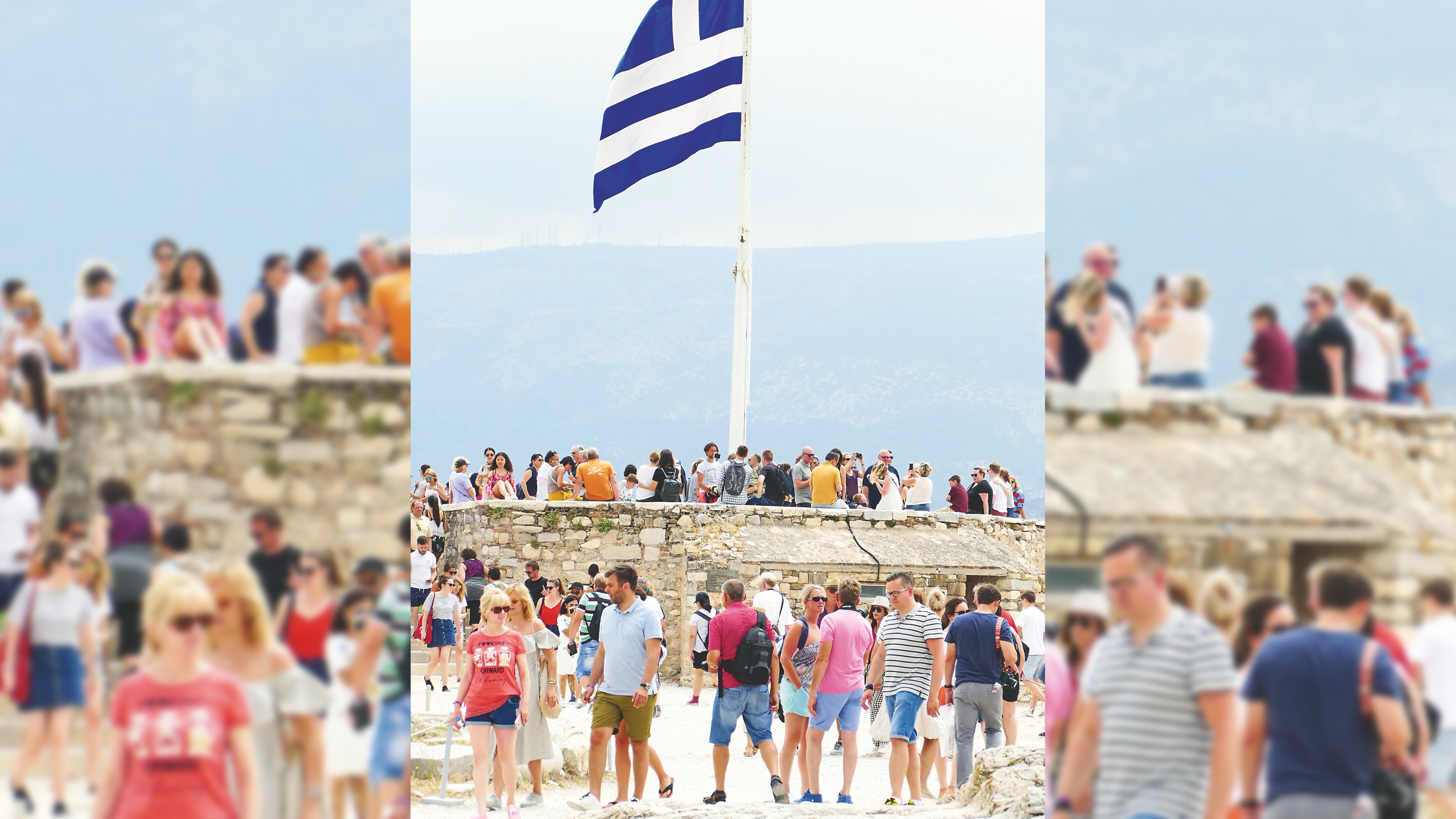
To get to the Acropolis, one traverses the wide avenue called Dionysiou Areopagitou. This avenue separates the old and the new. To the right is the entrance to the Acropolis, and the left is the entrance to the museum where some of the artifacts that have been removed from the Acropolis can actually be inspected up close. Our friendly cab driver advised us to see the museum first only because it was early and we won’t have to battle with the crowds once we finish it. Having seen both previously, I was a little skeptical of his reasoning first, but trusted and followed him nevertheless.


Acropolis Museum
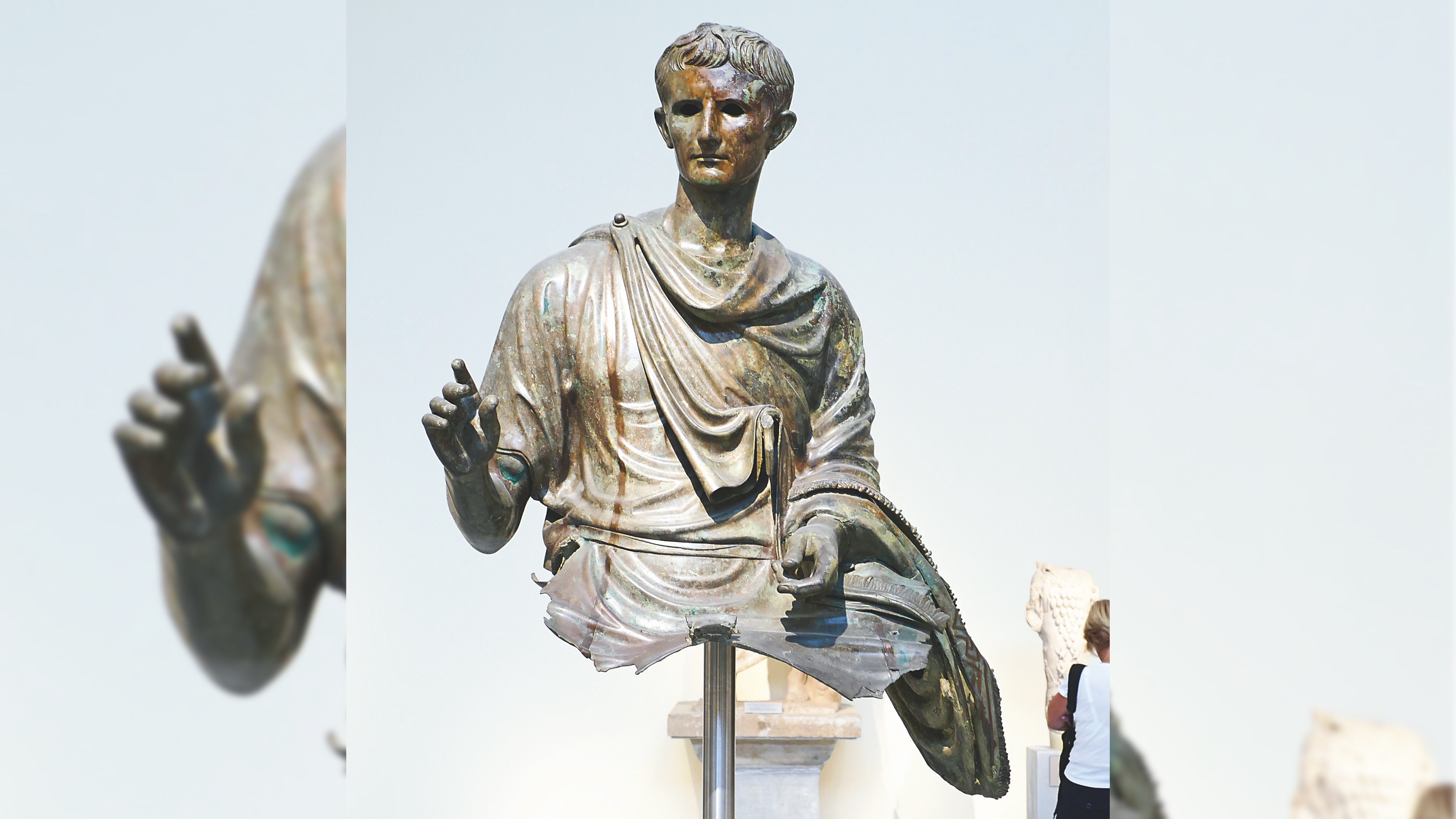
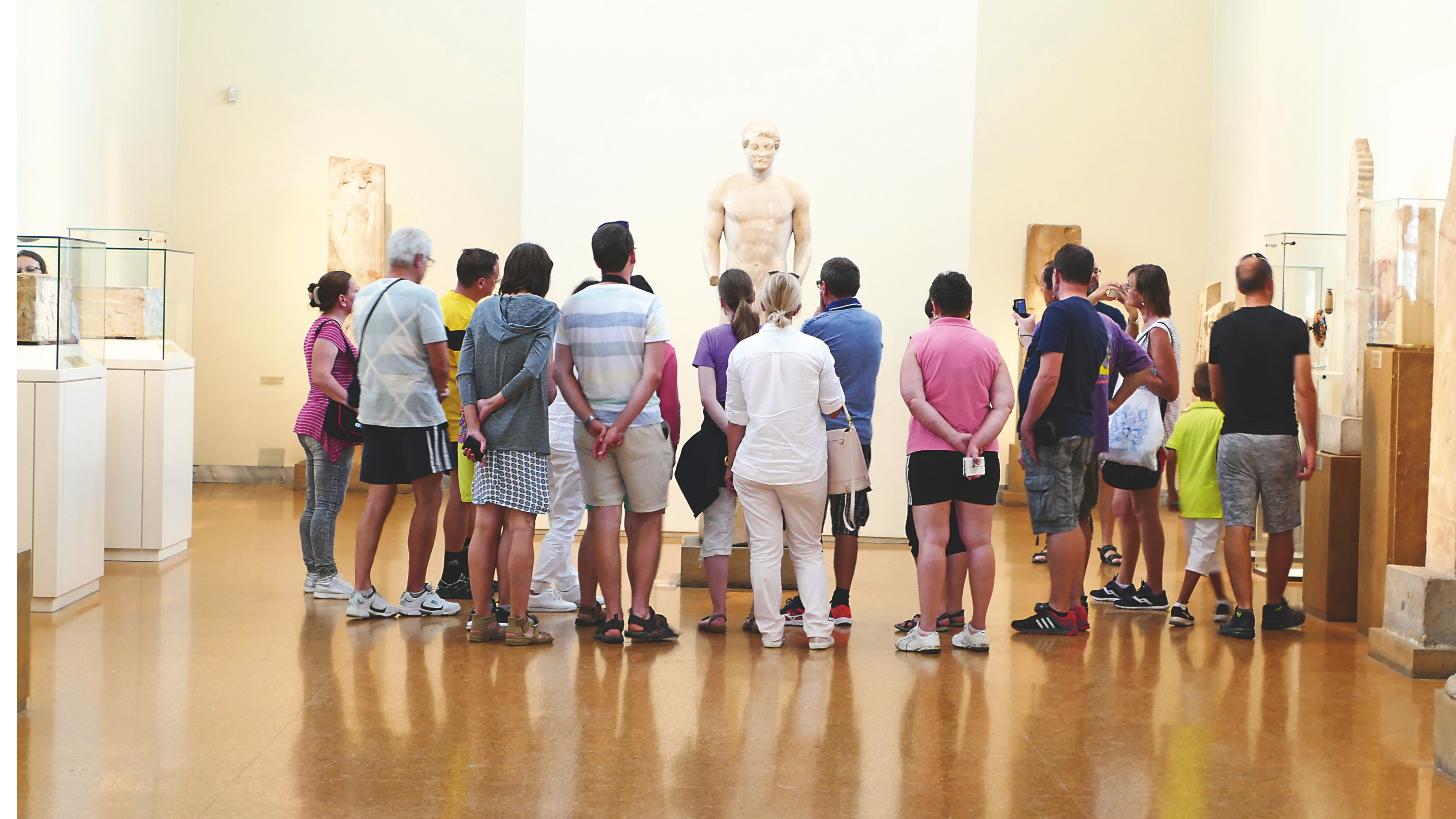
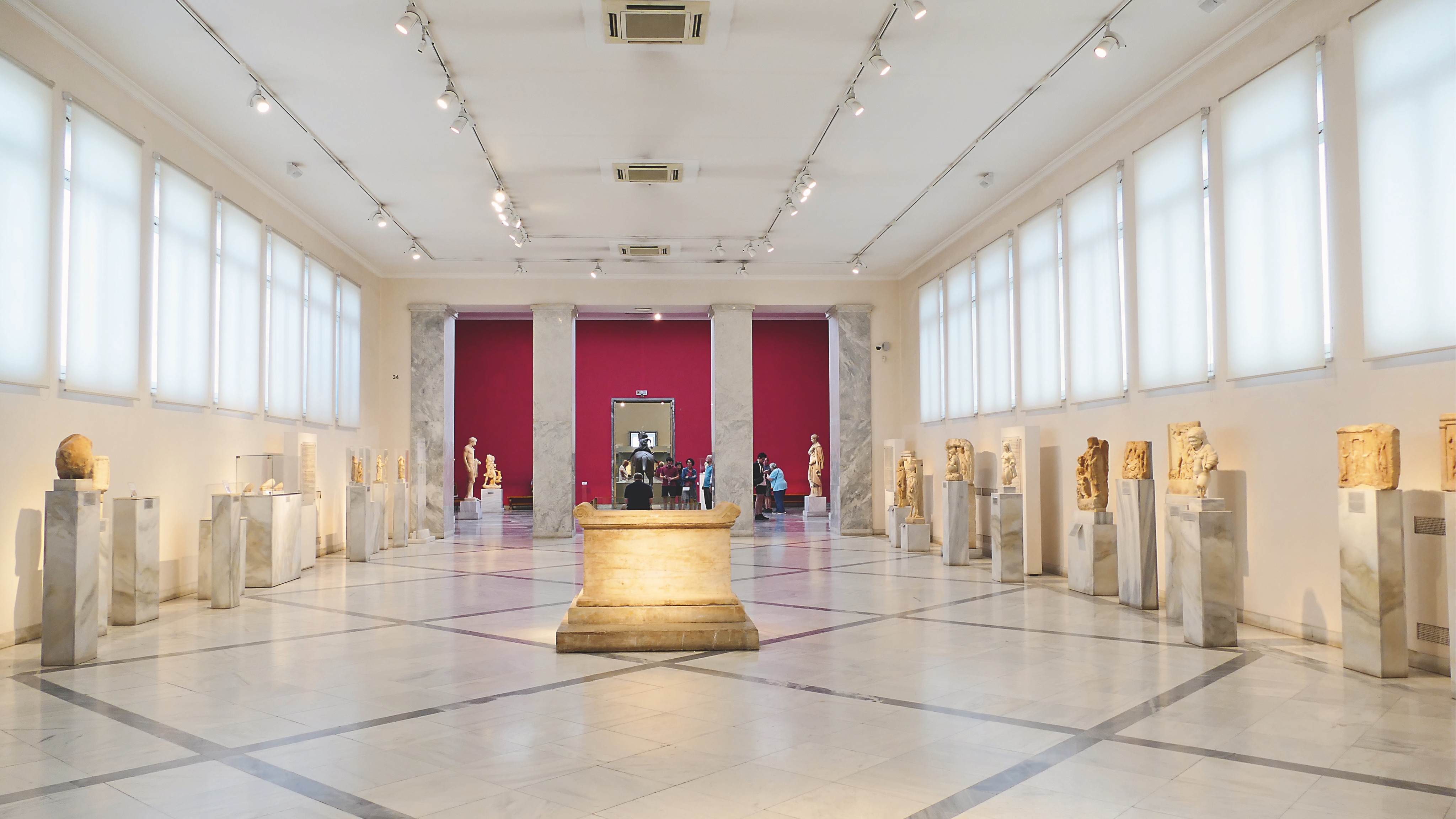
Inside the museum, the highlight for me is the top floor where statues that decorate the pediments of the Parthenon are exhibited. Built exactly like the Parthenon, this floor has the exact dimension of the Parthenon, and the same number of pillars as the Parthenon. It was, in a sense, a “walk” through the Parthenon.
At both ends of the hall are two sets of sculptures that are unfortunately not entirely complete. These are the pediments that decorate the two ends of the Parthenon. Ironically, the majority of these sculptures are in the British Museum, and they are called the Elgin Marbles. Named after Thomas Bruce, the seventh lord of Elgin, he was able to get permission to remove them and ship them to England when the Ottoman Empire ruled Greece. There’s a whole contentious issue in the museum world about who the rightful owners of these magnificent sculptures are. A miniature version of the complete pediment greets visitors at the floor immediately below it, where depictions of the Titans and the Olympians can be seen and their relationship with each other. After a most delicious order of ice cream in the museum’s cafeteria, we were finally off to the real Acropolis.
The theaters of the Acropolis
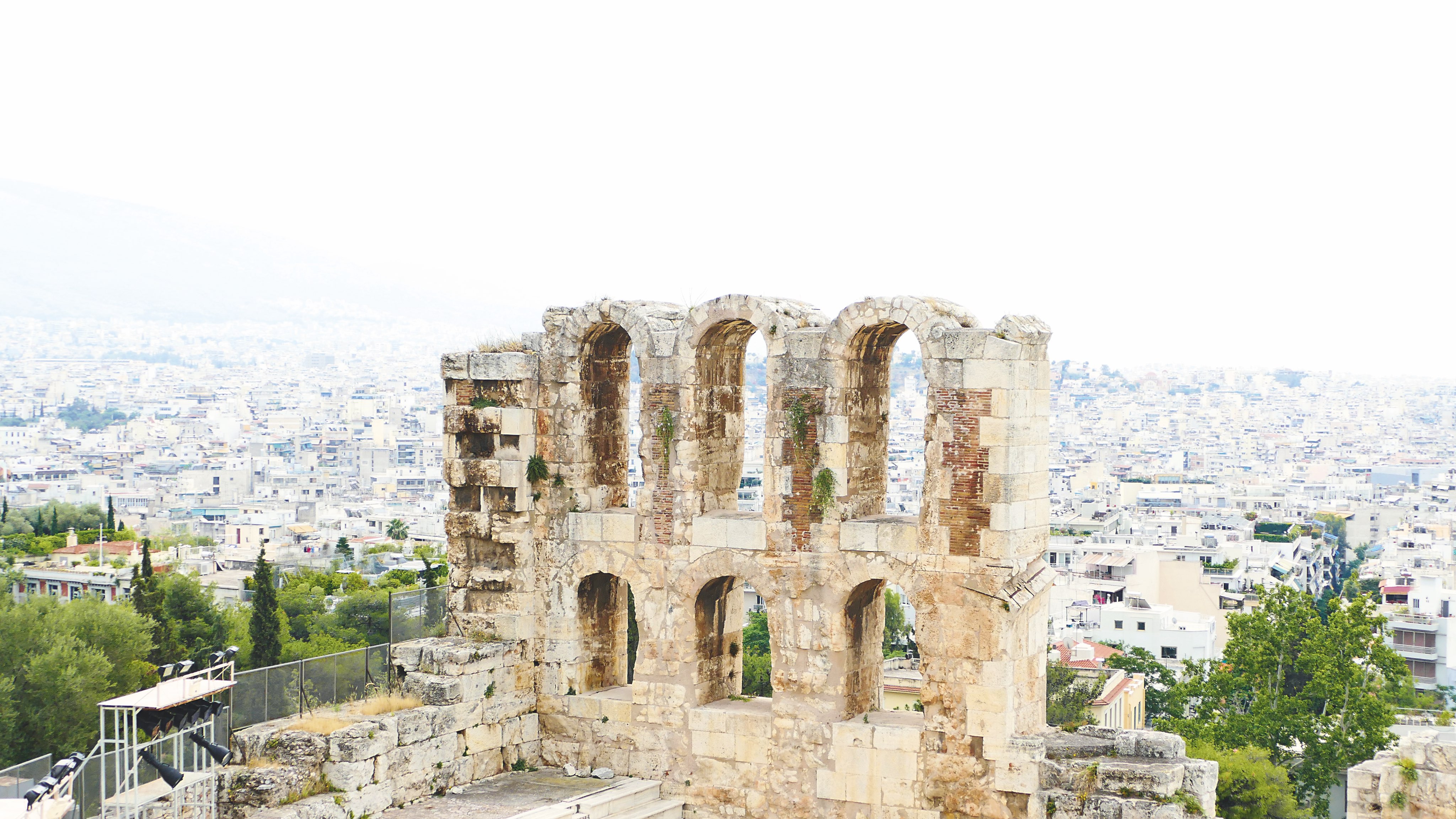
The Acropolis is not just the Parthenon. It has over 20 areas of interest, but five are most important. Upon entry, one encounters the Theater of Dionysus Eleuthereus. It is an amphitheater completely done in marble; even the klismos chairs are in marble with inscriptions on its skirts, presumably the names of the owners of the chairs. This amphitheater is already closed and is not used by anyone anymore. From the theater, one walks through the Stoa of Eumenem, a wall of arches, and one ends up atop another massive amphitheater, the Odeon of Herodes Atticus.
Viewed from the top, this one is indeed impressive, carved totally from marble. This one is still in use, and three years ago, I had the pleasure of watching “Tosca” in this theater. With 5000 as its seating capacity, it has seen some of the most famous artists in the world: Pavarotti, Moskouri, Bocceli. As for pop culture, it has hosted Diana Ross, Liza Minelli, and even the Miss Universe in 1973 where our very own Margie Moran won the crown. It was built in 131 CE, left in ruins in 267 CE, and renovated in 1950. And now, people can still have the pleasure of feeling like an Athenian watching a Greek tragedy here.

The Propylaea, the Parthenon and Erechtheion
After gawking at this massive theater, a sharp turn to the right led us to the Propylaea. This is the gateway to the entire citadel. The word combines “pro” – before, and “pyle” – gate. As one climbs the steps and walks past the colonnades of the Propylaea, there is a feeling of incredulousness, welcomed in the presence of the Parthenon.
The Parthenon is symbolic of the birth of Western culture and dedicated to the goddess Athena, it is now enveloped with scaffoldings since restoration started in 1975. The present-day Parthenon was built 33 years later or 447 BCE. It has seen many incarnations since. It was a Christian Church dedicated to the Virgin Mary, a mosque during the Ottoman rule, and was destroyed when the Venetians raided the Parthenon and blew gunpowder inside. I’d say what it symbolizes is not lost to the world and its Doric columns still stand proud and mighty over the Acropolis.
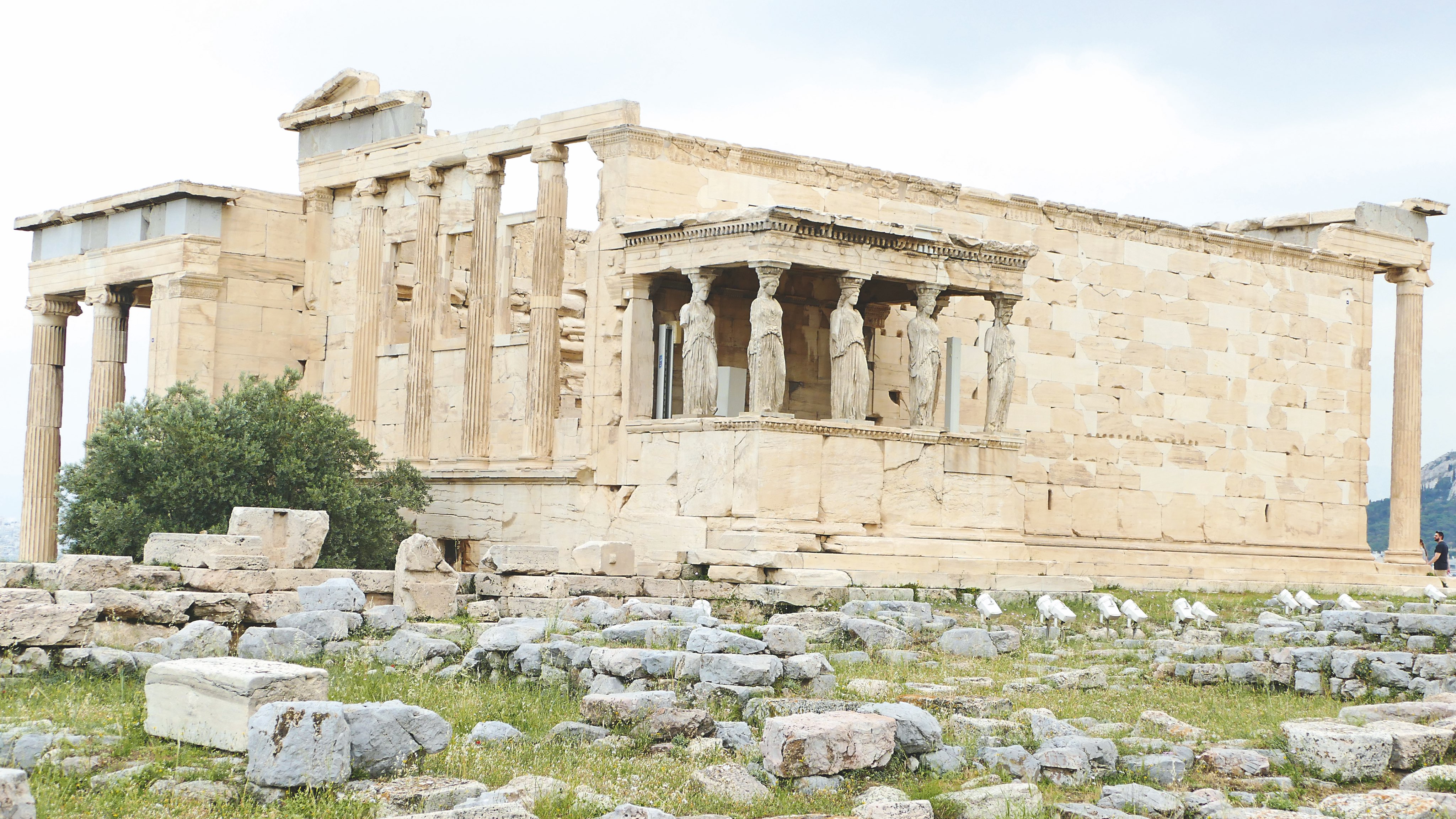
On the left side of the Parthenon is the Erechtheion, a temple dedicated to the rivals Poseidon and Athena. Its claim to fame are its caryatids who stand like sentinels protecting the building. Unfortunately, these caryatids are already reproductions and the originals are in the Acropolis Museum across the street. Again, the Lord of Elgin was the culprit who tried to remove the caryatids, but was successful only once. The caryatid he removed is now in the British Museum.
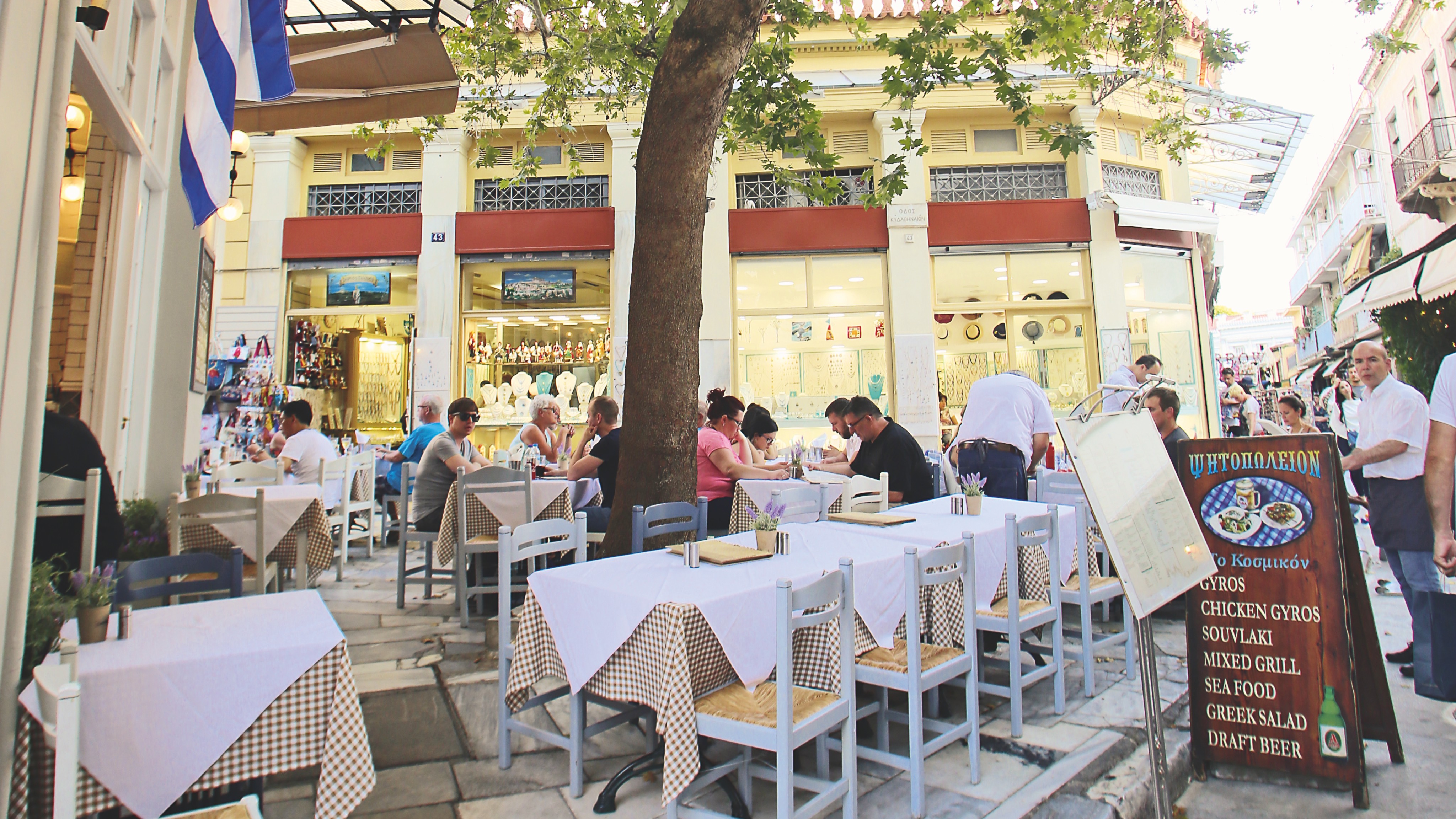

Plaka and feta cheese
Next to the Acropolis, there is probably nothing more quintessential in the Greek experience than a meal of feta cheese in a Greek taverna. And where can one do this? At a place called Plaka.
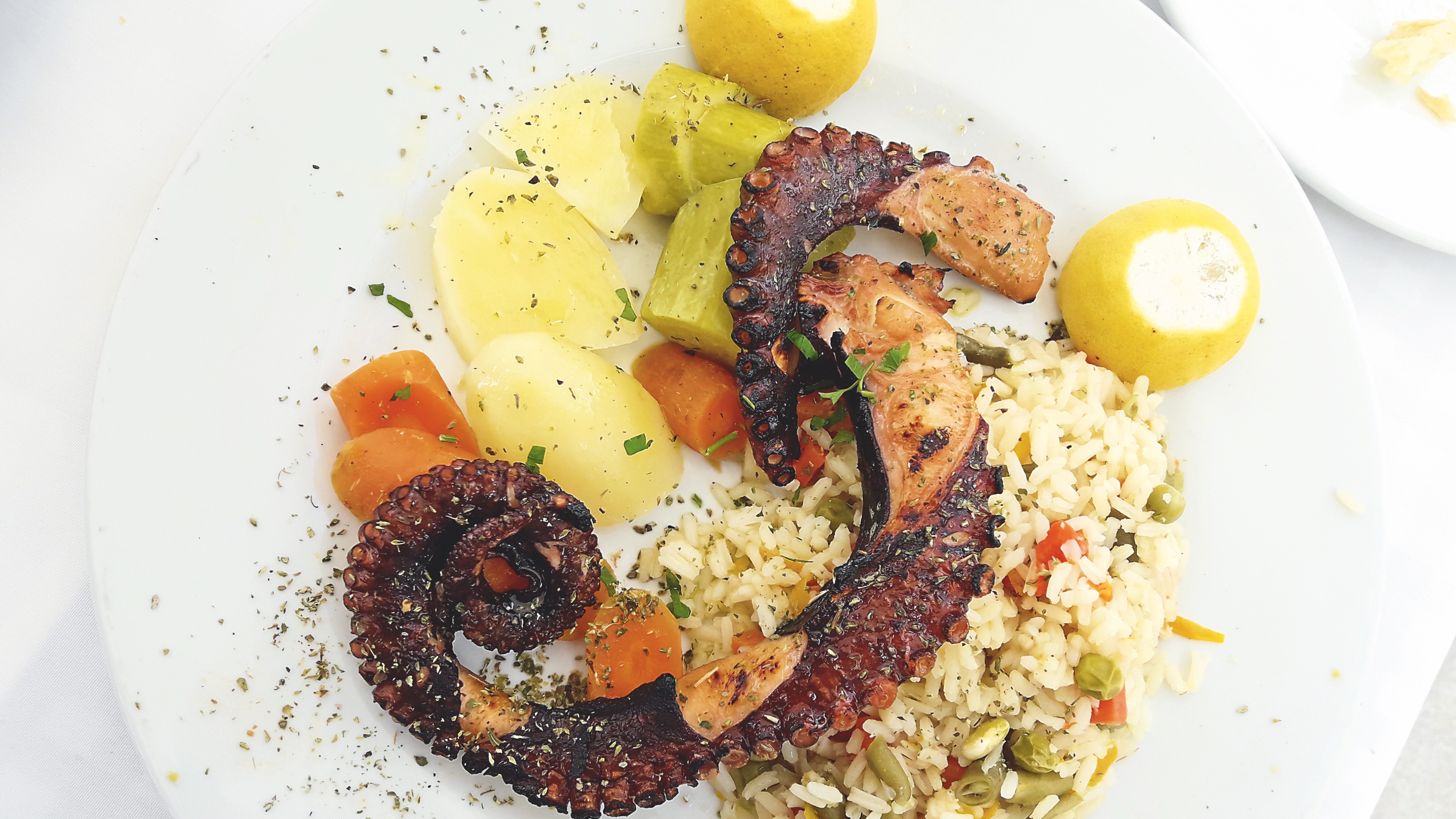
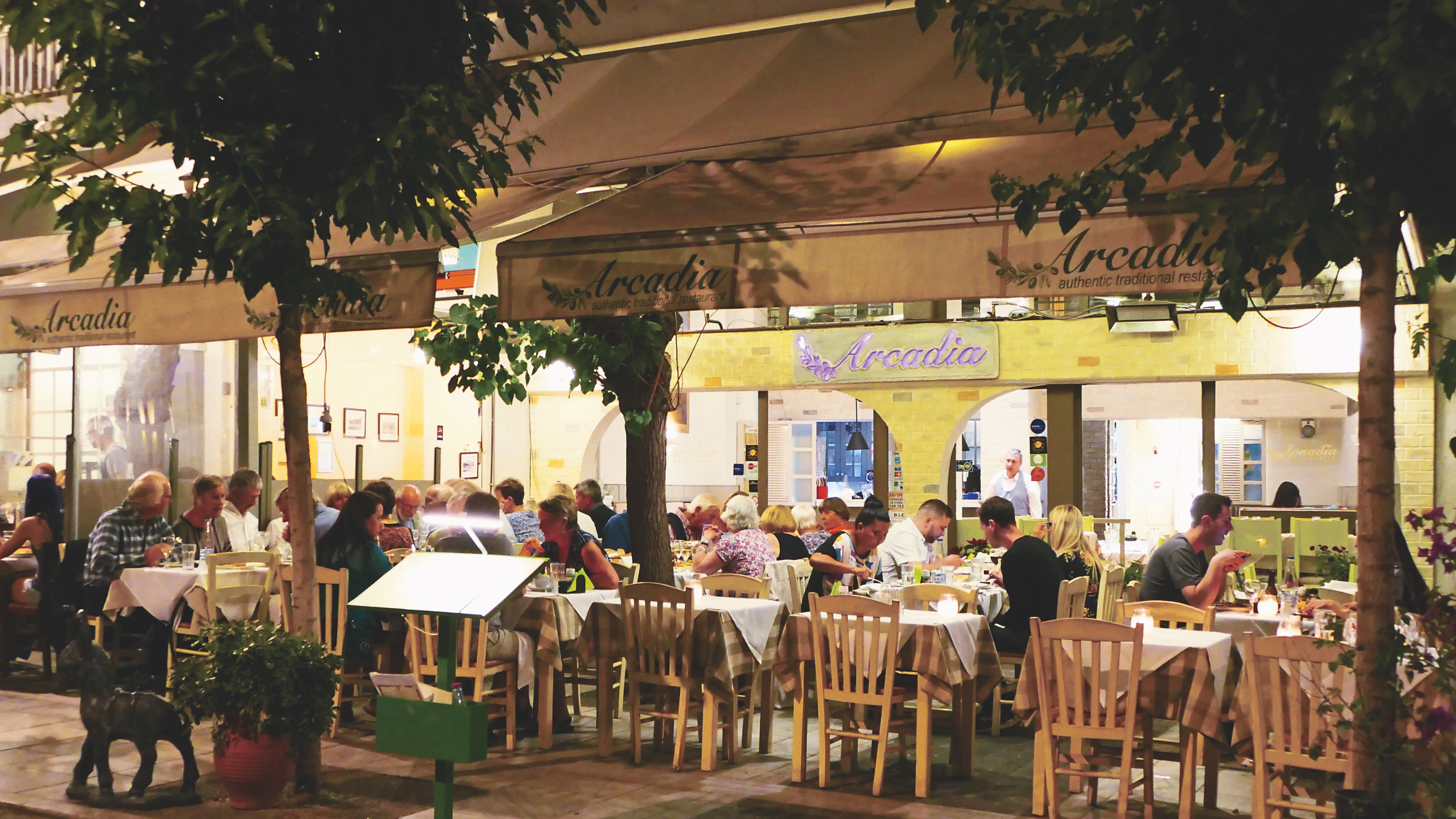
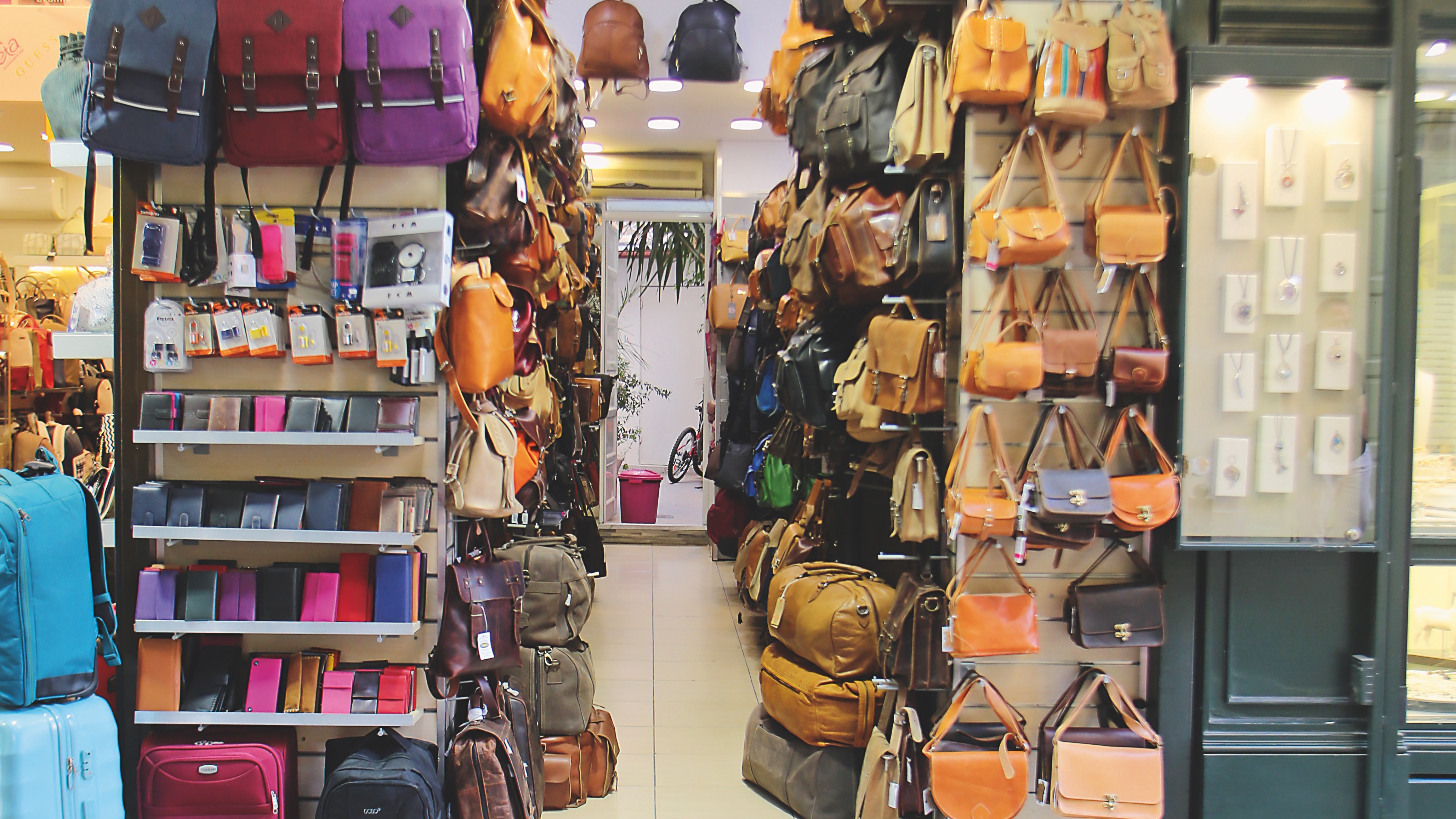
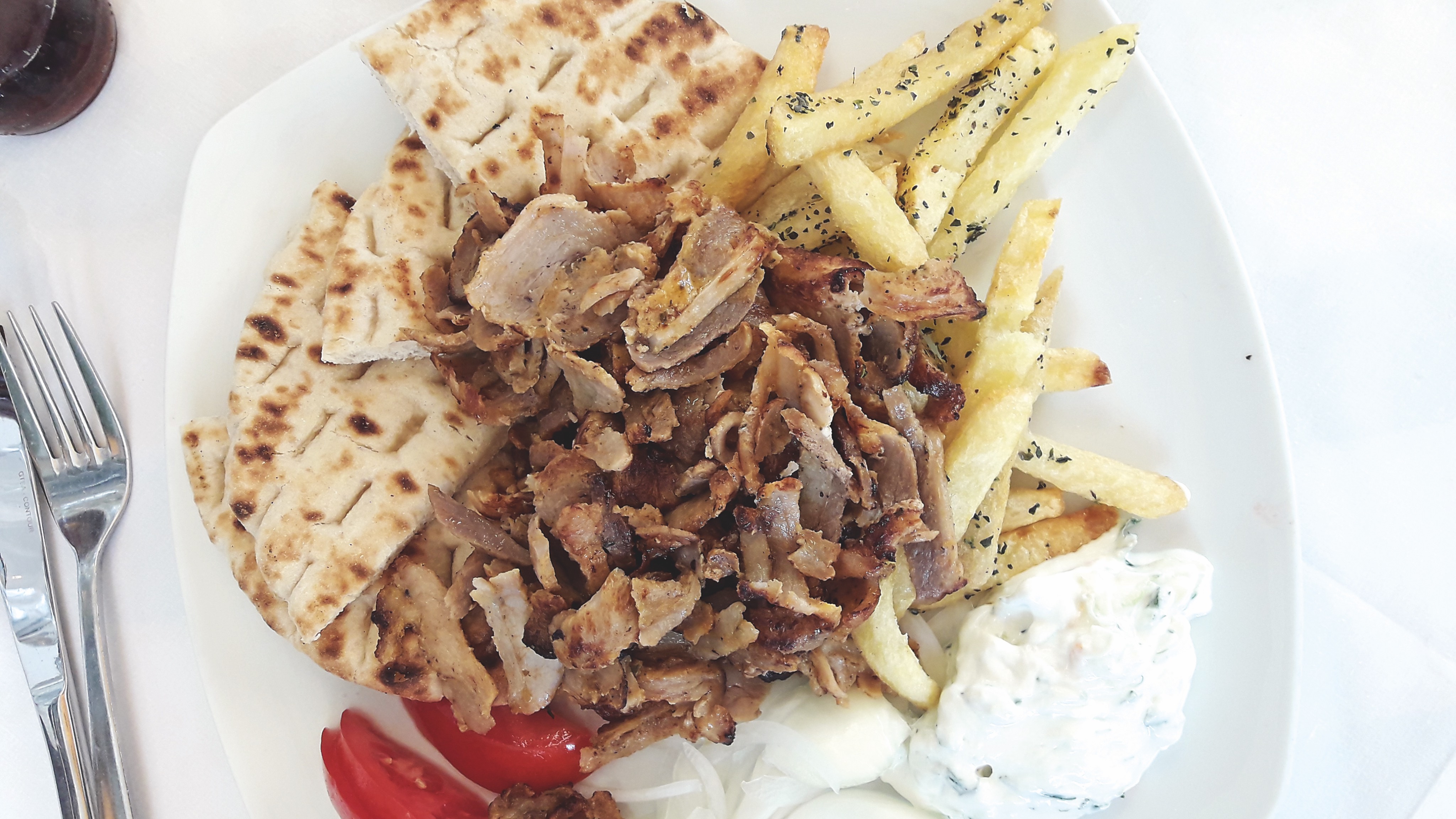
After seeing the Acropolis, we only needed to go down and a big avenue of restaurants greeted us. Walking further in and we hit the quaint restaurants and shops of Athens. Ice cream, hats, souvenirs, rugs, clothes, jewelry you name it, they have it. What is wonderful about this area is that they are all local, none of them have the big-name brands that most look for when shopping. It’s like one big flea market and you can have your pick. After shopping, a meal in a Greek taverna is a must. Must-tries are their gyro, tzatziki and fried feta.
If you’re ordering the gyro, and there are two of you, order one. If there are three of you and are not completely famished, still order one! And if you are expecting it like a wrap, just like we were, don’t be disappointed when you see you have to do the wrapping yourself. With the amount of meat they put on the plate, you can really feed 3 people from one order.
Their tzatziki is just divine. Made with Greek yoghurt, but of course, and julienne slivers of cucumber, it was like a tall drink of iced water on a summer’s day. Served cold, it re-energizes one’s spirit as the cool yoghurt is scooped with a piece of pita. And finally, the piece de resistance: fried feta cheese with honey and black sesame. Magical! Sweet and a little salty, it was a mixture of the warm and crusty exterior of the fried flour, and the soft gooey feta cheese inside the crust. The drizzle of honey and a sprinkling of black sesame seeds added the right contrast to the cheese.

ADVERTISEMENT

Meteora
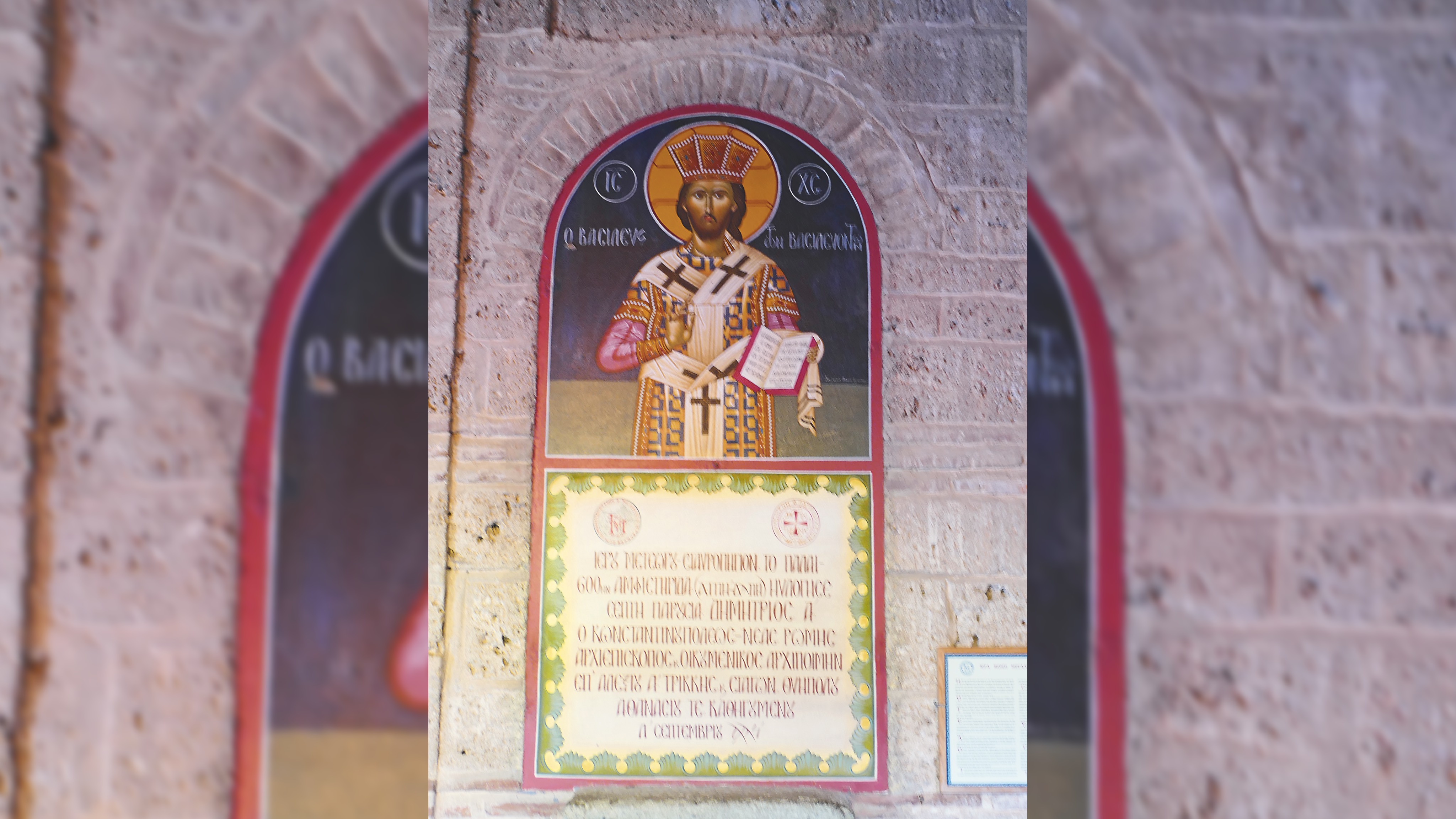
Pictures of Meteora in guidebooks are always enigmatic. With monasteries built on top of these mountains that look singular, I wonder how people ever get up to them.
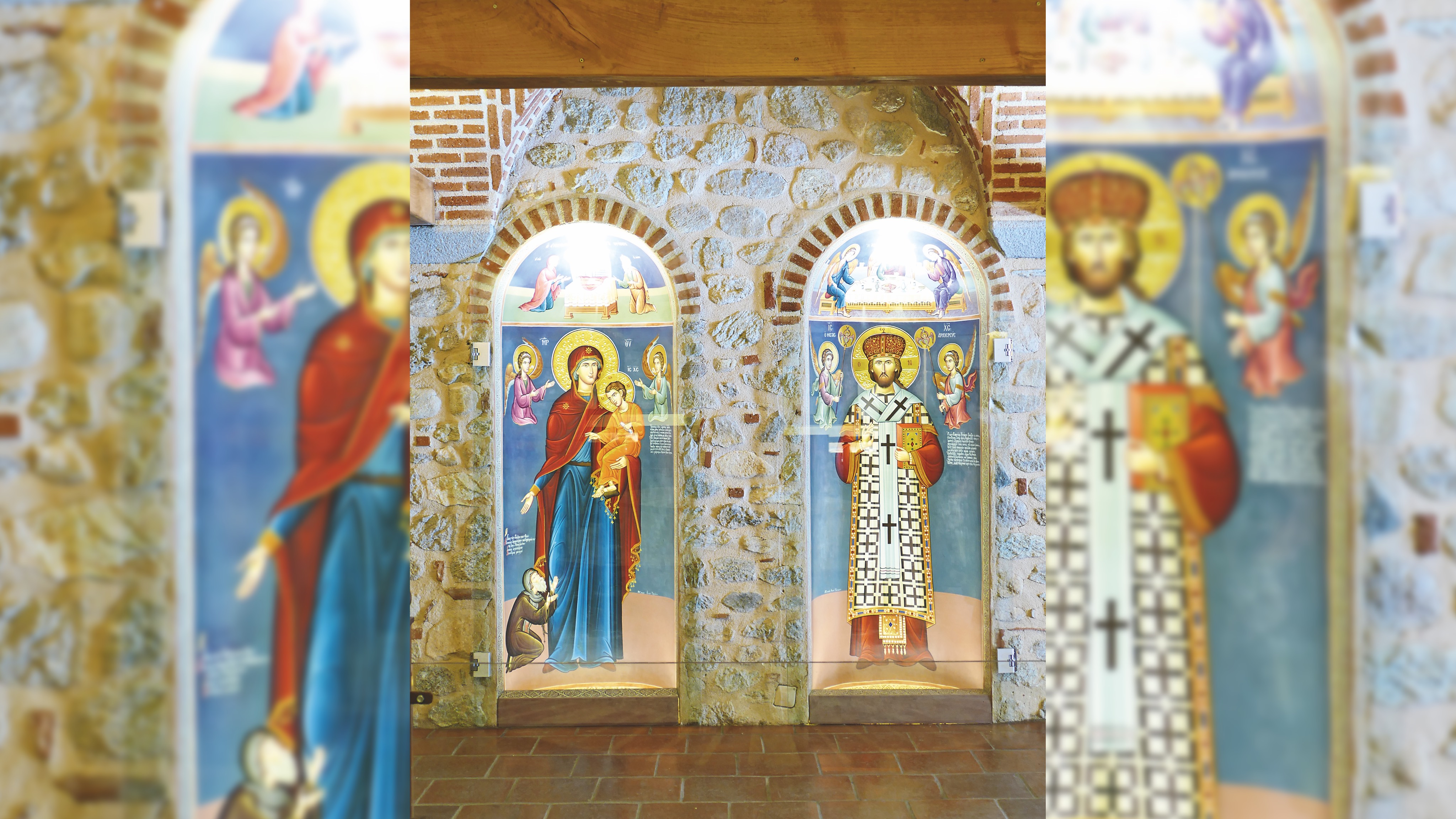
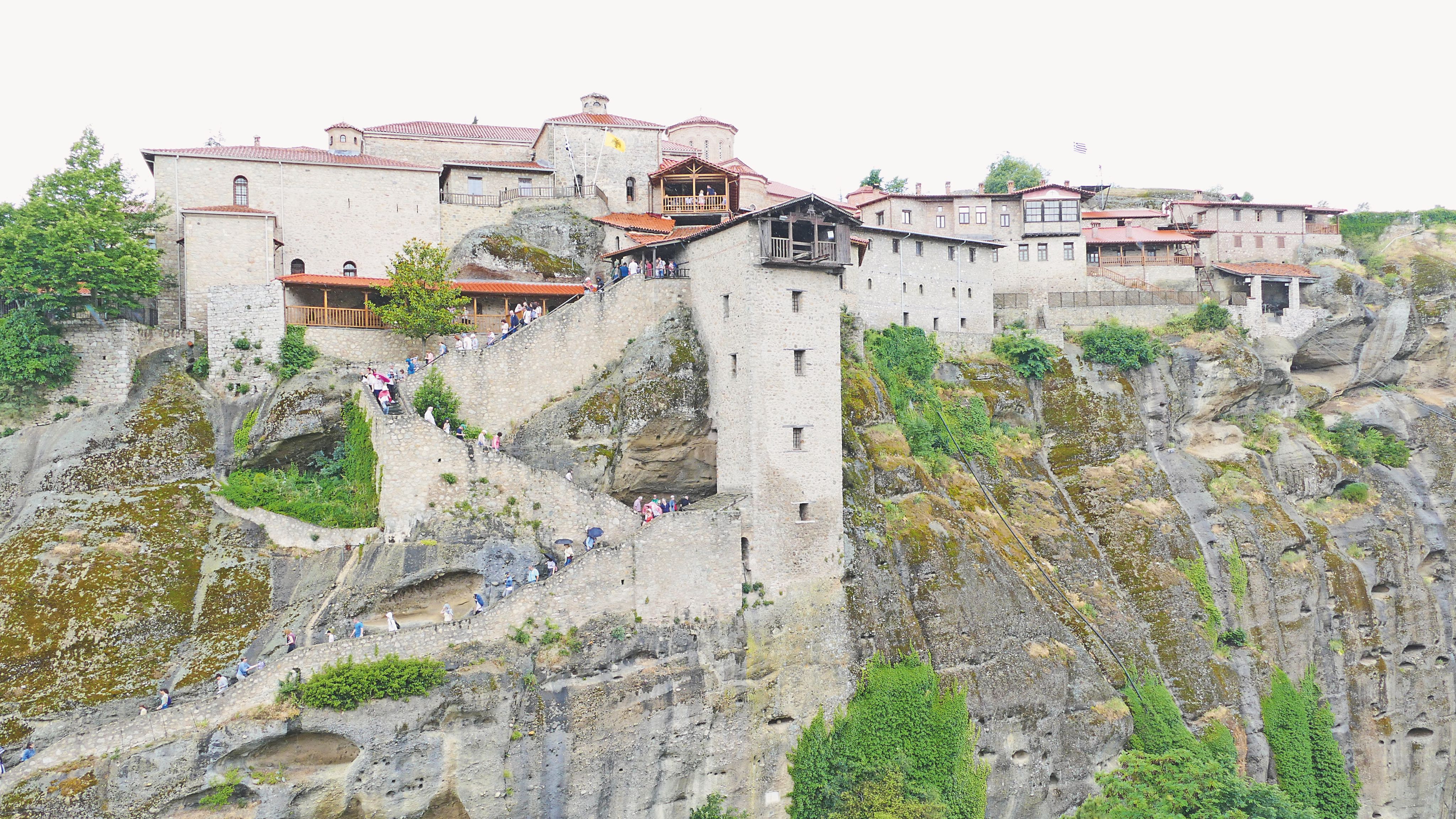
From Athens, it’s a five-hour drive to the village of Kalambaka, the jump-off point to the monasteries. According to our guide, it took 20 years just to bring the materials to the location and 70 years to build each monastery. So those who started the monasteries never saw the fruition of their dreams. At the peak of its creation there were 24 monasteries, now there are only six. Of the six, only two can be visited. As a former curator, it was very interesting for me to learn from our guide that the paintings, which are all Byzantine, are of two types: Macedonian and Cretan. And that the one who espoused the Macedonian, the style that all the monasteries in Meteora use, is Dominikos Theotokopoulos, the teacher of El Greco.
The first monastery we saw was the Monastery of Great Meteron. It is the largest and it was beautiful inside and outside. I was surprised that we navigated all those steps in 10 minutes, photography included. Once inside the church, I wasn’t prepared for all those beautiful Byzantine frescoes that decorated the walls. It actually reminded me of St. Basil Cathedral in Moscow despite its smaller scale, because it was as rich and chock full of images just like St. Basil. Unfortunately, one has to commit it to memory since photography is not allowed. This is because flash affects the paint. Some of the images outside, where picture-taking can be done, is fading away, because of its exposure to the elements. But the ones inside the church are all very well-preserved. After more picture-taking in the balconies that surround this monastery, we’re off to the second one: the Monastery of St. Stephen.
This is a rather curious monastery; instead of monks, nuns occupy it. It is also the easiest to get to since it’s connected by a bridge. Shelled by the Nazis during the war, it was turned over to the nuns. The frescoes of this monastery are interesting because they are actually works in progress. We saw some white areas that are half-painted. According to tradition, only one artist is supposed to work on each monastery, but we learned that the artist has helpers. Despite its 21st century date, it retains the Byzantine style with figures that are flat, and with every square inch of the walls and arches painted on.

Agamemnon, his mask and the genesis of civilization
Are you a fan of Homer? How about Helen of Troy? Or Agamemnon? Will it surprise you if Helen of Troy is for real? I certainly was surprised. It is so real to me as we went to the citadel of Agamemnon in Mycenae, 120 kilometers west of Athens. The archeologist who unearthed this ancient ruin, Heinrich Schliemann, found a golden death mask and declared: “I have gazed upon the face of Agamemnon.” Unfortunately, tests revealed that the mask was made 300 years before the Trojan war.
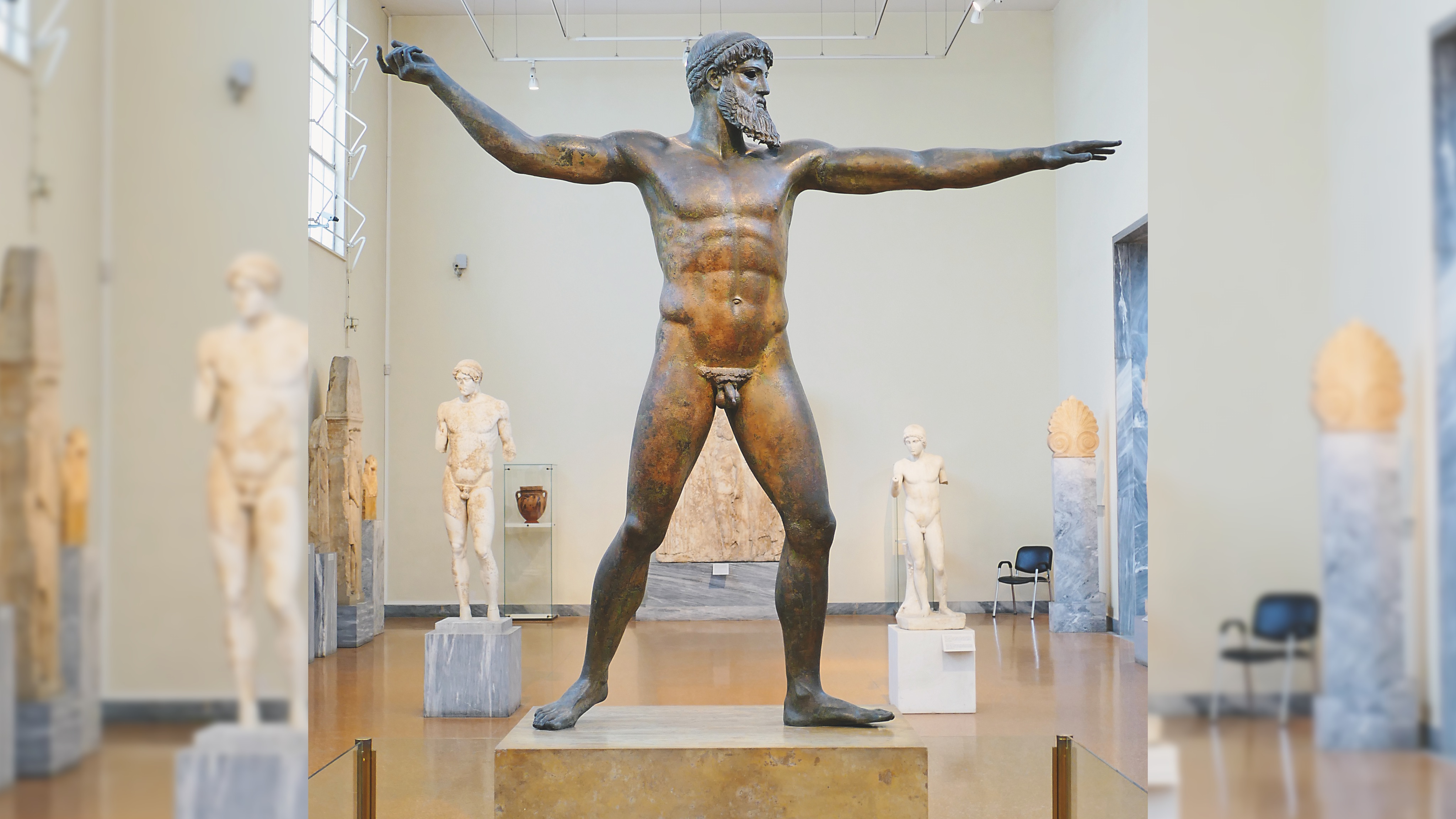
Mycenae has two major sites. In 1700, Francesco Grimani correctly identified the citadel of Agamemnon through Pausani’s description of the Lion’s Gate. But it wasn’t until 1870 when Schliemann unearthed the gates and subsequently found the mask. Despite the wrongful identification of the mask, the myth has persisted and the mask is now displayed and labeled as “Agamemnon’s Mask” in the National Archeological Museum of Athens.
From Agamemnon’s citadel, one overlooks his fiefdom, and that includes the burial chamber of his unfaithful wife Clytemnestra. According to sources, Clytemnestra had a lover, Aegisthus, who was her accomplice in murdering her husband Agamemnon. Maybe she was avenging the murder of her first husband, Tentalus King of Pisa, who himself was murdered by Agamemnon. Telenovelas just cannot compare to the drama of Greek tragedies.
In the burial chamber of Clytemnestra, the guide made sure we saw the huge stone blocks that were used in the lintel and at the main entrance wall. And because of their sizes, it was believed cyclops were the ones that constructed the whole structure. Indeed, the sizes and the configuration of these stone blocks can’t seem to come from human hands. Inside the “tomb” is a conical shaped enclosure where an adjacent chamber is connected. Sources state that Aegisthus is buried next to Clytemnestra. Either I missed this part or the guide forgot to mention it. Putting two and two together, I guess we can tell who’s buried in the next chamber. I can just imagine Agamemnon on top of his mountain as he looks down on her tomb, dare I say, gloating.
Greece has been called the cradle of western civilization, the birthplace of democracy, the origin of theater, and more. People have not forgotten its contribution to humanity, as evidenced by the number of tourists that flock the country. It is because of the Greeks that we live as free men, enjoy the arts, and understand better how we as humans are able to think logically. The Greek legacy, in more ways than one, led us to the modern lives we live now.
View Gallery









EXPLORE MORE


GET IN TOUCH WITH US
FOLLOW US

Copyright © 2021 AsianTraveler Magazine. All rights reserved.