La Cabrera
An Evening in Argentina
The secrets of Buenos Aires’ cuisine are uncovered in a few hours of bliss, right in the heart of the business district
WORDS BY JERICCHO REYNALDO
IMAGES BY ELMER PASCUA
The country of Argentina is a food-lover’s paradise. It is rich in culinary traditions and is a focal point for top quality ingredients and produce. Hence, it has a thriving food scene which is evident in its public spaces and during festivals, made more colorful by the Spanish heritage it has treasured throughout its history, and the gastronomic culture brought to its shores by the Italian immigrants between the 19th and 20th centuries.
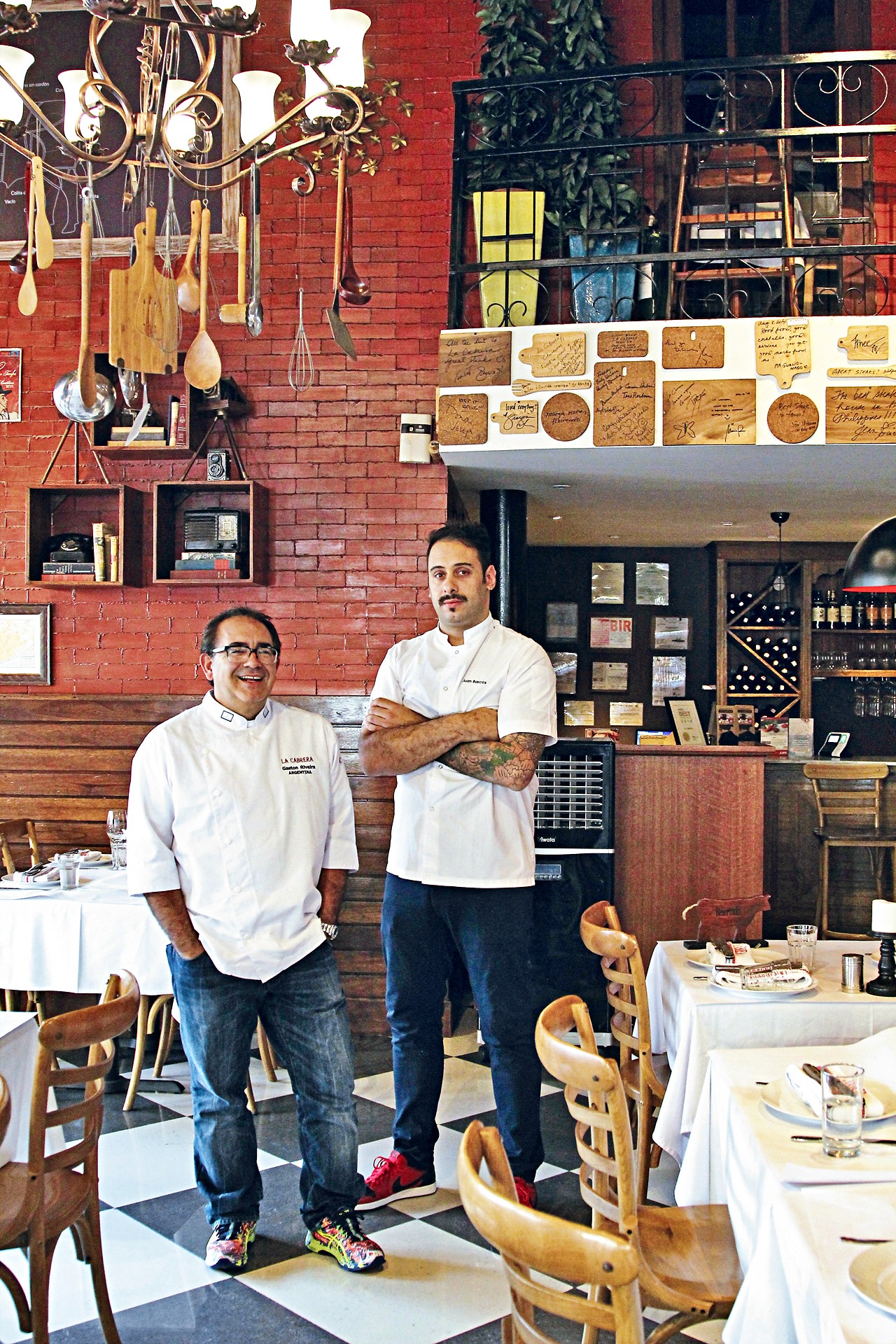
Argentina, particularly Buenos Aires, is also home to La Cabrera, named one of Latin America’s top 50 restaurants in the 2014 San Pellegrino awards. The man behind it is Chef Gastón Riveira, who found himself in the Manila branch of La Cabrera one April evening, to give the restaurant patrons a taste of his award-winning cuisine back in Latin America. In this one night, guests were taken to a quick getaway from the hustle and bustle of Makati to the vibrant neighborhood of Palermo in Buenos Aires, and treated to an authentic parilla experience with prime and exciting ingredients.
FROM ARGENTINA TO MANILA
La Cabrera Grillado & Bar opened in the Philippines in 2014, following the success of the original steakhouse in Argentina, the first branch of which opened in 2002. Two business partners, both coincidentally named Carlo Lorenzana, then agreed to bring the brand to the Philippines, and sought the nod of Chef Gastón, who also seemed keen on the idea. The rest, as they say, is history.
I had the chance to sit down with the renowned chef before things got busy in the kitchen and, with the help of Executive Chef Juan Barcos, was able to peer into the mind of the great visionary with regards to his cooking and his thoughts on La Cabrera’s presence in the Philippines.
“In terms of comparing the flavors and ingredients of the Philippines with that of Argentina, they are totally different,” said the chef when I asked how similar he thinks Philippine and Argentinean cuisine are. This despite the fact that both countries have Spanish palates to hearken back to. According to Chef Gastón, however, the most important thing that must be kept in La Cabrera Manila is the flavor and quality, which he stresses must stay true to its Argentinean roots.
The chef, meanwhile, lauds the 6750 corner which La Cabrera now calls home, saying it is “the best location you can get in Manila.” Chef Gastón has visited the Philippines before, and enjoys his time in the country cooking and eating.
SOMETHING SIMPLE FOR STARTERS
Slowly, the candles were lit and the diners came by groups in anticipation of the dishes to be prepared by the Argentinean master. Earlier in the day, Chef Gastón piqued my interest on the menu of the evening, saying that “it consists of different flavors, featuring beef, innards, side dishes and a typical Argentinean dessert.” But before the first course was served, all the tables, by tradition, were served plates of bread along with an array of side dishes and spreads such as olive purees, cheeses and tomatoes.
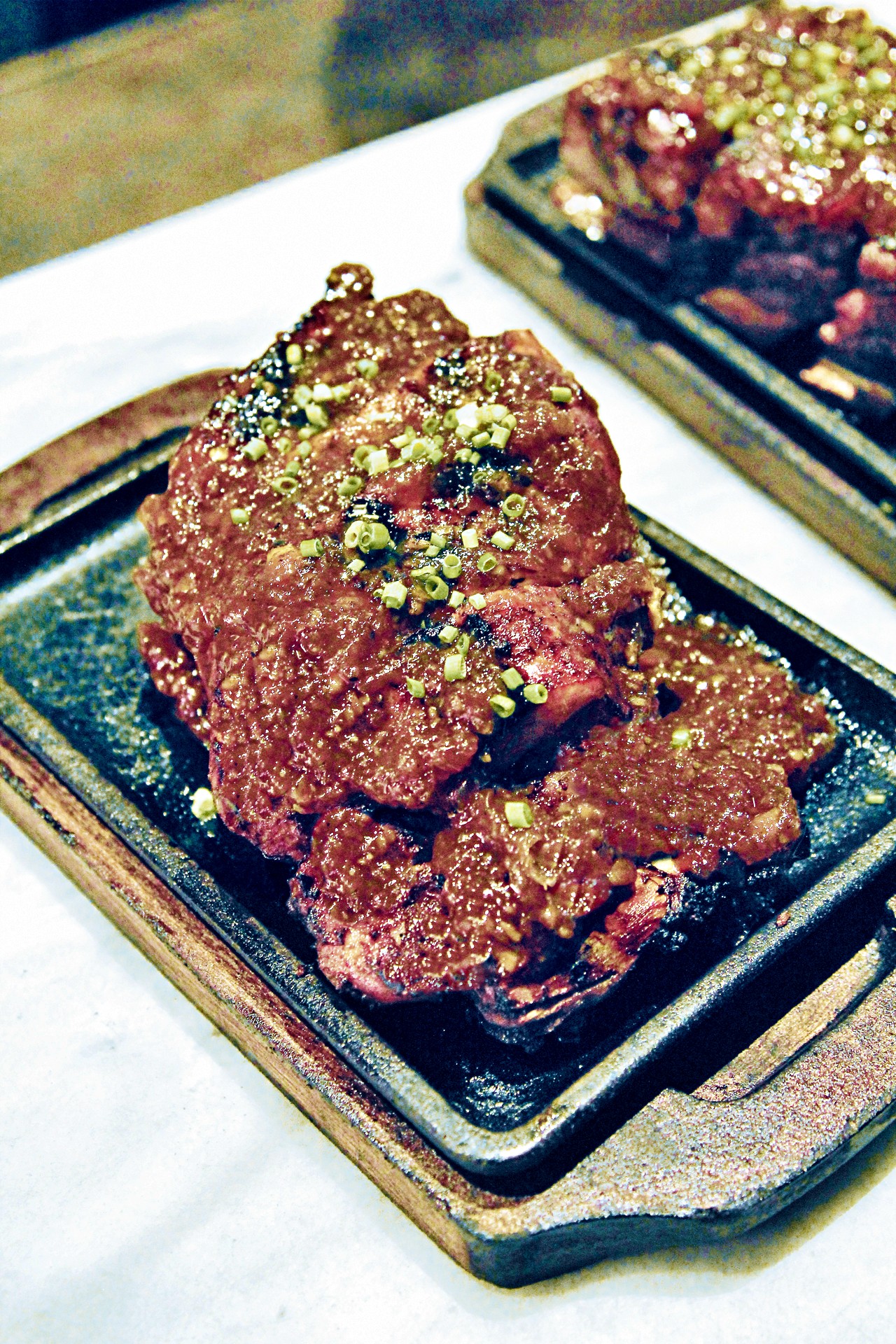
Well into the evening, the entrada or starter was served, which was Mollejas Grilladas con Chutney de Manzana (Grilled Sweetbreads and Apple Chutney). A succulent dish featuring a lamb’s gland, the Mollejas was the perfect introduction to an evening of Argentinean fare, grilled to a delectable texture with the unpretentious natural flavors of the lamb still intact. To add tang to the dish, a serving of chutney made of apples was arranged as if it was a bed for the sweetbreads.
To pair with the dish, the sommeliers of La Cabrera each poured the guests a glass of Altas Cumbres Extra Brut 2014, which with its strong and dry tones complemented the subtle taste of the sweetbread, and the sweet and powerful bite of the chutney.
THE TREASURE OF THE GRILL
In its very essence, La Cabrera, be it here in Manila or in South America, is a parrilla or a steakhouse/grill, and the restaurant celebrates this identity by serving the best of beef through prime cuts and masterful cooking techniques. In Argentina, Chef Gastón sources his meat from the ranches of Pampas, offering the steak-lovers of Buenos Aires “a great offering and variety of sirloin steaks and short ribs.” While the same source could not be had for the Philippine branch, the kitchen of La Cabrera Manila ensures it has a hold on the premier wagyu and angus cuts it could get its hands on, which we had the chance to try for our main course.
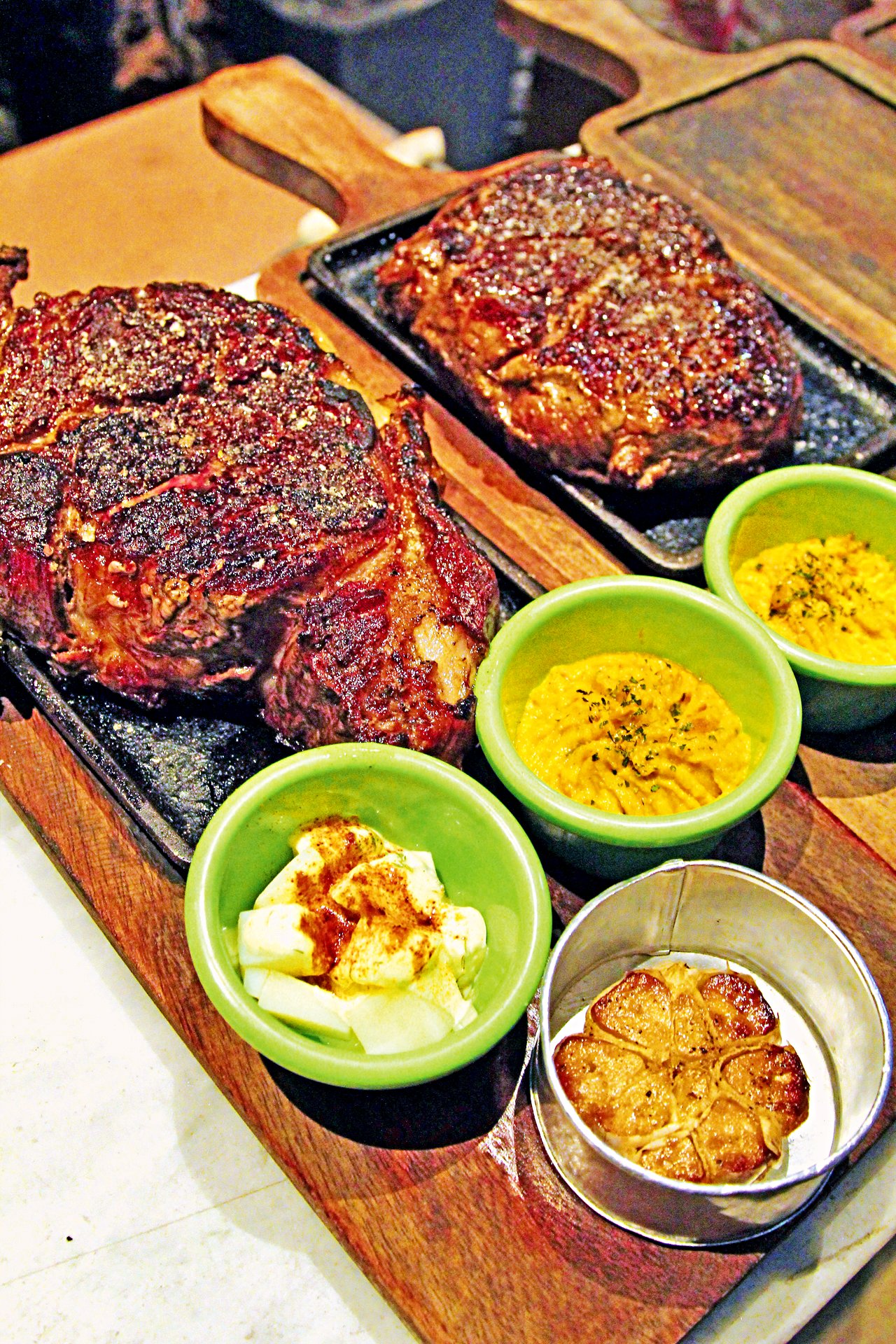
The evening’s entree Grillados or From the Grill is Cuadril de Wagyu, Pastel de Morcilla Y Manteca de Chimichurri (Wagyu Coulottes, Potato and Morcilla Pie, and Chimichurri Butter), which was the most awaited dish of the night. While each of the guests had their chance to have their steaks cooked to their desired limit, each of them was seasoned purely with salt and pepper to highlight the flavor and quality of the cut. My piece of steak, cooked to a tricky medium well, embodied this aim to perfection as every bite was in no way short of excellent, the slowly melting chimichurri butter lending its delicate essence to the beef.
To go with the steak, a ramekin of baked potato and morcilla pie came along to provide a varied texture to the course. This dish would have easily been enjoyed on its own, but the chef made sure that it arrived just in time to give a counterpoint to the intoxicating character of the wagyu. Of course, another variety of wine, this time the Lagarde Syrah 2012, was poured to put the finishing touch to the filling meal.
LEAVING WITH A SMILE
Right before ending our interview with Chef Gastón, I asked him why he took the chance to visit La Cabrera Manila, to which he answered with the same mission he has each time he cooks - that is to “make every customer that comes to La Cabrera to be happy and leave with a smile.”
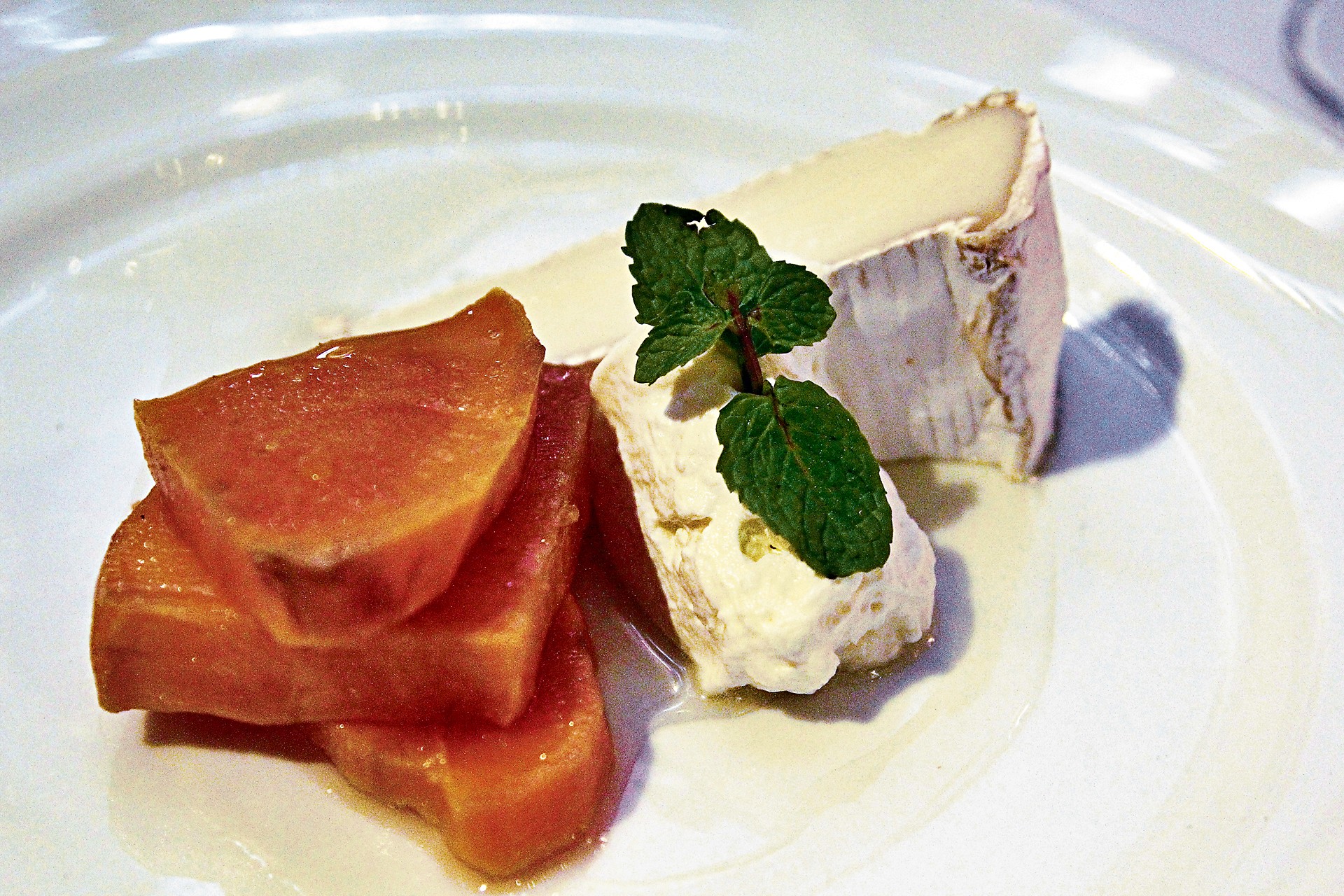
By the time the entrees were done, delight showed on the faces of the diners, and everyone was congratulating the chef for his well-orchestrated menu. And yet, we had yet to taste his postre or dessert course, which was a simple plate of quezo y dulce (cheese and sweets). There before me was a large slice of soft cheese paired with slices of steamed sweet potato drizzled with honey. A classic Argentinean dish, the dessert of cheese and sweets was an attempt to cleanse the palate using mild but unhindered flavors.
While dessert was being served, the neighboring table sprang to life with the singing of “Happy Birthday.” The group took the opportunity of Chef Gastón’s visit to treat their friend to a lovely and authentic meal. Everywhere else around, meanwhile, people were either toasting to a delightful evening or sharing stories over coffee and tea. Though it may be true that Buenos Aires and Manila didn’t share much in terms of cuisine, they shared a great deal in terms of celebration and festivity, for scenes like these find their way in the hearts of metropolises through a mere glass of wine or a bite of steak.

GET IN TOUCH WITH US
FOLLOW US

Copyright © 2021 AsianTraveler Magazine. All rights reserved.