Nikkei
A Most Delicious History Lesson
Ever imagined what Japanese and Peruvian flavors would taste like together? Read on and learn
WORDS BY JING JAMLANG
IMAGES BY EMMAN PEREGRIN
What we want to do here is have people try new things.”
Carlo Lorenzana was measured when he spoke. He took brief pauses in conversation to ensure the words he used did justice to the picture in his mind. He wasn’t stern in his delivery, but the way he talked came with a cadence of sincerity. He meant what he said. And so it came as no surprise that there was to be nothing ordinary about the rest of my afternoon -- the comforts of the familiar delightfully nowhere to be found.
There I was, thinking I would be digging into another take on the growingly recognizable Japanese plethora of ramen, sushi, makis, and katsus. Afterall, I was sitting in the middle of a restaurant named Nikkei. No doubt another addition to Metro Manila’s reliable compulsion for the offerings of the Far East. But instead, I was taken on a journey in the opposite direction, to the extreme West of the world map. There, I would be acquainted with a history that would make sense of Carlo’s musings on ceviche, pisco, and lomo saltado.
Although a fairly new addition to Makati’s ever-changing landscape, Nikkei’s roots stem all the way back to the late 1800’s, when Peru opened its coastal towns to Japanese laborers who were in search of work. Located on the western edge of South America, the country was the first nation on the continent to open its arms to the Japanese, leading not only to a reliable source of quality personnel, but eventually, an exciting new injection to an already rich culture of food.
With the hundreds, and eventually thousands of Japanese immigrants making their way across the Pacific, it was inevitable that more than a few found a way to combine the extensive seafood knowledge from home, with the fresh and lively Peruvian flavors they found available. The result of those experiments, and the generations of refinement that followed, created a cuisine boldly unique, one that has been building up momentum around the world.
Carlo originally encountered Japanese-Peruvian food on a trip overseas. Even for an experienced restaurateur, one who sought and understood the world’s variety of tastes and flavors, the experience made a mark. It left such an impression on him that he made the decision to introduce the cuisine to Manila’s growingly refined palate. Now, on Rada Street, in the heart of Makati’s posh Legaspi Village, he shares the refreshing shock to the senses he enjoyed on his travels.
My education on the matter began with a subtle jolt. The Grilled Ebi roll looked similar to those I’d sampled in countless Japanese establishments across the city. The initial bite even felt like going through the motions. But then there was the cheese, some strong pepper, and quickly I was down a path I had not known existed.
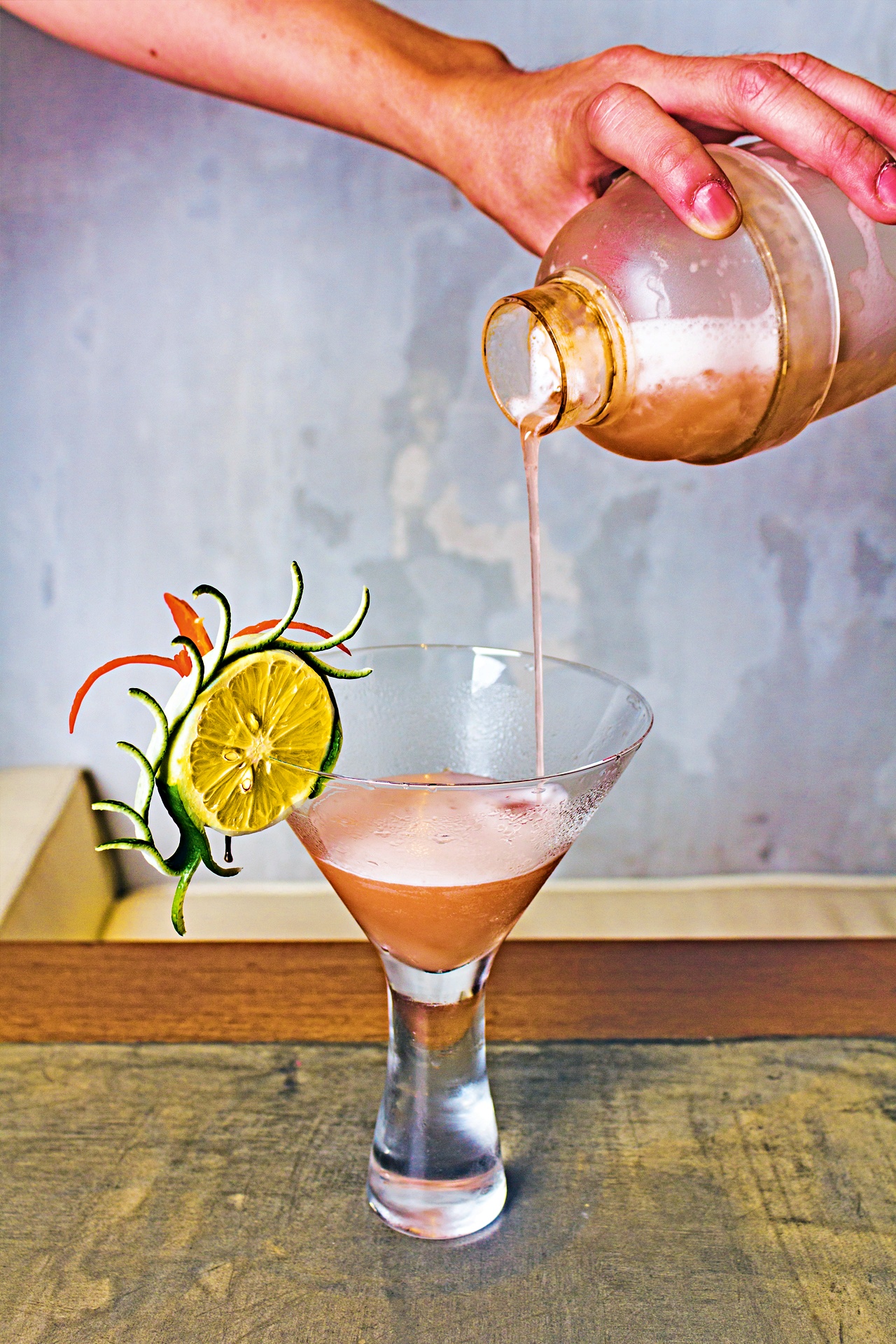
Next came the Salmon Causa, mashed potato used in a manner that made gravy look inadequate, and rather clumsy. My tongue couldn’t quite place it, like trying to pinpoint the taste of a fleeting moment. Continuing the trend of seafood that would persist throughout the meal, the Marisko ala Olancha carefully danced between the lines of saltiness and sourness. Instead of the customary beer that seemed perfect for the mixture of seafood, I had in front of me an alcohlic concoction that might’ve seemed inappropriate earlier in the day.
“It’s relatively new. And it’s becoming popular everywhere in metropolitan cities, Personally, I think it fits the Filipino palate,” Carlo said of the cocktail trend sweeping the capital. “We’ve designed our own. We have sake-based and ones based on pisco, a Peruvian brandy made in winemaking regions of the country.”
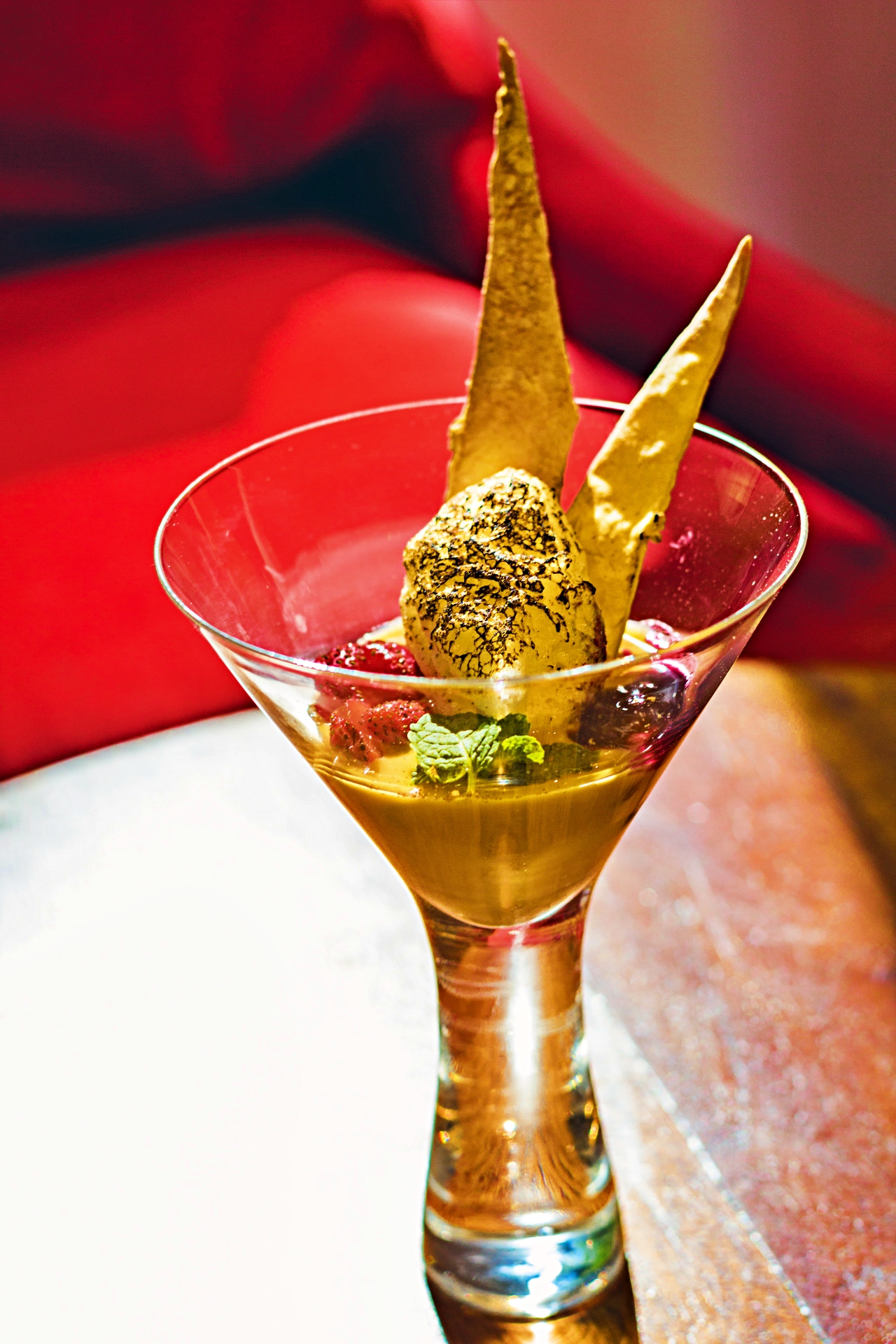
My companion for the afternoon happened to be of the sake variety, and it complimented quite seamlessly the Green Ceviche that followed. White fish, octopus, and prawns smothered in wasabi cream, a little corn on the side, and topped with crispy potato strings. My appetite quickly picked up some steam and with it my thirst. The seared tuna and risotto was a curveball, bearing a strange resemblence to mac n’ cheese that was thoroughly unexpected. The final exclamation came with the Peruvian sashimi, or Tiraditos. Thinly sliced white fish, with a blend of cilantro, lime and chili sauce. It was the bow that tied the entire meal together. Not only was it a clever synergy of Japan and Peru, it was a product separate from its origins – a treat that deserved its own space and time. The meal ended with a Peruvian sendoff. Suspiro Limeña, a delightful mixture of caramel and berries served as the final reminder of the ride through unfamiliar territory.
“It’s all new to everyone,” Carlo explained. “So you just have to listen to your palate. I can confidently tell you, you have to try everything.” Manager Rose Ann Bestoso proudly echoed Lorenzana’s views. “It’s different. Nobody can offer a Peruvian twist – not any restaurant here in Manila, just us – the ceviches, the Peruvian sashimi…” she trailed off.
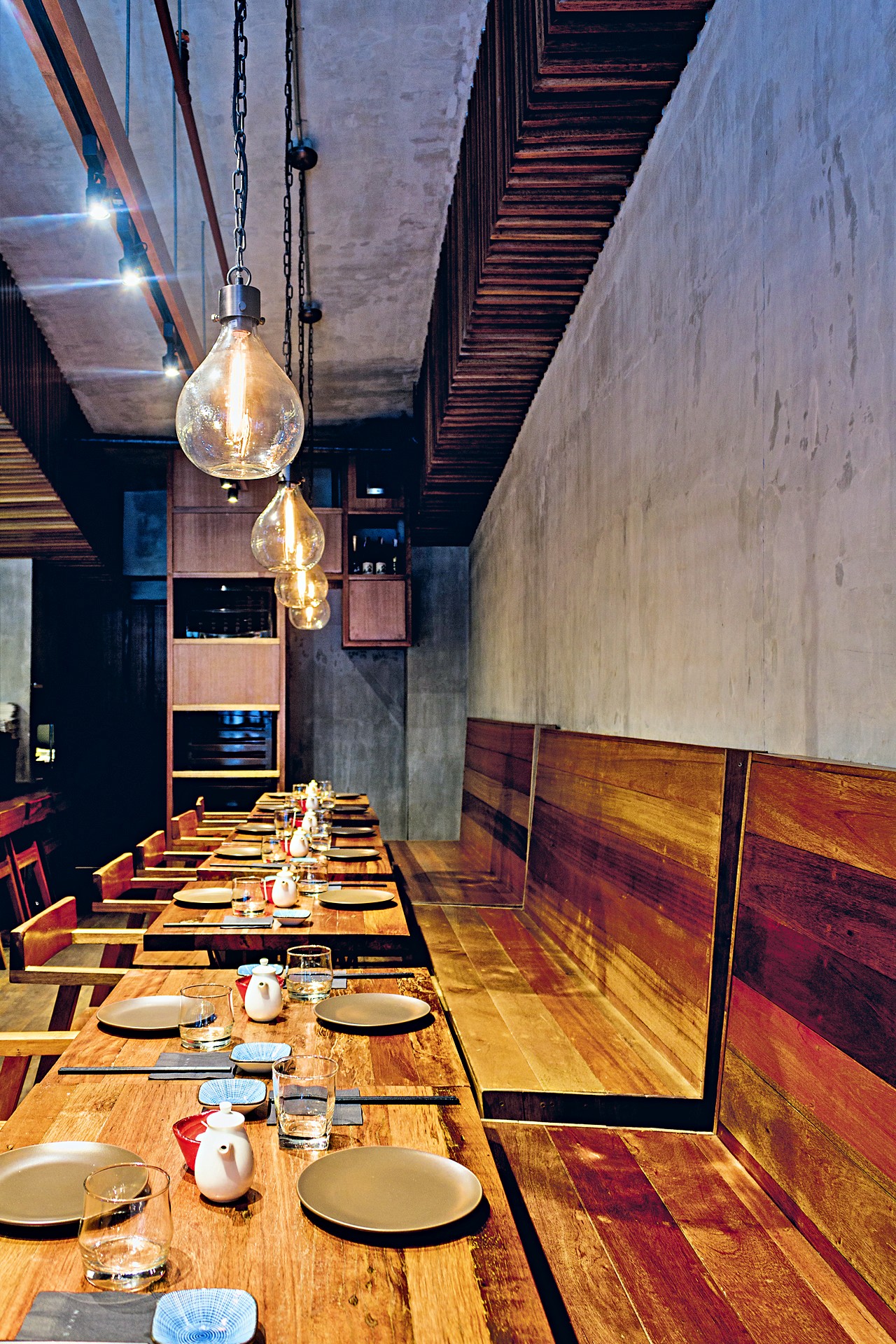
In order to sample everything, which was tempting, it would be necessary to make a few more visits to one of Makati’s blooming culinary havens. Once just a smattering of residential condominiums and office buildings recently has turned into a hub for some of the most highly acclaimed gastronomic creations. “Legaspi and Salcedo have become food destinations recently because of all the restaurants popping up. It’s got its charm. It’s a nice neighborhood environment,” Carlo enthused. Nikkei’s warm lighting and elegant wooden touches mixed naturally with the homey area of the city. “Not too much clutter, easy on the eyes, conducive to meeting and talking,” he said as he looked around.
Amidst the cozy setting, my history lesson had come to a close, and with it my introduction to Nikkei, and to the fresh new world of Japanese-Peruvian flavors. Had I not been so ignorant, I might’ve had an idea of what the afternoon had in store. A quick Google search of “Nikkei” revealed that the word was used to pertain to individuals who emigrated from Japan, or who hold mixed racial descent. In the case of Carlo Lorenzana’s latest creation, it’s an expression of combining differences to create a whole new craving still unfamiliar to Filipinos. Having had the pleasure of the quick tour, I was excited for the shock in store for all those fortunate enough to find their way here.

GET IN TOUCH WITH US
FOLLOW US

Copyright © 2021 AsianTraveler Magazine. All rights reserved.